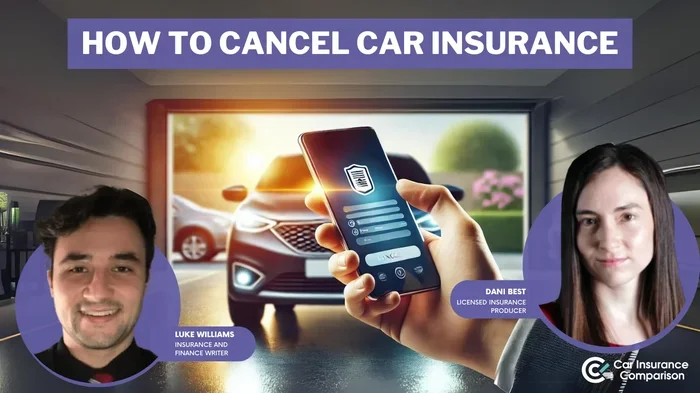
Can You Cancel Car Insurance Anytime Heres the Full Guide
Yes, you can cancel car insurance anytime, but the process and penalties depend on your provider and state laws. You may face cancellation fees or lose part of your refund if you cancel mid-policy. Understanding how cancel car insurance works saves you money and protects your driving record.
Canceling car insurance might sound simple. You call your provider, say goodbye, and you are done. Right? Not exactly. The truth is that cancel car insurance involves more steps than most people expect. There are fees, refund rules, and legal requirements you need to know.
Whether you are selling your car, switching providers, or just tired of paying for coverage you do not need, this guide covers everything. We will walk you through the process, the costs, and the smartest way to handle cancellation without messing up your finances or your driving record.
Can you cancel car insurance anytime? The short answer is yes. But the full answer is more complicated. Let us break it all down.
Key Takeaways
- You can cancel anytime: There is no law forcing you to keep car insurance active once you own the policy.
- Refunds depend on timing: Canceling early may mean a short-rate refund, which is less than what you paid.
- Fees are common: Many insurance providers charge a cancellation fee, especially mid-term.
- Lapse in coverage is risky: Driving without insurance can lead to fines, license suspension, and higher future rates.
- Replace coverage first: Always secure a new policy before canceling your old one to avoid a coverage gap.
- State laws vary: Some states have specific rules about how and when you can cancel your auto insurance policy.
📑 Table of Contents
- How Car Insurance Cancellation Works
- When You Can Cancel Car Insurance
- Will You Get a Refund When You Cancel?
- Punishments and Fees for Canceling Car Insurance
- What Happens If You Let Your Coverage Lapse
- How to Cancel Your Policy the Right Way
- Common Mistakes People Make When Canceling Car Insurance
- Expert Insights on Car Insurance Cancellation
- Key Takeaways
How Car Insurance Cancellation Works
Car insurance is a contract between you and your insurance provider. Like any contract, either party can end it. But how you end it matters. The rules around car insurance cancellation depend on your state, your insurer, and when you decide to cancel.
Most people assume canceling is as easy as making a phone call. In many cases, it is. But there are paperwork requirements, refund calculations, and potential penalties hiding behind that simple process.
The Cancellation Process Step by Step
Here is how the typical cancellation process works:
- Contact your insurer: Call, email, or log into your online portal to request cancellation.
- Confirm your policy details: Have your policy number and personal information ready.
- Choose an effective date: You can usually set the cancellation date to the end of your current billing period.
- Request written confirmation: Always get a cancellation letter or email for your records.
- Arrange replacement coverage: If you are switching providers, make sure the new policy starts before the old one ends.
Following these steps keeps you protected and avoids any lapse in coverage that could cause problems down the road.
Types of Cancellation
Not all cancellations are the same. Understanding the types helps you make smarter decisions.
Voluntary Cancellation: This is when you choose to end your policy. Maybe you sold your car or found a cheaper rate. This is the most common type and usually involves the fewest complications.
Involuntary Cancellation: This happens when the insurer ends the policy. Non-payment is the most common reason. Other causes include fraud or license suspension. Involuntary cancellation often comes with a cancellation notice and a short window to fix the issue.
Mid-Term Cancellation: This is when you cancel before the policy end date. This is where most people run into fees and reduced refunds. If you are considering this route, read the next section carefully.
When You Can Cancel Car Insurance
You can cancel your auto insurance policy at almost any time. But certain moments are better than others. Timing affects your refund, your fees, and whether you face any penalties.
Canceling at the End of Your Policy Term
The easiest time to cancel is at the end of your policy term. If your policy runs for six months or one year, let it expire naturally. You simply do not renew it. This approach avoids cancellation fees and usually gets you a full refund for any unused time.
If you want to cancel car insurance at the end of the term, you may still need to formally notify your provider. Check your policy documents or call customer service to confirm the process.
Canceling Mid-Policy
Canceling mid-policy is where things get tricky. Most insurers prefer customers to stay until the term ends. When you leave early, they lose expected revenue. As a result, many companies impose insurance cancellation fees.
Some states regulate these fees. Others do not. This is why checking your local laws matters before you submit a cancellation request.
Canceling After a Recent Purchase
Did you just buy a policy and regret it? Many insurers offer a free look period, usually lasting 10 to 30 days. During this window, you can cancel for a full refund. This is one of the best times to cancel insurance early without losing money.
Always check your policy documents for the free look provision. If your state mandates one, you are legally entitled to it.
Will You Get a Refund When You Cancel?
One of the biggest questions people ask is whether they will get their money back. The answer depends on how and when you cancel.
Pro-Rata Refunds
A pro-rata refund means you get back the unused portion of your premium. For example, if you paid $1,200 for a year and cancel after six months, you might receive $600 back. This is the fairest refund method and most insurers offer it at the end of a policy term.
Short-Rate Refunds
Short-rate refunds are less favorable. The insurer keeps a portion of your premium as a penalty for early cancellation. The amount varies but can range from 5% to 10% of your total premium. This is why mid-term cancellation can cost you more than you expect.
If you want to maximize your refund, wait until the policy term ends. This is the simplest way to avoid cancellation penalties and get the most money back.
Factors That Affect Your Refund
Several things influence how much you get back:
- How long you have been insured: Longer policies may have different refund rules.
- Your state of residence: Some states require pro-rata refunds by law.
- Your insurer’s policies: Each company sets its own rules for handling refunds.
- Claims history: If you filed a claim during the policy period, the refund calculation may change.
Punishments and Fees for Canceling Car Insurance
Canceling your policy is not always free. Understanding the potential costs helps you make an informed decision.
Common Cancellation Fees
Many insurance providers charge a flat fee or a percentage of your premium when you cancel mid-term. These fees can range from $25 to $100 or more. Some companies waive the fee if you are switching to another provider. Always ask about this before you cancel.
Cancellation Fees by Provider
| Provider Type | Typical Cancellation Fee | Waivable? |
|---|---|---|
| Major National Insurers | $25 to $75 | Sometimes, with proof of new coverage |
| Regional Insurers | $0 to $50 | Often waived |
| Non-Standard Providers | $50 to $100 | Rarely waived |
| Direct (Online) Insurers | $0 to $25 | Usually waived |
These numbers vary widely. Always check your specific policy documents or call your provider to confirm the exact fee.
Other Hidden Costs
Beyond direct fees, canceling car insurance can cost you in other ways. Future insurers may see the cancellation as a red flag. This could lead to higher rates when you buy your next policy. A lapse in coverage is one of the biggest factors that raises car insurance rates in the future.
What Happens If You Let Your Coverage Lapse
Some people simply stop paying their premiums and let the policy cancel automatically. This is a risky move. Letting your coverage lapse comes with serious consequences.
Legal and Financial Risks
Most states require drivers to carry car insurance requirements at all times. If you get caught driving without coverage, the penalties can be severe:
- Fines: These can range from $100 to $5,000 depending on your state.
- License suspension: Your driving privileges may be revoked until you provide proof of insurance.
- Vehicle impoundment: In some states, your car can be towed and impounded.
- Higher future rates: A lapse stays on your record for years and increases your premiums significantly.
If you are involved in an accident without coverage, you become personally liable for all damages. This could lead to financial ruin. The cost of staying insured is almost always lower than the cost of an uninsured accident.
How a Lapse Affects Future Insurance
Insurance companies track your coverage history. A gap in coverage signals risk. When you apply for a new policy after a lapse, expect higher premiums. Some providers may even decline to cover you. This is why maintaining continuous coverage matters so much.
If you must temporarily go without a vehicle, consider a non-owner car insurance policy. This keeps your record clean and avoids a lapse. It is a smart alternative to canceling your policy entirely.
How to Cancel Your Policy the Right Way
If you have decided to cancel, do it the right way. A proper cancellation protects your finances and your driving record.
Before You Cancel
Take these steps before submitting your cancellation request:
- Shop for a new policy first. Never cancel until your new coverage is active. This prevents any gap.
- Review your current policy. Check for cancellation fees, refund terms, and the effective date of cancellation.
- Confirm your state requirements. Some states require you to file proof of insurance or surrender your plates.
- Check for outstanding balances. Pay any remaining premiums to ensure a smooth cancellation.
During the Cancellation
When you are ready to cancel, follow these best practices:
- Submit your request in writing. Email or certified mail gives you a paper trail.
- Get written confirmation. Your insurer should send a cancellation notice with the effective date.
- Return your license plates if required. Some states mandate this when you cancel your vehicle insurance.
- Keep all documents. Save your cancellation confirmation, refund details, and any correspondence.
After You Cancel
Once your policy is canceled, take a moment to confirm everything is in order:
- Verify that your new policy is active and effective.
- Check your bank account for the expected refund.
- Update your vehicle registration status if required by your state.
- Keep your cancellation documents for at least three years in case of audits or disputes.
If you are thinking about canceling because you want to save money on car insurance, consider other options first. A car insurance quote comparison might reveal better rates from a different provider. Switching is often smarter than canceling entirely.
For those wondering about specific scenarios, keep in mind that situations like returning a recently purchased vehicle or surrendering your car may involve different insurance considerations than a standard policy cancellation.
Common Mistakes People Make When Canceling Car Insurance
Avoid these common pitfalls that cost people money and create headaches:
- Assuming the cancellation is instant: Most policies require a notice period, often 30 days.
- Forgetting to update your address: If you move, your cancellation and refund may go to the wrong place.
- Not checking for automatic renewals: Some policies auto-renew. You must actively opt out.
- Canceling without a replacement plan: This creates a dangerous coverage gap.
- Ignoring state-specific rules: Your state may have unique requirements for cancellation and proof of insurance.
Taking a few extra minutes to avoid these mistakes can save you hundreds of dollars and weeks of hassle.
Expert Insights on Car Insurance Cancellation
Insurance professionals recommend treating cancellation as a strategic decision, not a quick fix. According to industry experts, the best time to cancel is at the natural end of your policy term. This approach maximizes your refund and minimizes any negative impact on your insurance record.
If you must cancel mid-term, experts suggest doing so on the first day of a new billing cycle. This reduces the complexity of the refund calculation and ensures you do not pay for a period you are not using.
Another expert tip is to always ask your insurer about cancellation forgiveness programs. Some providers offer these as a courtesy, especially for loyal customers. It never hurts to ask.
Remember that canceling your policy does not mean you are free from obligations. If you have a car loan or lease, your lender may require continuous coverage until the loan is paid off. Canceling without checking this could violate your loan agreement and trigger serious consequences.
Key Takeaways
- You can cancel anytime: There is no law forcing you to keep car insurance active once you own the policy.
- Refunds depend on timing: Canceling early may mean a short-rate refund, which is less than what you paid.
- Fees are common: Many insurance providers charge a cancellation fee, especially mid-term.
- Lapse in coverage is risky: Driving without insurance can lead to fines, license suspension, and higher future rates.
- Replace coverage first: Always secure a new policy before canceling your old one to avoid a coverage gap.
- State laws vary: Some states have specific rules about how and when you can cancel your auto insurance policy.
Frequently Asked Questions
Can I cancel my car insurance at any time of the year?
Yes, you can cancel your car insurance at any time. However, canceling mid-term may result in a short-rate refund and cancellation fees. The best approach is to cancel at the end of your policy term to avoid penalties and maximize your refund.
Will I get money back if I cancel my car insurance early?
You may get a partial refund, but it depends on your insurer and state laws. Many companies use short-rate calculations that reduce your refund. To get the full unused premium back, wait until the policy term ends before canceling.
Does canceling car insurance affect my credit score?
Canceling car insurance does not directly affect your credit score. However, if the cancellation leads to a lapse in coverage and you later face unpaid fines or collection accounts, your credit could be impacted indirectly.
How long does it take to cancel car insurance?
The process itself is quick and can take just a few minutes. However, most policies require a 30-day notice period. Your coverage remains active until the effective cancellation date, so plan accordingly.
Can I cancel car insurance if I still have a loan on my vehicle?
You can request cancellation, but your lender likely requires continuous coverage until the loan is paid off. Canceling without maintaining coverage may violate your loan agreement and could result in the lender force-placing insurance at a much higher cost.
What is the difference between canceling and non-renewing car insurance?
Canceling ends your policy before the term is up, often with fees and reduced refunds. Non-renewing means you let the policy expire at the end of the term and do not sign up for a new one. Non-renewing is usually the smoother and more cost-effective option.
=== CONCLUSION ===
Canceling car insurance is something you can do, but doing it the right way matters. Whether you are switching providers, selling your vehicle, or simply looking to save money, understanding the process protects your wallet and keeps you on the right side of the law.
The key is planning. Always secure replacement coverage first, check for cancellation fees, and time your cancellation to maximize your refund. Avoid letting your policy lapse, as the consequences can be costly and long-lasting.
If you are exploring other car-related topics, you might find it helpful to learn about whether hail damage can total your car or what happens when hitting a deer totals your vehicle. These scenarios often involve insurance claims that connect directly to your coverage decisions.
Take control of your auto insurance policy today. Make informed choices and never pay for coverage you do not need.