Can Hitting a Deer Total Your Car Heres What to Know
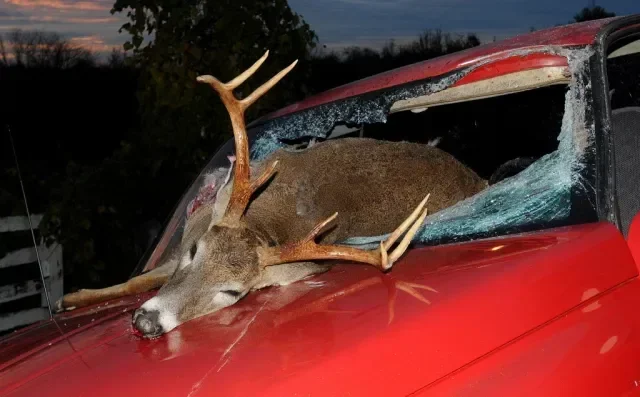
Hitting a deer can absolutely total your car, especially at high speeds or if the collision damages critical parts like the engine or frame. Understanding vehicle damage assessment, your insurance coverage, and the right steps to take after a deer accident can save you thousands of dollars and a lot of stress.
Key Takeaways
- Speed matters: Hitting a deer at high speeds is far more likely to result in a totaled vehicle than a low-speed strike.
- Comprehensive coverage is key: Most insurance policies cover deer strikes under comprehensive, not collision, coverage.
- Repair costs decide totals: If repair costs exceed your car’s actual cash value, the insurance company will declare it a total loss.
- Document everything: Photos, police reports, and detailed records strengthen your insurance claim significantly.
- Deer season increases risk: Most deer collisions happen between October and December, especially at dawn and dusk.
- Don’t swerve: Experts recommend braking firmly but staying in your lane to avoid worse accidents.
📑 Table of Contents
- Can Hitting a Deer Total Your Car? Heres What to Know
- How Hitting a Deer Can Total Your Car
- Factors That Determine if Your Car Is Totaled
- What to Do Immediately After Hitting a Deer
- Insurance Coverage and Filing a Claim
- Repair Costs and What to Expect
- How to Prevent Deer Collisions
- Expert Insights on Deer Collisions
- Key Takeaways
- Conclusion
Can Hitting a Deer Total Your Car? Heres What to Know
You’re driving down a dark country road. Suddenly, a deer leaps out right in front of your car. You hear a loud thud, and your heart is racing. Now youre asking yourself a question no driver wants to face: can hitting a deer total your car? The short answer is yes, it absolutely can. But the full answer depends on several important factors that we’re about to break down for you.
Hitting a deer is one of the most common and stressful animal collision experiences drivers face. Every year, there are over 1.5 million deer strikes reported in the United States alone. These incidents cause billions of dollars in vehicle damage and countless headaches for car owners. Whether your car ends up totaled depends on the speed, the angle of impact, where the damage occurs, and how much coverage you have.
In this article, we’ll walk you through everything you need to know. We’ll cover how deer collisions happen, what makes a car get declared a total loss, how insurance claims work, and what you can do to protect yourself. Whether you’ve already been in a deer accident or just want to be prepared, this guide has you covered.
How Hitting a Deer Can Total Your Car
Let’s start with the basics. When your car strikes a deer, the impact can be severe. A deer can weigh between 100 and 300 pounds. At highway speeds, that’s like hitting a heavy punching bag made of bone and muscle. The damage can range from a busted bumper to a completely destroyed engine. Understanding how the damage happens helps explain why some cars survive and others don’t.
The Force of Impact
The speed you’re traveling plays a huge role. At 30 mph, a deer strike might cause damage to your front bumper, headlights, and hood. Your car might still be driveable. But at 60 mph or higher, the impact can shatter your frame, crush the engine, and cause internal damage you can’t even see right away. Collision damage at high speeds often affects multiple systems at once.
Here’s what happens during a high-speed deer hitting incident:
- The front end crumples on impact, absorbing most of the force.
- The engine can get pushed backward into the firewall.
- The transmission and cooling system may suffer serious harm.
- If the deer goes through the windshield, the roof structure can be compromised.
- Suspension components, steering linkages, and brake lines often get damaged too.
All of this happens in a split second. And once multiple systems are damaged, the cost of auto repair skyrockets fast.
Where the Damage Hits
The angle of impact matters just as much as speed. A head-on deer collision concentrates all the force on the front of your vehicle. A glancing hit might just dent a fender and break a headlight. But a direct hit to the grille, radiator, or engine bay can cause catastrophic car wreck damage.
If the deer strikes the side of your car, the damage can be even worse. Side panels offer less protection. A deer hitting the driver’s side door can compromise the structural integrity of the entire vehicle. This is especially true for smaller cars and sedans that have less bulk to absorb the shock.
Factors That Determine if Your Car Is Totaled
Not every deer accident results in a totaled vehicle. Insurance companies use specific guidelines to decide if a car is a vehicle total loss. Understanding these factors can help you set realistic expectations and plan ahead.
Vehicle Value and Repair Costs
The biggest factor is simple math. Insurance companies compare the cost of repairs to your car’s actual cash value (ACV). If the repair bill exceeds a certain percentage of your car’s worth, they declare it totaled. That threshold varies by state and insurer, but it usually falls between 50% and 70% of the car’s value.
Let’s say your car is worth $12,000. If the damage repair estimate comes back at $8,000, most insurers will total it out. But if repairs cost $5,000, they’ll likely fix it instead. This is why the age, make, and model of your vehicle matter so much. A brand-new truck with expensive parts will have a different threshold than an older sedan.
Here’s a simple comparison table to illustrate this:
| Car Value | Repair Cost | Totaled? |
|---|---|---|
| $20,000 | $6,000 | No (30% of value) |
| $20,000 | $14,000 | Yes (70% of value) |
| $8,000 | $4,500 | Yes (56% of value) |
| $15,000 | $5,000 | No (33% of value) |
Insurance Company Assessment
After a deer strike, your insurance company will send out an adjuster to evaluate the damage. They’ll look at both the visible and hidden damage. Sometimes a car looks fine on the outside but has serious internal issues. Adjusters factor in labor costs, parts prices, and the age of existing components when making their decision.
Keep in mind that the insurance company’s goal is to pay what the car is worth, not what you wish it was worth. This can be frustrating, especially if you have strong feelings about your vehicle. But their assessment is based on data, market values, and repair estimates. Understanding this ahead of time helps manage expectations.
What to Do Immediately After Hitting a Deer
Panic is natural after a deer collision, but you need to stay calm and act quickly. The steps you take right after the incident can make a big difference in your safety, your insurance claim, and your overall outcome.
Safety First
Your first priority is your safety. Pull your car to the side of the road if possible. Turn on your hazard lights. If your car can’t move, stay inside and call for help. A road hazard like a downed deer in the road is dangerous for other drivers too.
Do not try to approach the deer. An injured animal can be unpredictable and dangerous. Instead, call your local animal control or wildlife agency. They’ll handle the situation safely and professionally.
Here’s a quick checklist for post-collision safety:
- Turn on hazard lights immediately.
- Move your car to a safe location if it’s still drivable.
- Check yourself and any passengers for injuries.
- Call 911 if there are injuries or the car is blocking traffic.
- Never approach the deer.
Document Everything
Once you’re safe, start documenting. Take photos of your vehicle from multiple angles. Capture the damage, the road conditions, and the position of the deer. These photos will be critical when you file your car insurance claim.
If there’s a police report filed, get a copy. Even though deer accidents aren’t always treated like standard traffic incidents, a police report adds credibility to your claim. Write down the time, location, weather conditions, and anything else you remember about the incident. Details matter more than you think.
Contact Your Insurance Company
Call your insurance provider as soon as possible. Most companies require you to report incidents within 24 to 72 hours. When you call, stick to the facts. Don’t speculate or guess about the damage. Let the adjuster handle the assessment. Providing clear, honest information speeds up the entire process.
Insurance Coverage and Filing a Claim
One of the biggest questions after a deer hitting incident is whether your insurance will cover the damage. The answer usually depends on the type of coverage you have. This is where many drivers get confused, so let’s clear things up.
Comprehensive Coverage vs. Collision Coverage
Comprehensive coverage typically covers deer strikes and other animal collisions. This type of insurance handles damage that isn’t caused by a wreck with another vehicle. Hitting a deer falls into this category because it’s considered a non-collision event. Think of it as damage from an external hazard, not a crash.
Collision coverage, on the other hand, covers accidents involving other vehicles or objects like guardrails. Some drivers mistakenly think collision coverage covers deer hits, but it usually doesn’t. This distinction is important. If you only have collision coverage and not comprehensive, you might be paying out of pocket for the entire repair.
Here’s a simple breakdown:
- Comprehensive coverage: Covers deer strikes, animal collisions, theft, vandalism, and weather damage.
- Collision coverage: Covers wrecks with other cars, fixed objects, and single-vehicle rollovers.
If you’re unsure about your coverage, check your policy or call your agent. It’s much better to find out now than after the damage is already done.
Understanding Your Deductible
Your insurance deductible is the amount you pay before your coverage kicks in. If your deductible is $500 and the repair costs $3,000, you’ll pay $500 and your insurer covers the rest. But if the car gets totaled, they’ll pay the actual cash value minus your deductible.
Choosing the right deductible is a balancing act. A higher deductible means lower monthly payments, but more out-of-pocket costs when you file a claim. A lower deductible means higher premiums but less risk at claim time. Consider your financial situation and how much risk you’re comfortable with.
Common Insurance Mistakes to Avoid
After a deer accident, drivers often make mistakes that hurt their claims. Avoid these common pitfalls:
- Waiting too long to report the incident.
- Admitting fault or apologizing at the scene.
- Signing documents from the adjuster without reading them carefully.
- Accepting the first settlement offer without reviewing it.
- Not keeping copies of all receipts and documentation.
Being aware of these mistakes puts you in a stronger position. Take your time, ask questions, and don’t rush any decisions.
Repair Costs and What to Expect
If your car isn’t totaled, you’re facing repairs. The cost of damage repair after a deer strike can vary wildly. Let’s look at what you might expect and when repairs might not be worth it.
Average Repair Costs After a Deer Strike
Repair costs depend on the severity of the impact and the type of vehicle you drive. Here are some rough estimates:
- Minor damage (dented fender, broken headlight): $500 to $1,500.
- Moderate damage (crushed bumper, cracked radiator, hood damage): $2,000 to $4,000.
- Severe damage (engine issues, frame damage, suspension problems): $5,000 to $10,000+.
- Catastrophic damage (totaled vehicle): Repair costs exceed the car’s value.
These numbers can go higher depending on luxury features, specialized parts, and labor rates in your area. European cars and trucks with complex systems often cost more to fix than basic economy vehicles. This is why a vehicle damage assessment is so important before committing to repairs.
When Repair Isn’t Worth It
Sometimes the numbers just don’t work. If your car is worth $7,000 and the repair estimate is $6,500, you’re better off letting the insurance company total it. You’d be putting almost all of the car’s value into fixes that won’t add resale value. It’s a hard pill to swallow, especially if you love the vehicle, but it makes financial sense.
Here are signs that repairs might not be worth pursuing:
- The repair estimate exceeds 50% of your car’s value.
- The damage affects the frame or structural components.
- You have older model years with declining market value.
- The car already had pre-existing mechanical issues.
- Repair timelines are long and you need a vehicle now.
In these situations, accept the total loss payout and start shopping for your next vehicle. It’s not giving up, it’s being smart with your money.
How to Prevent Deer Collisions
Prevention is always better than dealing with the aftermath of a car wreck. Deer collisions are largely preventable if you know what to watch for and how to react. Let’s talk about practical ways to reduce your risk.
Tips for Driving During Deer Season
Deer season typically peaks between October and December. During these months, deer are more active and less predictable. They tend to travel in groups, so if you see one, there are likely others nearby. Here are some tips to stay safe:
- Slow down in areas with high deer activity. Watch for warning signs on the road.
- Stay alert during dawn and dusk. These are peak feeding times for deer.
- Use high beams on dark roads when no other cars are around. This helps you spot deer earlier.
- Watch for deer crossing signs. They’re placed there for a reason.
- Don’t rely on deer whistles or reflectors alone. They help, but they’re not foolproof.
Being extra cautious during deer season can literally save your life and your car. These few minutes of extra attention pay off big time.
Safety Precautions on the Road
Beyond seasonal awareness, there are general driving habits that help reduce your risk of any animal collision:
- Keep a safe following distance. This gives you more reaction time.
- Stay focused and avoid distractions like your phone.
- Scan the roadsides constantly, especially in rural areas.
- Don’t drive aggressively or speed in unfamiliar areas.
- Make sure your headlights and taillights are working properly.
These safety precautions apply year-round. Deer aren’t the only wildlife hazard. You might also encounter elk, moose, bears, or smaller animals. Good driving habits protect against all of them.
What to Do If You See a Deer on the Road
If a deer appears in front of your car, the best response is to brake firmly and stay in your lane. Do not swerve wildly. Swerving can cause you to lose control, hit another vehicle, or crash into a tree. A direct deer strike is usually less dangerous than a loss-of-control deer accident.
Honking your horn can also help. Sometimes it startles the deer and causes it to move out of the way. But don’t count on it. Your primary goal is to slow down as much as possible while maintaining control of your vehicle.
Expert Insights on Deer Collisions
We talked to traffic safety experts and insurance professionals to get their take on hitting a deer total your car situations. Here’s what they want you to know:
Insurance adjusters say that comprehensive claims for deer strikes are among the most common claims they handle. They advise drivers to always document the scene thoroughly and never delay reporting. The faster you act, the smoother the process goes.
Traffic safety experts emphasize that most fatal single-vehicle crashes involve animals. They stress the importance of defensive driving, especially in rural and wooded areas. Staying alert and keeping your speed manageable gives you the best chance of avoiding a collision altogether.
Mechanics who specialize in auto repair after animal collisions say that front-end damage is the most common issue they see. They recommend getting a full inspection after any deer strike, even if the car seems fine on the surface. Hidden damage to the cooling system, suspension, or transmission can show up weeks later if not caught early.
Key Takeaways
- Hitting a deer can total your car depending on speed, impact angle, and vehicle type.
- Comprehensive coverage is the type of insurance that covers deer strikes, not collision coverage.
- Document the scene thoroughly with photos, police reports, and detailed notes.
- Repair costs determine whether your car gets totaled, based on its actual cash value.
- Braking firmly and staying in your lane is the safest response to a deer on the road.
- Deer season runs roughly October through December, with peak activity at dawn and dusk.
- Always get a full vehicle inspection after a deer strike to catch hidden damage early.
Conclusion
So can hitting a deer total your car? The answer is a definite yes. Whether it happens or not depends on a mix of speed, impact location, vehicle type, and insurance coverage. But now you know what factors come into play, what your insurance covers, and what steps to take after the incident.
Knowledge is your best defense. Understanding vehicle damage assessment, car insurance claim processes, and safety precautions puts you ahead of most drivers. You don’t have to fear the road, but you should respect it and stay alert, especially during deer season.
Take the time to review your insurance policy today. Make sure you have comprehensive coverage. Know your deductible. Keep your documentation organized. And when you’re driving, especially at night in rural areas, slow down and stay focused. These small steps can save you from a major headache down the road.
Stay safe out there, and don’t let the fear of a deer collision keep you from enjoying the drive. Just be prepared, stay aware, and drive smart.
Frequently Asked Questions
Does insurance cover hitting a deer?
Yes, in most cases. Hitting a deer is typically covered under comprehensive coverage, not collision coverage. This type of policy handles non-collision events like animal strikes, theft, and weather damage. Check your specific policy to confirm your coverage level and deductible.
How do I know if my car is totaled after hitting a deer?
Your insurance company will assess the vehicle damage assessment and compare repair costs to your car’s actual cash value. If the repair estimate exceeds a certain percentage of the car’s worth, usually between 50% and 70%, the insurer will declare it a total loss. You can also request your own independent evaluation for comparison.
What should I do right after hitting a deer?
First, ensure your safety by pulling over and turning on hazard lights. Do not approach the deer. Call 911 if there are injuries or your car is blocking traffic. Document the scene with photos, get a police report, and contact your insurance company within 24 to 72 hours. These steps protect you legally and financially.
Are deer accidents covered under liability insurance?
No, liability insurance covers damage you cause to other people or property. It does not cover damage to your own vehicle from a deer strike. You need comprehensive coverage for that. If you only carry liability, you’ll likely pay for repairs out of pocket.
What time of year do most deer collisions happen?
Most deer collisions occur during deer season, which peaks between October and December. This is the rutting and mating season when deer are more active and less predictable. Dawn and dusk are the highest-risk times. Staying alert during these months can significantly reduce your risk.
Can I file a claim if my car is damaged but still drivable after hitting a deer?
Absolutely. Even if your car is still drivable, you should file a car insurance claim if you have comprehensive coverage. Hidden damage to the suspension, cooling system, or frame may not be immediately obvious. Getting a professional inspection and documenting the claim early protects your financial interests.