Does Car Insurance Cover Turo Rental Cars and More
Many drivers wonder if their car insurance covers Turo rentals. The answer depends on your policy type, your insurer, and whether you are renting or hosting. Turo offers its own protection plans, but they may not replace your personal auto coverage entirely. Understanding the details helps you avoid unexpected costs and coverage gaps.
Turo has changed the way people rent cars. Instead of going to a traditional rental agency, you can book a vehicle directly from a private owner. It is convenient, often cheaper, and gives you access to unique vehicles. But one question keeps coming up: does car insurance cover Turo? The short answer is: it depends. Your personal auto policy may or may not extend to Turo rentals. Turo also offers its own protection plans. And if you are hosting cars on the platform, your coverage needs look entirely different.
Whether you are planning a weekend trip or thinking about listing your car as a host, understanding insurance is critical. A wrong assumption can lead to expensive surprises. This guide breaks down everything you need to know about Turo and insurance. We will cover personal policies, Turo protection plans, what happens when you rent, and how to avoid coverage gaps.
Key Takeaways
- Personal auto policies vary widely in whether they extend to Turo rentals.
- Turo provides three protection plans that offer different levels of coverage.
- Rental coverage is not automatic — you must check with your insurer before booking.
- Hosting on Turo requires separate consideration of your liability and physical damage coverage.
- Gaps in coverage can lead to out-of-pocket expenses if an accident occurs.
- Non-owner car insurance may be a good option for frequent Turo renters.
- Reading the fine print on both your policy and Turo terms is essential.
📑 Table of Contents
What Is Turo and How Does It Work?
Turo is a peer-to-peer car rental platform. Think of it as Airbnb for cars. Vehicle owners list their cars on the platform. Renters browse listings, pick a car, and book it for a set period. The process is simple. You choose your dates, select a vehicle, and confirm the reservation. Turo handles the payment and connects the renter with the owner.
Turo offers vehicles across many categories. You can find economy cars, SUVs, luxury rides, and even specialty vehicles. Prices vary based on the car type, location, and rental duration. The platform also provides different delivery options. You can pick up the car from the owner, or in some areas, Turo delivers the vehicle to you.
How Turo Differs from Traditional Rentals
Traditional rental companies like Enterprise or Hertz have their own insurance products. They offer collision damage waivers and liability coverage at the counter. Turo works differently. The owner’s personal auto insurance is usually the primary policy. Turo steps in with its own protection plans as a secondary layer. This setup can be confusing for renters who are used to the traditional rental model.
Another key difference is the vehicle variety. A traditional rental fleet is limited. Turo offers personal vehicles that may not be available anywhere else. This is a big draw for many users. But it also means insurance terms vary from one listing to the next.
Does Your Personal Car Insurance Cover Turo?
This is the question most renters want answered. The truth is, there is no single answer. It depends on your insurance company, your policy type, and the state you live in. Some personal auto policies cover rental cars, including Turo. Others explicitly exclude peer-to-peer rentals.
What Most Personal Auto Policies Cover
Most standard personal auto insurance policies include three main types of coverage. Liability coverage pays for damage you cause to others. Collision coverage pays for damage to your rental car. Comprehensive coverage handles non-collision events like theft or weather damage. If your policy includes all three, there is a good chance it extends to Turo rentals.
However, not all insurers treat Turo the same way. Some classify Turo rentals as commercial use. If your insurer sees it that way, your personal policy may not apply. This is a common issue. Renters assume they are covered, file a claim, and get denied. That is a frustrating and costly situation.
When Your Policy Might Not Apply
There are a few situations where your personal auto policy may not cover a Turo rental. If you are renting a car frequently, insurers may view that as a business use. Some policies exclude any car rented through a peer-to-peer platform. Other policies require you to notify your insurer before renting. If you do not, they may deny the claim.
Also, if you are renting a high-value or luxury car on Turo, your standard policy may not cover it. The vehicle value may exceed your policy limits. In that case, you would be responsible for the difference out of pocket. This is why checking with your insurer before booking is so important.
How to Check with Your Insurer
Call your insurance provider and ask directly. Say you plan to rent a car through Turo. Ask if your policy extends to peer-to-peer rentals. Request written confirmation if possible. Keep that documentation with you during your rental period. It can save you a lot of trouble if an issue arises.
Turo’s Built-In Protection Plans
Turo offers its own insurance options for both renters and hosts. These plans are designed to fill gaps in personal auto coverage. Understanding what Turo provides is key to making an informed decision.
The Three Turo Protection Plans
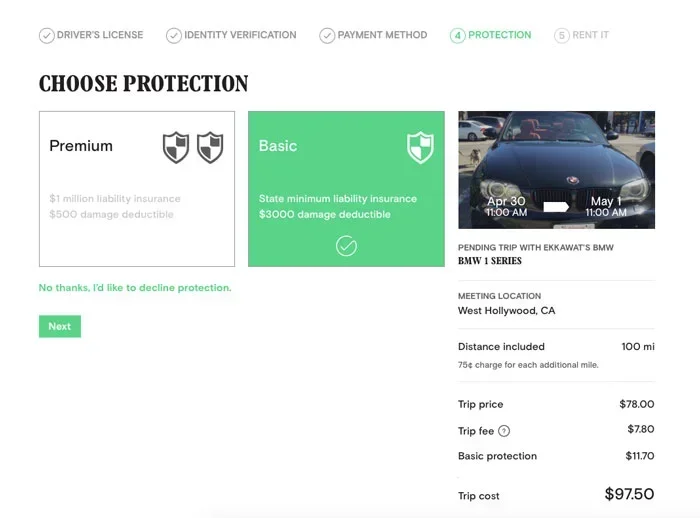
Turo offers three main protection options for renters. The first is Turo Standard Protection. It provides basic coverage with a deductible. The second is Turo Enhanced Protection. It offers lower deductibles and broader coverage. The third is Turo Premium Protection. It provides the most comprehensive coverage with minimal out-of-pocket costs.
Each plan covers different scenarios. Standard Protection may cover liability and collision damage but with a higher deductible. Enhanced Protection lowers the deductible and adds more coverage types. Premium Protection gives you the most peace of mind with the least financial risk at the time of a claim.
What Turo Protection Covers
Turo protection plans typically cover physical damage to the rental vehicle. They also include liability coverage for injuries or property damage you cause. Some plans extend to theft coverage. However, Turo plans do not cover everything. They may exclude certain vehicle types or high-value cars. They also do not replace the need for a personal auto policy in most cases.
It is important to read the terms carefully. Each plan has limits and exclusions. For example, some plans do not cover damage caused by driving under the influence. Others exclude off-road use. Knowing what is and is not covered helps you make the right choice.
Turo Protection for Hosts
If you are a host, Turo provides a different set of protections. Turo offers a host guarantee that covers physical damage to your vehicle. This is not a full insurance policy. It is a protection program with specific terms and limits. Hosts should still maintain their own commercial or personal auto policy.
Some hosts find that their personal policy does not cover Turo activity. In that case, they may need to add a rider or purchase a separate policy. Turo’s host protection can help fill that gap, but it should not be the only layer of coverage.
What Happens When You Rent a Car on Turo?
When you book a car on Turo, the insurance situation starts before you even pick up the keys. Turo requires renters to have a valid driver’s license and a major credit card. During the booking process, you are presented with Turo’s protection plan options. You can choose to add one of the plans or rely on your personal insurance.
The Rental Process and Insurance
At pickup, you will review the vehicle condition with the owner. Turo provides a damage report. You should photograph the car thoroughly before driving off. This documentation is invaluable if a claim is ever needed. It establishes a clear record of the vehicle’s condition at the start of your rental.
If an accident occurs during the rental, the process depends on your coverage choice. If you purchased a Turo protection plan, you contact Turo to file a claim. If you are relying on your personal auto policy, you contact your insurer. In either case, report the incident as soon as possible. Delays can complicate the claims process.
What to Do After an Accident on Turo
First, ensure everyone is safe. Call emergency services if needed. Next, document the scene. Take photos of all vehicles involved and any visible damage. Exchange information with the other parties. Then, notify Turo through the app. Finally, contact your insurance company or file a claim with Turo, depending on your coverage.
Keep all receipts and documentation related to the incident. This includes repair estimates, medical bills, and police reports. The more information you have, the smoother the claims process will be. Also, if the rental car is undrivable, you may need to arrange alternative transportation. Some Turo protection plans include rental car reimbursement, but check the terms.
Can You Drive a Totaled Car?
If a Turo rental is totaled in an accident, the insurance process can get complicated. Your personal auto policy or Turo protection plan will determine the outcome. If the car is a total loss, Turo may pursue a claim against the owner’s policy or your Turo protection plan. Renters should understand that they may still be responsible for the deductible or any amount above the coverage limit. For more details on total loss scenarios, you can explore whether you can drive a totaled car.
Common Gaps in Turo Insurance Coverage
Even with the best coverage, gaps can exist. Understanding these gaps helps you plan ahead and avoid surprises.
Exclusions to Watch For
Most insurance policies, whether personal or Turo’s, have exclusions. Common exclusions include driving under the influence, using the vehicle for illegal purposes, and off-road driving. Some policies also exclude wear and tear or mechanical breakdowns. These exclusions can leave you paying for repairs yourself.
Another common gap is the deductible. Even with full coverage, you may owe a deductible before insurance kicks in. Turo protection plans have deductibles that range from a few hundred to over a thousand dollars. Make sure you understand the deductible amount before choosing a plan.
Commercial Use Exclusions
Some personal auto policies exclude commercial use. If your insurer considers Turo rentals to be commercial activity, your coverage may not apply. This is a major gap that many renters do not anticipate. If you rent cars frequently through Turo, you may need a commercial or non-owner auto policy.
Non-owner car insurance is designed for people who do not own a vehicle but regularly rent or borrow cars. It provides liability coverage and can supplement Turo’s protection plans. This type of policy is worth considering if you use Turo often. It fills the gap that personal auto policies sometimes leave.
High-Value Vehicle Gaps
Turo listings include high-end and luxury vehicles. Standard personal auto policies may not cover vehicles above a certain value. If you rent a luxury car on Turo, verify that your coverage extends to it. Otherwise, you could face a massive bill if the vehicle is damaged or stolen.
Tips to Stay Fully Protected on Turo
Staying protected on Turo is straightforward if you follow a few key steps. These tips help you avoid common pitfalls and ensure you have the right coverage in place.
Before You Book
- Check your personal auto policy for Turo or rental car coverage.
- Contact your insurer and get written confirmation of your coverage.
- Review Turo’s protection plans and compare them to your personal policy.
- Photograph the vehicle thoroughly at pickup and document any existing damage.
During Your Rental
- Drive safely and follow all traffic laws.
- Avoid exclusions like off-road driving or driving under the influence.
- Keep all documentation including the rental agreement and damage report.
- Report any issues to Turo and your insurer immediately.
For Frequent Renters
If you rent cars on Turo regularly, consider purchasing non-owner car insurance. This policy provides consistent liability coverage regardless of the vehicle you are driving. It works well alongside Turo’s protection plans. It also gives you peace of mind knowing you are covered in any rental situation. For frequent renters, this is one of the smartest moves you can make.
Also, if you are a Turo host, make sure your policy covers commercial use. Some insurers offer specific rideshare or hosting endorsements. These endorsements are designed for people who rent out their personal vehicles. They fill the gap that standard personal auto policies leave. If you are exploring rental car options and wondering about costs, you might also check whether you can rent a car with cash.
Another helpful tip is to understand the E-ZPass situation if you are renting in certain states. Some Turo rentals include toll passes, and knowing how they work can prevent unexpected charges. You can learn more about using E-ZPass in rental cars.
Conclusion
So, does car insurance cover Turo? The answer is not a simple yes or no. It depends on your personal auto policy, the Turo protection plan you choose, and the specific circumstances of your rental. Personal auto policies sometimes extend to Turo, but not always. Turo’s protection plans offer a valuable safety net, but they come with limits and deductibles.
The best approach is to be proactive. Check your coverage before you book. Understand the Turo protection options. Know what your policy does and does not cover. A little preparation goes a long way in protecting yourself from unexpected costs.
Whether you are renting a car for a weekend getaway or hosting your own vehicle on Turo, insurance clarity is essential. Take the time to review your options. Ask questions. Get confirmation in writing. That way, you can enjoy the Turo experience with confidence and peace of mind.
Frequently Asked Questions
Is Turo insurance the same as rental car insurance from a traditional agency?
No, Turo insurance works differently. Traditional agencies offer their own coverage at the counter. Turo relies on a combination of the owner’s personal auto policy and Turo’s own protection plans. The coverage structure is more complex, and terms vary by plan and vehicle.
Can I use my personal auto insurance instead of Turo’s protection plan?
Yes, if your personal auto policy extends to Turo rentals. However, you must confirm this with your insurer before booking. Some policies exclude peer-to-peer rentals entirely, so it is important to verify coverage in advance.
What happens if I decline Turo protection and cause damage to the rental car?
If you decline Turo protection and do not have personal coverage that applies, you may be fully responsible for repair costs. Turo can charge your credit card for the damage. This is why understanding your coverage options before booking is so critical.
Do I need special insurance to host my car on Turo?
Hosting on Turo may require additional coverage beyond a standard personal auto policy. Some insurers classify hosting as commercial use. You may need a commercial policy or an endorsement to ensure you are fully protected as a host.
Does Turo protection cover theft of the rental car?
Turo protection plans may include theft coverage, but it depends on the plan you choose. Premium and Enhanced Protection typically include theft coverage. Standard Protection may have limited or no theft coverage. Always review the plan details before renting.
Can non-owner car insurance cover a Turo rental?
Non-owner car insurance provides liability coverage for renters who do not own a vehicle. It can supplement Turo’s protection plans and fill gaps left by personal auto policies. It is a great option for frequent Turo renters who want consistent coverage.