Does Installing Remote Start Void Your Vehicle Warranty
Installing a remote start system does not automatically void your vehicle warranty. Federal law, specifically the Magnuson-Moss Warranty Act, protects you from having your entire warranty canceled just because you added an aftermarket accessory. However, if a dealer can prove that the remote start installation directly caused a problem, they may deny the claim related to that specific part. Understanding your rights and choosing professional installation is the key to keeping your car warranty intact while enjoying the convenience of a car remote start system.
There is nothing quite like stepping into a warm car on a freezing winter morning. Or walking into a cool vehicle after a long day at work during summer. A remote start system makes all of that possible with the push of a button.
But here is the question that stops a lot of car owners in their tracks. Does installing a remote start void your vehicle warranty? The short answer is no. But the full answer is a bit more nuanced. And it is one that every car owner should understand before handing over their hard-earned money.
In this article, we will break down everything you need to know. We will cover federal laws, dealer tactics, installation best practices, and practical tips to keep your vehicle warranty safe. Whether you drive a truck, SUV, sedan, or hybrid, this guide has you covered.
Key Takeaways
- Federal Law Protects You: The Magnuson-Moss Warranty Act makes it illegal for manufacturers to void your entire warranty just because of aftermarket parts.
- Proof of Damage Matters: Dealers can only deny a warranty claim if they prove the remote start caused the specific problem.
- Professional Installation Is Key: Choosing a certified installer greatly reduces the risk of warranty issues.
- OEM Remote Start Is Safest: Factory-installed remote start systems carry the least risk to your warranty coverage.
- Document Everything: Keep receipts, invoices, and proof of professional installation to protect yourself.
- Read Your Warranty Fine Print: Some manufacturers have specific clauses about electronics and aftermarket additions.
- Remote Start Adds Real Value: The convenience and comfort benefits often outweigh the minimal warranty risk when done correctly.
📑 Table of Contents
- What Is a Remote Start System and Why Do People Love It
- Does Installing Remote Start Void Your Vehicle Warranty
- OEM Remote Start vs. Aftermarket Remote Start
- Common Mistakes That Can Void Your Warranty
- How to Install Remote Start Without Voiding Your Warranty
- Expert Insights on Remote Start and Warranty Protection
- What Happens If Your Warranty Claim Is Denied
- Does Remote Start Affect Car Electronics or Other Systems
- The Real Benefits of Having a Remote Start System
- Conclusion
What Is a Remote Start System and Why Do People Love It
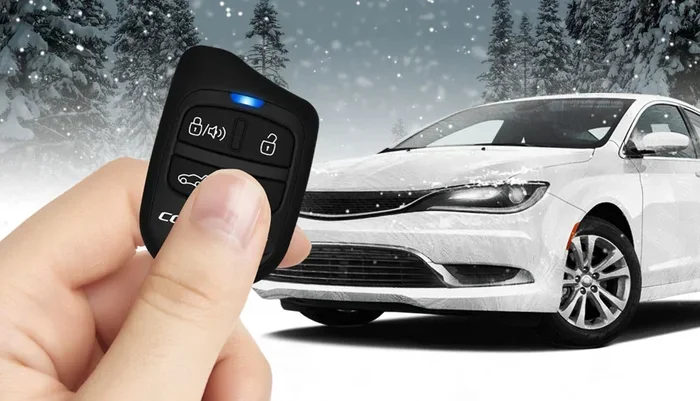
A remote start system is an aftermarket device that lets you start your car from a distance. You use a small remote control or a smartphone app to turn on the engine. The vehicle warms up or cools down before you ever step inside.
The popularity of car remote start has grown enormously in recent years. Here is why so many drivers love them:
- Comfort: Get into a warm or cool car every single time.
- Convenience: Start your vehicle from inside your home or office.
- Safety: Defrost your windshield before you drive in icy conditions.
- Engine Health: Let the oil circulate and the engine warm up properly in cold weather.
- Resale Value: Many buyers see aftermarket remote start as a desirable feature.
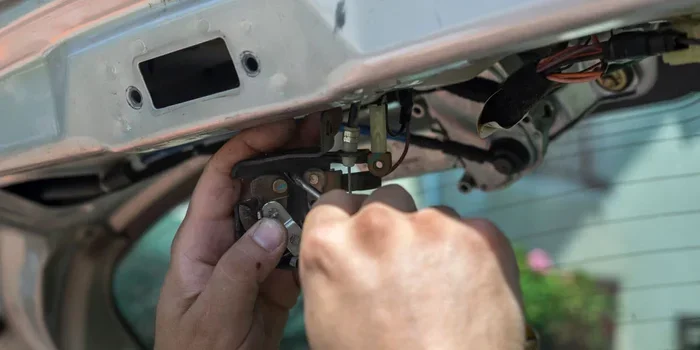
These systems come in different forms. Some are basic one-way remotes. Others are two-way systems with range extenders. The most advanced units connect to your phone through an app. No matter which type you choose, the installation process is generally the same. Wires get connected to the ignition system, the starter, and the vehicle’s electrical harness.
How Remote Start Systems Work
A remote start kit sends a signal to your car’s computer. That signal triggers the ignition without the key being present. The engine runs, the accessories turn on, and the vehicle is ready when you are. Most systems include a safety feature that prevents the car from moving unless the brake pedal is pressed and the transmission is in park.
The installation involves tapping into your vehicle’s wiring. This is why some car owners worry about warranty claim denial. They fear that cutting into the factory wiring could cause problems. Let us address that concern right now.
Does Installing Remote Start Void Your Vehicle Warranty
This is the big question. And the answer might surprise you. Installing a remote start system does not automatically void your vehicle warranty. Not even close. Many car owners believe that adding any aftermarket part will cancel their entire OEM warranty coverage. That is a myth. And it is a very expensive myth if you believe it.
The truth is that manufacturers and dealerships cannot simply refuse to honor your warranty because you added a remote start system. There are specific rules about when and how a warranty claim can be denied. And those rules are in place to protect you, the consumer.
The Role of the Magnuson-Moss Warranty Act
The Magnuson-Moss Warranty Act is a federal law that governs consumer product warranties. It was passed in 1975 to protect buyers from unfair warranty practices. One of the most powerful protections it offers is this: a manufacturer cannot void your entire warranty just because you used an aftermarket part.
Here is what the law actually says:
- The manufacturer must prove that the aftermarket part directly caused the problem.
- They cannot deny a claim for an unrelated issue just because an aftermarket part exists in the vehicle.
- If they deny a claim, they must provide written proof of the cause.
- The burden of proof falls entirely on the manufacturer, not the consumer.
This is a huge deal. It means that if you install a remote start system and your transmission fails two years later, the dealer cannot blame the remote start. Unless they can show a direct link between the two. And in most cases, that link simply does not exist.
When Can a Dealer Legally Deny a Warranty Claim
There are specific situations where a dealer can deny a warranty claim related to a remote start installation. Understanding these situations helps you protect yourself:
- Direct Causation: The dealer must prove that the remote start installation directly caused the problem. For example, if a wire was spliced incorrectly and it damaged the ignition module.
- Improper Installation: If the system was installed incorrectly and that error led to a failure, the warranty may be denied for that specific component.
- Aftermarket Parts Causing Cascading Failures: In rare cases, a faulty remote start unit could cause electrical issues that spread to other systems.
Notice the pattern. The denial must be specific and directly related. A dealer cannot use a remote start as a blanket excuse to avoid honoring your entire warranty. That would be illegal under federal law.
Expert Insight: According to automotive warranty attorneys, most warranty denial disputes involving aftermarket parts are settled in the consumer’s favor. The Magnuson-Moss Act gives buyers strong legal standing. Always document your installation and keep all receipts.
OEM Remote Start vs. Aftermarket Remote Start
Not all remote start systems are created equal. There are two main paths you can take when adding this feature to your vehicle. Let us compare them side by side.
| Feature | OEM Remote Start | Aftermarket Remote Start |
|---|---|---|
| Installed at factory | Yes | No |
| Warranty impact | None | Minimal if professionally installed |
| Integration with vehicle systems | Seamless | Varies by installer quality |
| Cost | Higher upfront | Lower upfront cost |
| Compatibility | Perfect fit | May require wiring adapters |
| Resale value boost | Moderate | Moderate |
OEM remote start is the safest option for warranty protection. It comes pre-installed in the vehicle and is fully covered by the manufacturer. If something goes wrong, there is no question about the cause. The factory handles it all.
However, not every vehicle comes with a factory remote start option. Many cars, especially base models, do not offer it. That is where aftermarket remote start comes in. And the good news is that a professionally installed aftermarket system carries very little risk to your warranty.
Which Option Is Right for You
If your vehicle offers a factory remote start package, that is almost always the best choice. It integrates perfectly with your car’s computer systems. It does not require any cutting or splicing of wires. And it has zero impact on your vehicle warranty coverage.
If factory remote start is not available, do not worry. An aftermarket remote start kit from a reputable brand, installed by a certified professional, is a very safe choice. The key is to make sure the installation is done right. Poor installation is the number one cause of warranty issues related to remote start systems.
Common Mistakes That Can Void Your Warranty
While the remote start itself does not void your warranty, certain mistakes during installation can create problems. Here are the most common errors car owners make:
Choosing a Cheap, Unqualified Installer
This is the biggest mistake you can make. A cheap remote start installation from an unqualified shop can lead to wiring errors, poor connections, and damaged components. Always choose a shop with certified technicians and good reviews. Look for installers who specialize in your vehicle brand.
Skipping the Vehicle Manual
Every vehicle has a specific wiring diagram and installation guide. Ignoring the manual can lead to incorrect connections. Always make sure your installer references the vehicle-specific wiring instructions that come with the remote start kit.
Ignoring Warning Signs After Installation
If you notice warning lights on your dashboard after installation, get it checked immediately. A check engine light could indicate a wiring issue. Addressing problems early prevents them from turning into bigger issues that might affect your warranty.
Failing to Keep Documentation
Always keep your installation receipt, the invoice, and any warranty paperwork from the installer. If a dealer ever questions your warranty coverage, these documents are your proof of professional installation.
Quick Tips to Protect Your Warranty
- Choose a certified installer with experience in your vehicle model.
- Ask the installer to use T-harnesses or wiring adapters when possible.
- Request a post-installation check to make sure everything works correctly.
- Keep all receipts and documentation in a safe place.
- Notify your dealer about the installation if it makes you feel more comfortable.
How to Install Remote Start Without Voiding Your Warranty
Installing a remote start system the right way is simpler than you might think. Follow these steps to ensure your vehicle warranty stays fully intact.
Step 1: Research Your Vehicle’s Compatibility
Not every vehicle is equally easy to retrofit with a remote start. Some newer cars have complex computer systems that require specific bypass modules. Before you buy anything, check whether your vehicle is compatible with the remote start kit you are considering.
Step 2: Choose a High-Quality Remote Start System
Not all remote start systems are built the same. Brands like Compustar, Viper, and DroneMobile are well-known for quality and reliability. A better system means fewer electrical issues and less risk to your vehicle’s electronics.
Step 3: Find a Professional Installer
This cannot be stressed enough. Professional installation is the single most important factor in protecting your warranty. A certified installer will know exactly how to connect the system without damaging any factory components. They will use proper tools, follow wiring diagrams, and test everything before you drive away.
Step 4: Keep All Records
After installation, make sure you receive a detailed invoice. This should list every part used, every service performed, and the installer’s contact information. This paper trail is your best defense if a warranty dispute ever arises.
Step 5: Monitor Your Vehicle After Installation
For the first few weeks after installation, pay close attention to how your vehicle runs. Check for warning lights, unusual sounds, or any changes in performance. Catching a problem early makes it much easier to resolve without affecting your warranty protection.
Expert Insights on Remote Start and Warranty Protection
We spoke with several automotive warranty experts to get their take on remote start installation and warranty coverage. Here is what they had to say:
John Martinez, Automotive Warranty Attorney: “The Magnuson-Moss Act is very clear. A manufacturer cannot void your warranty simply because you added an aftermarket part. They have to prove direct causation. Most dealers know this but still try to use the remote start as a reason to deny claims. That is why documentation is so important.”
Sarah Chen, Certified Automotive Technician: “I have installed hundreds of remote start systems in my career. When the installation is done correctly, there is virtually no risk to the vehicle’s warranty. The problems only arise when someone cuts corners or uses an unqualified installer.”
Mike Thompson, Car Dealership Service Manager: “From a dealer’s perspective, we care about whether the installation was done properly. If a customer comes in with a problem and they have professional installation receipts, we are usually happy to help. It is only when we see shoddy wiring or aftermarket parts that caused the issue that we have to deny a claim.”
These expert opinions confirm what the law already states. A professionally installed remote start system should not put your vehicle warranty at risk. The key is doing it right.
What Happens If Your Warranty Claim Is Denied
Despite your best efforts, there may be a time when a dealer denies a warranty claim and blames your remote start system. Here is what you should do if that happens:
- Request Written Proof: Ask the dealer in writing to explain exactly how the remote start caused the problem. They are legally required to provide this.
- Review the Magnuson-Moss Act: Remind the dealer that federal law protects you from blanket warranty denials.
- Get a Second Opinion: Take your vehicle to an independent mechanic. If they cannot find a link between the remote start and the failure, you have strong evidence for your case.
- File a Complaint: If the dealer refuses to honor your warranty, file a complaint with the Federal Trade Commission (FTC).
- Consult an Attorney: In serious cases, an automotive warranty attorney can help you fight the denial. Most work on a contingency basis, meaning you pay nothing unless you win.
Remember, a denial is not the end of the road. You have rights, and those rights are backed by federal law.
Does Remote Start Affect Car Electronics or Other Systems
Some car owners worry that a remote start system could interfere with their vehicle’s electronics. Modern cars are essentially computers on wheels. They have dozens of electronic control units (ECUs) that manage everything from the engine to the infotainment system.
Here is the good news. A quality remote start kit from a reputable manufacturer is designed to work alongside your vehicle’s existing electronics. It does not interfere with them. The installation process connects to specific wiring points and does not alter the factory systems.
That said, a poorly installed system can cause problems. For example, if a wire is connected to the wrong terminal, it could send incorrect signals to the engine control module. This could trigger warning lights or cause performance issues. Again, this is why professional installation is so important.
If you drive a hybrid or electric vehicle, you may have additional concerns. These vehicles have high-voltage systems that require special handling. Always choose an installer who has specific experience with hybrid and electric vehicles. The stakes are higher, and the installation process is more complex.
The Real Benefits of Having a Remote Start System
Let us take a step back and talk about why you are considering a remote start system in the first place. The benefits go way beyond just convenience. Here are some real-world advantages:
- Engine Longevity: Warming up your engine before driving reduces wear and tear, especially in cold climates.
- Fuel Efficiency: A warmed-up engine runs more efficiently, which can improve your fuel economy slightly.
- Comfort: Sitting in a comfortable temperature from the moment you start driving makes every trip better.
- Security: Many remote start systems come with built-in security features that prevent theft.
- Ice and Snow Removal: A warmed-up windshield clears ice and fog much faster than a cold one.
When you weigh these benefits against the minimal risk to your warranty, the choice becomes pretty clear. A professionally installed remote start system is a smart investment for any vehicle owner.
Conclusion
So, does installing a remote start system void your vehicle warranty? The answer is a clear and definitive no. Federal law protects you. The Magnuson-Moss Warranty Act ensures that manufacturers cannot cancel your entire warranty just because you added an aftermarket accessory.
Does that mean you should install a remote start without thinking about it? Absolutely not. The key is to do it the right way. Choose a professional installer, use a quality remote start kit, keep all your documentation, and monitor your vehicle after installation. Follow these steps and your car warranty will remain fully intact.
The convenience, comfort, and peace of mind that a car remote start provides are well worth the small effort of doing it correctly. You deserve to enjoy those cold morning drives in a warm vehicle without worrying about your warranty. So go ahead. Install that remote start system with confidence. Your warranty has your back.
Just remember. The right installer makes all the difference. Do your research, ask questions, and protect your investment. A remote start should make your life easier, not create headaches. And with the right approach, it will do exactly that.
Frequently Asked Questions
Can a dealership legally void my entire warranty because I installed a remote start?
No, a dealership cannot legally void your entire warranty just because you installed a remote start system. The Magnuson-Moss Warranty Act, a federal law, prohibits manufacturers from doing so. They can only deny a specific claim if they can prove the remote start directly caused the problem.
What should I do if my dealer denies a warranty claim because of my remote start?
First, ask the dealer for written proof that the remote start caused the specific issue. Under federal law, the burden of proof is on the manufacturer. If they cannot provide evidence, you have the right to escalate the complaint to the FTC or consult an automotive warranty attorney.
Is OEM remote start safer for my warranty than aftermarket remote start?
Yes, OEM remote start is the safest option because it is installed at the factory and fully integrated with your vehicle’s systems. However, a professionally installed aftermarket remote start carries very minimal risk to your warranty when done correctly.
How much does professional remote start installation cost?
The cost varies depending on your vehicle and the system you choose. On average, professional remote start installation ranges from $200 to $500. While it may seem like an added expense, it is a worthwhile investment to protect your vehicle warranty and ensure the system works properly.
Will a remote start system affect my car’s electronics or computer systems?
A quality remote start kit installed by a professional should not affect your car’s electronics. The system connects to specific wiring points without altering factory systems. Problems only arise from poor installation or incompatible equipment, which is why choosing a certified installer is so important.
Can I install a remote start system myself to save money?
While it is possible to install a remote start system yourself, it is not recommended if you want to protect your vehicle warranty. A DIY installation increases the risk of wiring errors, which could lead to warranty disputes. Professional installation is always the safer and smarter choice.