How Hot Can a Car Get in the Sun and Why It Matters
A car parked in the sun can reach temperatures exceeding 170°F on the dashboard and 150°F on seats within just 30 minutes. The interior temperature can climb 40°F in as little as 10 minutes, making a parked car a serious safety hazard for children and pets. Understanding heat buildup and taking simple precautions can save lives and prevent costly interior damage.
Have you ever touched your steering wheel after leaving your car sitting in the sun for a couple of hours? If so, you already know it gets ridiculously hot inside a vehicle. But the real question is: how hot can a car get in the sun, and why should you care?
The answer might shock you. On a warm day with temperatures around 90°F outside, the interior of a parked car can soar past 170°F on the dashboard and reach 150°F on the seats. That is hot enough to burn skin, melt plastic components, and create a life-threatening environment for anyone trapped inside. Heat buildup in vehicles happens fast, and most people underestimate just how dangerous it really is.
Whether you are a parent, a pet owner, or just someone who wants to protect your car, understanding car interior temperature extremes is essential. This guide breaks down the science, the risks, and the practical steps you can take to stay safe and keep your vehicle in good shape.
Key Takeaways
- Extreme temperatures: A parked car can reach over 170°F on surfaces and 130°F+ in the cabin within 30 minutes on a 90°F day.
- Rapid heat rise: Interior temperatures spike 20°F in the first 10 minutes and continue climbing fast, even on mild days.
- Color matters: Dark-colored cars absorb significantly more solar heat than light-colored vehicles, increasing heat buildup by up to 10-15°F.
- Safety risks are real: Leaving children or pets in a hot car can lead to heatstroke, organ failure, and death in minutes.
- Simple prevention works: Using a car cover, window tinting, and cracking windows can dramatically reduce interior temperatures.
- Interior damage is costly: Prolonged sun exposure causes cracked leather, faded dashboards, and degraded plastics over time.
📑 Table of Contents
- The Science Behind Heat Buildup in a Parked Car
- How Hot Can a Car Actually Get: Numbers and Measurements
- How Car Color and Window Treatments Affect Interior Heat
- The Dangers of a Hot Car: Safety and Health Risks
- How to Protect Your Car and Loved Ones from Extreme Heat
- How Prolonged Sun Exposure Damages Your Car Over Time
- Expert Tips and Quick Ways to Beat the Heat
- Conclusion
The Science Behind Heat Buildup in a Parked Car
You might wonder why a car gets so much hotter than the air outside. The answer lies in basic physics and something called the greenhouse effect. Sunlight passes through your car windows easily, but the heat it produces cannot escape as quickly. This simple process creates a dangerous cycle of rising temperatures.
How Solar Energy Traps Heat Inside Your Vehicle
Here is what happens step by step. First, solar radiation from the sun streams through your windshield and windows. That light hits the dashboard, seats, and other surfaces inside your car. Those surfaces absorb the light and convert it into thermal energy, which is heat.
Now here is the problem. The heated surfaces then radiate that heat back into the cabin as infrared radiation. But your glass windows block much of that infrared energy from escaping. So the heat gets trapped inside. This cycle repeats over and over, causing the temperature to climb steadily.
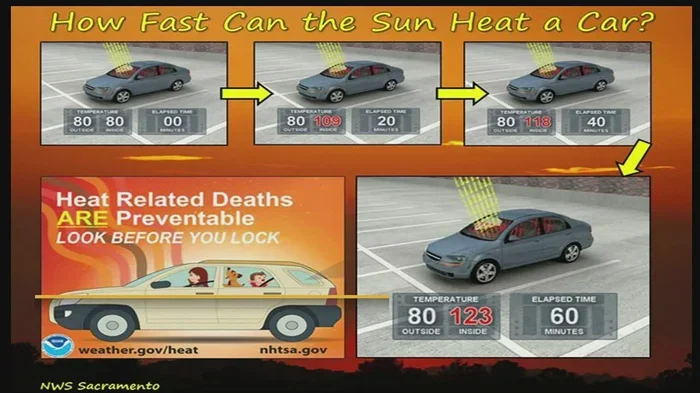
Studies show that a car interior temperature can rise by 40°F in just 10 minutes on a 75°F day. Within 30 minutes, it can be 50°F hotter inside than outside. And on a 100°F day, the numbers become truly alarming.
Why Cracking Windows Barely Helps
Many people believe leaving a window cracked open will keep a car cool. The truth is, it makes very little difference. Research from the San Jose State University Vehicle Heat Stroke study found that cracked windows reduce the peak interior temperature by only 2-3°F. That is negligible compared to the 40-50°F rise you see in a closed vehicle.
The real issue is that glass blocks the escape of infrared radiation. A small gap does not create enough airflow to offset the massive amount of solar heat pouring in through the windshield and windows. So cracking a window is not a real solution.
How Hot Can a Car Actually Get: Numbers and Measurements
Let us look at some real numbers. These temperatures come from controlled studies and real-world measurements. They paint a clear picture of just how extreme heat buildup in vehicles can be.
Temperature Comparison Table
| Outside Temperature | Car Interior After 1 Hour | Dashboard Surface Temp | Seat Surface Temp |
|---|---|---|---|
| 70°F | 100-110°F | 130-140°F | 120-130°F |
| 80°F | 115-125°F | 150-160°F | 140-150°F |
| 90°F | 130-145°F | 170-180°F | 155-165°F |
| 100°F | 150-170°F | 190-200°F | 175-185°F |
As you can see, the numbers climb fast. Even on a mild 70°F day, the inside of a parked car becomes uncomfortable and potentially dangerous. On a hot summer day, surfaces can reach temperatures high enough to cause instant burns.
Which Surfaces Get Hottest?
Not all parts of your car heat up equally. The dashboard, steering wheel, and center console absorb the most direct sunlight. These areas often reach the highest temperatures. Seats, especially dark leather or vinyl, also get extremely hot. Even the dashboard can warp or crack when exposed to repeated cycles of extreme thermal energy.
Metal components like seat belt buckles and door handles can reach temperatures that cause painful burns on contact. This is especially important to remember if you have children who might touch these surfaces.
How Car Color and Window Treatments Affect Interior Heat
Not all cars heat up the same way. The color of your vehicle and the type of windows you have play a big role in how much solar heat gets trapped inside. Understanding these factors can help you make smarter choices.
Does Car Color Really Matter?
Yes, it absolutely does. Dark-colored cars absorb more radiant energy from the sun than light-colored ones. A black car parked in the same sun as a white car can reach interior temperatures 10-15°F higher. That difference adds up fast, especially on hot days.
Silver and white vehicles reflect more sunlight and absorb less heat. This means they stay cooler inside. If you live in a hot climate, choosing a lighter color vehicle can make a noticeable difference in your daily comfort and in reducing interior damage over time.
Window Tinting and UV Protection
Window tinting is one of the most effective ways to reduce heat buildup inside your car. Quality tint blocks a significant portion of solar radiation before it enters the cabin. It also filters out harmful UV rays that cause fading and cracking of your interior materials.
Ceramic window tints are especially effective. They reject heat without darkening your windows too much. Many states have laws about how dark tint can be, so check your local regulations before getting it done. A good window tint can lower interior temperatures by 10-20°F compared to untinted windows.
Windshield Sun Shades and Covers
A windshield sun shade is a simple and affordable tool that makes a big difference. It reflects sunlight away from your dashboard and windshield, reducing the initial heat absorption. You pop it up when you park, and take it down when you drive.
Some people also use full car covers that wrap around the entire vehicle. These are especially useful if you park outside for long periods. A good car cover blocks UV rays and keeps the interior much cooler than an uncovered car.
The Dangers of a Hot Car: Safety and Health Risks
This is the most important section of this article. A hot car is not just an inconvenience. It is a genuine safety hazard that can cause serious injury or death. Understanding these risks is the first step in preventing tragedies.
Heatstroke and Its Effects on the Human Body
Heatstroke occurs when your body temperature rises to dangerous levels, typically above 104°F. Inside a hot car, temperatures can reach 150°F or more. That means a person trapped inside can experience heatstroke in just a few minutes.
Symptoms of heatstroke include confusion, seizures, loss of consciousness, and organ failure. Children are especially vulnerable because their bodies heat up three to five times faster than adults. Their small body mass means they reach critical temperatures much more quickly.
Even a brief moment of forgetfulness can turn deadly. This is why so many child safety organizations emphasize never leaving a child unattended in a vehicle, even for “just a minute.”
Pets and Hot Cars: A Silent Killer
Dogs and other pets are also at serious risk. Dogs cannot sweat like humans. They cool themselves primarily through panting, which becomes ineffective in a hot, confined space. A dog left in a parked car can suffer heatstroke within 15 minutes on a warm day.
Many pet owners think leaving the windows cracked open is enough. But as we discussed earlier, cracked windows barely reduce interior temperatures. The safest rule is simple: leave your pet at home if you cannot bring them inside with you at every stop.
Common Mistakes People Make
There are some dangerous habits that many people fall into without realizing the risk:
- Leaving a child in the car for “just a second”: Even one minute can be enough for temperatures to spike dangerously.
- Assuming a cloudy day is safe: Clouds do not block solar radiation enough to prevent extreme heat buildup inside a vehicle.
- Thinking a running car with AC is safe: If the car is locked and the engine is running, someone could still become trapped inside accidentally.
- Relying on memory: Changes in routine are the leading cause of children being forgotten in vehicles. Always check the back seat before locking up.
How to Protect Your Car and Loved Ones from Extreme Heat
The good news is that there are many practical steps you can take to reduce heat buildup and protect everyone inside your vehicle. These tips are simple, affordable, and highly effective.
Use a Sunshade Every Time You Park
This is the single easiest thing you can do. A windshield sun shade costs under $20 and can lower your dashboard temperature by 30-40°F. It takes five seconds to set up and makes a huge difference when you get back in your car.
For maximum protection, consider a full car cover that shields the entire vehicle. This is especially useful for cars parked on the street or in driveways without garage access.
Choose Light-Colored Seat Covers and Floor Mats
Dark seats absorb more heat and radiate it back into the cabin. Light-colored seat covers reflect solar energy instead of absorbing it. This keeps your seats cooler and reduces the overall interior temperature.
Light-colored floor mats work the same way. They prevent the floor from becoming a heat reservoir that slowly radiates warmth back up into the cabin.
Install Quality Window Tint
If you live in a hot climate, window tinting is one of the best investments you can make for your car. It reduces heat, blocks harmful UV rays, and protects your interior from fading and cracking. Ceramic tints offer the best performance without sacrificing visibility.
Cool Down Your Car Before Driving
When you get back in a hot car, do not just blast the AC right away. Open the windows and doors for a minute to let the hot air escape. Then turn on the AC on recirculate mode with the windows closed. This method cools the cabin much faster than running the AC with the windows open.
You can also start the car a few minutes early with the AC on to pre-cool the cabin. This is especially helpful on scorching summer days.
Keep Water and Emergency Supplies in Your Car
Always have water bottles in your vehicle, especially during hot months. If you are traveling with children or pets, having extra water on hand is essential. Also keep a small emergency kit that includes a first aid kit and a portable fan.
How Prolonged Sun Exposure Damages Your Car Over Time
It is not just about immediate safety. Repeated sun exposure causes long-term damage to your vehicle that can be expensive to repair. Understanding this damage helps you appreciate why protecting your car from heat matters so much.
Cracked and Faded Dashboard
The dashboard is one of the most exposed surfaces inside your car. Constant UV radiation and extreme temperature cycles cause the plastic and vinyl to dry out, crack, and fade. Over time, this not only looks bad but can also reduce the resale value of your vehicle.
Using a dashboard cover or a windshield sun shade significantly slows this process. Applying a UV-protectant conditioner every few months also helps keep the material supple and resistant to cracking.
Leather Seat Damage
Leather seats are particularly vulnerable to sun damage. The heat dries out the natural oils in the leather, causing it to become stiff, crack, and eventually tear. Dark leather seats can reach temperatures above 150°F, which accelerates this damage.
Regular conditioning with a quality leather protectant can help. Look for products that offer UV protection alongside moisture restoration. This keeps your seats looking great and feeling comfortable for years.
Battery and Electronic Damage
Extreme heat also affects your car’s battery and electronic systems. High temperatures cause battery fluid to evaporate faster, which shortens battery life. Electronics like the infotainment system and sensors can also degrade faster when exposed to prolonged heat.
Parking in the shade or using a car cover helps protect these components. It is a small effort that can save you from costly repairs down the road.
Expert Tips and Quick Ways to Beat the Heat
Here are some extra tips from automotive experts and safety professionals that go beyond the basics:
- Use a thermal windshield cover: These are thicker than regular sun shades and provide superior heat rejection.
- Tint all windows, not just the windshield: Side and rear windows let in significant heat and UV radiation.
- Park in the shade whenever possible: Even partial shade makes a meaningful difference in interior temperatures.
- Use reflective seat covers: These bounce sunlight away from your seats and help keep the cabin cooler.
- Check your tire pressure regularly: Hot pavement combined with hot air inside the tires increases the risk of blowouts.
- Keep a small fan in your glove box: A portable 12V fan can help circulate air and speed up cooling when you first get in.
These small habits add up over time. They protect both you and your vehicle from the damaging effects of extreme heat buildup and prolonged solar heat exposure.
Conclusion
The answer to how hot can a car get in the sun is more extreme than most people realize. On a typical summer day, the interior of a parked car can exceed 170°F, with surfaces like the dashboard reaching dangerous levels. This is not just uncomfortable. It is a real safety concern for children, pets, and even adults.
The science behind heat buildup is clear. Sunlight enters through glass, gets absorbed by interior surfaces, and converts to heat that cannot escape. This cycle repeats and causes temperatures to climb rapidly, often faster than most people expect.
The good news is that simple measures make a big difference. Using a windshield sun shade, applying window tinting, parking in the shade, and never leaving anyone vulnerable inside a hot car can protect lives and preserve your vehicle. Taking these precautions is not just smart. It is essential.
Now that you understand the risks and the solutions, take action. Protect your car, protect your family, and never underestimate the power of the sun on a parked vehicle. A few minutes of prevention today can save you from serious consequences tomorrow.
Frequently Asked Questions
How fast does a car heat up in the sun?
A car’s interior temperature can rise by 20°F in just 10 minutes and reach deadly levels within 30 minutes. Even on a mild 70°F day, the inside of a vehicle can climb past 100°F in under an hour. The rate of heating accelerates the longer the car sits in direct solar radiation.
Can a hot car cause permanent interior damage?
Yes, prolonged exposure to extreme heat causes cracked leather, warped dashboards, faded surfaces, and degraded plastics. Repeated thermal cycling from hot days and cool nights accelerates this damage. Using a car cover and sun shade can significantly reduce interior wear.
What is the safest way to cool down a hot car quickly?
First, open all doors and windows for 30 seconds to release trapped hot air. Then start the car, set the AC to recirculate, and close the windows. This method cools the cabin much faster than running AC with the windows open. Some drivers also pre-cool the car remotely before getting in.
Are there laws about leaving children or pets in hot cars?
Many states and countries have laws against leaving children or pets unattended in vehicles, especially in dangerous heat conditions. Penalties can include fines, criminal charges, and even imprisonment in severe cases. Always check local laws and never leave vulnerable passengers in a parked car.
Does a window tint really help reduce car interior heat?
Yes, quality window tinting can reduce heat buildup by 10-20°F and block up to 99% of harmful UV rays. Ceramic tints offer the best performance. They reject solar heat without significantly darkening your windows, making them a great investment for hot climates.
What should I do if I see a child or pet locked in a hot car?
Call emergency services immediately. If the person or animal appears distressed, try to break a window to provide relief. Do not wait. Heatstroke can set in within minutes and cause permanent damage or death. Acting quickly can save a life.
=== SEO TITLE ===
How Hot Can a Car Get in the Sun and Why It Matters
=== META TITLE ===
How Hot Can a Car Get in the Sun | Complete Guide
=== URL SLUG ===
how-hot-can-a-car-get-in-the-sun