Can You Repair a Transmission by Yourself at Home Now
Can you repair a transmission by yourself? Yes, for basic jobs like fluid changes and filter replacements. But complex repairs like rebuilding a torque converter or replacing internal gears are best left to pros. This guide walks you through what you can safely do, what you cannot, and how to save money on transmission maintenance.
Every car owner has wondered at some point, “Can you repair a transmission by yourself?” The short answer is yes, for certain tasks. But the longer answer is more nuanced. Your transmission is one of the most complex systems in your vehicle. It handles the power transfer from your engine to your wheels. When something goes wrong, the stakes feel high.
Some transmission repairs are straightforward and well within the reach of a weekend mechanic. Others demand specialized tools, deep technical knowledge, and years of experience. This guide breaks down exactly what you can do, what you should leave to the professionals, and how to approach transmission repair with confidence.
We will cover everything from basic fluid changes to more advanced troubleshooting. You will learn about the tools you need, the common symptoms of transmission trouble, and the steps to take before you start any work. Whether you have a manual or automatic transmission, this guide has you covered.
Key Takeaways
- Simple transmission tasks are DIY-friendly: Fluid changes, filter replacements, and leak fixes are manageable for most car owners.
- You need the right tools: A transmission jack, fluid extractor, and basic hand tools are essential before starting any repair.
- Know when to stop: Internal damage, solenoid failures, and torque converter issues require professional help and specialized equipment.
- DIY can save hundreds: Basic transmission maintenance costs a fraction of what a shop charges, but mistakes can lead to expensive damage.
- Regular maintenance prevents problems: Checking fluid levels and changing filters on schedule keeps your transmission healthy for years.
- Safety comes first: Always work on a level surface, use jack stands, and never work under a car supported only by a jack.
📑 Table of Contents
Understanding Your Transmission
What Does Your Transmission Do?
Your transmission is the bridge between your engine and your wheels. It adjusts the power and speed your car sends to the road. Without it, your engine would spin freely but your car would not move. Think of it like the gears on a bicycle. Lower gears give you power for starting and climbing. Higher gears let you cruise efficiently at speed.
There are two main types of transmissions. Automatic transmissions shift gears on their own using hydraulic pressure and a torque converter. Manual transmissions require you to use a clutch pedal and gear shift to change gears. Both types need regular maintenance to stay healthy. Neglecting your transmission fluid is one of the fastest ways to cause serious damage.
Automatic vs Manual Transmission Repair
Automatic transmissions are more complex than manuals. They have hundreds of moving parts, including clutch packs, bands, solenoids, and a torque converter. Manual transmissions are simpler in design but still require proper care. The type of transmission you have determines what repairs you can tackle at home.
For manual transmissions, basic repairs like replacing the clutch master cylinder or adjusting the clutch cable are doable for many DIYers. For automatics, fluid changes and filter replacements are the most common DIY tasks. Anything involving internal components like transmission solenoids, valve bodies, or gear sets usually needs a professional touch.
Signs Your Transmission Needs Repair
Common Transmission Symptoms to Watch For
Your car gives you warning signs before a transmission fails completely. Catching these early can save you from a costly rebuild. Here are the most common symptoms of transmission trouble:
- Slipping gears: Your transmission shifts in and out of gear on its own. This feels like your car is struggling to stay in the right gear.
- Delayed engagement: There is a long pause between shifting from park to drive or reverse. Your car takes a few seconds to move.
- Burning smell: A sweet or burnt odor from under your hood often means your transmission fluid is overheating or old.
- Fluid leaks: Red or brown puddles under your car indicate a transmission fluid leak. Check around the pan gasket and seals.
- Check engine light: Your dashboard warning light can signal transmission problems. A scan tool can read the specific trouble codes.
- Strange noises: Grinding, whining, or clunking sounds when shifting gears are never a good sign.
When to Stop Driving Immediately
Some transmission problems are urgent. If your car refuses to shift gears or gets stuck in one gear, stop driving right away. Continuing to drive on a damaged transmission can turn a small repair into a total replacement. If you notice metal shavings in your fluid or hear loud metallic noises, have your car towed to a shop.
It is also important to know when a car is beyond safe driving. If your transmission has failed completely and the vehicle is undrivable, you may be facing a situation where you can you drive a totaled car? In most cases, the answer is no. A car with a failed transmission is not safe to drive and needs professional assessment.
Tools and Supplies You Will Need
Essential Transmission Tools
Before you start any transmission repair, you need the right tools. Using the wrong equipment can damage your transmission or cause injury. Here is a list of essential tools for basic DIY transmission work:
- Transmission jack: This specialized jack supports the weight of your transmission during removal and installation. A regular floor jack is not enough.
- Fluid extractor or drain pan: You need a way to catch old fluid when draining the transmission. A hand pump extractor works well for this.
- Socket set and wrenches: A standard metric and SAE socket set covers most transmission bolts and fittings.
- Torque wrench: Transmission bolts must be tightened to specific specifications. Over-tightening can strip threads or crack the housing.
- Fluid pump or funnel: For refilling with fresh transmission fluid after a service.
- Jack stands and wheel chocks: Safety is non-negotiable. Never work under a car supported only by a jack.
- Gasket scraper and cleaner: For removing old gasket material before installing a new transmission gasket.
Safety Equipment for DIY Repairs
Working on a transmission involves heavy components and hot fluids. Protect yourself with these safety items:
- Nitrile gloves: Transmission fluid is harsh on skin and can cause irritation.
- Safety glasses: Protect your eyes from fluid splashes and debris.
- Workshop apron: Old clothes or a dedicated apron keep your regular clothing clean.
- Fire extinguisher: Keep one nearby in case of fluid spills near hot engine parts.
Before you begin, make sure your workspace is clean, well-lit, and level. If you are working in a garage, open the door for ventilation. Transmission fluid fumes can be irritating in enclosed spaces.
Step-by-Step Guide to DIY Transmission Repair
Step 1: Diagnose the Problem
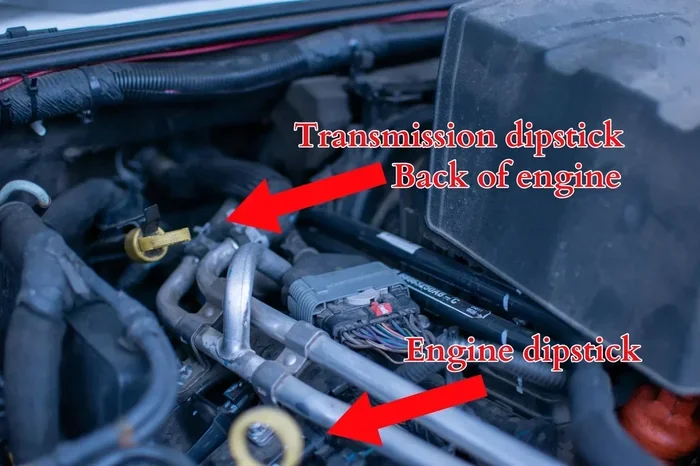
The first step in any transmission repair is proper diagnosis. Before you replace a single part, find out what is actually wrong. Start by checking your transmission fluid level and condition. Healthy fluid is reddish-brown and smells slightly sweet. Dark, burnt-smelling fluid or fluid with visible particles signals a problem.
Use an OBD2 scanner to check for trouble codes. Many auto parts stores will scan your car for free. This is a great way to narrow down the issue before you buy parts. If you are not comfortable interpreting codes, consider getting a free diagnostic on your car at a local shop. This can save you time and money by pointing you in the right direction.
Common diagnostic steps include:
- Checking fluid level with the engine warm and on a level surface
- Inspecting the underside of the car for leaks
- Test driving the vehicle to note shifting behavior
- Scanning for error codes with a diagnostic tool
Step 2: Drain and Replace Fluid
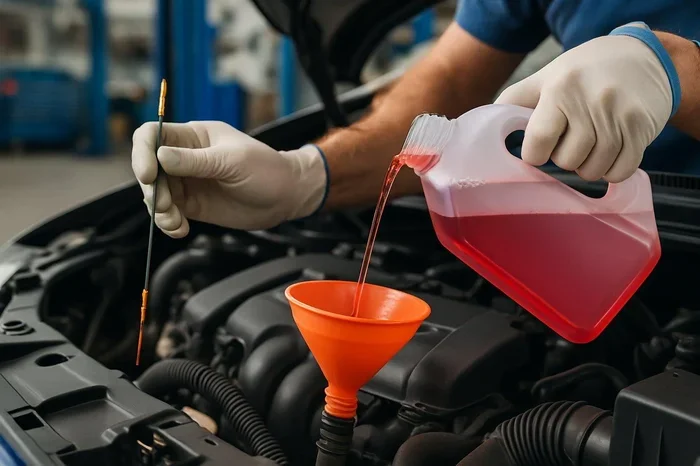
Changing your transmission fluid is the most common DIY transmission repair. Fresh fluid keeps your transmission shifting smoothly and prevents overheating. Most manufacturers recommend a fluid change every 30,000 to 60,000 miles, but check your owner’s manual for the exact interval.
Here is how to do it:
- Warm up your car for a few minutes. Hot fluid drains more completely.
- Jack up the front of your car and secure it with jack stands.
- Place a drain pan under the transmission pan.
- Remove the drain plug or loosen the pan bolts slowly. Fluid will flow out.
- Let the fluid drain completely. This may take 15 to 20 minutes.
- Remove the old transmission filter if accessible.
- Clean the pan and replace the gasket.
- Reinstall the pan and tighten bolts to the manufacturer’s torque spec.
- Refill with the correct type and amount of fresh fluid.
Always use the fluid type recommended by your car’s manufacturer. Using the wrong fluid can cause slipping, rough shifting, and internal damage.
Step 3: Replace the Transmission Filter
The transmission filter catches metal particles and debris in the fluid. Over time, it becomes clogged and restricts flow. A clogged filter can cause rough shifting, slippage, and overheating. Replacing the filter is a simple task that goes hand in hand with a fluid change.
In many vehicles, the filter is located inside the transmission pan. After you drain the fluid and remove the pan, the filter is usually held in place by a clip or bolt. Slide it out, compare it to the new filter to make sure it matches, and snap the new one in. Clean any debris from the pan before reinstalling it.
This is one of the easiest and most impactful DIY transmission repairs you can do. A new filter and fresh fluid can extend the life of your transmission by thousands of miles.
Step 4: Fix Common Leaks
Transmission fluid leaks are common and often fixable at home. The most frequent leak points are the pan gasket, the input shaft seal, and the output shaft seal. If you notice fluid pooling under your car, identify the source before topping off the fluid.
For a pan gasket leak, drain the fluid, remove the pan, and install a new gasket. For seal leaks, you may need to remove the transmission to access the seal properly. Small leaks from valve body gaskets can sometimes be sealed with a stop-leak additive, but this is a temporary fix at best.
If your car is overheating, it may be contributing to seal degradation. Transmissions are more prone to leaks in hot weather. If you live in a warm climate, you may have experienced overheating issues that accelerate wear on gaskets and seals.
When DIY Transmission Repair Is a Bad Idea
Complex Repairs That Need a Professional
Not every transmission repair belongs in your driveway. Some jobs require specialized equipment, factory-level expertise, and the willingness to accept the risk of a costly mistake. Here are the repairs you should leave to a professional:
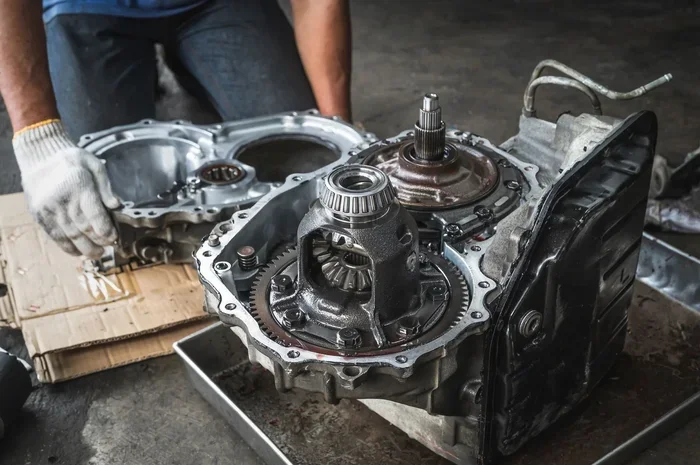
- Transmission rebuilds: This involves disassembling the entire transmission, inspecting every component, and replacing worn parts. It requires a clean workspace, a rebuild kit, and extensive knowledge.
- Torque converter replacement: The torque converter sits inside the bell housing and requires removing the transmission from the engine. This is not a beginner-level job.
- Solenoid and valve body replacements: While replacing an external solenoid is sometimes doable, internal valve body work requires precision and experience.
- Gear set replacements: Damaged gears inside the transmission require complete disassembly and reassembly. This is a job for a transmission specialist.
- Clutch replacements in automatics: Clutch packs inside an automatic transmission require careful calibration and adjustment.
If you are ever unsure about a repair, it is better to consult a professional than to risk making the problem worse. A small mistake during a DIY transmission repair can lead to catastrophic failure and a bill that runs into thousands of dollars.
Cost of Professional vs DIY Repair
Cost is often the main reason people consider DIY transmission repair. A basic fluid change at a shop costs between $150 and $300. Doing it yourself costs about $30 to $60 for fluid and a new filter. That is a significant savings.
But the cost comparison changes dramatically for major repairs. A transmission rebuild at a shop typically costs between $2,500 and $4,500. A full replacement can run $4,000 to $8,000 or more. DIY transmission rebuilds are possible but carry high risk. If you make a mistake, you could end up paying a shop to fix your work, plus the cost of the parts you already bought.
Here is a simple cost comparison:
- DIY Fluid Change: $30-$60 in materials vs $150-$300 at a shop
- DIY Filter Replacement: $15-$40 in parts vs $50-$100 at a shop
- DIY Leak Repair (gasket): $20-$50 in parts vs $200-$400 at a shop
- Professional Rebuild: $2,500-$4,500 (not recommended for DIY unless highly experienced)
Always weigh the savings against the risk. Simple maintenance tasks are great DIY projects. Major internal repairs are not.
Transmission Maintenance Tips to Prevent Future Problems
Keep Your Fluid Fresh
The single best thing you can do for your transmission is keep the fluid clean and at the right level. Check your fluid monthly, especially if you drive frequently or tow heavy loads. Old, dirty fluid loses its lubricating properties and causes increased wear on internal components.
If you tow a trailer or carry heavy loads, your transmission works harder and degrades fluid faster. Consider changing your fluid every 20,000 to 30,000 miles if you regularly haul heavy loads. For normal driving, the standard 30,000 to 60,000 mile interval is usually sufficient.
Warm Up Your Car Before Driving
Cold transmission fluid is thick and does not flow as well. In winter, give your car a minute or two to warm up before driving. This allows the fluid to circulate and lubricate the internal components properly. It is a small habit that pays off over years of driving.
Avoid Overheating
Heat is the enemy of your transmission. Overheating breaks down fluid, warps metal components, and causes seals to fail. If you notice your temperature gauge climbing, pull over and let the car cool down. If you live in a hot climate or frequently drive in stop-and-go traffic, consider installing an auxiliary transmission cooler.
Overheating can also be caused by a failing radiator or cooling system. If your car overheats on a hot day, it affects more than just your engine. Your transmission suffers too. Keep your cooling system in good shape to protect both.
Use the Right Fluid and Parts
Never mix transmission fluid types. Each transmission is engineered for a specific fluid formulation. Using the wrong fluid can cause slipping, harsh shifting, and premature wear. Always check your owner’s manual for the correct fluid specification before purchasing.
Similarly, use OEM or high-quality aftermarket parts for any replacement. Cheap gaskets and seals may leak within weeks, leading to the same problems you were trying to fix.
Address Small Problems Early
The best time to fix a transmission issue is when it is small and cheap. A small fluid leak today can become a major rebuild next month. A slight slip in second gear today can mean worn clutch packs tomorrow. Stay proactive. Address minor symptoms before they become expensive repairs.
If you notice any of the warning signs discussed earlier, do not ignore them. Early intervention is the key to avoiding a transmission replacement. Your wallet will thank you.
Final Thoughts on DIY Transmission Repair
So, can you repair a transmission by yourself? The answer depends on the repair. For fluid changes, filter replacements, and minor leak fixes, DIY is absolutely doable with the right tools and a little patience. These tasks save money and teach you valuable skills about your vehicle.
For anything involving internal components, torque converters, or complete rebuilds, professional help is the smart choice. Transmission repairs are expensive, and a botched DIY job can make them even more expensive. Know your limits, work safely, and never hesitate to call a professional when the job is beyond your skill level.
Your transmission is the heart of your vehicle’s drivetrain. Treat it well with regular maintenance, and it will reward you with smooth, reliable shifting for hundreds of thousands of miles. Start with the simple stuff, build your confidence, and always put safety first.
Frequently Asked Questions
Can I use any transmission fluid for my car?
No, you must use the specific type of transmission fluid recommended by your car’s manufacturer. Different transmissions require different formulations, and using the wrong fluid can cause slipping, rough shifting, and internal damage. Always check your owner’s manual or consult a parts store expert before purchasing fluid.
How long does a DIY transmission fluid change take?
A basic fluid and filter change takes about 30 to 60 minutes for most vehicles. If you are doing it for the first time, give yourself extra time to learn the process and avoid mistakes. Having all your tools and supplies ready before you start makes the job much smoother.
Is it safe to drive with a transmission fluid leak?
Driving with a transmission fluid leak is risky. Low fluid levels cause increased friction and heat inside the transmission, which can lead to costly damage. If you notice a leak, check your fluid level immediately and top it off if needed. Have the leak repaired as soon as possible to prevent further damage.
How much does a professional transmission rebuild cost?
A professional transmission rebuild typically costs between $2,500 and $4,500, depending on your vehicle and your location. This includes labor, parts, and any necessary machining. The cost can be higher for luxury vehicles or trucks with heavy-duty transmissions. Always get multiple quotes before committing to a rebuild.
Can a transmission be repaired without removing it from the car?
Yes, many repairs can be done without removing the transmission. Fluid changes, filter replacements, external solenoid swaps, and gasket repairs are all possible with the transmission still in the car. Internal repairs, however, usually require removal and disassembly of the unit.
What is the difference between a transmission repair and a transmission rebuild?
A repair typically involves replacing one or two external components like a solenoid, gasket, or seal. A rebuild involves completely disassembling the transmission, inspecting every part, replacing worn components, and reassembling it to factory specifications. A rebuild is far more extensive and expensive than a simple repair.