Car Wont Start and No Noise Here Is What To Do About It
A car that won’t start and makes no noise is a frustrating but common problem. The issue usually traces back to the battery, starter motor, ignition switch, or electrical connections. This guide walks you through the most likely causes, simple diagnostic steps, and practical fixes you can try at home before calling a mechanic.
You turn the key or push the start button. Nothing happens. No clicking. No cranking. No engine sound at all. Just silence. It is one of the most unsettling feelings for any driver. You wonder if your car is completely dead or if it is something simple you can fix yourself.
The good news is that a car won’t start and no noise situation usually has a clear cause. In most cases, it comes down to a few common electrical or fuel system problems. This article breaks down every possible reason your car stays silent when you try to start it. We also share practical steps you can take to diagnose and fix the issue. Whether you are a beginner or a seasoned DIYer, you will find helpful advice here.
Let us dive into the most common reasons your car makes no sound when you turn the key. Understanding the root cause saves you time, money, and a lot of stress.
Key Takeaways
- Dead or weak battery: The #1 reason for a silent no-start. Corroded or loose terminals often cause it.
- Faulty starter motor or solenoid: These parts can fail without any warning signs or noise.
- Bad ignition switch: A worn switch cuts power to the starter and fuel system silently.
- Neutral safety switch issues: A misaligned switch prevents the engine from cranking even with a good battery.
- Fuel pump failure: A dead fuel pump means no fuel reaches the engine, and you hear nothing.
- Parasitic draw: Something draining your battery overnight can leave you stranded with no noise at all.
📑 Table of Contents
Why Your Car Won’t Start and Makes No Noise
When your engine refuses to turn over without any sound, the problem lives in the starting system or the electrical system. Unlike a car that clicks or grinds, a silent no-start means power is not reaching the starter motor or the fuel system. Several components work together to start your car. If one fails, the whole process stops.
The starting system relies on a chain of events. The battery sends power to the starter solenoid. The solenoid engages the starter motor. The motor turns the engine. At the same time, the ignition switch tells the fuel pump and spark plugs to activate. If any link in this chain breaks, your car stays dead silent.
Understanding this chain helps you narrow down the cause. Let us look at the most common culprits next.
The Role of Your Battery in Starting the Car
Your car battery is the heart of the starting system. It provides the burst of energy needed to crank the engine. When the battery is dead or too weak, nothing happens when you turn the key. No lights. No dashboard warning. No sound at all. This is the most common reason for a silent no-start.
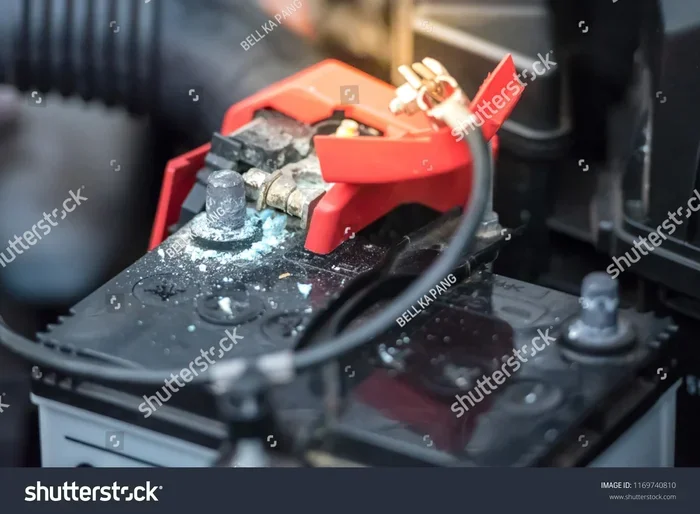
Battery problems can develop slowly or hit suddenly. Cold weather is a big factor. A battery that worked fine in summer might fail in winter. Age also matters. Most car batteries last three to five years. After that, they lose their ability to hold a full charge. Corrosion on the battery terminals is another silent killer. The white or greenish buildup blocks the electrical connection between the battery and the cables.
Starter Motor and Solenoid Failures
The starter motor is the electric motor that actually cranks your engine. The starter solenoid acts as a switch that sends power to the motor. When either one fails, your car makes no noise at all. You might hear a single click, or you might hear absolutely nothing.
Starter motors wear out over time. The internal brushes grind down, and the motor loses its strength. A bad solenoid might not send power even if the battery is strong. In older vehicles, the starter motor can seize up completely. When this happens, the engine cannot turn over, and you get total silence.
Ignition Switch Problems
The ignition switch is the part you activate when you turn your key or press the start button. It sends electrical signals to the starter, fuel pump, and ignition system. A worn or faulty ignition switch can interrupt this process without any warning.
Over time, the internal contacts of the ignition switch wear down. This is especially common in vehicles with high mileage. When the switch fails, it cuts power to the starter circuit. The result is a car that won’t start and makes no noise at all. Some drivers notice early signs like flickering dashboard lights or intermittent starting problems before the switch fails completely.
Neutral Safety Switch and Gear Position
Many cars have a neutral safety switch that prevents the engine from starting unless the transmission is in Park or Neutral. If this switch malfunctions, your car will not crank even if everything else is working perfectly.
The switch can fail due to wear, moisture, or electrical issues. Sometimes it is simply out of alignment. A quick fix is to try shifting the gear into Neutral and pressing the start button again. If the car starts in Neutral but not in Park, the neutral safety switch is likely the problem. This is a common and often overlooked cause of a silent no-start.
Fuel Pump Failure
Your fuel pump pushes gasoline from the tank to the engine. Without fuel, the engine cannot run. In some cases, a failed fuel pump causes a no-start condition with no noise. The engine cranks normally in most fuel pump failures, but a complete electrical failure of the pump can leave you with silence.
Fuel pumps can fail due to age, contamination, or electrical issues. Running low on fuel frequently shortens pump life because the pump relies on fuel for cooling. If you often drive on fumes, you might be stressing your fuel pump without realizing it.
How to Diagnose a Silent No-Start
Diagnosing a car won’t start and no noise problem does not require expensive tools. You can follow a simple step-by-step process to narrow down the cause. Start with the easiest checks and work your way toward more complex ones.
Step 1: Check the Battery Voltage
Grab a multimeter if you have one. Set it to measure DC voltage. Touch the red probe to the positive battery terminal and the black probe to the negative terminal. A healthy battery should read 12.6 volts or higher. Anything below 12.0 volts means the battery is weak or dead.
If you do not have a multimeter, look at your dashboard. Do the lights come on when you turn the key to the On position? If the dashboard is completely dark, the battery is likely the problem. A fully dead battery will not power even the basic electronics.
Step 2: Inspect the Battery Terminals
Open the hood and look at the battery terminals. Do you see white, blue, or greenish buildup? This is corrosion, and it blocks electrical current. Even a thin layer of corrosion can prevent enough power from reaching the starter.
You can clean corroded terminals easily. Use a wire brush or a battery terminal cleaner. Loosen the cable clamps, clean both the terminal and the cable end, then reconnect them tightly. Make sure the connections are snug and free of any rust or grime.
Step 3: Test the Starter Relay and Fuses
A blown fuse or a faulty relay can cut power to the starter circuit without any noise. Check your fuse box for the starter relay and related fuses. Refer to your owner’s manual for the exact fuse location. Replace any blown fuses with the correct amperage rating.
The starter relay is a small component that sends power from the battery to the starter motor. If the relay fails, the signal never reaches the starter. Replacing a relay is inexpensive and often solves the problem quickly.
Step 4: Check the Ignition Switch
Turn the key to the On position without starting the engine. Do the dashboard lights and warning indicators come on? If nothing happens at all, the ignition switch might be dead. Try wiggling the key gently while turning it. A worn key or switch sometimes responds to slight movement.
For push-button start vehicles, check the key fob battery. A dead key fob battery can prevent the car from recognizing the key, resulting in a silent no-start. Try holding the fob directly against the start button. Many cars have a backup RFID antenna that reads the fob this way.
Step 5: Test the Neutral Safety Switch
Shift the gear selector to Neutral and try starting the car again. If it starts in Neutral but not in Park, the neutral safety switch needs adjustment or replacement. This is a simple and inexpensive fix that many mechanics can handle quickly.
Fixing the Most Common Causes
Once you identify the cause, fixing it is usually straightforward. Here are practical solutions for the most common reasons your car won’t start and makes no noise.
Jump-Starting a Dead Battery
If your battery is dead, a jump start is the fastest way to get your car running again. You need jumper cables and another vehicle with a working battery. Connect the red cable to the positive terminal of your dead battery first. Then connect the other red clamp to the positive terminal of the good battery. Next, connect the black cable to the negative terminal of the good battery. Finally, attach the other black clamp to an unpainted metal surface on your car’s engine block.
Start the working vehicle first and let it run for a few minutes. Then try starting your car. If it starts, let it run for at least 15 to 20 minutes to recharge the battery. Drive to a nearby auto parts store to have the battery tested. A weak battery might need replacement even after a successful jump start.
Quick Tip: Always carry a portable jump starter in your trunk. These compact devices can start your car without needing another vehicle. They are inexpensive and can be a lifesaver in emergencies.
Cleaning or Replacing Corroded Battery Terminals
Corrosion on battery terminals is easy to fix. Mix baking soda with a small amount of water to create a paste. Apply the paste to the corroded terminals and let it sit for a few minutes. The fizzing action helps dissolve the corrosion. Scrub gently with a wire brush or old toothbrush. Wipe the terminals clean and dry. Apply a thin layer of petroleum jelly or dielectric grease to prevent future corrosion.
If the terminals are severely damaged or the battery is more than four years old, consider replacing the battery entirely. A new battery costs between $50 and $120 for most standard vehicles and eliminates the worry of sudden failure.
Replacing a Faulty Starter Motor
A bad starter motor needs replacement. This is a more involved repair that may require lifting the vehicle. The starter is usually located on the side of the engine, where it connects to the transmission bell housing. Disconnect the electrical connections, remove the mounting bolts, and pull out the old starter. Install the new one in reverse order.
Starter motors cost between $100 and $400 for parts, depending on your vehicle. Labor costs vary widely. If you are not comfortable doing this repair yourself, a mechanic can handle it for a reasonable price. Many shops offer free diagnostics to confirm the starter is the problem.
Fixing the Ignition Switch
Replacing an ignition switch is relatively simple on most vehicles. The switch is usually located behind the ignition lock cylinder on the steering column. You need to remove the steering column cover, disconnect the electrical connector, and swap out the old switch. New ignition switches cost between $20 and $80 for parts.
Expert Insight: Before replacing the ignition switch, make sure the problem is not the key itself. A worn or damaged key can mimic ignition switch failure. Try a spare key if you have one available.
Addressing a Failed Fuel Pump
A fuel pump replacement is a more expensive repair. The pump is located inside the fuel tank and requires dropping the tank to access it. Parts cost between $200 and $600, and labor adds another $200 to $400. However, a failed fuel pump will leave your car completely unable to start.
Before replacing the pump, have a mechanic check the fuel pump fuse, relay, and wiring. Sometimes the problem is a simple electrical issue, not the pump itself. A voltage drop test can confirm whether the pump is receiving enough power.
When to Call a Professional Mechanic
Some car won’t start and no noise problems are beyond DIY fixes. If you have checked the battery, terminals, fuses, and relays, and the car still will not start, it is time to call a professional. A qualified mechanic has diagnostic tools that can pinpoint the exact cause quickly.
You should also seek professional help if you smell burning plastic or electrical insulation when you try to start the car. This could indicate a short circuit or damaged wiring. Never ignore electrical smells. They can lead to more serious damage or even a fire.
Another sign that you need a mechanic is repeated no-start conditions after you have replaced parts. If a new battery does not solve the problem, something deeper is going on. The issue might be in the wiring harness, the engine control module, or a hidden electrical fault. A professional diagnostic scan can reveal error codes and hidden problems that are not visible to the naked eye.
Cost is another factor to consider. Simple fixes like cleaning terminals or replacing a relay are cheap. But if the problem involves the starter motor, ignition switch, or fuel pump, the repair cost adds up. Get an estimate before approving major work. A reputable shop will diagnose the problem and give you a clear price before starting any repairs.
Preventing a Silent No-Start Situation
The best way to deal with a car won’t start and no noise problem is to prevent it from happening in the first place. Regular maintenance and smart driving habits go a long way.
Maintain Your Battery Regularly
Have your battery tested at every oil change or at least twice a year. Most auto parts stores offer free battery testing. Replace your battery every three to five years, even if it still seems to work. A failing battery can leave you stranded without warning.
Keep the terminals clean and tight. Check for corrosion monthly, especially in humid or coastal areas. Apply dielectric grease to the terminals after cleaning to slow down future corrosion buildup.
Avoid Short Trips When Possible
Short trips do not give your battery enough time to fully recharge. Over time, this creates a parasitic draw that slowly drains the battery. If you only drive short distances, take your car on a longer drive once a week to recharge the battery fully.
Listen for Warning Signs
Your car often gives early warning signs before a complete no-start failure. Pay attention to slow cranking, dim headlights, or a dashboard battery warning light. These signs mean your battery or charging system needs attention. Addressing them early prevents a sudden silent no-start.
Keep Spare Fuses and Relays on Hand
A blown fuse or faulty relay can cause a no-start condition. Keep a small kit of common fuses and a starter relay in your glove box. Replacing a fuse takes seconds and costs almost nothing. It is one of the easiest emergency fixes you can make.
Common Mistakes People Make When Their Car Won’t Start
When faced with a silent no-start, many drivers make mistakes that waste time or make the problem worse. Here are common errors to avoid.
Assuming the battery is always the problem. While the battery is the most common cause, it is not the only one. A new battery will not fix a bad starter motor or ignition switch. Always check all components in the starting system before replacing parts.
Trying to start the car repeatedly. Continuously turning the key or pressing the start button drains the battery further. If the car does not start after two or three attempts, stop and diagnose the problem. Repeated attempts can overheat the starter motor and cause additional damage.
Ignoring the key fob battery. Push-button start vehicles rely on a working key fob battery. A dead fob battery mimics many no-start symptoms. Replacing the fob battery is cheap and easy. Always try this before assuming something is seriously wrong.
Not checking the gear position. A car in gear will not start if the neutral safety switch is faulty. Always try shifting to Neutral before assuming a major mechanical failure.
Key Takeaways
- Dead or weak battery: The #1 reason for a silent no-start. Corroded or loose terminals often cause it.
- Faulty starter motor or solenoid: These parts can fail without any warning signs or noise.
- Bad ignition switch: A worn switch cuts power to the starter and fuel system silently.
- Neutral safety switch issues: A misaligned switch prevents the engine from cranking even with a good battery.
- Fuel pump failure: A dead fuel pump means no fuel reaches the engine, and you hear nothing.
- Parasitic draw: Something draining your battery overnight can leave you stranded with no noise at all.
Conclusion
A car won’t start and no noise situation is scary, but it is usually fixable. The most common causes are a dead battery, corroded terminals, a bad starter, or a faulty ignition switch. By following the diagnostic steps in this guide, you can narrow down the problem and often fix it yourself. Simple checks like testing the battery voltage, cleaning the terminals, and checking the fuses take only minutes and cost nothing.
For more complex issues like a failed starter motor or fuel pump, do not hesitate to call a professional mechanic. Trying to fix something you are not sure about can lead to wasted money and unnecessary frustration. The key is to stay calm, work through the possibilities one at a time, and avoid common mistakes.
Regular maintenance is your best defense against a silent no-start. Keep your battery healthy, clean the terminals, and listen for early warning signs. These small habits save you from the stress and inconvenience of being stranded with a car that will not start. Apply the tips in this article, and you will be back on the road with confidence.
Can a bad ground wire cause a car not to start with no noise?
Yes, a bad ground wire can prevent your car from starting without any noise. The ground wire completes the electrical circuit between the battery, starter, and engine block. If the ground wire is corroded or loose, the circuit is incomplete, and the starter will not engage. Check the ground wire connections at the battery and engine block as part of your diagnostic process.
How do I know if my starter solenoid is bad?
A bad starter solenoid often causes a single click when you turn the key, but in some cases, it produces no sound at all. If the solenoid fails internally, it cannot send power to the starter motor. You can test the solenoid with a multimeter by checking for voltage at the solenoid connector when you turn the key. No voltage means the solenoid or ignition switch is likely the problem.
What causes a parasitic draw that drains my battery overnight?
A parasitic draw happens when an electrical component continues to draw power after the engine is off. Common causes include a glove box light that stays on, an aftermarket alarm system, or a faulty relay. To test for a parasitic draw, disconnect the negative battery terminal and use a multimeter in series to measure current draw. Anything above 50 milliamps indicates a draw that can drain your battery overnight.
Does cold weather really kill car batteries?
Cold weather does not kill batteries directly, but it makes existing weaknesses much worse. A battery that is already weak may not have enough power to start the car in cold temperatures. The chemical reaction inside the battery slows down in cold weather, reducing its output. This is why many drivers experience a silent no-start on cold winter mornings with an aging battery.
How long does it take to replace a starter motor?
A mechanic usually takes one to three hours to replace a starter motor, depending on the vehicle model and accessibility. Some cars have the starter in an easy-to-reach location, while others require removing engine components to access it. DIYers with basic tools can usually complete the job in a similar timeframe if they have some mechanical experience.
Should I replace the battery or the alternator if my car won’t start?
If your car makes no noise when you try to start it, the battery is the first thing to check. A dead battery is far more common than a failed alternator. The alternator charges the battery while the engine runs. If the alternator fails, the battery will eventually drain. However, a dead alternator usually causes the car to die while driving, not a silent no-start. Test the battery first before replacing the alternator.
Frequently Asked Questions
What is Car Won’t Start and No Noise?
Car Won’t Start and No Noise is an important topic with many practical applications.