How Much Does It Cost to Get a Jeep Lifted Explained
The cost to get a Jeep lifted typically ranges from $1,500 to $10,000 or more, depending on the type of lift kit, your Jeep model, and whether you choose DIY or professional installation. A basic leveling kit can cost as little as $200, while a full suspension lift with all the extras can push well past $8,000. This guide covers every expense you need to know before lifting your Jeep.
So you have been eyeing a lifted Jeep on the trail and thinking, “I want one of those.” That feeling is totally understandable. A lifted Jeep turns heads, handles rough terrain like a dream, and gives you a serious off-road advantage. But before you start dreaming about oversized tires and epic trail runs, there is one question you need to answer: how much does it cost to get a Jeep lifted?
The answer is not as simple as picking a number from a menu. The Jeep lift kit cost depends on many factors, including the type of lift, your Jeep model, the parts you choose, and whether you install them yourself or hire a pro. This guide breaks down every cost so you can plan your budget without any surprises.
Whether you own a Jeep Wrangler lift setup in mind or want to lift a Jeep Grand Cherokee lift project, this article covers everything. Let us dive in.
Key Takeaways
- Lift kit type drives the price: Body lifts are cheapest, while full suspension lifts cost the most.
- Installation method matters: DIY saves hundreds, but professional installation ensures safety and proper alignment.
- Hidden costs add up fast: Tires, wheels, alignment, and labor can double your total budget.
- Your Jeep model affects pricing: A Jeep Wrangler lift costs differently than a Jeep Grand Cherokee lift.
- Quality over savings: Cheap kits may seem appealing but can compromise ride quality and safety.
- Accessories are not optional: You will likely need new brake lines, steering upgrades, and potentially a 12V To 230V Car Inverter for added off-road convenience.
- Budget at least 20% extra beyond the kit price for unforeseen modifications and adjustments.
📑 Table of Contents
- What Is a Jeep Lift and Why Do People Lift Their Jeeps?
- Types of Jeep Lift Kits and Their Costs
- How Much Does a Jeep Lift Kit Cost by Model
- Installation Costs: DIY vs Professional
- Additional Costs You Need to Budget For
- Is a Jeep Lift Worth the Money?
- Common Mistakes People Make When Lifting a Jeep
- Expert Insights on Jeep Lift Costs
- How to Save Money on Your Jeep Lift
- Final Thoughts on Jeep Lift Costs
What Is a Jeep Lift and Why Do People Lift Their Jeeps?
A Jeep lift raises the body or suspension of your vehicle to increase ground clearance. This simple modification opens up a world of possibilities for off-roading, larger tire fitment, and a more aggressive stance on the road.
People lift their Jeeps for several reasons:
- Off-road capability: More clearance means you can tackle rocks, mud, and steep inclines without damaging the undercarriage.
- Larger tires: A lift allows you to fit bigger, more aggressive tires that grip terrain better.
- Aesthetics: Let us be honest. A lifted Jeep just looks amazing. The aggressive stance turns heads everywhere you go.
- Approach and departure angles: Lifting improves the angles your Jeep can handle without scraping the front or rear bumper.
- Suspension travel: More lift means more suspension movement, which absorbs bumps and impacts better on rough trails.
No matter your reason, understanding the cost is the first step. The next section breaks down the different types of lifts and what each one costs.
Types of Jeep Lift Kits and Their Costs
Not all lift kits are created equal. There are two main categories, and each comes with its own price range, benefits, and limitations. Let us look at them closely.
Body Lift Kits
A body lift kit raises the body of the Jeep off the frame using spacers. The suspension and factory geometry stay the same. This is the most affordable option for gaining a few extra inches of clearance.
Typical cost: $100 to $500 for the kit alone.
Body lifts are great for fitting slightly larger tires and adding a leveling kit to correct the nose-heavy stance of many Jeep models. However, they do not improve suspension travel or ground clearance as much as a suspension lift.
Suspension Lift Kits
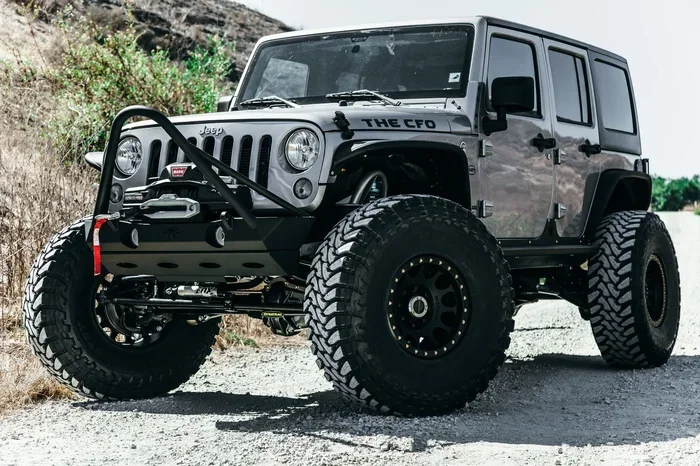
A suspension lift kit replaces or modifies the springs, shocks, and control arms to raise the entire vehicle. This is the go-to choice for serious off-roaders who want maximum clearance and performance.
Typical cost: $800 to $5,000 for the kit alone, depending on the brand and quality.
Popular lift kit brands include Rough Country, Zone Offroad, Skyjacker, and Rubicon Express. Premium kits from companies like King Shocks or Fox Racing can push the price even higher.
Full Suspension Lift Kits
A full suspension lift is the most comprehensive option. It replaces virtually every suspension component, including control arms, track bars, drop brackets, and shocks. This type of lift is ideal for serious off-road enthusiasts who want maximum performance.
Typical cost: $2,000 to $10,000+ for the kit alone.
Full suspension lifts often require additional modifications like steering upgrades, brake line replacements, and drivetrain adjustments. These are not quick bolt-on jobs. They are thorough transformations that turn your Jeep into a serious trail machine.
How Much Does a Jeep Lift Kit Cost by Model
Your specific Jeep model plays a big role in determining the overall lifted Jeep price. Different models have different suspension designs, bolt patterns, and availability of aftermarket parts. Here is a closer look at popular models.
| Jeep Model | Body Lift Cost | Suspension Lift Cost | Full Lift Cost |
|---|---|---|---|
| Jeep Wrangler JL | $150 – $400 | $1,200 – $4,000 | $3,000 – $8,000 |
| Jeep Wrangler JK | $100 – $350 | $1,000 – $3,500 | $2,500 – $7,500 |
| Jeep Grand Cherokee | $200 – $500 | $1,500 – $4,500 | $3,500 – $9,000 |
| Jeep Gladiator | $150 – $400 | $1,200 – $4,000 | $3,000 – $8,000 |
Keep in mind that these are kit-only prices. The total lift kit installation cost will be higher once you factor in labor, parts, and any additional modifications needed.
If you are shopping in India, a 7 To 8 Lakh Car In India budget can comfortably cover a mid-range lift kit and installation for a Jeep Compass or Renegade, but a full suspension build on a Wrangler will push costs higher.
Installation Costs: DIY vs Professional
One of the biggest decisions you will make is whether to install the lift kit yourself or pay for professional installation. Both options have pros and cons, and the choice affects your total budget significantly.
DIY Installation
Installing a lift kit yourself can save you a substantial amount of money. Labor costs at shops typically range from $500 to $2,000 depending on the complexity of the lift. If you have basic mechanical skills, a lift kit, and a solid garage setup, DIY is a viable option.
Here are some tips if you go the DIY route:
- Watch multiple installation videos for your specific kit and model.
- Invest in quality tools, including a torque wrench and jack stands.
- Take your time. Rushing leads to mistakes that can be expensive to fix.
- Have a friend help with heavy components like control arms and springs.
However, DIY installation does not cover the cost of an alignment. After any lift, you should always get a professional alignment to ensure safe handling. Expect to pay $75 to $150 for this.
Professional Installation
Hiring a professional ensures the job is done right the first time. A qualified technician will properly torque all bolts, install bump stops, and set up the alignment correctly. This is especially important for full suspension lifts where small errors can affect safety and performance.
Typical professional installation cost: $500 to $2,000 depending on the complexity.
If you are also upgrading electrical components for off-road use, such as adding an auxiliary power source, consider a quality 12V Car Socket To 3 Pin adapter to keep your accessories powered safely.
Additional Costs You Need to Budget For
Here is where many people get caught off guard. The lift kit and installation are just the beginning. Several other costs come with lifting a Jeep, and budgeting for them upfront saves you from financial surprises later.
Larger Tires and Wheels
A lift without bigger tires is like a burger without the patty. You need larger tires to fill the wheel wells and actually gain the benefits of the lift. A set of quality off-road tires and wheels can cost anywhere from $800 to $2,500 depending on the size and brand.
Steering and Brake Upgrades
Lifting your Jeep changes the geometry of the steering and braking systems. In many cases, you will need:
- Steering stabilizer: $50 to $150
- Extended brake lines: $30 to $80
- Drop bracket: $100 to $300
- Track bar adjustment: $50 to $150
These are not optional. Skipping them can lead to poor handling, premature wear, and safety issues on the trail.
Electrical and Accessory Upgrades
With a lifted Jeep, you may want to add accessories that improve functionality. A reliable 12V To 230V Car Inverter is a great addition for powering tools, lights, or camping equipment on the trail. Other popular upgrades include LED light bars, winches, and roof racks.
Budget an extra $500 to $2,000 for accessories depending on your needs and preferences.
Window Tint and Protection
Once your Jeep is lifted and ready to roll, you might want to protect the interior and add style with a quality 20 Percent Window Tint. Tint reduces glare, keeps the interior cooler, and adds a sleek look to your lifted setup. Expect to pay $150 to $400 for professional tinting.
Alignment and Fine-Tuning
After everything is installed, a professional alignment is essential. This typically costs $75 to $150 and ensures your Jeep tracks straight and the tires wear evenly.
Is a Jeep Lift Worth the Money?
This is the big question, and the answer depends on what you plan to do with your Jeep. If you are a weekend trail warrior who loves hitting dirt roads, rock crawling, and exploring remote areas, then a lift is absolutely worth it. The improved capability and fun factor are hard to put a price on.
However, if you mostly drive on paved roads and rarely venture off the beaten path, a lift might not be the best use of your money. You will deal with a slightly rougher ride, potential speedometer inaccuracies, and higher fuel costs due to increased wind resistance and tire weight.
Here are some quick tips to help you decide:
- Consider your driving habits. If 80% of your driving is on pavement, a leveling kit might be a better compromise.
- Think about resale value. Lifted Jeeps hold their value well in the off-road community, but extreme lifts can narrow your buyer pool.
- Factor in ongoing costs. Larger tires wear faster and cost more to replace. Fuel economy may drop by 1 to 3 MPG.
- Plan for maintenance. Lifted Jeeps require more frequent checks on steering components, brake lines, and U-joints.
The bottom line is that a Jeep lift is an investment. It adds capability, style, and fun to your vehicle. Just make sure you go in with a clear budget and realistic expectations.
Common Mistakes People Make When Lifting a Jeep
Avoiding common pitfalls can save you money, time, and headaches. Here are mistakes to watch out for:
- Skipping the alignment. This is the number one mistake. Even a small misalignment causes uneven tire wear and handling issues.
- Choosing the cheapest kit. Budget kits often use inferior materials that wear out quickly or fail under stress. Spending a bit more on a reputable brand pays off in the long run.
- Forgetting about brake lines. A lifted Jeep stretches the original brake lines. Extended or replacement lines are a must.
- Underestimating total cost. The kit is only part of the expense. Tires, alignment, and accessories add up fast.
- Ignoring local laws. Some areas have regulations on how high you can lift a vehicle and what tire sizes are street legal.
Expert Insights on Jeep Lift Costs
We spoke with several Jeep builders and off-road shop owners to get their take on the current lifted Jeep cost landscape. Here is what they had to say.
“The biggest mistake we see is people budgeting only for the kit. A full build with quality tires, installation, and alignment can easily hit $5,000 to $8,000 for a Jeep Wrangler,” says Marcus Rivera, a certified Jeep technician with over 12 years of experience.
“If you are on a tighter budget, start with a body lift and a leveling kit. It gives you a nice stance and a bit more clearance without breaking the bank. You can always upgrade to a full suspension lift later,” adds Rivera.
Another shop owner, Sarah Chen, emphasizes the importance of quality installation: “A cheap kit installed by a pro will always outperform an expensive kit installed by someone who does not know what they are doing. The labor matters just as much as the parts.”
These insights reinforce a key takeaway: invest in both quality parts and professional expertise for the best results.
How to Save Money on Your Jeep Lift
Lifting a Jeep does not have to drain your savings. Here are practical ways to keep costs down without sacrificing quality:
- Buy kits during sales events. Many online retailers offer discounts during holiday weekends and seasonal promotions.
- Look for bundled deals. Some manufacturers sell lift kits that include shocks, track bars, and brackets at a lower combined price.
- Consider a leveling kit first. If you do not need full suspension travel, a leveling kit is a fraction of the cost and still improves your Jeep’s look and stance.
- Shop for used parts. Online marketplaces and Jeep forums often have gently used lift kits at significant discounts.
- Learn to do the work yourself. If you have basic mechanical skills, installing the kit yourself saves hundreds in labor costs.
For those on a budget, a 5 To 8 Lakh Car range in India can accommodate a solid mid-tier lift kit with professional installation, leaving room for a few essential accessories.
Final Thoughts on Jeep Lift Costs
The cost to get a Jeep lifted varies widely based on the type of lift, your Jeep model, and the extras you choose. A basic body lift can be done for under $500, while a full custom suspension build can easily exceed $10,000. The key is to plan ahead, set a realistic budget, and prioritize quality over savings.
Remember that lifting your Jeep is not just about the kit. It is about the entire experience. From the moment you turn the wrench for the first time to the first time you take your lifted Jeep off the pavement, the journey is worth every dollar.
Do your research, choose the right lift kit brands for your needs, and never skip the alignment. Your Jeep will thank you with better performance, better looks, and countless unforgettable adventures on the trail.
So go ahead. Start planning your lift. Your Jeep is waiting.
Frequently Asked Questions
What is the average cost to lift a Jeep Wrangler?
The average cost to lift a Jeep Wrangler ranges from $1,500 to $8,000 depending on the type of lift kit, brand, and whether you choose DIY or professional installation. A basic leveling kit starts around $200, while a full suspension build can exceed $5,000 with all parts and labor included.
Is it cheaper to lift a Jeep yourself?
Yes, DIY installation can save you $500 to $2,000 in labor costs. However, you still need to budget for a professional alignment after installation, which typically costs $75 to $150. If you lack mechanical experience, professional installation is recommended to avoid costly mistakes.
What is the difference between a leveling kit and a suspension lift?
A leveling kit raises the front of the Jeep only to correct the factory nose-down stance. It typically costs $200 to $500. A suspension lift raises all four corners and replaces multiple suspension components, costing $800 to $5,000 or more. Suspension lifts provide more ground clearance and off-road capability.
How much does a full Jeep suspension lift cost including installation?
A full suspension lift with professional installation typically costs between $3,000 and $10,000 total. This includes the kit price of $2,000 to $5,000, labor costs of $500 to $2,000, and additional expenses like new tires, brake lines, and alignment.
Do I need new tires after lifting my Jeep?
Yes, larger tires are almost always necessary after a lift. A lift without bigger tires wastes the extra clearance. Budget between $800 and $2,500 for a quality set of off-road tires and wheels depending on the size and brand you choose.
Will lifting my Jeep affect my warranty?
Lifting your Jeep may affect certain warranty coverage, especially if modifications cause damage to other components. Manufacturers typically do not cover damage resulting from aftermarket modifications. Check with your dealer before proceeding if warranty coverage is a concern.