Does Lifting a Jeep Cause Problems Every Owner Should Know
Lifting a Jeep can cause problems if you skip proper planning, quality parts, and expert installation. Common issues include steering wander, axle damage, and drivetrain stress that turn a fun project into a costly headache. However, with the right lift kit, correct alignment, and regular maintenance, most owners enjoy serious off-road gains without the downsides.
Key Takeaways
- Lift kits change your Jeep’s geometry: Even small lifts affect steering, alignment, and drivetrain performance.
- Cheap parts cause most problems: Budget lift kits often lead to premature wear on CV joints and ball joints.
- Proper installation is non-negotiable: A professional install reduces the risk of costly repairs down the road.
- Alignment is critical after every lift: Skipping this step causes uneven tire wear and unsafe handling.
- Maintenance costs go up with lift height: Larger lifts mean more frequent inspections of shocks, track bars, and steering components.
- Not all lifts are equal: Body lifts and suspension lifts serve very different purposes and come with different risk profiles.
📑 Table of Contents
- Does Lifting a Jeep Cause Problems? Here Is What Every Owner Needs to Know
- What Actually Happens When You Lift a Jeep
- Common Problems Caused by Lifting a Jeep
- How to Avoid Lift-Related Problems
- Is a Lift Worth It? Weighing the Pros and Cons
- Maintenance Tips Specific to Lifted Jeeps
- Expert Insights: What Mechanics Wish You Knew
- Final Verdict: Does Lifting a Jeep Cause Problems?
Does Lifting a Jeep Cause Problems? Here Is What Every Owner Needs to Know
So you are thinking about lifting your Jeep. Maybe you want more ground clearance. Maybe you want bigger tires. Or maybe you just love the aggressive look of a raised rig. Whatever your reason, one question keeps popping up: does lifting a Jeep cause problems?
The honest answer is yes and no. A lift can introduce new issues if you go cheap, skip steps, or ignore maintenance. But a properly planned lift with quality parts and professional installation? That is a different story entirely. Most problems come from cutting corners, not from the lift itself.
In this guide, we break down every common issue tied to lifting a Jeep. We also share practical tips to avoid them. Whether you are eyeing a small 2-inch lift or a massive 6-inch setup, this article has you covered. Let us get into it.
What Actually Happens When You Lift a Jeep
Before we talk about problems, let us understand what a lift does to your Jeep mechanically. A lift kit changes the distance between the chassis and the wheels. This shift affects nearly every system in your vehicle.
When you raise the suspension or body, the geometry of your drivetrain changes. Your CV joints sit at different angles. Your steering linkage works on new pivot points. Your track bar tilts. All of these changes create new stress points that did not exist on a stock Jeep.
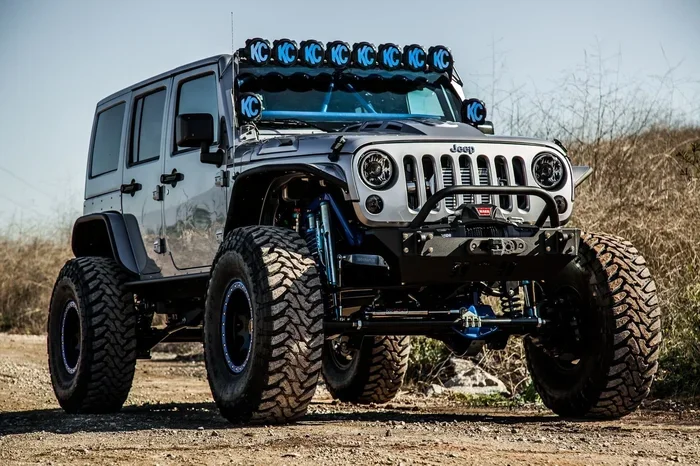
The amount of trouble depends heavily on how much you lift. A 2-inch suspension lift on a Jeep Wrangler JL causes relatively minor changes. A 6-inch lift on a Jeep Gladiator? That is a completely different engineering challenge. The bigger the lift, the more components need attention.
Suspension Lift vs Body Lift
Not all lifts are the same, and this is where many owners get confused. A suspension lift raises the entire suspension assembly. It changes ride height, ground clearance, and approach and departure angles. This type of lift affects handling and drivetrain geometry the most.
A body lift, on the other hand, separates the body from the frame using spacers. It does not change suspension geometry at all. Body lifts are simpler, cheaper, and generally cause fewer mechanical issues. They are great for fitting larger wheels without the headaches of a full suspension lift.
Many builders combine both for maximum wheel clearance without going overboard on cost. This hybrid approach often strikes the best balance between looks and reliability.
Common Problems Caused by Lifting a Jeep
Now let us talk about the stuff nobody wants to hear about. Does lifting a Jeep cause problems in real-world driving? Absolutely. Here are the most common ones we see.
Steering Wander and Handling Changes
One of the first things owners notice after a lift is steering feel. The Jeep might wander slightly on the highway. It might feel loose or imprecise at higher speeds. This happens because lifting changes the caster angle and scrub radius of your front axle.
Without a proper alignment, the steering system fights itself. You might notice your Jeep pulling to one side or requiring constant small corrections. This is not just annoying. It is also unsafe, especially at highway speeds or in wet conditions.
The fix is usually a post-lift alignment and sometimes upgraded steering components like a track bar or steering stabilizer. Skipping the alignment is the single biggest mistake new lift owners make.
Drivetrain Stress and CV Joint Wear
When you lift a Jeep, the driveshaft angles change. The CV joints and U-joints now operate at different angles than they were designed for. Over time, this extra stress causes wear. You might hear clicking noises when turning, vibration at speed, or greasing leaks from the CV boots.
In extreme cases, a badly installed lift can cause constant-velocity joints to fail prematurely. The weight of aftermarket parts also matters here. If you are adding heavy bumpers, armor, or winches, the drivetrain takes even more of a beating.
To put it in perspective, adding 000 lbs heavy for a car is a serious consideration when you factor in all the aftermarket gear that often accompanies a lifted Jeep. Every extra pound adds stress to joints, brakes, and suspension components.
Axle Wrap and Leaf Spring Issues
Jeep Wranglers with solid axles are particularly prone to axle wrap after a lift. This happens when the rear axle twists under acceleration, causing the leaf springs to wrap around the axle tube. It results in harsh handling, tire hop, and eventually spring failure.
Lift kits that raise the rear without proper control arms make this worse. The solution often involves adding traction bars, upgrading to better leaf springs, or switching to a 4-link setup for serious off-road builds.
Wheel Alignment and Tire Rub
A lifted Jeep with bigger tires is gorgeous. But those tires can rub against fenders, control arms, or the body during sharp turns or full compression. Tire rub is not just annoying. It can damage both the tire and the fender over time.
Proper wheel offset, correct backspacing, and fender trimming all help prevent this issue. But the root cause is almost always an improper alignment after the lift. A simple alignment job solves most tire rub complaints.
How to Avoid Lift-Related Problems
The good news is that most lift-related problems are entirely preventable. You just need to plan ahead and make smart choices. Here is how to keep your lifted Jeep running strong.
Choose the Right Lift Kit for Your Model
Not every lift kit fits every Jeep. A kit designed for a TJ Wrangler will not work on a JK or JL model. Always match your lift kit to your specific model year and trim. Manufacturers list compatibility clearly, so double-check before you buy.
Also consider your goals. If you just want bigger tires and a slightly raised look, a small suspension lift or body lift works great. If you want serious off-road capability with 37-inch tires, you need a full suspension lift with upgraded control arms, track bars, and steering components.
Invest in Quality Parts
This is where budget-conscious owners often go wrong. Cheap lift kits use lower-grade steel and inferior bushings. They wear out faster and can introduce dangerous flex points into your chassis. Spending more upfront saves you from expensive repairs later.
Look for kits from reputable brands with solid warranties. Read real owner reviews. Ask in Jeep forums. The community is incredibly helpful when it comes to recommending reliable lift components.
Always Get a Professional Alignment
We cannot stress this enough. After any lift, get a professional alignment. Do not skip it. Do not try to eyeball it. A proper alignment ensures your tires wear evenly, your steering feels right, and your Jeep tracks straight on the highway.
Most shops will charge between 80 and 150 dollars for an alignment. That is a tiny price compared to replacing premature tires or steering components because of neglect.
Budget for Ongoing Maintenance
A lifted Jeep costs more to maintain than a stock one. You will need to inspect CV boots, check shock absorbers, monitor ball joints, and track bar bushings more frequently. The higher the lift, the more often you need to check these parts.
Think of it like owning a high-performance vehicle. More capability means more responsibility. Stay on top of inspections, and your lifted Jeep will reward you with years of reliable service.
Is a Lift Worth It? Weighing the Pros and Cons
Every owner has to decide for themselves whether a lift makes sense. Let us break down the trade-offs honestly.
The Pros
- Massive off-road capability: More ground clearance means you can tackle trails that would destroy a stock Jeep.
- Larger tire fitment: Bigger tires give you better traction, a smoother ride on rough terrain, and a more aggressive look.
- Improved approach and departure angles: You stop scraping every rock and log on the trail.
- Better visibility: Sitting higher gives you a commanding view of the road and trail ahead.
- Customization potential: A lifted Jeep opens the door to endless aftermarket upgrades and personal expression.
The Cons
- Higher center of gravity: This increases rollover risk, especially during sharp turns at speed.
- Increased maintenance costs: More parts wear faster and replacement costs add up.
- Potential warranty issues: Some manufacturers may deny warranty claims related to lift-induced stress.
- Reduced fuel economy: A heavier, less aerodynamic Jeep burns more fuel. If you are tracking mileage, keep in mind that 000 miles a lot for a diesel is a different conversation than what you face with a gas-powered Jeep.
- Street ride quality: Some lifts make the on-road ride harsher and noisier than stock.
For most off-road enthusiasts, the pros outweigh the cons. But it is important to go in with your eyes open. A lift is a commitment, not just a weekend project.
Maintenance Tips Specific to Lifted Jeeps
Once your Jeep is lifted, your maintenance routine needs to change. Here are the key areas to watch.
Inspect Steering and Suspension Components Regularly
Lift kits put extra stress on every steering and suspension part. Check your track bar, control arm bushings, ball joints, and tie rods at every oil change. Catching wear early prevents costly breakdowns on the trail.
Monitor Shock Absorber Condition
Shocks take a beating on a lifted Jeep. They work harder to control the increased suspension travel. Replace them on a regular schedule, and consider upgrading to heavy-duty or reservoir shocks if you do serious off-roading.
Keep Your Drivetrain Greased and Sealed
CV boots and U-joints need regular inspection. A torn boot leads to a dead CV joint, which is an expensive and roadside-stranding repair. Grease fittings regularly and replace boots at the first sign of cracking.
Check Your Tire Pressure More Often
Larger tires lose pressure faster, especially in cold weather. Running low tire pressure on pavement causes uneven wear and reduces fuel economy. Keep a quality tire gauge in your Jeep and check pressure at least once a month.
Consider Upgrading Your Brake Lines
When you lift a Jeep, the brake lines stretch and may develop stress points. Braided brake line kits are inexpensive insurance against leaks and brake failure. This is one upgrade that is easy to skip but critical for safety.
Expert Insights: What Mechanics Wish You Knew
We asked several Jeep mechanics and off-road builders for their honest take on lifted Jeeps. Here is what they had to say.
“The number one mistake I see is people lifting their Jeep and then not doing anything else,” says Jake Morrison, a certified Jeep technician with over 15 years of experience. “The lift is only half the equation. You need upgraded track bars, proper alignment, and a realistic maintenance plan.”
Another common issue mechanics flag is ignoring caster and camber settings. “A lift changes your wheel angles dramatically,” explains Sarah Chen, a suspension specialist. “If those angles are off, your tires wear out in months instead of years. Alignment is not optional after a lift.”
One final insight from the pros: start small. If you are new to lifting, a 2-inch or 3-inch kit gives you most of the benefits with far fewer complications. You can always go bigger later once you understand how your Jeep responds to the changes.
Final Verdict: Does Lifting a Jeep Cause Problems?
So, does lifting a Jeep cause problems? The short answer is that it can, but it does not have to. The vast majority of issues come from poor part quality, incorrect installation, or skipped maintenance. Do those things right, and your lifted Jeep will be a reliable, capable machine for years to come.
Plan your lift carefully. Choose quality parts. Get professional installation. Stay on top of alignment and inspections. Follow these rules, and you will enjoy every single mile in your raised Jeep without the headaches most owners dread.
A lift is an investment. Like any investment, it pays off when you put in the work upfront. Your Jeep will thank you with better trails, better looks, and better performance every time you turn the key.
Frequently Asked Questions
Will lifting my Jeep void the factory warranty?
It depends on your dealer and the specific issue. If a lift directly causes a warranty claim, the manufacturer may deny coverage for related parts. However, they cannot void your entire warranty just because you added a lift kit. Always check your warranty terms and keep all original parts if possible.
What is the best lift height for a beginner?
Most experts recommend starting with a 2-inch to 3-inch suspension lift. This height gives you meaningful gains in ground clearance and tire size without introducing major drivetrain or geometry issues. It is the sweet spot for first-time lift owners.
Can I lift my Jeep myself or should I hire a professional?
DIY lifts are possible if you have solid mechanical skills and the right tools. However, professional installation ensures proper fitment, alignment, and safety. For most owners, spending a few hundred dollars on professional install saves hundreds in potential mistakes and rework.
Do lifted Jeeps have more rollover risk?
Yes, a higher center of gravity increases rollover risk, especially during sharp turns or sudden maneuvers at speed. This is why proper tire maintenance, correct alignment, and cautious driving are even more important in a lifted Jeep. Always respect the limits of your vehicle.
How often should I align my lifted Jeep?
Get an alignment immediately after installation and then every 12 months or 12,000 miles, whichever comes first. If you notice steering pull, uneven tire wear, or handling changes, get an alignment checked right away. Regular alignment keeps your tires lasting longer and your ride safe.
Are aftermarket shocks necessary after a lift?
Stock shocks are not designed to handle the increased suspension travel of a lifted Jeep. Upgrading to aftermarket shocks, especially heavy-duty or reservoir-style shocks, dramatically improves ride quality and control. This is one upgrade we strongly recommend for any lifted Jeep.
=== CONCLUSION ===
Lifting a Jeep does not have to cause problems if you approach it the right way. Choose quality parts, invest in professional installation, and commit to regular maintenance. The off-road rewards are absolutely worth it. Your lifted Jeep will handle trails better, look tougher, and give you the confidence to explore places you never thought possible.
Start planning your lift today. Do your research, talk to other Jeep owners, and make decisions based on your specific needs. A well-executed lift is one of the best upgrades you can make to your Jeep. Just remember to do it right, and your Jeep will reward you for years to come.