Are 1999 4Runners Reliable A Deep Dive Into Their Durability
Are 1999 4Runners reliable? Yes, the 1999 Toyota 4Runner has a strong reputation for durability and longevity. With a robust engine, solid build quality, and proven off-road capability, this model remains a favorite among SUV owners. However, like any vehicle, it comes with its own set of common issues that owners should know about.
Are 1999 4Runners Reliable A Deep Dive Into Their Durability
When people ask about tough, long-lasting SUVs, the Toyota 4Runner always comes up. And when the conversation turns to older models, the 1999 Toyota 4Runner often tops the list. Are 1999 4Runners reliable? The short answer is a strong yes. But like any vehicle with over two decades of history, there is more to the story.
The 1999 4Runner belongs to the third generation of this iconic SUV. Toyota built it with a focus on durability, simplicity, and real-world capability. It was not designed with flashy tech or luxury features. Instead, it was built to go anywhere and last for years. That philosophy is exactly why so many owners still drive these trucks today.
In this article, we will explore every angle of 1999 4Runner reliability. We will look at the engine, common problems, maintenance needs, and long-term ownership experience. Whether you are buying one or already own one, this guide has you covered.
Key Takeaways
- Strong Reliability: The 1999 4Runner is widely regarded as one of the most dependable Toyota SUVs ever made.
- Engine Longevity: The 3.4L V6 engine is known to last well over 200,000 miles with proper care.
- Common Issues Exist: Owners should watch for rust, transmission wear, and aging electrical systems.
- Low Ownership Cost: Parts are affordable and widely available, keeping repair bills manageable.
- Off-Road Heritage: The 1999 model retains the rugged DNA that made the 4Runner a legend.
- Resale Value: These trucks hold value remarkably well due to their reputation and demand.
📑 Table of Contents
- Why the 1999 4Runner Stands Out
- Engine and Powertrain Details
- Common Problems and What to Watch For
- Maintenance Tips for Longevity
- Ownership Cost and Value
- How the 1999 4Runner Compares
- Off-Road Capability and Performance
- Expert Insights on 1999 4Runner Ownership
- Should You Buy a 1999 4Runner?
- Final Thoughts
Why the 1999 4Runner Stands Out
The 1999 Toyota 4Runner earned its reputation through years of real-world testing. It was not a trendy vehicle. It was a workhorse. Farmers, off-road enthusiasts, and families all chose it for its dependability.
A Legacy of Trust
Toyota has built its brand around reliability. The 4Runner carries that legacy forward. By 1999, Toyota had already refined the 4Runner design through two previous generations. The result was a vehicle that felt refined but still rugged.
The third-generation 4Runner (1996 to 2002) is often considered the sweet spot for collectors and daily drivers alike. It combines the toughness of earlier models with a more comfortable ride. That balance is a big reason why these trucks still turn heads on the road today.
Build Quality That Lasts
Toyota used high-grade materials in the 1999 4Runner. The body panels were thick. The frame was sturdy. Inside, the cabin felt solid, with fewer creaks and rattles than competitors.
Many owners report that their 1999 4Runners still run strong after 200,000 miles. Some have even crossed the 300,000-mile mark. That kind of longevity does not happen by accident. It is a direct result of Toyota’s engineering philosophy.
Engine and Powertrain Details
The heart of any vehicle is its engine. And the 1999 4Runner engine is a big reason why these trucks are so reliable.
The 3.4L V6 Powerhouse
The 1999 4Runner came with a 3.4-liter V6 engine. This engine produced about 150 horsepower and 220 pound-feet of torque. Those numbers may sound modest by today’s standards. But the engine is known for its simplicity and strength.
The 3.4L V6 uses a cast-iron block, which adds durability. It also uses a belt-driven system rather than a chain, which reduces complexity. Fewer moving parts mean fewer things to break.
Transmission Options
Owners could choose between a five-speed manual and a four-speed automatic transmission. Both options are well-regarded. The manual transmission is simple and easy to maintain. The automatic transmission, while older by today’s standards, is known for its robustness.
One thing to watch for is the automatic transmission’s age. High-mileage examples may need fluid changes or rebuilds. But with regular maintenance, both transmissions can last the life of the truck.
Fuel Economy Considerations
The 1999 4Runner is not a fuel-efficient vehicle. Expect around 16 to 19 miles per gallon in mixed driving. City mileage will be lower. Highway mileage will be higher.
For a truck of this size and capability, that is reasonable. The trade-off is reliability and durability. If you need a vehicle that can haul gear, tow a trailer, or handle rough terrain, the fuel economy is a fair compromise.
Common Problems and What to Watch For
No vehicle is perfect. The 1999 4Runner has a few known issues that potential buyers should understand. Knowing these problems ahead of time helps you avoid costly surprises.
Rust and Body Corrosion
Rust is the biggest enemy of any older truck. The 1999 4Runner is no exception. Owners in cold climates or coastal areas should inspect the undercarriage carefully.
Common rust spots include:
- Wheel wells
- Door bottoms
- Frame rails
- Exhaust components
Regular washing and undercoating can slow rust formation. If you buy a used 1999 4Runner, have a professional inspect for rust before committing.
Transmission Wear
The four-speed automatic transmission in the 1999 4Runner is generally reliable. However, high-mileage units may develop issues. Slipping gears, rough shifting, and fluid leaks are the most common problems.
Regular transmission fluid changes are essential. Many experts recommend changing the fluid every 60,000 miles. This simple maintenance task can extend the transmission life significantly.
Aging Electrical Systems
After 25 years, electrical components naturally degrade. The 1999 4Runner may experience:
- Flickering dashboard lights
- Faulty power window switches
- Intermittent gauge failures
- Corroded wiring connections
These issues are usually minor and affordable to fix. But they can be frustrating if left unaddressed. A thorough electrical inspection is a smart move before purchasing any older vehicle.
Suspension Components
The 1999 4Runner uses a solid rear axle and independent front suspension. Over time, bushings, ball joints, and shock absorbers wear out. Signs of suspension wear include:
- Clunking noises over bumps
- Uneven tire wear
- Pulling to one side
- Rough ride quality
Replacing suspension components is straightforward and affordable. Many parts are still widely available.
Maintenance Tips for Longevity
The key to a reliable 1999 4Runner is consistent maintenance. Follow these tips to keep your truck running strong for years to come.
Stick to a Regular Schedule
Toyota recommends specific maintenance intervals for every component. Follow them closely. Oil changes, filter replacements, and fluid checks should never be skipped.
A basic maintenance schedule for the 1999 4Runner includes:
- Oil and filter change every 5,000 to 7,500 miles
- Transmission fluid change every 60,000 miles
- Coolant flush every 50,000 miles
- Brake inspection every 15,000 miles
- Timing belt inspection every 60,000 miles
Address Small Problems Early
Small issues become big problems fast on older vehicles. A minor leak can become a major repair if ignored. Unusual noises should be investigated immediately.
Smart owners keep up with small fixes. This approach saves money and prevents breakdowns down the road.
Use Quality Parts
Aftermarket parts vary widely in quality. For critical components like brakes, suspension parts, and engine seals, stick with OEM or high-quality aftermarket brands. The savings from cheap parts are not worth the risk.
Keep It Clean
Regular washing protects the body from rust and corrosion. Pay special attention to the undercarriage, especially in winter months when road salt is used.
Clean interiors also preserve the cabin condition, which matters for resale value.
Ownership Cost and Value
One of the biggest advantages of the 1999 4Runner is its low cost of ownership. Parts are affordable and widely available. Mechanics familiar with Toyota trucks are easy to find.
Parts Availability
Toyota has one of the best parts networks in the automotive industry. Whether you need a simple trim piece or a major engine component, parts are easy to source.
Many aftermarket companies also produce upgrades and replacements for the 4Runner. This means you have options for every budget.
Insurance and Registration
Older vehicles typically cost less to insure. The 1999 4Runner is no exception. Insurance premiums are generally lower than for newer models.
Registration fees also tend to be lower for older trucks, depending on your state.
Resale Value
The 1999 4Runner holds its value remarkably well. Clean, well-maintained examples command strong prices in the used market. This is partly due to the model’s reputation and partly due to growing collector interest.
If you are buying a 1999 4Runner as an investment, you are making a smart choice. These trucks only appreciate as they become rarer.
How the 1999 4Runner Compares
It helps to compare the 1999 4Runner to similar vehicles from the same era. This gives you a clearer picture of its strengths and weaknesses.
1999 4Runner vs. 2005 Ford F150
The 2005 Ford F150 is another popular truck from this era. While the F150 offers more towing capacity and a wider range of engines, the 4Runner wins on long-term reliability and rust resistance. The Toyota also has a more rugged off-road reputation.
1999 4Runner vs. 2004 Ford F150
The 2004 Ford F150 represents a more modern pickup truck. It has better fuel economy and more refined handling. However, the 1999 4Runner offers a simpler, more repairable design that many owners prefer for long-term ownership.
1999 4Runner vs. Modern SUVs
Modern SUVs offer advanced safety features, infotainment systems, and better fuel economy. But they also have complex electronics and turbocharged engines that are expensive to repair. The 1999 4Runner’s simplicity is its greatest strength. There is less to go wrong.
Off-Road Capability and Performance
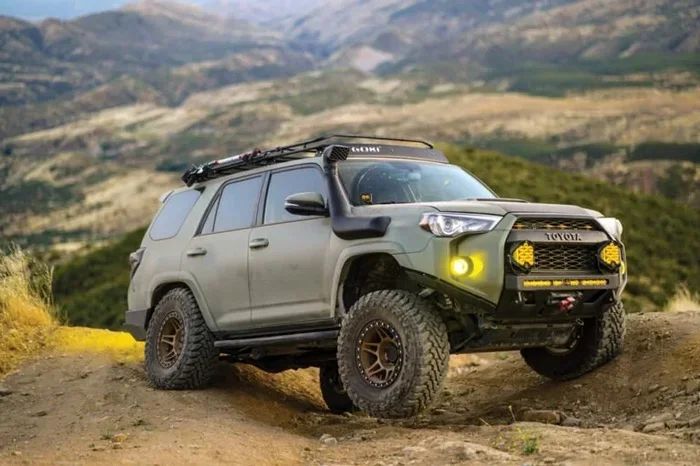
The 1999 4Runner was built to handle rough terrain. It comes with a solid rear axle, decent ground clearance, and available four-wheel drive. These features make it a capable off-road companion.
4WD Systems
The 1999 4Runner offered part-time and full-time four-wheel drive systems. The part-time system is best for off-road use. The full-time system works well on paved roads and light trails.
Ground Clearance and Approach Angles
With around 9.6 inches of ground clearance, the 1999 4Runner can handle most trails with confidence. The approach and departure angles are also favorable for off-roading.
Real-World Off-Road Performance
Owners regularly take their 1999 4Runners on challenging trails. The truck handles rocks, mud, and steep inclines with ease. Its reputation as a reliable off-road vehicle is well-earned.
Expert Insights on 1999 4Runner Ownership
Automotive experts consistently rate the Toyota 4Runner as one of the most reliable SUVs on the market. The 1999 model year is no exception. Consumer Reports and J.D. Power have both given the 4Runner strong reliability scores across multiple years.
Mechanics who work on these trucks frequently praise their simplicity. There are fewer electronics to fail, fewer sensors to malfunction, and fewer complex systems to troubleshoot. This makes repairs faster and less expensive.
Long-term owners also highlight the importance of finding a good mechanic. A Toyota specialist who knows the 4Runner inside and out can make ownership even more enjoyable. They can spot potential issues before they become serious problems.
Should You Buy a 1999 4Runner?
The answer depends on your needs and expectations. If you want a reliable, rugged SUV that can handle anything, the 1999 4Runner is an excellent choice. If you want modern comfort features and cutting-edge technology, you may want to look elsewhere.
Before buying any used vehicle, always get a pre-purchase inspection. Have a trusted mechanic check the engine, transmission, suspension, and body condition. This step alone can save you thousands of dollars in unexpected repairs.
The 1999 4Runner is not perfect. It has its quirks and known issues. But for owners who appreciate simplicity, durability, and off-road capability, it is hard to beat. These trucks were built to last, and many of them still prove that fact every day.
Final Thoughts
Are 1999 4Runners reliable? The evidence is clear. They are. The 1999 Toyota 4Runner is a durable, capable, and dependable SUV that has earned its place in automotive history. With proper maintenance and care, it can easily serve you for hundreds of thousands of miles.
Whether you are looking for a daily driver, a weekend adventure vehicle, or a long-term investment, the 1999 4Runner delivers. Its reputation for reliability is not just marketing hype. It is backed by decades of real-world ownership experiences.
If you are in the market for a used SUV that will not let you down, the 1999 4Runner deserves a serious look. It is one of those rare vehicles that actually gets better with age.
Frequently Asked Questions
What engine does the 1999 Toyota 4Runner have?
The 1999 4Runner comes with a 3.4-liter V6 engine that produces about 150 horsepower. This engine is known for its durability and simplicity, making it a favorite among long-term owners.
How many miles can a 1999 4Runner last?
With proper maintenance, a 1999 4Runner can easily last over 200,000 miles. Many owners report crossing the 300,000-mile mark. Regular oil changes and timely repairs are key to reaching those high mileage numbers.
Is the 1999 4Runner good for off-roading?
Yes, the 1999 4Runner is an excellent off-road vehicle. It comes with a solid rear axle, good ground clearance, and available four-wheel drive. These features make it capable on trails, rocks, and rough terrain.
What are the most common problems with the 1999 4Runner?
The most common issues include rust, transmission wear, aging electrical systems, and suspension component deterioration. Regular inspections and prompt repairs can prevent most of these problems from becoming serious.
Are parts for the 1999 4Runner easy to find?
Yes, Toyota parts are widely available and affordable. Many aftermarket companies also produce replacements and upgrades. This makes maintenance and repairs straightforward and cost-effective.
Should I buy a 1999 4Runner as my first vehicle?
The 1999 4Runner is a solid choice for a first vehicle if you value reliability and simplicity. However, older vehicles require more attention to maintenance. Make sure you have access to a good mechanic and are comfortable with basic upkeep.