Can You Drive a Hybrid Camry With a Dead Battery Now
Yes, you can drive a Toyota Camry hybrid with a dead 12-volt battery, but the high-voltage hybrid battery tells a different story. A dead 12-volt auxiliary battery will prevent your Camry from starting normally, yet the hybrid powertrain may still operate once running. A dead high-voltage hybrid battery is a completely different problem and will keep the car from moving at all. Understanding which battery has failed is the first step to finding the right solution.
Key Takeaways
- Two batteries exist: The 12-volt auxiliary battery starts the car, while the high-voltage hybrid battery powers the electric motor.
- A dead 12-volt battery does not stop you from driving: Once the hybrid system is running, it can keep the 12-volt battery charged.
- A dead high-voltage hybrid battery means the car won’t move: This battery is essential for propulsion and cannot be bypassed.
- Warning signs include reduced fuel economy and dashboard alerts: Catching these early saves you from being stranded.
- Jump-starting a hybrid Camry is possible but requires care: Follow the correct procedure to avoid damaging the electrical system.
- Regular maintenance extends hybrid battery life: Simple habits can add years to your Toyota hybrid system.
📑 Table of Contents
- Can You Drive a Hybrid Camry With a Dead Battery?
- The Two Batteries in a Hybrid Camry
- Can You Actually Drive a Hybrid Camry With a Dead Battery?
- Warning Signs Your Hybrid Battery Is Failing
- What To Do When Your Hybrid Camry Battery Dies
- Common Mistakes People Make With Dead Hybrid Batteries
- How Long Should a Hybrid Camry Battery Last?
- Cost of Hybrid Battery Replacement
- Final Thoughts
Can You Drive a Hybrid Camry With a Dead Battery?
If you own a Toyota Camry hybrid, you have probably wondered about this exact scenario. You walk out to your car, turn the key or press the start button, and nothing happens. The dashboard stays dark. The engine doesn’t turn over. Your mind immediately jumps to the worst conclusion: your battery is dead.
Here is the good news. A dead 12-volt auxiliary battery on a Toyota Camry hybrid does not mean you are stuck forever. But a dead high-voltage hybrid battery is a completely different story. Understanding the difference between these two power sources is the key to knowing what you can and cannot do.
This article breaks down everything you need to know. We will cover the two types of batteries in your Camry, what happens when each one dies, warning signs to watch for, and what steps to take when you find yourself in this situation. Whether you are dealing with a dead hybrid battery or just a drained auxiliary battery, you will find clear answers here.
Why This Matters for Hybrid Owners
Hybrid vehicles like the Camry use a hybrid powertrain that combines a gasoline engine with an electric motor. This setup gives you better fuel economy and lower emissions. But it also means you have more than one battery to worry about. When something goes wrong, figuring out which battery failed can save you time, money, and a lot of stress.
Many people assume all car batteries are the same. They are not. Your Toyota Camry hybrid relies on two separate battery systems working together. When one fails, the other may still keep you moving. Or it may not. Let us look at exactly how this works.
The Two Batteries in a Hybrid Camry
Every Toyota Camry hybrid has two distinct batteries. They serve different purposes and live in different parts of the car. Knowing where each one sits and what it does helps you understand why a dead battery does not always mean a dead car.
The 12-Volt Auxiliary Battery
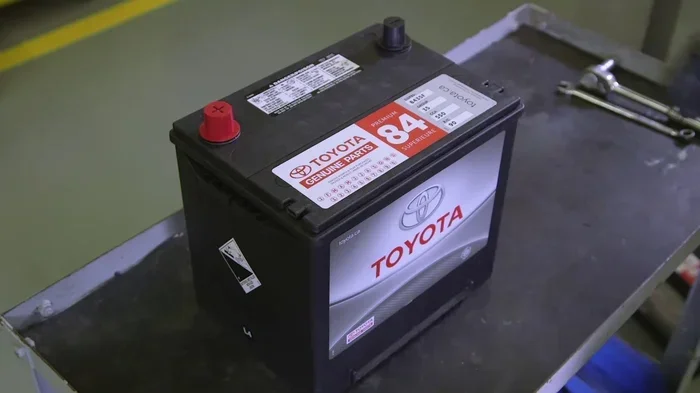
The 12-volt auxiliary battery is the smaller of the two. It lives under the hood, usually on the right side of the engine bay. This battery powers all the electronics in your car. It runs the lights, the infotainment system, the power windows, and the hybrid control module. Most importantly, it provides the initial electrical power needed to start the car.
When you press the start button on a Camry hybrid, the 12-volt battery sends a signal to the hybrid system. This tells the car to wake up and prepare to drive. Without a working 12-volt battery, the car cannot start. But here is the twist: once the hybrid system is running, the DC-DC converter recharges the 12-volt battery using power from the high-voltage hybrid battery.
The High-Voltage Hybrid Battery
The high-voltage hybrid battery is the big one. It sits in the trunk or under the rear seat, depending on your model year. This battery stores the electrical energy that powers the electric motor. It also works alongside the gasoline engine to provide regenerative braking energy and smooth acceleration.
A fully charged high-voltage hybrid battery in a Camry typically carries around 200 to 300 volts. This is enough to move the car on electric power alone at low speeds. It also works with the gasoline engine to deliver the combined hybrid system performance Toyota is known for.
Key difference: The high-voltage battery cannot start the car by itself. It needs the 12-volt battery to wake up the system first. And the 12-volt battery cannot move the car by itself. Both batteries must be healthy for your Camry hybrid to work properly.
Can You Actually Drive a Hybrid Camry With a Dead Battery?
The short answer depends entirely on which battery is dead. Let us break this down into two clear scenarios so you know exactly what to expect.
Scenario 1: Dead 12-Volt Battery
If your 12-volt auxiliary battery is dead, you cannot start the car the normal way. The dashboard will not light up. You will hear no cranking. The car appears completely dead.
However, once you jump-start the 12-volt battery or replace it, the hybrid system wakes up. The high-voltage battery still has power, and the car can drive normally. The hybrid powertrain takes over, and you may not even notice there was a problem. The DC-DC converter will recharge the 12-volt battery as you drive.
This means a dead 12-volt battery is more of an inconvenience than a catastrophe. You just need a jump or a replacement, and you are back on the road.
Scenario 2: Dead High-Voltage Hybrid Battery
A dead high-voltage hybrid battery is a much bigger problem. Without this battery, the electric motor cannot run. The gasoline engine alone may not have enough power to start the hybrid system properly.
In most cases, a dead high-voltage hybrid battery means your Camry will not move at all. The car may start in accessory mode. The dashboard lights might come on. But when you press the drive pedal, nothing happens. The hybrid system shuts down completely because it cannot draw power from the high-voltage battery.
Some owners report that their Camry goes into a limp mode with a partially failed high-voltage battery. In limp mode, the car might move at very low speeds using the gasoline engine alone. But this is not a reliable or safe way to drive. You should get the battery replaced or repaired as soon as possible.
⚠ Important Safety Note: Never attempt to open or service the high-voltage hybrid battery yourself. The voltage levels can be dangerous. Always work with a certified Toyota technician or a qualified hybrid specialist.
Warning Signs Your Hybrid Battery Is Failing
Hybrid batteries do not usually die overnight. They give you plenty of warning signs long before they stop working completely. Catching these signs early can save you from getting stranded and from facing a costly hybrid battery replacement.
Reduced Fuel Economy
One of the first things you will notice is a drop in fuel economy. The whole point of a hybrid is to use less gas. If your Camry is suddenly guzzling fuel, the hybrid battery may not be holding a charge properly. The gasoline engine is picking up the slack, which means you are burning more gas than usual.
Dashboard Warning Lights
Toyota Camry hybrids have specific warning lights for the hybrid system. If you see a hybrid warning light on the dashboard, do not ignore it. This light means the hybrid system has detected a problem. It could be the battery, the inverter, or another component. Either way, you should get it checked right away.
If you see the check engine light along with a hybrid warning, pull over safely and turn off the car. Continuing to drive could cause more damage to the hybrid powertrain.
Unusual Noises
A healthy hybrid Camry is remarkably quiet. If you start hearing loud clicking, buzzing, or whining noises when you try to start the car, something is wrong. These sounds often indicate the battery is struggling to deliver power. The hybrid system is trying to engage but cannot get the energy it needs.
Battery Not Holding a Charge
You can check the hybrid battery charge level through the dashboard display. If the charge drops quickly or stays very low even after driving, the battery is degrading. A healthy hybrid battery should maintain a consistent charge level during normal driving.
What To Do When Your Hybrid Camry Battery Dies
So you are standing in your driveway with a dead battery. Now what? Here is a step-by-step guide to getting back on the road safely.
Step 1: Identify Which Battery Is Dead
Check the dashboard. Do any lights come on when you turn the key to the accessory position? If yes, the 12-volt battery might just be low, not completely dead. If nothing happens at all, the 12-volt battery is likely the problem.
Next, check the hybrid battery indicator on the dashboard display. If it shows a low charge or a warning symbol, the high-voltage hybrid battery might be failing. This changes your approach entirely.
Step 2: Try a Jump Start
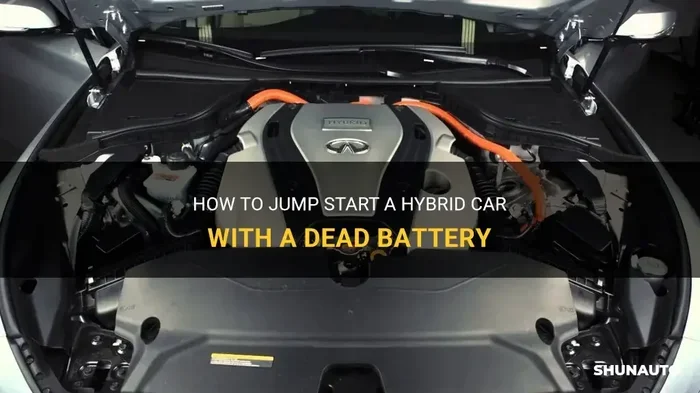
If the 12-volt battery is dead, you can jump-start your Camry hybrid. You will need jumper cables and another vehicle or a portable jump starter.
Here is how to do it safely:
- Turn off both cars. Make sure the donor vehicle is parked close but not touching.
- Connect the red jumper cable to the positive terminal of the dead battery.
- Connect the other red clamp to the positive terminal of the donor battery.
- Connect the black cable to the negative terminal of the donor battery.
- Connect the other black clamp to an unpainted metal surface on your Camry, away from the battery.
- Start the donor vehicle first. Let it run for a few minutes.
- Try starting your Camry hybrid. If it starts, let it run for at least 20 minutes to recharge the 12-volt battery.
Important: Never jump-start a hybrid Camry with the high-voltage hybrid battery disconnected. Always keep the hybrid system connected and powered. The 12-volt jump start is only for the auxiliary battery.
Step 3: Replace the Battery if Needed
If jump-starting does not work, the 12-volt battery may need to be replaced. You can buy a new 12-volt battery at most auto parts stores. The Camry hybrid uses a standard group size battery, so finding a replacement is straightforward.
For a dead high-voltage hybrid battery, you will need professional help. A Toyota dealer or certified hybrid shop can test the battery and recommend the right repair. In some cases, the battery modules can be replaced individually instead of replacing the entire unit. This can save you hundreds of dollars.
Step 4: Prevent Future Problems
Once you have resolved the dead battery issue, take steps to prevent it from happening again. Here are some practical tips:
- Drive your Camry hybrid regularly. Batteries last longer when they are used consistently.
- Keep the 12-volt battery terminals clean and free of corrosion.
- Avoid leaving electronics on when the car is off.
- Have the hybrid system checked during every oil change or maintenance visit.
- Monitor your fuel economy. A sudden drop is often the first sign of a battery problem.
Common Mistakes People Make With Dead Hybrid Batteries
When people discover their hybrid battery is dead, they often make avoidable mistakes. Here are the most common ones and how to prevent them.
Trying to Push-Start a Hybrid Camry
With a regular gasoline car, you can push-start it by putting it in neutral and gaining momentum. Do not try this with a Camry hybrid. The hybrid system requires electrical power to engage the transmission. Pushing the car will not work and could damage the hybrid powertrain.
Ignoring Warning Lights
Some drivers see a hybrid warning light and keep driving, hoping it goes away. This is a bad idea. Warning lights exist for a reason. Ignoring them can turn a small battery issue into a major hybrid battery replacement that costs thousands of dollars.
Using the Wrong Type of Battery
When replacing the 12-volt auxiliary battery, make sure you use the correct type and size. The Camry hybrid has specific battery requirements. Using the wrong battery can cause electrical problems and may even damage the hybrid system.
Delaying Replacement
Some owners put off replacing a failing battery because they do not want to spend the money. This often makes things worse. A weak battery can strain other components in the hybrid system, leading to more expensive repairs down the road.
How Long Should a Hybrid Camry Battery Last?
Toyota designs the high-voltage hybrid battery in the Camry to last the life of the vehicle. In real-world conditions, most owners get between 8 to 10 years or 100,000 to 150,000 miles out of their hybrid battery. Some owners have reported even longer lifespans with proper care.
The 12-volt auxiliary battery has a shorter lifespan, typically lasting 3 to 5 years. This is similar to a regular gasoline car battery. Extreme temperatures, infrequent driving, and leaving electronics on can shorten this lifespan.
If your Camry hybrid is older and the battery is reaching the end of its expected life, consider replacing it proactively. A new hybrid battery can restore your fuel economy and eliminate the worry of being stranded. Toyota also offers refurbished hybrid battery options that cost less than brand-new units and come with a warranty.
Factors That Affect Hybrid Battery Life
Several factors influence how long your hybrid battery lasts:
- Driving habits: Frequent short trips can reduce battery life. Longer drives allow the battery to fully charge and discharge properly.
- Climate: Extreme heat and extreme cold both accelerate battery degradation. Keeping your Camry in a garage helps.
- Maintenance: Regular check-ups and timely repairs keep the entire hybrid system healthy.
- Battery quality: OEM Toyota batteries tend to last longer than aftermarket alternatives.
Cost of Hybrid Battery Replacement
Replacing a high-voltage hybrid battery in a Toyota Camry is not cheap. The cost typically ranges from $2,000 to $4,000 for parts and labor. However, the price varies depending on your model year and where you go for service.
Here is a rough cost breakdown:
- OEM battery from a dealer: $3,000 to $4,000 installed
- Refurbished battery: $1,500 to $2,500 installed
- Aftermarket battery: $1,000 to $2,000 installed
- Individual module replacement: $500 to $1,500 depending on how many modules need replacing
While the upfront cost seems high, remember that a hybrid Camry saves you money at the pump. Over time, the fuel economy gains can offset the battery replacement cost. Plus, many shops offer payment plans and warranties on replacement batteries.
It is also worth noting that some states offer incentives or rebates for hybrid vehicle maintenance and repairs. Check with your local Department of Motor Vehicles or energy office to see if you qualify.
Final Thoughts
So, can you drive a Toyota Camry hybrid with a dead battery? The answer is nuanced. A dead 12-volt battery will prevent you from starting the car, but once jumped or replaced, you can drive normally. A dead high-voltage hybrid battery means the car will not move at all, and you need professional help.
The most important thing you can do is pay attention to the warning signs. Reduced fuel economy, dashboard lights, and unusual noises are your car telling you something is wrong. Address these issues early, and you will avoid being stranded and save money on costly repairs.
Your Toyota Camry hybrid is a reliable and efficient vehicle. With proper care and attention, the hybrid battery system will serve you well for many years. When problems do arise, you now know exactly what to look for and what steps to take. Stay proactive, stay informed, and keep your Camry hybrid running strong.
If you ever find yourself dealing with a car that won’t start or a battery issue you cannot resolve, remember that help is always available. Whether you need a simple jump-start or a full hybrid battery replacement, understanding your vehicle puts you in the best position to make the right decision.
And if you are curious about other driving scenarios, check out our article on Can I Still Drive With A P0171 Code to learn more about driving your car when warning systems are active.
Frequently Asked Questions
Can I jump-start my hybrid Camry the same way as a regular car?
Yes and no. The process for jump-starting the 12-volt auxiliary battery is similar to a regular car. However, you must never connect jumper cables to the high-voltage hybrid battery terminals. Always follow the manufacturer’s instructions and connect to the 12-volt battery only. If you are unsure, consult your owner’s manual or call a professional.
How much does it cost to replace a hybrid Camry battery?
Replacing a high-voltage hybrid battery typically costs between $2,000 and $4,000, depending on the model year and whether you choose OEM, refurbished, or aftermarket parts. The 12-volt auxiliary battery is much cheaper, usually between $100 and $200. Always get a quote from a certified Toyota technician before committing to a replacement.
Can I drive my Camry hybrid on just the gasoline engine if the hybrid battery dies?
In most cases, no. The hybrid system requires the high-voltage battery to function properly. If the battery is completely dead, the car will not start or move. Some older models may enter a limp mode that allows very limited driving on gasoline alone, but this is not a reliable or recommended solution. Get the battery repaired or replaced as soon as possible.
How long does a Toyota Camry hybrid battery last?
Toyota designs the high-voltage hybrid battery to last between 8 and 10 years or 100,000 to 150,000 miles. The 12-volt auxiliary battery typically lasts 3 to 5 years. Your driving habits, climate, and maintenance routine all play a role in determining the actual lifespan of your batteries.
Is it safe to drive a hybrid Camry with a warning light on the dashboard?
It depends on the warning light. A hybrid warning light or check engine light means the system has detected a problem. You should pull over safely and turn off the car. Continuing to drive could cause further damage. Have the vehicle towed to a qualified technician if you are unsure about the severity of the issue.
Can I replace the hybrid battery myself?
No. The high-voltage hybrid battery in a Camry carries very high voltage and can be extremely dangerous if handled improperly. Always have the battery replaced or serviced by a certified Toyota technician or a qualified hybrid specialist. Attempting a DIY replacement can result in serious injury or vehicle damage.