Are Toyota Batteries Good Here Is What You Need to Know
Toyota batteries are widely regarded as reliable and durable, offering solid performance across most Toyota models. Most owners experience a battery lifespan of 3 to 5 years with proper care. This guide covers everything from battery health and replacement costs to maintenance tips and common mistakes.
Toyota batteries have earned a strong reputation among car owners for their reliability and consistent performance. Whether you drive a Toyota Corolla, a Toyota Camry, or a rugged Tacoma, your battery plays a huge role in keeping your vehicle running smoothly. So, are Toyota batteries good? The short answer is yes. But like any car component, understanding how they work and how to care for them makes all the difference.
In this guide, we will walk you through everything you need to know about Toyota battery quality, lifespan, replacement costs, and maintenance. You will learn what makes these batteries stand out, how to spot early warning signs of failure, and what you can do to get the most miles out of your battery. Whether you are a new Toyota owner or have been driving one for years, this article has practical insights that will help you stay ahead of battery problems.
Key Takeaways
- Reliable Performance: Toyota batteries are known for lasting 3 to 5 years on average with proper maintenance.
- Affordable Replacement: Replacement costs typically range from $100 to $300 depending on the model.
- Strong Warranty Coverage: Many Toyota batteries come with a solid warranty from the manufacturer.
- Hybrid Battery Options: Toyota also offers hybrid battery technology that adds extra longevity and efficiency.
- Easy Maintenance: Simple steps like cleaning terminals and checking fluid levels can extend battery life significantly.
- OEM vs Aftermarket: OEM Toyota batteries tend to offer better fit and reliability than aftermarket alternatives.
📑 Table of Contents
- Why Toyota Batteries Are Considered Reliable
- How Long Do Toyota Batteries Last?
- Toyota Battery Replacement Cost
- Toyota Hybrid Battery: What You Should Know
- Signs Your Toyota Battery Is Failing
- Tips to Make Your Toyota Battery Last Longer
- Common Mistakes Toyota Owners Make With Their Batteries
- Expert Insights on Toyota Battery Quality
- Final Thoughts
Why Toyota Batteries Are Considered Reliable
Toyota builds its vehicles with quality components, and the battery is no exception. The company has spent decades refining its engineering, and that shows in the battery department. Toyota batteries are designed to handle daily driving demands without throwing frequent fits. They are built to endure temperature swings, short trips, and the constant drain of modern car electronics.
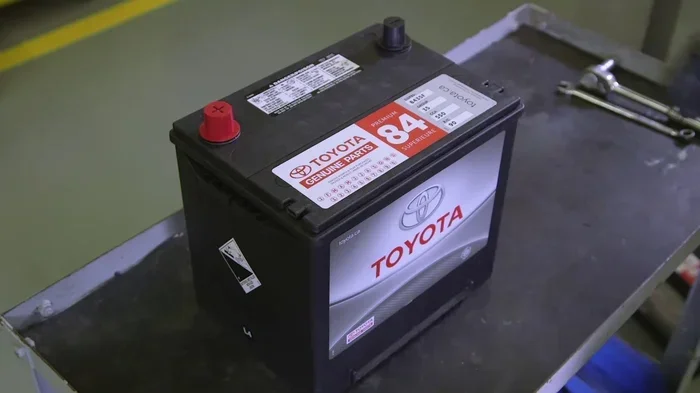
One reason Toyota batteries perform well is the brand’s strict quality control. Every battery goes through testing before it leaves the factory. This means fewer defects and a more consistent product on dealership shelves. When you buy a Toyota OEM battery, you are getting a part that was made specifically for your vehicle model.
OEM vs Aftermarket Batteries
When it comes time to replace your battery, you will have two main options: OEM (Original Equipment Manufacturer) and aftermarket batteries. OEM batteries are made by Toyota or its approved suppliers. Aftermarket batteries are made by third-party companies.
Here is a quick comparison:
- OEM Toyota Batteries: Designed specifically for your model. They come with a manufacturer warranty and tend to fit perfectly.
- Aftermarket Batteries: Often cheaper, but quality varies widely. Some brands are excellent, while others may not last as long.
For most Toyota owners, sticking with an OEM battery is the safest bet. It ensures compatibility and gives you peace of mind. If you want to explore aftermarket options, make sure you choose a trusted brand with good reviews.
How Long Do Toyota Batteries Last?
The average Toyota battery lifespan falls between 3 and 5 years. However, several factors can shorten or extend that range. Your driving habits, climate, and how well you maintain the battery all play a role.
In warmer climates, batteries tend to degrade faster. Heat causes the internal fluid to evaporate, which damages the battery plates over time. In colder climates, batteries work harder to start the engine, which can strain an already aging unit.
Factors That Affect Battery Life
- Driving Frequency: Cars that sit unused for long periods drain the battery faster.
- Short Trips: Frequent short trips do not give the battery enough time to fully recharge.
- Temperature Extremes: Both hot and cold weather accelerate battery wear.
- Electrical Accessories: Leaving lights, radios, or chargers on drains the battery.
- Battery Age: Even with perfect care, batteries lose capacity over time.
A good rule of thumb is to have your battery tested every year after the three-year mark. Most auto parts stores offer free battery testing. This simple step can save you from a surprise breakdown on a busy morning.
Toyota Battery Replacement Cost
Nobody likes unexpected expenses, and battery replacement is one of those costs that sneaks up on car owners. The good news is that Toyota battery replacement is generally affordable compared to many other vehicle repairs.
On average, you can expect to pay between $100 and $300 for a new Toyota battery. The price depends on the model, battery size, and whether you choose OEM or aftermarket. Labor costs are usually minimal since most Toyota batteries are easy to access.
Does AutoZone Install Batteries?
If you want to save on labor costs, you might consider buying your battery from a retailer like AutoZone. So, does AutoZone install batteries? Yes, AutoZone offers free battery installation with purchase in most locations. This can save you time and money compared to going through a Toyota dealer.
Just make sure the battery you buy matches your Toyota model’s specifications. Check the group size, cold cranking amps (CCA), and terminal placement before purchasing. A mismatched battery can cause electrical issues or fit poorly under the hood.
Toyota Hybrid Battery: What You Should Know
Toyota is a leader in hybrid technology, and the hybrid battery is at the heart of that success. If you drive a Toyota hybrid like the Prius or RAV4 Hybrid, you have two battery systems: a standard 12V battery and a high-voltage hybrid battery pack.
The 12V battery starts the car and powers accessories. The hybrid battery pack powers the electric motor and works alongside the gasoline engine. Both batteries are important, but they serve very different purposes.
Hybrid Battery Lifespan
Toyota hybrid batteries are designed to last a long time. Many owners report 100,000 to 150,000 miles before needing a replacement. Some even go beyond that range with proper care. Toyota also backs hybrid batteries with an extended warranty, typically covering 8 to 10 years or 100,000 miles depending on your state.
If you own a hybrid, you should still pay attention to the 12V battery. This smaller battery can fail just like any standard car battery, and a dead 12V battery can prevent your hybrid from starting even if the hybrid pack is healthy.
Signs Your Toyota Battery Is Failing
Catching battery problems early can save you from getting stranded. Toyota vehicles give several warning signs when the battery is starting to weaken. Knowing these signs helps you act before you end up with a dead battery on a cold morning.
Here are the most common warning signs to watch for:
- Slow Engine Crank: If your engine takes longer than usual to start, the battery may be losing its charge.
- Battery Warning Light: A illuminated battery icon on your dashboard is a clear signal that something is wrong.
- Dimming Headlights: If your lights seem dimmer than usual, especially at idle, the battery might be struggling.
- Corrosion on Terminals: A white or bluish buildup around the battery terminals can disrupt the electrical connection.
- Frequent Jump Starts: If you find yourself needing a jump start more than once a month, it is time for a new battery.
- Swollen Battery Case: A bloated or cracked case indicates internal damage and the battery needs immediate replacement.
If you notice any of these signs, have your battery tested right away. Most Toyota dealers and auto parts stores can test your battery in minutes. Catching a weak battery early gives you time to plan for a replacement instead of dealing with an emergency situation.
Battery Terminal Maintenance
One of the simplest things you can do to extend battery life is to keep the terminals clean. Corrosion buildup is one of the most common causes of battery problems. You can clean the terminals yourself using a mixture of baking soda and water and a wire brush. Just make sure you disconnect the battery before cleaning.
After cleaning, apply a thin layer of petroleum jelly or a battery terminal protector spray. This helps prevent future corrosion and keeps the electrical connection strong. It is a small step that pays big dividends over time.
Tips to Make Your Toyota Battery Last Longer
You do not need to be a mechanic to take care of your Toyota battery. A few simple habits can significantly extend its life and keep you from dealing with unexpected failures.
1. Avoid Short Trips When Possible
Short trips do not give the alternator enough time to fully recharge the battery. If you frequently drive only a few miles, the battery stays partially charged, which slowly degrades it over time. Try to combine errands into longer trips when you can.
2. Turn Off Accessories When the Engine Is Off
Leaving your headlights, radio, or phone charger running when the engine is off puts unnecessary strain on the battery. Make it a habit to check that everything is turned off before you walk away from the vehicle.
3. Keep the Battery Secure
Vibration can damage the internal components of a battery. Make sure the battery hold-down clamp is tight and the battery sits firmly in its tray. This is especially important if you drive on rough roads or off-road terrain.
4. Get Regular Battery Tests
As mentioned earlier, having your battery tested annually after the three-year mark is a smart move. Many Toyota dealers offer complimentary battery checks during routine service visits. Take advantage of these free inspections.
5. Address Electrical Issues Promptly
If you notice any electrical gremlins like flickering lights or a slow power window, do not ignore them. These issues can be symptoms of a charging system problem that puts extra strain on the battery. Fixing small problems early prevents bigger issues down the road.
Also, if you ever need to jump start your Toyota, make sure you follow the correct procedure. Incorrect jump-starting can damage the electrical system and shorten the life of both batteries. Always connect the cables in the right order and let the good battery charge the dead one for a few minutes before starting.
Common Mistakes Toyota Owners Make With Their Batteries
Even the best battery will fail prematurely if you make certain mistakes. Here are some common errors Toyota owners should avoid:
- Ignoring the Battery Warning Light: Many drivers see the warning light and keep driving. This is a risky habit that can lead to a complete battery failure.
- Buying the Cheapest Battery: A low-cost battery might save you money upfront but could fail much sooner than a quality unit.
- Not Checking the Charging System: A bad alternator can destroy a good battery. Always test the charging system when replacing a battery.
- Overlooking the 12V Battery in Hybrids: Hybrid owners sometimes forget the 12V battery needs attention just like any other car battery.
Avoiding these mistakes will help you get the full life out of your Toyota battery and save you money on premature replacements.
Expert Insights on Toyota Battery Quality
Automotive experts generally agree that Toyota batteries are above average in quality. According to several consumer reports and long-term owner surveys, Toyota consistently ranks near the top for battery reliability among all vehicle brands. The combination of solid manufacturing, good warranty coverage, and consistent performance makes Toyota batteries a dependable choice.
One expert tip from seasoned mechanics is to always keep a record of when you replaced your battery. This makes it easier to track battery age and predict when a replacement might be needed. It also helps with resale value, as a documented maintenance history gives buyers confidence in the vehicle.
If you are ever unsure about your battery’s health, do not hesitate to visit your local Toyota dealer. They have the right tools and expertise to test your battery accurately and recommend the best replacement if needed. You can also visit a trusted auto parts store for a free test.
Final Thoughts
So, are Toyota batteries good? Without a doubt, yes. Toyota batteries offer reliable performance, solid lifespan, and affordable replacement costs. They are built with quality materials and backed by strong warranty coverage. Whether you drive a compact Corolla or a powerful Tundra, your Toyota battery is designed to meet the demands of daily driving.
By following the maintenance tips in this guide and paying attention to warning signs, you can get the most out of your Toyota battery. Simple habits like cleaning terminals, avoiding short trips, and getting regular tests go a long way in extending battery life.
Remember, a healthy battery means a reliable car. Take care of your Toyota battery, and it will take care of you. And if you ever need to replace it, you now know exactly what to expect in terms of cost, options, and process.
Frequently Asked Questions
How long does a Toyota battery typically last?
Most Toyota batteries last between 3 and 5 years. However, factors like driving habits, climate, and maintenance can extend or shorten that range. Regular testing after the three-year mark helps you stay ahead of failures.
What is the average cost to replace a Toyota battery?
Toyota battery replacement typically costs between $100 and $300. This includes the price of the battery and basic labor. Hybrid models may cost more due to the larger battery system and specialized components.
Can I use an aftermarket battery in my Toyota?
Yes, you can use an aftermarket battery, but make sure it matches your Toyota model’s specifications. Check the group size, cold cranking amps, and terminal placement. OEM batteries are generally recommended for the best fit and reliability.
How do I know if my Toyota battery needs replacing?
Common signs include slow engine cranking, dimming headlights, a battery warning light on the dashboard, corrosion on terminals, and frequent need for jump starts. If you notice any of these, have your battery tested immediately.
Are Toyota hybrid batteries different from regular batteries?
Yes, Toyota hybrids have two battery systems. The 12V battery starts the car and powers accessories, while the high-voltage hybrid battery pack powers the electric motor. Both need attention, but they serve different functions and have different lifespans.
What should I do if my Toyota battery dies in cold weather?
Cold weather can weaken an already aging battery. Keep jumper cables in your trunk and know the proper jump-start procedure. If your battery dies frequently in cold weather, it may be time for a replacement. Also consider using a battery maintainer if your car sits unused for long periods.