What Is the Symbol for Cruise Control Everything You Need
The cruise control symbol is a small icon on your dashboard that tells you your vehicle’s speed control system is active. It usually looks like a speedometer with an arrow or a small car with a line. Understanding this cruise control symbol helps you drive safely and use your car’s features correctly. In this guide, we break down every type of cruise control icon and what it means for your drive.
Have you ever looked at your dashboard and seen a small icon you did not recognize? Maybe it looked like a speedometer with an arrow or a tiny car with a line underneath. That is your cruise control symbol. It is one of the most common dashboard lights, yet many drivers have no idea what it means or how to use it properly.
Understanding the cruise control symbol is more important than you might think. It tells you whether your car’s speed control system is on, off, or facing a problem. When you know what each icon means, you drive with more confidence and stay safer on the road. This guide covers everything you need to know about the cruise control symbol, from the basic icon to advanced adaptive systems.
We will walk you through every type of cruise control indicator you might see. We will explain what each one means, when to worry, and how to use cruise control the right way. Whether you drive a new car or an older model, this article has you covered. Let us dive in and make sense of those dashboard lights together.
Key Takeaways
- Easy to Spot: The cruise control symbol looks like a speedometer or a car with a set line, and it appears on your dashboard when the system is on.
- Different Symbols Exist: There are separate icons for standard cruise control, adaptive cruise control, and cruise control warnings.
- Colors Matter: Green or white means the system is active, while yellow or red means there is a problem or the system is off.
- Quick to Learn: Most drivers can learn the cruise control symbol in just a few minutes by looking at their owner’s manual.
- Safety First: A flashing or red cruise control light often signals a malfunction that needs immediate attention.
- Works with Modern Tech: Newer cars use adaptive cruise control symbols that include radar or distance indicators for added safety.
📑 Table of Contents
- What Does the Cruise Control Symbol Look Like?
- Different Types of Cruise Control Symbols
- How to Use Cruise Control Symbols in Your Car
- What Cruise Control Warning Lights Mean
- Common Cruise Control Symbol Problems
- Tips for Understanding Dashboard Symbols
- Expert Insights on Cruise Control Symbols
- Key Takeaways
What Does the Cruise Control Symbol Look Like?
The basic cruise control symbol is easy to recognize once you know what to look for. Most car makers use a similar design so drivers can quickly identify it. The icon usually features a speedometer or gauge shape with a small arrow or line pointing to a set speed.
On many vehicles, the symbol looks like a small car silhouette with a line extending from it. Other brands show a dial or speedometer with an arrow inside. The design can vary slightly depending on your car’s make and model, but the general idea stays the same. It represents a system that holds your car at a steady speed without you needing to press the gas pedal.
The cruise control icon is typically found on the dashboard or instrument cluster behind your steering wheel. It lights up in white or green when the system is ready or active. When you press the cruise control button on your steering wheel or console, the symbol turns on and tells you the system is waiting for your input or has already set a speed.
Common Elements of the Cruise Control Symbol
Most cruise control symbols share a few common parts. Here is what you typically see:
- A speedometer or gauge shape: This represents the speed your car is traveling at.
- An arrow or line: This points to the set speed, showing the system is holding that pace.
- A small car or vehicle shape: Some brands include this to make the icon more intuitive.
- A text label: Many cars also display the word “CRUISE” or “CC” near the icon.
These elements work together to give you a clear picture of your cruise control status at a glance. You do not need to be a car expert to read the cruise control sign. If you see the icon light up, your speed control system is ready to go.
Different Types of Cruise Control Symbols
Not all cruise control symbols are the same. Car makers use different designs to show various types of speed control systems. Knowing the differences helps you understand exactly what your car is doing at any moment.
Standard Cruise Control Symbol
The standard cruise control symbol is the most basic icon. It looks like a speedometer with an arrow set to a specific speed. This symbol means your car can hold a steady speed you have chosen. You set it using buttons on your steering wheel, and the system maintains that speed until you brake or press the cancel button.
This type of cruise control is great for long highway drives. It reduces foot fatigue and helps you maintain a consistent speed. The symbol stays lit while the system is engaged and turns off when you deactivate it.
Adaptive Cruise Control Symbol
The adaptive cruise control symbol looks similar but has extra elements. It often includes a radar wave or distance lines between two cars. This symbol tells you your car uses sensors to keep a safe following distance from the vehicle ahead of you.
Adaptive cruise control is a more advanced system. It automatically adjusts your speed based on traffic conditions. When the car in front slows down, your car slows down too. When the road clears, your car returns to the set speed. The adaptive cruise control icon usually has a small radar icon or car waves next to the main symbol.
Low Speed or Stop-and-Go Cruise Control Symbol
Some modern cars feature a low speed cruise control symbol or stop-and-go indicator. This icon may show additional lines or a different shape to represent the system’s ability to work in heavy traffic. It can bring your car to a full stop and then resume moving when traffic starts again.
This symbol is especially useful in city driving or on congested highways. It takes the stress out of stop-and-go traffic by handling the braking and acceleration for you.
How to Use Cruise Control Symbols in Your Car
Using cruise control is simple once you understand the symbols. Here is a step-by-step guide to help you get started with your cruise control system.
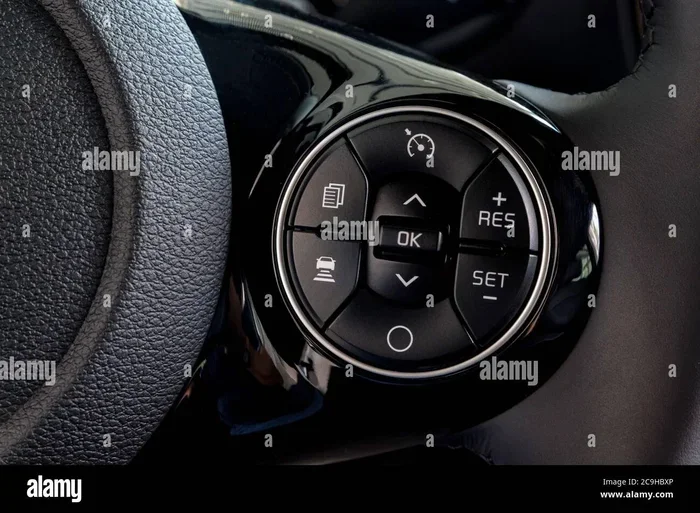
- Find the cruise control buttons: These are usually on your steering wheel or a stalk near the steering column. Look for buttons labeled “SET,” “RES,” “CANCEL,” or “ON/OFF.”
- Turn the system on: Press the ON button. The cruise control indicator will light up on your dashboard, usually in white or green.
- Set your speed: Accelerate to your desired speed, then press the SET button. The symbol may change slightly to show the system is now active.
- Adjust the speed: Use the RES (resume) or SET buttons to increase or decrease your speed in small increments.
- Cancel or turn off: Press CANCEL or brake to deactivate the system. The cruise control symbol will turn off or change color.
Always refer to your car’s owner manual for specific instructions. Every vehicle has slight differences in how the cruise control system works and what each symbol looks like.
Quick Tips for Using Cruise Control
- Only use cruise control on open roads: It works best on highways and open stretches of road where traffic is steady.
- Stay alert: Cruise control does not steer the car. You must always keep your hands on the wheel and your eyes on the road.
- Check the weather: Avoid using cruise control on wet or icy roads. You need full control of your speed in slippery conditions.
- Know your buttons: Familiarize yourself with the cruise control buttons before you start a long trip.
What Cruise Control Warning Lights Mean
Sometimes the cruise control symbol changes color or starts flashing. This is your car trying to tell you something. Understanding these warnings helps you avoid problems and stay safe.
Green or White Cruise Control Light
A green or white cruise control indicator means the system is ready or active. This is a good sign. Your car is set to maintain your chosen speed, and everything is working as it should. The light stays steady while the system is engaged.
Yellow or Amber Cruise Control Light
A yellow or amber light usually means there is a minor issue. It could indicate that the system is temporarily unavailable or that a sensor is dirty. Sometimes a yellow light appears when you try to set cruise control at an inappropriate speed for current road conditions.
If you see a yellow cruise control warning light, do not panic. Slow down, drive safely, and check your owner manual for guidance. In many cases, the light will turn off once the issue is resolved.
Red or Flashing Cruise Control Light
A red or flashing light is a serious warning. It often means there is a malfunction in the cruise control system. This could be caused by a faulty sensor, a wiring issue, or a problem with the vehicle speed sensor.
When you see a red or flashing cruise control symbol, you should turn the system off and have your car checked by a mechanic as soon as possible. Continuing to drive with a malfunctioning cruise control system can be dangerous, especially on long highway trips.
Comparison Table: Cruise Control Symbol Colors
| Light Color | Meaning | Action Needed |
|---|---|---|
| Green or White | System is active or ready | None, drive normally |
| Yellow or Amber | Minor issue or temporary unavailability | Check manual, drive cautiously |
| Red or Flashing | Malfunction detected | Turn off system, visit a mechanic |
Common Cruise Control Symbol Problems
Like any car system, cruise control can experience problems. Here are the most common issues that cause the cruise control symbol to behave unexpectedly.
Dirty Speed Sensor
Your car relies on a speed sensor to maintain cruise control. If the sensor gets dirty or covered in road grime, it may not send accurate readings. This can cause the cruise control indicator to flash or the system to fail to set a speed.
Faulty Brake Light Switch
The cruise control system shuts off when you press the brake. If the brake light switch is faulty, the system may think you are braking when you are not. This can prevent cruise control from working at all.
Wiring or Electrical Issues
Damaged wiring or a blown fuse can interrupt the cruise control system. If the cruise control symbol stays on or behaves strangely, an electrical issue could be the cause.
Low Battery Voltage
A weak car battery can affect many electronic systems, including cruise control. If your battery is low, the cruise control system may not engage properly.
Software or Module Malfunction
Modern cars rely on computer modules to run cruise control. A software glitch or a faulty control module can cause the cruise control warning light to stay on even when the system is working fine.
When to See a Mechanic
If your cruise control symbol stays on, flashes repeatedly, or the system will not engage, it is time to see a professional. A mechanic can run diagnostic tests and pinpoint the exact cause of the problem. Ignoring a persistent cruise control indicator could lead to bigger issues down the road.
Tips for Understanding Dashboard Symbols
Every car has dozens of dashboard symbols, and it can feel overwhelming at first. Here are some practical tips to help you understand what each one means.
Read Your Owner’s Manual
Your car’s owner manual is the best resource for understanding dashboard symbols. It lists every light and icon with a clear explanation. Take a few minutes to read the section on dashboard warnings. You will be surprised how much confidence it gives you behind the wheel.
Check Online Resources
Many car manufacturer websites and automotive blogs have detailed guides on dashboard symbols. You can look up your specific car model and year to find the exact meaning of each light. This is especially helpful if you drive a car cruise control system that has unique symbols.
Pay Attention to Colors
Dashboard lights follow a color code. Green and blue usually mean a system is on or active. Yellow and amber mean there is a warning. Red means stop and address the issue immediately. This simple color system helps you react quickly and appropriately to any dashboard symbol.
Do Not Ignore Warning Lights
It is tempting to ignore a warning light, especially if the car seems to be driving fine. But warning lights exist for a reason. A flashing cruise control symbol or any other dashboard warning deserves your attention. Addressing small problems early prevents bigger and more expensive repairs later.
Keep a Dashboard Reference Card
Consider keeping a small reference card in your glove box with the most important dashboard symbols and their meanings. This quick reference can save you time and stress, especially if you are driving a rental car or a vehicle you are not familiar with.
Expert Insights on Cruise Control Symbols
We spoke with automotive experts to get their take on the cruise control symbol and how drivers can get the most out of their speed control systems.
John Martinez, ASE Certified Mechanic: “I see a lot of drivers who ignore the cruise control light until something goes wrong. My advice is simple: learn the symbols now, not when something breaks. It takes five minutes and can save you a lot of trouble on the road.”
Dr. Lisa Chen, Automotive Engineer: “Modern cruise control systems are incredibly reliable, but they do need attention. If your adaptive cruise control symbol is acting up, it could be a sensor issue that is easy to fix if you catch it early. Do not wait until the system fails completely.”
Tom Reynolds, Driving Instructor: “I teach new drivers to check their dashboard lights every time they start the car. The cruise control indicator is one of the first symbols I ask them to learn. It builds good habits and keeps them aware of what their car is doing at all times.”
Key Takeaways
- Easy to Recognize: The cruise control symbol typically looks like a speedometer with an arrow or a small car with a line, and it lights up on your dashboard when the system is active.
- Multiple Symbols Exist: Standard cruise control, adaptive cruise control, and stop-and-go systems each have their own unique icons, so pay close attention to the differences.
- Colors Tell the Story: Green or white means the system is working, yellow means a minor issue, and red or flashing means a malfunction that needs attention.
- Simple to Use: Setting and adjusting cruise control is straightforward once you know which buttons to press and what the symbols mean.
- Stay Alert: Cruise control is a convenience tool, not a replacement for active driving. Always keep your hands on the wheel and your eyes on the road.
- Act on Warnings: A persistent or flashing cruise control warning light should be checked by a mechanic to prevent bigger problems.
- Build Dashboard Literacy: Understanding your dashboard symbols makes you a safer, more confident driver in any vehicle.
Knowing what the cruise control symbol looks like and what it means is a simple skill that pays off every time you get behind the wheel. It takes just a few minutes to learn, but the confidence and safety it gives you last a lifetime. The next time you see that little icon light up on your dashboard, you will know exactly what it is saying.
Take a moment today to locate the cruise control buttons in your car and find the matching symbol on your dashboard. Familiarity breeds confidence, and confidence makes you a better driver. Safe travels and happy driving!
Frequently Asked Questions
What does the cruise control symbol look like on a dashboard?
The cruise control symbol usually looks like a speedometer with an arrow or a small car with a line underneath. It may also display the letters “CRUISE” or “CC.” The exact design varies by car maker, but the general shape is consistent across most vehicles.
Is the cruise control symbol the same as the adaptive cruise control symbol?
No, they are different. The standard cruise control symbol shows a speedometer or gauge. The adaptive cruise control symbol includes additional elements like radar waves or distance lines between cars. Check your owner’s manual to confirm which system your car has.
What should I do if the cruise control symbol is flashing?
A flashing cruise control indicator usually means there is a malfunction. Turn off the cruise control system and have your car inspected by a mechanic. Common causes include faulty sensors, wiring issues, or a weak battery.
Can I use cruise control in the rain?
It is best to avoid using cruise control on wet or icy roads. The system maintains a constant speed, which can be dangerous on slippery surfaces. Always take manual control of your speed in adverse weather conditions for safety.
Why won’t my cruise control symbol turn on?
If the cruise control symbol will not light up, check that the system is turned on using the ON button. Also, make sure you have pressed the brake pedal, as most systems require this to activate. If the symbol still does not appear, there may be a fuse, sensor, or electrical issue that needs professional attention.
How do I reset the cruise control symbol after a problem?
To reset the cruise control indicator, turn off the system using the CANCEL button, then turn the ignition off and back on. If the light stays on after a reset, there is likely an underlying issue that needs to be diagnosed by a mechanic.
=== CONCLUSION ===
The cruise control symbol is one of the most useful and important icons on your dashboard. It tells you when your car’s speed control system is active, ready, or facing a problem. By understanding each type of cruise control icon and what the different colors mean, you become a more informed and confident driver. Take a few minutes to study the symbols in your car, and you will enjoy safer, more comfortable drives every time you hit the road.