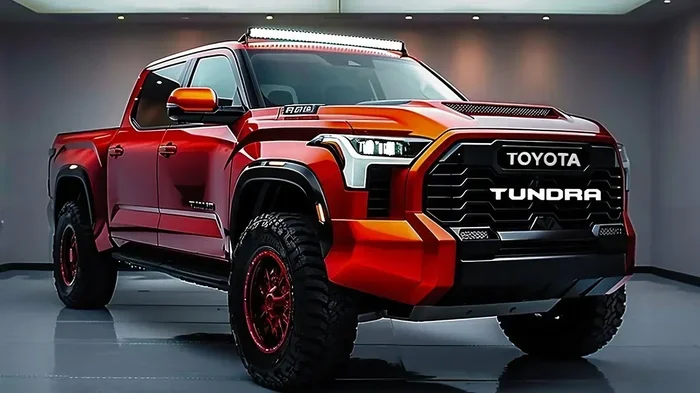
Are All 2025 Toyota Tundras Hybrid Facts You Must Know
Not all 2025 Toyota Tundras are hybrid. Toyota offers both hybrid and non-hybrid versions of its full-size pickup. The i-FORCE MAX hybrid powertrain comes standard on higher trims, while base models stick with a traditional V8 engine. Here are the key facts every buyer needs to know before choosing a 2025 Tundra.
Key Takeaways
- Not all 2025 Tundras are hybrid: Toyota still offers a non-hybrid V8 option on lower trims.
- The i-FORCE MAX hybrid system delivers 437 horsepower: It pairs a twin-turbo V6 with an electric motor for strong performance.
- Hybrid trims dominate the lineup: Most popular and mid-level trims come standard with the hybrid powertrain.
- Fuel economy improves with the hybrid: The i-FORCE MAX offers better miles per gallon than the traditional V8.
- Towing capacity remains strong: The hybrid Tundra can tow up to 12,600 pounds when properly equipped.
- Price differences exist between hybrid and non-hybrid: The hybrid system adds value but also affects the starting price.
- Maintenance considerations differ: Hybrid owners should understand unique service needs like battery care and regenerative braking.
📑 Table of Contents
- Are All 2025 Toyota Tundras Hybrid? The Full Breakdown
- The 2025 Toyota Tundra Lineup: Hybrid vs. Non-Hybrid
- How the Hybrid System Works in the 2025 Tundra
- Towing and Payload: Does the Hybrid Make a Difference?
- Trim Levels and Which Ones Get the Hybrid
- Maintenance and Ownership Considerations
- Who Should Choose the Hybrid Tundra?
- Who Should Choose the Non-Hybrid Tundra?
- Final Verdict: Are All 2025 Toyota Tundras Hybrid?
Are All 2025 Toyota Tundras Hybrid? The Full Breakdown
The short answer is no. Not every 2025 Toyota Tundra rolls off the assembly line as a hybrid truck. Toyota built the 2025 Tundra lineup with flexibility in mind. Some trims feature the i-FORCE MAX hybrid powertrain, while others stick with a proven traditional V8 engine. This gives buyers real choices depending on their needs, budget, and driving habits.
If you are shopping for a new full-size pickup, this distinction matters a lot. The hybrid version brings serious benefits like improved fuel economy and instant torque. But the non-hybrid option still holds its own in terms of raw power and lower upfront cost. Let us walk through everything you need to know about the 2025 Tundra lineup.
Toyota redesigned the Tundra completely for the 2022 model year. The truck went from a traditional body-on-frame V8 to a modern twin-turbo V6 platform. Now, for 2025, Toyota continues to refine this approach. The hybrid powertrain has become the star of the show. But it is not the only game in town. Understanding the full picture helps you make the right decision.
The 2025 Toyota Tundra Lineup: Hybrid vs. Non-Hybrid
Toyota organizes the 2025 Tundra into several trim levels. Each trim targets a different type of buyer. Some trims come standard with the hybrid system, while others offer a non-hybrid V8 as the base engine. Here is how the lineup breaks down.
Base Trim: The Non-Hybrid Option
The entry-level 2025 Tundra starts with a traditional 5.7-liter V8 engine. This engine produces 389 horsepower and 479 pound-feet of torque. It pairs with a ten-speed automatic transmission. The base trims include the SR and SR5 configurations. These are perfect for buyers who want a reliable work truck without the hybrid premium.
The non-hybrid V8 still delivers strong towing capability. You can expect a towing capacity of around 12,000 pounds depending on the configuration. For many buyers, this is more than enough. The starting price is also lower than the hybrid versions. This makes the non-hybrid Tundra an attractive option for budget-conscious shoppers.
One thing to keep in mind: the non-hybrid V8 uses more fuel than the hybrid system. If you do a lot of city driving or short commutes, the fuel economy difference will add up over time.
Hybrid Trims: The i-FORCE MAX System
The i-FORCE MAX hybrid powertrain is where the 2025 Tundra really shines. This system combines a 3.4-liter twin-turbo V6 engine with an electric motor. Together, they produce 437 horsepower and 583 pound-feet of torque. That is a significant jump over the traditional V8.
The hybrid system uses a 48-volt battery pack mounted under the rear cargo area. This battery stores energy recovered during braking and deceleration. The electric motor provides an extra boost during acceleration and low-speed driving. The result is a truck that feels responsive and powerful in all conditions.
Most mid-level and upper trims come standard with i-FORCE MAX. These include the Limited, Platinum, 1794 Edition, and TRD Pro models. If you want the full hybrid experience, these are the trims to look at. The system also pairs with Toyota’s Full-Time 4WD system for added capability.
How the Hybrid System Works in the 2025 Tundra
Understanding how the hybrid powertrain works helps you appreciate what it brings to the table. The i-FORCE MAX system is not like a full hybrid you might find in a passenger car. It is a mild hybrid system with some full hybrid capabilities.
Here is how it works in simple terms. The twin-turbo V6 engine handles the bulk of the propulsion. An electric motor sits between the engine and transmission. This motor provides additional torque when needed. The 48-volt battery pack supplies power to the electric motor. When you lift off the accelerator or brake, the system recaptures energy and stores it in the battery.
This means the 2025 Tundra does not need to plug in to charge. The system recharges itself while you drive. If you have ever wondered does a hybrid recharge while driving, the answer is yes for this system. It happens automatically through regenerative braking and engine power.
The electric motor also helps smooth out gear shifts. You will notice the transitions feel seamless and refined. This is a big improvement over the previous generation Tundra. The hybrid system adds about 300 pounds to the truck’s weight. But the benefits in power and efficiency far outweigh that trade-off.
Fuel Economy: Hybrid vs. Non-Hybrid
Fuel economy is one of the biggest reasons buyers choose the hybrid Tundra. The numbers speak for themselves. The i-FORCE MAX hybrid delivers an estimated 22 mpg in the city and 28 mpg on the highway. The traditional V8 manages around 16 mpg in the city and 21 mpg on the highway.
That is a meaningful difference. If you drive 15,000 miles per year, the hybrid could save you several hundred dollars in fuel costs annually. Over five years of ownership, those savings really add up. For buyers who tow frequently or drive long distances, the hybrid fuel efficiency makes a strong case.
Of course, real-world fuel economy varies. Driving habits, payload, and towing all affect your actual mileage. But the hybrid system consistently outperforms the non-hybrid V8 in every driving scenario.
Towing and Payload: Does the Hybrid Make a Difference?
Towing is a core reason most people buy a full-size pickup. The 2025 Tundra delivers impressive towing numbers regardless of which engine you choose. The hybrid system actually enhances towing performance in several ways.
The i-FORCE MAX can tow up to 12,600 pounds when properly equipped. The non-hybrid V8 maxes out around 12,000 pounds. While the difference is not massive, every bit helps. The electric motor provides instant torque, which makes launching a heavy trailer smoother and more controlled.
Payload capacity also remains strong. Both engines support a payload of around 2,000 to 2,200 pounds depending on the configuration. The hybrid system does not significantly reduce payload because the battery pack is compact and well-integrated.
If you plan to use your Tundra for long road trips with a trailer, the hybrid system offers real advantages. The electric assist reduces strain on the engine during steep climbs and highway merging. And if you are curious whether hybrid trucks handle long trips well, the answer is a definite yes. They offer a more refined and efficient experience on the highway.
Trim Levels and Which Ones Get the Hybrid
Toyota offers the 2025 Tundra in several trim levels. Each trim targets a different type of buyer. Here is a detailed look at which trims come with the hybrid system and which do not.
| Trim Level | Engine | Hybrid? | Starting Price (Est.) |
|---|---|---|---|
| SR | 5.7L V8 | No | $38,000 |
| SR5 | 5.7L V8 (hybrid optional) | Optional | $42,000 |
| Limited | i-FORCE MAX Hybrid | Yes | $55,000 |
| Platinum | i-FORCE MAX Hybrid | Yes | $62,000 |
| 1794 Edition | i-FORCE MAX Hybrid | Yes | $68,000 |
| TRD Pro | i-FORCE MAX Hybrid | Yes | $72,000 |
| Capstone | i-FORCE MAX Hybrid | Yes | $80,000 |
As you can see, the hybrid system becomes standard on most trims above the SR5. The base SR trim is the only one that comes exclusively with the non-hybrid V8. The SR5 offers a hybrid option, giving buyers a bridge between the two worlds.
If you want the best value for the hybrid experience, the Limited trim is a great starting point. It includes a nice balance of features, comfort, and capability. For those who want the full off-road experience, the TRD Pro trim comes standard with i-FORCE MAX and all the off-road upgrades you need.
Maintenance and Ownership Considerations
Owning a hybrid truck comes with some unique considerations. The 2025 Tundra hybrid system is designed to be low-maintenance, but there are a few things to keep in mind.
The 48-volt battery is built to last the life of the vehicle. Toyota does not require regular maintenance on the hybrid battery. However, if the battery ever fails, replacement costs can be significant. That said, Toyota’s warranty covers the hybrid components for 8 years or 80,000 miles, whichever comes first.
Regenerative braking is another feature worth understanding. The hybrid system uses the electric motor to slow the truck down. This reduces wear on the traditional brake pads and rotors. You will likely replace brake components less frequently than on a non-hybrid truck. If you have ever wondered how to properly start a hybrid vehicle, the process is straightforward and similar to a conventional truck.
Regular maintenance items like oil changes, tire rotations, and fluid checks remain the same. The hybrid system does not add complexity to most routine services. Toyota dealerships are well-equipped to handle hybrid-specific needs. And if you ever need a jump start, the process is similar to conventional trucks, though jumper cables can be used on a hybrid with some care.
Common Maintenance Tips for Hybrid Tundra Owners
- Monitor the 48-volt battery health during routine service visits.
- Check regenerative braking performance during tire rotations.
- Keep the cooling system maintained since the hybrid system generates additional heat.
- Follow Toyota’s recommended service schedule for both engine and hybrid components.
- Use the correct hybrid-grade fluids as specified in the owner’s manual.
Who Should Choose the Hybrid Tundra?
The hybrid 2025 Tundra is the better choice for most buyers. The improved fuel economy, added power, and refined driving experience make a compelling case. If you fall into any of these categories, the hybrid system is worth the investment.
First, consider the hybrid if you drive long distances regularly. Whether it is a daily commute or frequent road trips, the hybrid fuel savings will pay off over time. The electric motor assist also makes highway cruising more relaxed and efficient.
Second, choose the hybrid if you tow frequently or haul heavy loads. The extra torque from the electric motor makes a real difference when pulling a trailer or carrying a heavy payload. The truck feels more capable and confident under load.
Third, the hybrid is ideal if you want the latest technology. Toyota has packed the i-FORCE MAX trims with advanced features. These include the latest infotainment system, driver-assistance technologies, and premium interior materials.
Who Should Choose the Non-Hybrid Tundra?
The non-hybrid Tundra still has a place in the lineup. It is the right choice for buyers who prioritize a lower upfront cost. If you need a simple, reliable work truck and do not care about fuel economy, the traditional V8 makes sense.
The non-hybrid Tundra is also a good fit for buyers who do not drive many miles. If your annual mileage is low, the fuel savings from the hybrid may not justify the higher price tag. You get a capable, durable truck that will serve you well for years.
Additionally, some buyers prefer the simplicity of a traditional engine. There is less complexity to worry about, and the service costs are slightly lower. The 5.7L V8 has a proven track record of reliability and longevity.
Final Verdict: Are All 2025 Toyota Tundras Hybrid?
The answer is clear. Not all 2025 Toyota Tundras are hybrid. Toyota offers both hybrid and non-hybrid options across the lineup. The i-FORCE MAX hybrid system is the standout choice for most buyers. It delivers more power, better fuel economy, and a more refined driving experience.
However, the non-hybrid V8 still holds value for budget-conscious buyers or those who prefer simplicity. The key is understanding your needs and choosing the right trim accordingly. Whether you go hybrid or stick with the traditional V8, the 2025 Tundra remains a competitive full-size pickup in every way.
If you are still deciding, consider test-driving both options. The difference in power and efficiency is immediately noticeable. And once you experience the i-FORCE MAX hybrid system, it is hard to go back. Toyota has built a truck that appeals to a wide range of buyers. The 2025 Tundra lineup gives you the freedom to choose the version that fits your lifestyle best.
For those who plan on taking their truck on long journeys, you might also want to check out how hybrid cars perform on long trips to understand the real-world benefits of hybrid ownership during extended drives.
The 2025 Toyota Tundra proves that hybrid technology belongs in full-size pickups. It is powerful, efficient, and genuinely capable. Whether you need a workhorse or a weekend warrior, there is a 2025 Tundra that fits the bill.
Frequently Asked Questions
Is the 2025 Toyota Tundra hybrid standard on all trims?
No, the hybrid i-FORCE MAX system is not standard on all trims. The base SR trim comes with a traditional 5.7L V8. The SR5 offers the hybrid as an option. Most trims above SR5 come standard with the hybrid powertrain, including Limited, Platinum, 1794 Edition, TRD Pro, and Capstone.
How much horsepower does the hybrid 2025 Tundra produce?
The i-FORCE MAX hybrid system produces 437 horsepower and 583 pound-feet of torque. This comes from a 3.4-liter twin-turbo V6 paired with an electric motor. That is significantly more than the 389 horsepower produced by the traditional 5.7L V8.
Can you tow with the hybrid 2025 Toyota Tundra?
Yes, the hybrid Tundra is fully capable of towing. The i-FORCE MAX can tow up to 12,600 pounds when properly equipped. The electric motor provides instant torque that enhances towing performance, making it easier to launch heavy loads and maintain speed on inclines.
Does the 2025 Tundra hybrid need to be plugged in to charge?
No, the 2025 Tundra hybrid does not need to be plugged in. It uses a self-charging 48-volt battery system that recharges through regenerative braking and engine power. This means you can drive and recharge the hybrid system just by operating the truck normally.
Is the hybrid Tundra more expensive than the non-hybrid version?
Yes, the hybrid Tundra typically costs more than the non-hybrid version. The i-FORCE MAX hybrid system adds value through improved power and fuel economy, but it also increases the starting price. However, the fuel savings over time can help offset the higher upfront cost for many buyers.
What is the fuel economy difference between the hybrid and non-hybrid Tundra?
The hybrid i-FORCE MAX delivers an estimated 22 mpg in the city and 28 mpg on the highway. The traditional 5.7L V8 achieves around 16 mpg in the city and 21 mpg on the highway. This represents a substantial improvement in fuel efficiency for the hybrid version, especially for drivers who spend a lot of time in city or stop-and-go traffic.
=== CONCLUSION ===
The 2025 Toyota Tundra offers both hybrid and non-hybrid options, and not all 2025 Toyota Tundras are hybrid. The i-FORCE MAX hybrid system brings impressive power, better fuel economy, and refined performance to most trims in the lineup. The traditional V8 remains available for buyers who want a simpler, more affordable entry point. Whether you prioritize capability, efficiency, or value, the 2025 Tundra has a version that fits your needs. Take the time to test drive both options and find the perfect Tundra for your lifestyle.