How Much Does a Tint Job Cost on My Car Full Breakdown
The average cost to tint a car ranges from $150 to $500, depending on your vehicle type, tint material, and where you live. Ceramic and carbon films cost more but last longer and perform better. This guide breaks down every price factor so you know exactly what to expect before visiting a shop.
Have you been driving around with faded or damaged window tint and wondering what it would cost to fix it? Maybe you just bought a used car with no tint at all and want to add some shade. Either way, you are probably asking yourself one question: how much does a tint job cost on my car?
The answer is not as simple as a single number. Several factors go into the window tinting cost, including your vehicle type, the tint material you choose, and where you live. In this guide, we break down every cost so you can make a smart decision without getting surprised by hidden fees.
Whether you drive a compact sedan or a full-size truck, this full breakdown covers everything from budget options to premium ceramic films. By the end, you will know exactly what price range to expect and how to get the best value for your money.
Key Takeaways
- Average tint job cost: Most cars fall between $150 and $500 for a full professional installation.
- Material matters: Dyed, metalized, carbon, and ceramic tints each have different price points and performance levels.
- Vehicle size affects price: Sedans cost less than SUVs and trucks because they have less window surface area.
- Legal limits vary by state: Check your local window tint percentage laws before choosing a tint darkness.
- DIY kits save money: You can tint your own car for $50 to $200, but the results may not match professional work.
- Quality installation lasts longer: A professional job with a good warranty prevents tint bubbling and peeling.
📑 Table of Contents
- Why Window Tinting Matters for Your Car
- Factors That Affect Tint Job Cost
- Average Tint Job Cost Breakdown
- How Long Does a Tint Job Take
- Legal Tint Laws You Need to Know
- How to Choose the Right Tint Shop
- Common Tinting Mistakes to Avoid
- DIY Tinting: Is It Worth the Savings?
- How to Maintain Your Tint for Long-Lasting Results
- Final Thoughts on Tint Job Cost
- Frequently Asked Questions
Why Window Tinting Matters for Your Car
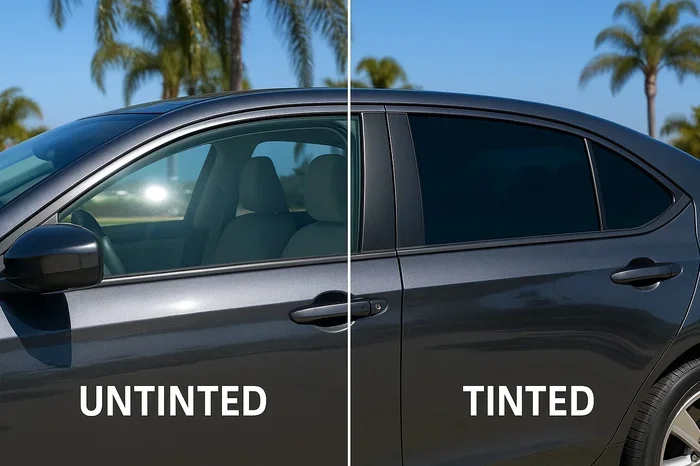
Before we dive into the numbers, let us quickly talk about why tinting your car is worth the investment. Tint does much more than make your car look cool. It serves real practical purposes that protect both you and your vehicle.
First, UV protection tint blocks harmful rays that can fade your dashboard and leather seats over time. Second, a good tint reduces heat inside your car, which means your air conditioning does not have to work as hard. Third, tint adds privacy and security, making it harder for people to see what is inside your vehicle.
So when you think about the tint job cost, think of it as an investment, not just an expense. A quality tint pays for itself over time through comfort, protection, and even fuel savings.
Factors That Affect Tint Job Cost
Not all tint jobs cost the same. Several key factors push the price up or pull it down. Understanding these factors helps you know why one shop might quote $200 while another quotes $600 for the same car.
Vehicle Type and Size
The size of your vehicle is one of the biggest price drivers. A compact sedan has far fewer windows than a large SUV or a pickup truck. More windows mean more film, more labor time, and a higher final bill.
Here is a rough look at how vehicle type affects pricing:
- Sedan: Typically the least expensive. Four doors and a smaller roof area mean less material and faster installation.
- SUV: Mid-range pricing. Larger side windows and sometimes a rear windshield that is harder to access add to the cost.
- Truck: Often the most expensive. Pickup trucks have large rear windows, tailgate windows, and sometimes a windshield that needs special attention.
- Convertible or specialty vehicles: These can cost even more due to unique window shapes and curves.
Type of Tint Film
The film you choose has a huge impact on the final auto tint shop price. There are four main types, and they range dramatically in cost and performance.
Dyed tint film is the most affordable option. It uses a layer of dye to block light and reduce glare. However, it fades over time and offers the least heat rejection. Expect dyed tint to cost between $50 and $150 for a full car.
Metalized tint film contains tiny metal particles that reflect heat and add strength to the window. It costs more than dyed film, typically $100 to $250 for a full car. The downside is that metalized tint can interfere with cell phone signals and GPS.
Carbon tint film is a step up in quality. It does not fade, does not interfere with electronics, and blocks a good amount of heat. Carbon tint usually runs $150 to $350 for a full vehicle.
Ceramic tint film is the premium option. It offers the best heat rejection, the highest clarity, and zero signal interference. Ceramic tint is also the most expensive, often costing $300 to $600 or more for a full car. But it lasts the longest and performs the best.
Number of Windows Tinted
You do not have to tint every window on your car. Many people choose to tint only the side and rear windows, leaving the windshield untinted or only tinting the top strip. The more windows you cover, the higher the cost will be. A partial tint job can save you 30 to 50 percent compared to a full installation.
Your Location
Where you live matters more than you might think. Labor costs vary by region, and shops in busy cities often charge more than those in smaller towns. Additionally, some states have stricter legal tint limit regulations, which can affect the type of film available and the installation process.
Professional vs. DIY Installation
Professional installation costs more, but it also comes with a warranty and a much cleaner result. DIY tint kits are available online for $20 to $100 and can save you a significant amount of money. However, DIY tinting is difficult, and mistakes often lead to tint bubbling, peeling, or an uneven finish that looks worse than no tint at all.
Average Tint Job Cost Breakdown
Now let us get to the numbers. Below is a general cost breakdown based on real-world pricing from professional auto tint shops across the United States. Keep in mind that these are averages, and your actual cost may vary.
| Service Level | Price Range | What You Get |
|---|---|---|
| Budget (Dyed Film) | $100 – $200 | Basic UV protection, fades over 2-3 years |
| Mid-Range (Metalized Film) | $150 – $300 | Good heat rejection, durable finish |
| Premium (Carbon Film) | $200 – $400 | No fading, no signal interference, excellent heat block |
| Luxury (Ceramic Film) | $300 – $600+ | Best performance, longest lifespan, crystal-clear view |
| DIY Kit | $20 – $100 | Budget-friendly but higher risk of mistakes |
As you can see, the cost to tint windows on your car depends heavily on the quality of film you select. If you want a tint that lasts five years or more without fading or bubbling, ceramic or carbon film is the way to go. Budget dyed film might seem appealing, but it often needs to be replaced within a few years, which ends up costing more in the long run.
How Long Does a Tint Job Take
Time is another factor to consider. Most professional shops can tint a full sedan in about one to two hours. SUVs and trucks may take two to four hours depending on the number of windows and the complexity of the glass shapes.
After installation, you should wait at least three to five days before rolling your windows down. This allows the tint film to cure properly. If you rush this process, you risk tint peeling or shifting, which can ruin the look and void your warranty.
Some shops offer same-day service, while others may need a day or two to complete the job. Always ask about the turnaround time when you call around for quotes.
Legal Tint Laws You Need to Know
Before you commit to a tint darkness, you need to understand the legal tint limit in your state. Every state has different rules about how dark your tint can be and which windows it can be applied to.
For example, many states allow a darker tint on rear windows but require the windshield to have a visible light transmission of at least 70 percent. Some states have no restrictions on rear window tint darkness, while others are very strict.
Here are some quick tips for staying legal:
- Check your state’s Department of Motor Vehicles website for the latest window tint percentage laws.
- Ask your tint shop about the legal limits in your area before choosing a film.
- Keep your tint receipt and a certificate of compliance in your car in case you get pulled over.
- Medical exemptions may be available in some states if you have a condition that requires extra sun protection.
Ignoring tint laws can result in fines, and in some cases, you may be required to remove the tint entirely. Do your research before you visit the shop.
How to Choose the Right Tint Shop
Not all tint shops are created equal. Choosing the right one can mean the difference between a flawless installation and a costly redo. Here is what to look for when picking a shop for your tint job cost estimate.
Warranty: A reputable shop will offer a warranty on both the film and the installation. Look for warranties that cover fading, bubbling, and peeling. A good warranty gives you peace of mind and protects your investment.
Reviews and reputation: Check online reviews on Google, Yelp, or Facebook. Pay attention to comments about installation quality, customer service, and how the tint holds up over time.
Film brands: Ask what brands of tint film the shop carries. Brands like 3M, Llumar, and SunTek are well-known for quality. If a shop only sells generic or unbranded film, that is a red flag.
Experience: An experienced installer will handle your windows with care and complete the job faster and cleaner. Look for shops that specialize in auto tinting rather than general body shops that also offer tint as a side service.
Price transparency: A good shop will give you a clear, upfront quote with no hidden fees. If a price seems too good to be true, it probably is. Very low prices often mean low-quality film or inexperienced installation.
Common Tinting Mistakes to Avoid
Even if you choose a great shop, there are some common mistakes that car owners make when getting their car tinted. Avoiding these pitfalls saves you money and frustration.
Choosing the cheapest option. The lowest price often means the lowest quality film and the least experienced installer. You will likely need to redo the job within a year or two, which costs more in the long run.
Ignoring the warranty. Always get the warranty in writing. A verbal promise means nothing if the shop closes or disputes the claim later.
Rolling windows down too soon. Wait the full curing time recommended by your installer. Rolling windows down early is the number one cause of tint peeling and shifting.
Not cleaning the interior beforehand. Most shops will clean the windows before installation, but it helps if you remove any clutter from the back seat and trunk so the installer has easy access to all windows.
Forgetting about maintenance. After your tint is installed, avoid using harsh cleaners on the windows. Use a soft cloth and a gentle, ammonia-free cleaner to keep your tint looking great for years.
For general car maintenance tips after a new tint job, you might also find it helpful to check our guide on how often you should wash your car and the best practices for keeping your vehicle clean without damaging the tint.
DIY Tinting: Is It Worth the Savings?
If you are handy and enjoy DIY projects, you might be tempted to tint your own car. DIY tint kits are widely available online and at auto parts stores. They typically cost between $20 and $100 for enough film to cover all windows.
The appeal is obvious: you save a significant amount of money compared to professional installation. But DIY tinting comes with serious challenges.
First, applying tint film requires a lot of skill and patience. You need to cut the film precisely, squeegee out all the air bubbles, and make sure there are no wrinkles or gaps. Even a small mistake can be visible and ruin the look.
Second, DIY kits often use lower-quality film that fades, bubbles, or peels faster than professional-grade material. You might end up replacing it sooner than you think.
Third, there is no warranty if you tint your own car. If something goes wrong, you are on your own.
Our recommendation: if you have experience with window film installation and are working with a high-quality kit, DIY can work. But for most car owners, the professional tint job cost is well worth the peace of mind and superior results.
For more car care advice, you can also explore our article on using Goof Off on car paint to learn about safe cleaning practices for your vehicle’s exterior and interior surfaces.
How to Maintain Your Tint for Long-Lasting Results
Once your tint is installed, proper maintenance helps it last as long as possible. A well-maintained tint can stay looking great for five to ten years, depending on the film quality and your climate.
Wait before rolling windows: Give the tint at least three to five days to cure fully. In colder or more humid climates, wait up to a week.
Clean with care: Use a soft microfiber cloth and a cleaner that is free of ammonia and harsh chemicals. Ammonia-based cleaners can break down the tint film over time.
Avoid rough materials: Do not use abrasive sponges or rough towels on your tinted windows. Stick to soft cloths that will not scratch the film.
Park in the shade when possible: Extreme heat from direct sunlight can accelerate the aging process of your tint film. Parking in a garage or shaded area helps extend its lifespan.
Address damage quickly: If you notice any bubbling, peeling, or cracking, get it repaired right away. Small issues can spread and become bigger, more expensive problems if left untreated.
For tips on keeping your car’s interior in top shape after a tint job, you might also want to read our piece on whether Clorox wipes are safe for your car interior to learn which cleaning products work best on tinted surfaces.
Final Thoughts on Tint Job Cost
The tint job cost on your car depends on several factors, but the most important thing is choosing the right balance of quality, durability, and value. A professional ceramic or carbon tint job might cost $300 to $500, but it will protect your car, keep you cooler, and last for years. A budget dyed tint might cost $100, but it will fade and need replacement much sooner.
Take the time to research shops in your area, compare quotes, and ask about warranties. The window tinting cost is an investment that pays off in comfort, protection, and the overall look of your vehicle. Whether you drive a small sedan or a large truck, there is a tint option that fits your budget and your needs.
Remember to check your state’s legal tint limits before you commit, and never compromise on quality just to save a few dollars. A great tint job done right the first time saves you money, time, and headaches in the long run.
For more information about maintaining your car after a fresh tint, consider checking out our guide on understanding 20 percent window tint to learn about different tint darkness levels and what they mean for your driving experience.
Frequently Asked Questions
What is the average cost to tint a sedan?
The average cost to tint a sedan ranges from $150 to $350 for a full professional installation. The exact price depends on the tint material you choose, the brand of film, and your location. Dyed film is the most affordable, while ceramic film will be on the higher end of the range.
How much does it cost to tint just the front windows?
Tinting just the two front side windows typically costs between $50 and $150. This is a popular partial tint option for drivers who want some UV protection and glare reduction without tinting every window. The price varies based on the film type and the shop you choose.
Is ceramic tint worth the extra cost?
Yes, ceramic tint is worth the extra cost for most car owners. It offers the best heat rejection, does not interfere with electronics, and does not fade over time. While it costs more upfront, its durability and performance make it the best long-term value. If you live in a hot climate, ceramic tint is especially worth the investment.
How long does a car tint job last?
A professional tint job typically lasts between five and ten years. Dyed film may fade within two to three years, while carbon and ceramic films can last much longer. The lifespan depends on the film quality, the installation skill, and how well you maintain the tint after installation.
Can I drive with tinted windows if my state has strict laws?
You can drive with tinted windows as long as your tint meets your state’s legal light transmission requirements. Each state sets its own legal tint limit for different windows. If you are unsure, ask your tint shop to recommend a film that complies with local laws. Getting pulled over for illegal tint can result in fines and a requirement to remove the tint.
What should I do if my tint starts bubbling?
If your tint starts bubbling, contact the shop where it was installed as soon as possible. If the job is still under warranty, they should repair or replace the film at no cost. Bubbling usually happens due to poor installation, low-quality film, or exposure to excessive heat. Addressing it early prevents the bubbles from spreading and causing further damage.