Can a Clogged Catalytic Converter Cause Your Car to Overheat
A clogged catalytic converter can absolutely cause your car to overheat. When exhaust flow is restricted, heat builds up in the engine and exhaust system, leading to dangerous temperature spikes. Understanding the symptoms early can save you from costly repairs and serious engine damage. This guide covers everything you need to know about the connection between a blocked catalytic converter and engine overheating.
Your car’s catalytic converter works quietly in the background. You rarely think about it until something goes wrong. One question many drivers ask is whether a clogged catalytic converter can cause the engine to overheat. The short answer is yes. But the full story is more interesting and more important than you might think.
When your exhaust system gets blocked, heat has nowhere to go. It builds up. That buildup raises your engine temperature in ways you might not notice right away. By the time you feel the heat, the damage could already be spreading. Understanding this connection helps you catch problems early and avoid expensive repairs.
In this article, we will walk through exactly how a clogged converter causes overheating. We will cover the warning signs, the root causes, and what you can do to fix it. Whether you are dealing with a rough idle or a car that just seems to run hot, this guide has you covered. Let us dive in.
Key Takeaways
- A clogged catalytic converter restricts exhaust flow, causing heat to build up and potentially leading to engine overheating.
- Warning signs include reduced fuel efficiency, a glowing check engine light, and a rotten egg smell from the exhaust.
- Common causes of clogging include engine misfires, rich fuel mixtures, and age-related deterioration of the converter’s internal honeycomb structure.
- Driving with a clogged converter can cause further engine damage, including warped head gaskets and cracked exhaust manifolds.
- Regular car maintenance and timely repairs can prevent catalytic converter problems before they lead to overheating.
- Replacement costs vary widely, but early detection can save you from more expensive repairs down the road.
- If your car overheats, pull over safely and seek professional help immediately to avoid catastrophic engine failure.
📑 Table of Contents
- What Is a Catalytic Converter and Why Does It Matter?
- How a Clogged Catalytic Converter Affects Your Engine
- Warning Signs Your Catalytic Converter Is Clogged
- Can a Clogged Catalytic Converter Actually Cause Overheating?
- What Causes a Catalytic Converter to Get Clogged?
- How to Fix and Prevent a Clogged Catalytic Converter
- Common Mistakes Drivers Make With Catalytic Converter Problems
- Expert Insights: What Mechanics Wish You Knew
- Final Thoughts
What Is a Catalytic Converter and Why Does It Matter?
Your catalytic converter is part of the exhaust system. It sits between the engine and the tailpipe. Its job is to clean up harmful gases before they leave the car. It converts toxic compounds like carbon monoxide and nitrogen oxides into less harmful substances like carbon dioxide and water vapor.
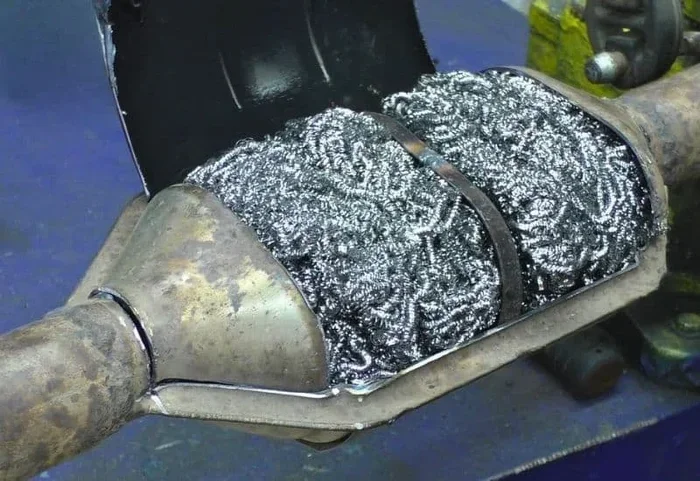
Inside the converter, there is a honeycomb-like structure coated with precious metals like platinum, palladium, and rhodium. These metals trigger chemical reactions that clean the exhaust gases. When everything works well, you never notice the converter is there. When it gets clogged, everything changes.
A healthy converter allows exhaust flow to move freely. A clogged one creates back pressure. That back pressure pushes heat back toward the engine. Over time, this trapped heat raises your engine temperature to dangerous levels. This is the core reason a clogged converter can lead to overheating.
How the Exhaust System Keeps Your Engine Cool
Most people do not realize the exhaust system plays a role in cooling. Hot gases exit the combustion chamber and travel through the exhaust manifold. They move through the catalytic converter and then out the tailpipe. Each part of this journey helps release heat away from the engine.
When something blocks that path, the heat gets trapped. The exhaust temperature rises. The engine runs hotter. Components like the head gasket, cylinder head, and even the engine block can suffer. This is why a simple clog can snowball into a serious problem if you ignore it.
How a Clogged Catalytic Converter Affects Your Engine
A clogged converter creates a bottleneck in the exhaust system. Think of it like a kink in a garden hose. The water still tries to flow, but it builds up pressure behind the kink. In your car, that pressure is heat. The engine has to work harder to push exhaust past the blockage.
This extra work generates more heat. The engine temperature rises. The cooling system struggles to keep up. Over time, the normal heat management systems in your car cannot compensate. That is when you start seeing real problems.
The Role of Back Pressure
Back pressure is the term mechanics use for exhaust gases pushing back against the engine. A small amount of back pressure is normal. Too much back pressure is a serious issue. A clogged converter can create back pressure that exceeds safe limits.
High back pressure causes several problems at once. It reduces engine power. It increases fuel consumption. And it raises engine temperature. These three issues feed into each other. The engine runs hotter, burns more fuel, and loses power. Soon, you are dealing with more than just an overheating problem.
If you have ever wondered can a car overheat on a hot day, the same principle applies here. External heat and internal exhaust restrictions both contribute to rising engine temperatures. The difference is that a clogged converter creates a constant problem, not just a seasonal one.
Impact on Fuel Efficiency and Engine Performance
A clogged converter does not just cause overheating. It also hurts your fuel economy. When exhaust cannot flow freely, the engine burns fuel less efficiently. You may notice you need to fill up more often. The engine may feel sluggish, especially when you accelerate.
Many drivers ignore these early signs. They assume it is just a rough day or a bad tank of gas. But these small changes are often the first clues that your converter is struggling. Catching them early can prevent the overheating and engine damage that follow.
Warning Signs Your Catalytic Converter Is Clogged
The good news is that a clogged converter gives you plenty of warning. The bad news is that the symptoms are easy to overlook. Knowing what to look for can save you from a roadside breakdown or a trip to the mechanic with a big repair bill.
Reduced Engine Power and Acceleration
One of the earliest signs of a clogged converter is a loss of power. Your car may feel slow to respond when you press the gas pedal. You might notice it struggles on hills or when carrying a heavy load. This happens because the engine cannot expel exhaust gases fast enough.
The engine performance drops gradually. You may not notice it day to day. But over weeks or months, the difference becomes clear. If your car feels like it is running through molasses, a clogged converter could be the culprit.
Check Engine Light and Error Codes
Your car’s computer monitors the exhaust system closely. When it detects problems, it triggers the check engine light. Common codes related to a clogged converter include P0420 and P0430, which indicate converter efficiency issues. Some vehicles also store codes related to engine misfire or fuel mixture problems.
If you see the check engine light, do not ignore it. A quick diagnostic scan at a repair shop or even with a home reader can reveal a lot. Many auto parts stores offer free diagnostic checks that can point you in the right direction.
Rotten Egg Smell and Dark Exhaust Smoke
A healthy converter cleans exhaust gases effectively. A clogged one cannot do its job. You may notice a strong sulfur or rotten egg smell coming from the exhaust. This happens when unprocessed exhaust gases escape into the air.
You might also see darker smoke than usual. Black or blue exhaust smoke can indicate that the engine is burning too much fuel or oil. Both of these issues put extra strain on the catalytic converter and can worsen the clog.
Engine Overheating and Temperature Gauge Spikes
This is the most serious warning sign. If your temperature gauge starts climbing into the red zone, pull over safely. A clogged catalytic converter can cause the engine to overheat quickly. The trapped heat has nowhere to go. The cooling system cannot keep up with the extra thermal load.
Do not keep driving when the engine is overheating. Continuing to drive can cause the head gasket to blow, the cylinder head to crack, or the engine block to warp. These are expensive repairs that could have been avoided with earlier attention.
Can a Clogged Catalytic Converter Actually Cause Overheating?
Let us be direct about this. Yes, a clogged catalytic converter can and does cause cars to overheat. The mechanism is straightforward. Exhaust gases get trapped. Heat builds up. The engine temperature rises beyond safe limits.
But the severity depends on several factors. How bad is the clog? How long have you been driving with it? What condition is your cooling system in? A minor clog might cause slight temperature increases. A severe clog can cause the engine to overheat within minutes of starting.
The Science Behind the Heat Buildup
When exhaust gases cannot escape efficiently, they linger in the combustion chamber and exhaust manifold. These gases are extremely hot. In a normal engine, they exit quickly and carry heat away from the engine block. When the path is blocked, that heat stays put.
The catalytic converter itself can also become extremely hot when clogged. The internal honeycomb structure traps exhaust gases, causing them to combust at higher temperatures. Some converters reach over 1,000 degrees Fahrenheit when severely restricted. That heat radiates outward, warming nearby engine components and overwhelming the cooling system.
In extreme cases, a hot catalytic converter can ignite materials underneath the car. This is a serious fire hazard. It is one of the reasons why addressing a clogged converter quickly is so important.
When Overheating Becomes a Safety Risk
Driving an overheating car is dangerous. The engine can seize up without warning. You could lose power steering or brake assist. In heavy traffic or on the highway, this creates a serious safety risk.
If your temperature gauge climbs into the red, find a safe place to pull over. Turn off the engine. Do not open the radiator cap while the engine is hot. Wait for the engine to cool before checking coolant levels or calling for help. Your safety matters more than getting to your destination.
What Causes a Catalytic Converter to Get Clogged?
Understanding the causes helps you prevent the problem. Most clogs develop over time. A few common factors speed up the process significantly.
Engine Misfires and Rich Fuel Mixtures
An engine misfire sends unburned fuel into the exhaust system. This fuel can coat the inside of the catalytic converter. Over time, it builds up and restricts flow. A rich fuel mixture does the same thing. Too much fuel in the combustion chamber means more unburned fuel reaches the converter.
These issues often start small. A single misfire might not cause immediate damage. But repeated misfires or a consistently rich mixture will clog the converter over weeks or months. Addressing misfires and fuel mixture problems early is one of the best ways to protect your converter.
Age and Wear
Catalytic converters do not last forever. Over time, the internal honeycomb structure can break down. Pieces of the ceramic or metal substrate can detach and block the exhaust path. This type of clogging is simply part of the converter reaching the end of its lifespan.
Most converters last between 70,000 and 100,000 miles. But driving conditions affect this timeline. Cars driven in stop-and-go traffic or in areas with poor air quality may experience clogging earlier. Regular car maintenance can help extend the life of your converter.
Oil and Coolant Leaks
Oil or coolant entering the combustion chamber can coat the catalytic converter. This creates a layer of residue that restricts exhaust flow. Oil leaks often come from worn valve seals or piston rings. Coolant leaks may stem from a blown head gasket or cracked intake manifold.
These types of clogs are especially dangerous because they signal other engine problems. Fixing the leak alone may not clear the converter. You may need a full catalytic converter replacement along with repairs to the source of the leak.
External Debris and Road Damage
The catalytic converter sits underneath the car. It is exposed to road debris, potholes, and impacts. A damaged converter can develop internal blockages or external crush points that restrict flow. Off-road driving and rough roads increase the risk of this type of damage.
Visually inspecting the converter periodically can help you spot damage early. Look for dents, cracks, or rattling sounds from underneath the car. These can all indicate internal damage that could lead to clogging.
How to Fix and Prevent a Clogged Catalytic Converter
The fix for a clogged converter depends on the severity of the clog. Some cases can be resolved with simple maintenance. Others require a full replacement. Here is what you need to know.
Step-by-Step Fixes for a Clogged Converter
Start by addressing the root cause. If an engine misfire caused the clog, fix the misfire first. Replace spark plugs, clean fuel injectors, and repair any vacuum leaks. This prevents the new converter from clogging again.
For mild clogs, a catalytic converter cleaner additive might help. These products dissolve carbon deposits inside the converter. They work best when the clog is caught early. Pour the additive into your fuel tank and drive for a while. You may notice improved performance and reduced exhaust smell.
For severe clogs, there is no shortcut. You will need a catalytic converter replacement. This is a significant repair. The cost varies depending on your vehicle and the type of converter needed. On average, expect to pay between $500 and $2,500 for parts and labor combined.
Prevention Tips to Keep Your Converter Healthy
Prevention is always better than repair. Here are some practical steps to keep your catalytic converter working properly:
- Keep up with regular engine maintenance. Change spark plugs and air filters on schedule.
- Address engine misfires immediately. A misfire can damage the converter quickly.
- Use high-quality fuel. Lower-quality fuel can leave more deposits in the exhaust system.
- Check for oil and coolant leaks regularly. Catching leaks early prevents converter contamination.
- Avoid short trips when possible. The converter needs time to reach operating temperature and burn off deposits.
- Watch for warning signs. Reduced power, unusual smells, or a glowing check engine light should never be ignored.
When to Replace vs. When to Clean
Not every clogged converter needs replacement. If the clog is caused by carbon buildup, a cleaner additive or professional cleaning might restore flow. But if the internal honeycomb structure is physically damaged or melted, replacement is the only option.
A mechanic can perform a back pressure test to determine the severity of the clog. This test measures the pressure in the exhaust system. High pressure readings confirm a blockage. From there, you and your mechanic can decide on the best course of action.
Common Mistakes Drivers Make With Catalytic Converter Problems
Many drivers make avoidable mistakes when dealing with converter issues. Learning from these errors can save you time, money, and stress.
One common mistake is ignoring the check engine light. People assume the car is fine because it still runs. But a glowing light means the computer has detected a problem. In the case of a clogged converter, ignoring it means the engine keeps running hotter than it should.
Another mistake is trying to drive through the problem. Some drivers push their cars to the limit even when the temperature gauge is climbing. This can lead to catastrophic engine failure. A blown head gasket or cracked engine block can total the vehicle.
Finally, some owners try cheap quick fixes. They buy products that promise to clean the converter without evidence they work. While some additives help, they are not a cure-all. When in doubt, trust a qualified mechanic to diagnose and fix the problem properly.
Expert Insights: What Mechanics Wish You Knew
Experienced mechanics see clogged converters every day. Here are a few insights they wish more drivers understood.
A clogged converter rarely happens overnight. It develops gradually. Early symptoms like slight power loss or reduced fuel economy are your chance to act. Catching these signs early can save hundreds or even thousands of dollars in repair costs.
The converter does not work alone. It is part of a larger system. Problems with the fuel injection system, ignition system, or engine sensors can all contribute to converter clogging. A good mechanic will look at the whole system, not just the converter itself.
Prevention costs far less than replacement. Regular maintenance, quality fuel, and prompt repairs to engine issues keep the converter healthy. Think of it as an investment that pays off in engine longevity and reliability.
Final Thoughts
A clogged catalytic converter is more than an exhaust problem. It is a direct threat to your engine’s health. The heat buildup caused by restricted exhaust flow can push your engine temperature into dangerous territory. The result can be overheating, engine damage, and expensive repairs.
The good news is that you have the power to prevent this. Pay attention to the warning signs. Keep up with regular maintenance. Address engine problems promptly. These simple habits go a long way in protecting your converter and keeping your car running smoothly.
If you suspect your converter is clogged, do not wait. Get a professional diagnosis and take action. Your engine will thank you for it. And your wallet will too.
Frequently Asked Questions
Can I still drive my car if the catalytic converter is clogged?
You can drive short distances, but it is not recommended. A clogged converter causes back pressure and heat buildup. This can lead to engine overheating and further damage. If you must drive, keep the trip short and head straight to a repair shop.
How much does it cost to replace a clogged catalytic converter?
Replacement costs typically range from $500 to $2,500. The price depends on your vehicle make and model, the type of converter needed, and local labor rates. Luxury vehicles and European cars tend to cost more due to expensive parts.
Can a clogged catalytic converter cause a car to stall?
Yes, a severely clogged converter can cause stalling. The excess back pressure disrupts the engine’s ability to breathe properly. This can cause the engine to stall at idle or while driving. If stalling occurs, stop driving and seek immediate repairs.
How long can you drive with a clogged catalytic converter?
It depends on the severity of the clog. A mild clog might allow weeks of driving with reduced performance. A severe clog can cause overheating within minutes. It is best to address the issue as soon as symptoms appear to prevent further engine damage.
Can a clogged catalytic converter damage the engine?
Yes, over time a clogged converter can cause serious engine damage. The trapped heat can warp the cylinder head, blow the head gasket, or crack the engine block. These are major repairs that could have been avoided with earlier attention to the converter problem.
What is the difference between a clogged and a failing catalytic converter?
A clogged converter has a physical blockage in the exhaust path. A failing converter has degraded internally and cannot process exhaust gases efficiently. Both can cause similar symptoms like reduced power and overheating. A mechanic can run tests to determine which issue you are facing.