What Does FOB Stand For in a Key and Why It Matters
FOB stands for “Frequency Operating Button,” and it is the technology inside your car’s remote key that lets you lock, unlock, and start your vehicle with the push of a button. Understanding what does FOB stand for in a key helps you appreciate the automotive key technology that keeps your car secure and convenient every day. This guide covers how key fobs work, common problems, battery tips, and security features you should know.
You have probably held a key fob in your hand a hundred times without thinking about what it really is. But have you ever stopped and asked, what does FOB stand for in a key? The answer is more interesting than most people think. FOB stands for “Frequency Operating Button,” and it refers to the small electronic device that lets you lock and unlock your car from a distance.
Modern vehicles depend heavily on automotive key technology to keep you safe and your car secure. A key fob is not just a convenience tool. It is a core part of your vehicle security system. From remote keyless entry to push button start, the fob does a lot of important work every day. In this guide, we will break down everything you need to know about what FOB means in a key and why it plays such a big role in how your car operates.
Key Takeaways
- FOB means “Frequency Operating Button”: It is the core technology behind your car’s remote keyless entry system.
- Key fobs use radio frequency signals: They communicate with your vehicle’s receiver to lock, unlock, and start the engine.
- Battery replacement is simple and affordable: Most key fob batteries last 2 to 4 years and are easy to swap out.
- Signal interference can cause problems: Being near other electronic devices may disrupt your fob’s range and performance.
- Security features like immobilizer systems protect your car: Modern fobs include advanced anti-theft technology that traditional keys lack.
- Reprogramming may be needed after battery replacement: Some vehicles require you to reprogram the fob after changing the battery.
- Understanding your fob helps you troubleshoot issues: Knowing how it works saves time and money on unnecessary car trips.
📑 Table of Contents
- What Does FOB Stand For in a Key and What It Really Means
- How a Key Fob Works: The Technology Inside Your Remote
- Key Fob vs Traditional Key: Which Is Better for Your Vehicle
- Common Key Fob Problems and How to Solve Them
- Key Fob Battery Replacement and Maintenance Tips
- Key Fob Security Features That Protect Your Vehicle
- When to Replace or Reprogram Your Key Fob
- Conclusion
What Does FOB Stand For in a Key and What It Really Means
The term FOB has been used in the tech world for decades. It originally referred to a small device that could control something from a distance. In the automotive world, it evolved into what we now call a key fob. But the full meaning is often misunderstood. Many people think FOB is just a fancy word for a remote control. The truth is, it is a carefully engineered piece of automotive key technology that does much more than open your doors.
The Origin of the Word FOB
The word “fob” has been around since the 1800s. It originally described a small pocket accessory, like a watch charm. Over time, the meaning shifted. In the 1980s, car manufacturers started using remote controls for doors. They called these devices “fobs” because they were small, portable, and operated on a specific frequency. The term “Frequency Operating Button” became the accepted definition in the automotive key technology world.
Why the Name Matters
Understanding what does FOB stand for in a key gives you a better grasp of how your car communicates with its remote. The “frequency” part means your fob sends a radio signal at a specific wavelength. The “operating” part means it actively controls functions. And the “button” part is exactly what you press. Together, these three elements create the remote keyless entry system you use every day. Knowing this helps you appreciate the engineering behind something you probably take for granted.
How a Key Fob Works: The Technology Inside Your Remote
A key fob might look simple on the outside. But inside, it is a tiny electronic marvel. The fob contains a small circuit board, a battery, and a radio transmitter. When you press a button, the transmitter sends a coded signal to your car’s receiver. The car then responds by locking, unlocking, or starting the engine. This whole process happens in milliseconds.
The Role of Radio Frequency Signals
Your key fob operates on a specific radio frequency, usually between 315 MHz and 433 MHz depending on your region and car model. The signal carries a unique code that your vehicle recognizes. This is why your fob only works with your car and not with someone else’s vehicle nearby. The fob signal range typically extends from about 20 to 100 feet, depending on the car and environmental conditions.
Transponder Keys and Immobilizer Systems
Many modern key fobs also contain a transponder chip. This chip communicates with your car’s immobilizer system. The immobilizer is a vehicle theft prevention feature that prevents the engine from starting unless the correct key is present. When you turn the key or press the start button, the car checks the transponder code. If the code matches, the engine starts. If it does not, the car stays locked. This is a powerful layer of vehicle security that traditional keys cannot offer.
Proximity Sensors and Smart Keys
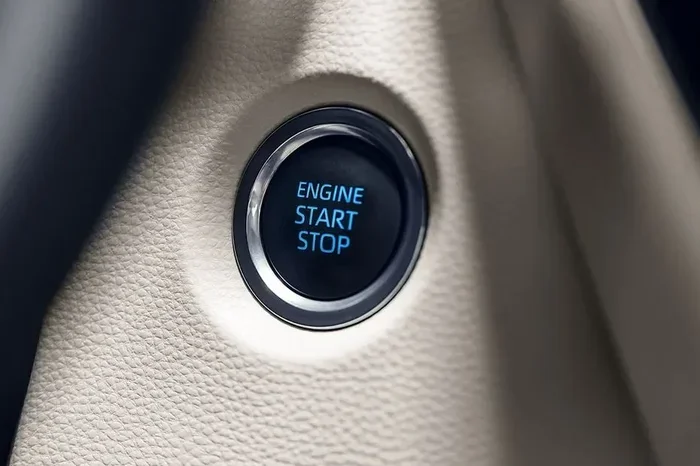
Some newer cars use proximity sensors to detect your smart key without you even pressing a button. This is called a keyless entry system. You can walk up to your car with the fob in your pocket, and the doors will automatically unlock. Some systems also allow remote start, letting you warm up or cool down your car from inside your home. These features rely on the same FOB technology but with more advanced signal processing.
Key Fob vs Traditional Key: Which Is Better for Your Vehicle
Not all cars use the same type of key. Traditional keys and key fobs each have their strengths. Understanding the differences helps you make informed decisions about your car’s security and convenience.
Traditional Keys: Simple and Reliable
A traditional key is a physical metal key that fits directly into your car’s lock. You insert it, turn it, and the door opens. Traditional keys have been around for over a century, and they still work well. They do not need batteries, and they are harder to hack. However, they offer no remote keyless entry and no push button start. You must be physically present at the lock to operate the door.
Key Fobs: Convenience Meets Security
A key fob gives you the ability to lock and unlock your car from a distance. You can start the engine without inserting a key. Some fobs even let you open the trunk with a touch. The convenience is undeniable. But fobs also come with drawbacks. They need batteries, they can suffer from signal interference, and they can be expensive to replace or reprogram.
Comparison Table: Traditional Keys vs Key Fobs
| Feature | Traditional Key | Key Fob |
|---|---|---|
| Locks and unlocks remotely | No | Yes |
| Requires physical insertion | Yes | No (for push start) |
| Needs batteries | No | Yes |
| Anti-theft protection | Basic | Advanced (immobilizer) |
| Replacement cost | Low | Moderate to high |
| Signal range | N/A | 20 to 100 feet |
| Vulnerability to hacking | Very low | Low to moderate |
Both types of keys have their place. Many cars today offer a hybrid approach, where you can use a physical key or a key fob depending on the situation. The best choice depends on your lifestyle, budget, and how much convenience you value.
Common Key Fob Problems and How to Solve Them
Even the best key fob can develop problems over time. Understanding these issues helps you troubleshoot quickly and avoid unnecessary trips to the mechanic.
Signal Interference and Range Issues
One of the most common complaints is that the fob stops working or has a short fob signal range. This is often caused by signal interference from other electronic devices. Cell phones, Wi-Fi routers, and even other car keys can disrupt the radio signal. If your fob only works when you are right next to the car, try moving away from other electronics and test again. The problem is usually temporary and easy to fix.
Unresponsive Buttons
Sometimes the buttons on your key fob stop responding. This can happen when dirt or moisture gets inside the casing. A quick fix is to open the fob and clean the contacts with a dry cloth. If the buttons are physically worn out, you may need to replace the entire fob. Before you do that, try pressing the buttons harder or at a different angle. Sometimes the issue is just a loose connection inside the fob.
Fob Not Recognized by the Car
If your car does not recognize your key fob, the problem could be a dead battery or a lost programming connection. Try replacing the key fob battery first. If that does not work, you may need to reprogram the fob. Most car manuals include reprogramming steps. You can also visit a dealership or locksmith for professional key programming. This is a common issue after a battery replacement, especially in vehicles that require a reset after the battery is changed.
Quick Tips for Fob Troubleshooting
- Replace the battery before assuming the fob is broken.
- Keep spare fobs in a safe place away from electronic devices.
- Test your fob regularly to catch problems early.
- Clean the fob contacts every few months to prevent buildup.
- Store the fob away from water and extreme heat.
Key Fob Battery Replacement and Maintenance Tips
Your key fob runs on a small coin-cell battery, usually a CR2032. These batteries are inexpensive and easy to replace. Most key fob batteries last between two and four years, depending on how often you use the fob. Knowing how to replace the battery can save you time and money.
How to Replace Your Key Fob Battery
Replacing the battery in your key fob is a simple process. First, find the small seam on the back of the fob. Use a flat tool like a coin or a small screwdriver to gently pry it open. Inside, you will see the battery. Note the orientation and remove it carefully. Insert the new battery with the positive side facing up. Snap the fob back together and test it on your car. That is all it takes.
How to Extend Your Key Fob Battery Life
You can make your key fob battery last longer with a few simple habits. Avoid pressing buttons unnecessarily. Keep the fob away from strong magnetic fields. Store it in a cool, dry place when not in use. If you have a spare fob, do not carry both at the same time unless needed. These small steps add up and can extend battery life by several months.
When to Seek Professional Help
Sometimes a battery replacement does not solve the problem. If your fob still does not work after a new battery, the issue may be with the internal circuitry or the key programming. In these cases, it is best to consult a professional. A dealership or certified locksmith can diagnose the problem and get your fob working again. Trying to open the fob and repair it yourself can void the warranty, so proceed with caution.
Key Fob Security Features That Protect Your Vehicle
Security is one of the most important reasons key fobs were invented. Modern fobs are packed with features designed to keep your car safe from theft and unauthorized access.
Rolling Code Technology
One of the most important vehicle security system features is rolling code technology. Every time you press a button on your key fob, it sends a different code. This means even if someone intercepts your signal, they cannot reuse it to unlock your car. Rolling codes change every time you use the fob, making it extremely difficult for thieves to clone your electronic key. This is a major upgrade over traditional keys, which always use the same physical cut.
Encryption and Authentication
Modern key fobs use advanced encryption to communicate with your car. The signal between the fob and the vehicle is encrypted, so it cannot be easily copied or forged. Some cars also use authentication methods that verify the fob is genuine before allowing the engine to start. These layers of protection make modern vehicles much harder to steal than older models.
Vehicle Theft Prevention Features
Beyond the fob itself, your car has built-in vehicle theft prevention features. The immobilizer system prevents the engine from running without the correct fob. Some cars also have alarm systems that activate if someone tries to break in. Proximity sensors can detect when the fob is too far away and automatically lock the doors. Together, these features create a comprehensive vehicle security system that keeps your car safe around the clock.
Expert Insight
“The evolution of automotive key technology has been remarkable. What started as a simple metal key has become a sophisticated electronic device that protects your car on multiple levels. Understanding how your fob works is the first step in protecting your investment.” — Automotive Security Specialist
When to Replace or Reprogram Your Key Fob
No key fob lasts forever. Eventually, you may need to replace or reprogram yours. Knowing the signs of a failing fob helps you act before you get locked out of your car.
Signs You Need a New Fob
Watch for these warning signs that your key fob needs replacement. If the buttons feel mushy or unresponsive, the internal contacts may be worn out. If the fob works intermittently, the battery or circuit board could be failing. If the car does not recognize the fob even after a battery replacement, the fob itself may be damaged. Physical damage from drops or water exposure can also render a fob useless. In these cases, a replacement fob is your best option.
The Cost of Key Fob Replacement
Replacing a key fob can range from affordable to expensive, depending on your car model and the type of fob. Basic fobs for older vehicles may cost $20 to $50. Advanced smart keys with proximity sensors can cost $100 to $400 or more. The price includes the fob itself and the key programming fee. Some dealerships offer free programming with a new fob purchase. Independent locksmiths often charge less for the same service. It is always worth calling around and comparing prices before you commit.
How to Reprogram Your Key Fob
Reprogramming a key fob is sometimes necessary after a battery change or if the fob loses its connection to the car. The process varies by car model, but most follow a similar pattern. Sit in the driver’s seat with all doors closed. Insert the key into the ignition and turn it to the “on” position without starting the engine. Press the lock button on the fob within a specific time frame. Turn the key back to “off.” Repeat if needed. Always refer to your car’s manual for exact steps. If the process feels confusing, a locksmith or dealership can handle it for you quickly.
Common Mistakes to Avoid
There are a few mistakes car owners make with their key fobs that cause unnecessary headaches. One common mistake is ignoring the warning signs of a failing fob. If the range gets shorter or buttons become less responsive, do not wait too long to address it. Another mistake is buying the wrong fob. Always check your car’s make, model, and year before purchasing a replacement. A third mistake is trying to program the fob yourself without reading the manual first. Wrong steps during key programming can sometimes lock you out of the system entirely. Take your time and follow the instructions carefully.
Proactive Steps to Keep Your Fob in Good Shape
Taking care of your key fob extends its life and keeps it working reliably. Store it in a protective case to prevent physical damage. Avoid exposing it to extreme temperatures for long periods. Keep it away from water and moisture. Replace the battery proactively, even if it still works, so you are never caught off guard. And keep a spare fob in a safe place at home. These simple habits go a long way in maintaining your remote keyless entry system.
Conclusion
Now you know the full answer to what does FOB stand for in a key. FOB stands for “Frequency Operating Button,” and it represents a key piece of automotive key technology that has transformed how we drive. From remote keyless entry to push button start, the key fob is far more than a simple remote. It is a sophisticated device that combines radio signals, encryption, and vehicle security system features to keep your car safe and convenient.
Understanding how your fob works empowers you to troubleshoot problems, replace batteries, and make smart decisions about replacement and reprogramming. Whether you drive an older car with a basic fob or a new model with a smart key and proximity sensor, taking care of your fob pays off in the long run. Keep your fob maintained, replace the battery on schedule, and store it safely. Your car’s vehicle theft prevention features depend on it.
The next time you press that button on your fob, you will know exactly what is happening behind the scenes. And that small bit of knowledge can make a big difference in how you care for your car every day.
Frequently Asked Questions
What does FOB stand for in a car key?
FOB stands for “Frequency Operating Button.” It refers to the electronic device in your car key that uses radio frequency signals to lock, unlock, and start your vehicle remotely. The term has become synonymous with any remote-controlled car key, even though the full meaning is less commonly known.
How long does a key fob battery last?
Most key fob batteries last between two and four years, depending on how frequently you use the remote functions. Factors like signal range, temperature, and how often you press the buttons all affect battery life. Replacing the battery proactively before it dies completely helps you avoid being locked out of your car unexpectedly.
Can I replace my key fob battery myself?
Yes, replacing a key fob battery is one of the easiest car maintenance tasks you can do. Most fobs use a common CR2032 coin-cell battery that costs just a few dollars. You simply pry open the fob casing, swap the old battery for the new one, and snap it back together. Always check your car’s manual for specific instructions, as some fob models have slightly different opening mechanisms.
Why does my key fob stop working sometimes?
The most common reason a key fob stops working is a dead or weak battery. Other causes include signal interference from nearby electronic devices, physical damage to the fob, or a lost programming connection with the car. Try replacing the battery first. If the problem persists, check for signal interference or consult a professional for key programming assistance.
Is it expensive to replace a lost key fob?
The cost varies widely depending on your vehicle model and the type of fob. Basic fobs for older cars may cost $20 to $50, while advanced smart keys can range from $100 to $400 or more. The price typically includes the fob itself and the key programming fee. Shopping around at dealerships, locksmiths, and online retailers can help you find the best deal.
Can a key fob be hacked or cloned?
Modern key fobs use rolling code technology and encryption, making them very difficult to hack or clone. Each time you use the fob, it sends a new, unique code that cannot be reused. However, older fobs or very basic models may be more vulnerable. Keeping your vehicle security system updated and replacing older fobs with newer models can significantly reduce any risk of unauthorized access.