How Long Does a DPF Regeneration Take and Why It Matters
A DPF regeneration typically takes between 10 and 45 minutes, depending on your driving conditions, vehicle type, and the level of soot buildup. Understanding the DPF regeneration process helps diesel drivers avoid costly repairs and keep their engines running efficiently.
If you drive a diesel vehicle, you have probably seen that little warning light on your dashboard that says something about your DPF. It can be confusing and even a bit scary. But here is the good news. Understanding how long a DPF regeneration takes and why it matters can save you a lot of stress and money.
Your diesel particulate filter works hard every day. It traps soot and harmful particles from your exhaust before they reach the atmosphere. Over time, that filter fills up. This is where regeneration comes in. The process burns off the accumulated soot and clears the filter. But how long does it actually take? And what can you do to help it along? Let us break it all down.
Key Takeaways
- Active regeneration usually takes 10 to 30 minutes under normal driving conditions
- Passive regeneration happens automatically during highway driving without driver input
- Forced regeneration at a mechanic may take up to an hour or more
- Short trips and city driving are the biggest enemies of the DPF regeneration process
- Ignoring the DPF warning light can lead to expensive repairs or full filter replacement
- Regular highway driving and proper maintenance significantly reduce regeneration frequency
- Knowing the signs of incomplete regeneration saves time, money, and engine stress
📑 Table of Contents
What Is a DPF and How Does It Work?
A diesel particulate filter, or DPF, is a device installed in the exhaust system of diesel engines. Its main job is to capture and store soot particles that would otherwise pollute the air. Think of it like a net that catches tiny particles while letting clean exhaust gases pass through.
Modern diesel engines rely heavily on DPF systems to meet strict emission standards. Without a functioning filter, your vehicle may fail emissions tests or even enter restricted zones in certain cities. The filter works by trapping soot during normal driving. Then, it cleans itself through a process called regeneration.
The Regeneration Process Explained
Regeneration is the self-cleaning phase of the DPF. During this process, the trapped soot burns off at very high temperatures. The result is a cleaner filter and fewer harmful emissions. There are two main types of regeneration. These are passive regeneration and active regeneration.
Passive regeneration happens naturally. It occurs when the exhaust temperature is high enough, usually during highway driving. The heat from normal driving does the work for you. Active regeneration, on the other hand, is triggered by the engine management system. It injects extra fuel into the exhaust to raise the temperature and burn off soot.
How Long Does a DPF Regeneration Take?
This is the question most diesel drivers want answered. The truth is, there is no single answer. The time varies based on several factors. However, most regeneration cycles fall within a predictable range.
Active Regeneration Timeline
Active regeneration typically takes between 10 and 30 minutes. During this time, your vehicle performs the soot burn-off process automatically. You may notice a slight increase in fuel consumption. The engine may also idle a bit louder. These are normal signs that the DPF regeneration is working as it should.
In most cases, active regeneration kicks in automatically when the soot level reaches around 45%. The engine control unit monitors the filter and initiates the cycle when needed. As long as you are driving at a steady speed, the process should complete without any issues.
Passive Regeneration Timeline
Passive regeneration does not have a fixed timeline. It happens continuously during highway driving when exhaust temperatures are above 350 degrees Celsius. Because it occurs during normal driving, you rarely notice it is happening. This is one of the reasons highway driving is so beneficial for diesel vehicles.
Passive regeneration is essentially free and automatic. It requires no extra time or effort from the driver. However, if you mostly drive in the city at low speeds, passive regeneration may not occur often enough to keep the filter clean.
Forced Regeneration Timeline
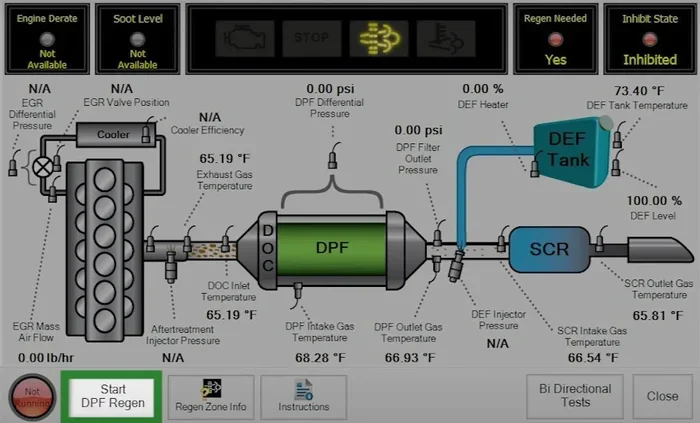
Forced regeneration is a more intensive process. It is performed by a mechanic using diagnostic equipment. A forced DPF regeneration can take anywhere from 30 minutes to over an hour. The mechanic connects a diagnostic tool to the engine management system and initiates the cycle manually.
Forced regeneration is usually needed when the soot level has become very high. It may also be required if passive or active regeneration has failed. This process burns off a significant amount of accumulated soot and can restore the filter to near-new condition.
| Regeneration Type | Typical Duration | Where It Happens | Driver Input Needed? |
|---|---|---|---|
| Passive | Continuous during highway driving | Highway / motorway | No |
| Active | 10 to 30 minutes | Anywhere during driving | No |
| Forced | 30 to 60+ minutes | Garage / workshop | Yes (mechanic) |
Factors That Affect DPF Regeneration Time
Not all regeneration cycles are the same. Several factors influence how long the process takes and whether it completes successfully. Understanding these factors helps you support the process and avoid problems.
Driving Conditions
Driving conditions are the single biggest factor. Highway driving at steady speeds allows the exhaust to reach the high temperatures needed for regeneration. City driving, stop-and-go traffic, and short trips often prevent the exhaust from getting hot enough. This leads to incomplete regeneration and a growing soot problem.
If you regularly drive short distances under 10 miles, your DPF may struggle to regenerate properly. This is one of the most common causes of DPF issues in modern diesel vehicles.
Soot Accumulation Level
The amount of soot in the filter directly affects regeneration time. A lightly loaded filter regenerates faster than a heavily clogged one. Most systems initiate active regeneration when soot levels reach 45%. If you ignore the warning signs, the soot level can climb to 75% or higher. At that point, regeneration takes longer and becomes more difficult.
Engine Health and Maintenance
A well-maintained engine regenerates more efficiently. If your engine is running rich (too much fuel), the regeneration process may not reach the temperatures needed to burn off soot properly. Oil quality, fuel quality, and the condition of glow plugs all play a role in how smoothly regeneration goes.
Regular servicing and using the correct grade of engine oil are essential. Low-quality oil can produce more ash, which clogs the filter faster and complicates the regeneration process.
Ambient Temperature
Cold weather can slow down the DPF regeneration process. Lower ambient temperatures mean the exhaust takes longer to reach optimal burn-off temperatures. In winter months, drivers in cold climates may notice regeneration cycles happening more frequently or taking slightly longer.
Common DPF Regeneration Problems
Even with the best maintenance, DPF regeneration problems can occur. Knowing what to watch for helps you address issues before they become expensive repairs.
Incomplete Regeneration
Incomplete regeneration happens when the cycle is interrupted before the soot is fully burned off. This usually occurs when you stop driving too soon after the process starts. The result is a partially cleaned filter that continues to accumulate soot. Over time, this leads to a recurring warning light and reduced engine performance.
The DPF Warning Light
The DPF warning light on your dashboard is your first signal that something is wrong. If the light stays on, it usually means the regeneration cycle has not completed or the filter is too clogged. Ignoring this light is one of the biggest mistakes diesel drivers make. Continued driving with an active warning can lead to a limp mode or even engine damage.
Ash Accumulation Over Time
While soot burns off during regeneration, ash does not. Ash is a byproduct of normal combustion and builds up in the filter over thousands of miles. Eventually, the ash level becomes too high for regeneration to handle. At this point, the filter needs professional cleaning or replacement.
Sensor Failures
DPF systems rely on several sensors to monitor exhaust pressure and soot levels. If a differential pressure sensor or temperature sensor fails, the engine management system may not trigger regeneration at the right time. This can lead to unexpected clogging even if your driving habits are good.
Tips to Keep Your DPF Healthy
Prevention is always better than cure. A few simple habits can keep your DPF working well and reduce the frequency of regeneration cycles.
Drive at Highway Speeds Regularly
Take your vehicle on a highway or motorway trip at least once a week. A 20 to 30-minute drive at steady speeds of 50 mph or above allows the exhaust to reach the temperatures needed for passive regeneration. This is especially important if your daily commute involves mostly city driving.
Avoid Short Trips When Possible
Short trips do not give the exhaust system enough time to reach operating temperature. If you can combine errands into a single longer trip, do so. Your DPF will thank you.
Use Quality Fuel and Oil
Always use the recommended grade of diesel engine oil, preferably one labeled as low ash. Poor-quality fuel can increase soot production and make regeneration harder. Clean fuel and clean oil are the foundation of a healthy DPF system.
Do Not Ignore Warning Lights
If the DPF warning light comes on, address it promptly. Continuing to drive without resolving the issue can lead to a blocked filter. Early intervention is always cheaper and simpler than a full filter replacement.
Schedule Regular Servicing
Follow your manufacturer’s recommended service schedule. During servicing, a mechanic can check the DPF condition, inspect sensors, and perform a forced regeneration if needed. Staying on top of maintenance prevents small problems from becoming big ones.
Expert Insight: Many drivers ask whether they can manually start a regeneration cycle. The answer is yes, in most modern vehicles. However, it should only be done in a safe, open area where you can drive continuously for at least 15 to 20 minutes. Never attempt forced regeneration in enclosed spaces due to the high exhaust temperatures involved.
How Much Does DPF Replacement Cost?
If regeneration fails and the filter becomes irreparably damaged, replacement is the only option. The cost varies depending on the vehicle make and model. On average, a new DPF can cost anywhere from 500 to 2,500 pounds or more. Labour costs add to the total.
This is precisely why understanding the DPF regeneration process and keeping the filter clean is so important. A little prevention goes a very long way toward avoiding a significant expense.
Conclusion
So, how long does a DPF regeneration take? The answer depends on the type of regeneration, your driving habits, and the condition of your vehicle. Most active regeneration cycles take 10 to 30 minutes. Passive regeneration happens continuously during highway driving. Forced regeneration at a garage can take up to an hour or more.
The key takeaway is simple. Understand your vehicle’s DPF system, drive in ways that support regeneration, and never ignore warning lights. A little knowledge and attention can keep your diesel engine running smoothly for years to come. DPF regeneration is not something to fear. It is a smart, built-in system designed to keep your vehicle clean and efficient. Work with it, and it will work for you.
FAQs
Can I drive during a DPF regeneration cycle?
Yes, you can continue driving during an active regeneration cycle. However, try to maintain a steady speed for at least 10 to 15 minutes. Stopping and starting too frequently can interrupt the cycle and leave the filter partially cleaned. The process is designed to happen while you drive normally.
What happens if I turn off my car during regeneration?
Turning off the engine mid-regeneration interrupts the soot burn-off process. The cycle will need to restart the next time you drive. Repeated interruptions lead to incomplete regeneration and increased soot buildup. Over time, this can trigger the DPF warning light and reduce engine performance.
How often does a DPF need to regenerate?
The frequency depends on your driving habits. Drivers who mostly take short trips may experience regeneration every 300 to 500 miles. Those who drive longer distances on highways may go much longer between cycles. The engine management system monitors soot levels and triggers regeneration automatically when needed.
Can a blocked DPF cause engine damage?
Yes, a severely blocked DPF can cause serious engine problems. It increases back pressure in the exhaust system, which forces the engine to work harder. This can lead to reduced power, poor fuel economy, overheating, and in extreme cases, engine failure. Addressing DPF issues early prevents costly damage.
Is DPF removal legal?
DPF removal is illegal for vehicles used on public roads in most countries. Removing or bypassing the filter violates emissions regulations and can result in fines, failed MOT tests, and insurance issues. If your DPF is damaged, have it repaired or replaced by a qualified professional instead of removing it.
What is the difference between DPF regeneration and DPF cleaning?
Regeneration is the vehicle’s automatic self-cleaning process that burns off soot during driving. DPF cleaning is a manual service performed by a specialist using compressed air, water, or chemical solutions. Cleaning is typically needed when ash accumulation has reached a level that regeneration alone cannot address.