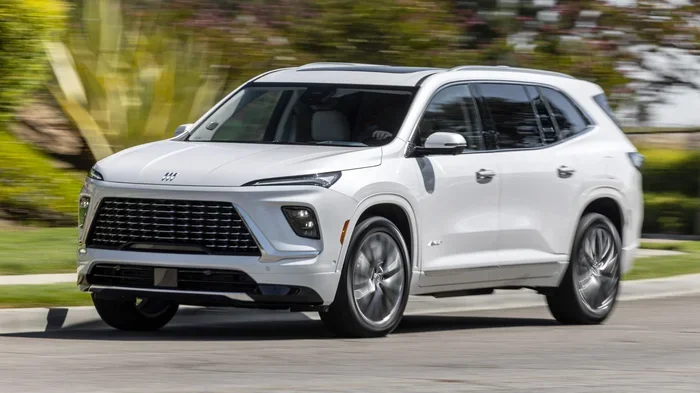
How Long Will a Buick Enclave Last and Stay Reliable
The Buick Enclave can last well over 200,000 miles with proper care. This full-size SUV combines a durable V6 engine with solid build quality that has earned strong reliability ratings. Regular maintenance, smart driving habits, and timely repairs are the key factors that determine whether your Enclave will hit the 250,000-mile mark or fall short.
Key Takeaways
- Average Lifespan: A well-maintained Buick Enclave can last 200,000 to 250,000 miles or more.
- Engine Reliability: The GM 3.6L V6 engine is known for durability when serviced on schedule.
- Maintenance Matters: Following the recommended service intervals is the single biggest factor in longevity.
- Common Issues: Transmission and electrical problems can arise in higher-mileage models if ignored.
- Weight Impact: The Enclave’s heavy frame affects wear on suspension and braking components over time.
- Best Model Years: 2018 and newer models benefit from improved engineering and fewer recurring problems.
📑 Table of Contents
- How Long Will a Buick Enclave Last and Stay Reliable?
- What Is the Average Lifespan of a Buick Enclave?
- Factors That Affect Buick Enclave Longevity
- Common Buick Enclave Reliability Issues
- Maintenance Schedule for Maximum Lifespan
- How Does the Buick Enclave Compare to Other SUVs?
- Tips to Make Your Buick Enclave Last Longer
- Is a High-Mileage Buick Enclave Worth Buying?
- Conclusion
How Long Will a Buick Enclave Last and Stay Reliable?
If you own or are thinking about buying a Buick Enclave, you probably want to know one thing: how long will it actually last? The answer is more encouraging than you might think. With the right care, this full-size SUV can easily surpass the 200,000-mile mark. Many owners report pushing their Enclaves past 250,000 miles without major issues.
The Buick Enclave lifespan depends on several factors. Your driving habits, maintenance schedule, climate, and even how you load the vehicle all play a role. But the good news is that the Enclave was built with longevity in mind. GM designed this SUV to handle the demands of family life for years on end.
In this guide, we will break down everything you need to know about Buick Enclave reliability. We will cover the average lifespan, common problems, maintenance needs, and practical tips to help your Enclave stay on the road longer. Whether you have 50,000 miles or 150,000 miles on the odometer, this article has valuable insights for you.
Buick Enclave longevity is not just about the engine. It is about the whole vehicle. From the transmission to the suspension, every component matters. Let us dive into what makes this SUV tick and how you can keep it running strong.
What Is the Average Lifespan of a Buick Enclave?
Most Buick Enclave owners can expect their vehicle to last between 200,000 and 250,000 miles. Some well-cared-for examples have even crossed the 300,000-mile threshold. But these are not the norm. The average driver puts about 13,000 to 15,000 miles on their vehicle per year. At that rate, a properly maintained Enclave can serve you reliably for 15 to 20 years.
Several things influence how long your specific Enclave will last. The engine type, transmission, driving conditions, and maintenance history all matter. Let us look at these factors more closely.
Engine Life and Durability
The Buick Enclave comes with a 3.6-liter V6 engine. This engine has been a workhorse for GM vehicles for many years. It produces around 310 horsepower and is paired with a 9-speed automatic transmission. The engine itself is fairly straightforward in design, which works in its favor for long-term reliability.
The 3.6L V6 is known for reaching 250,000 miles or more when properly maintained. Common engine issues are rare on this platform. The biggest threats to engine longevity are neglected oil changes and overheating. If you keep up with your oil changes and watch your temperature gauge, your engine should serve you well into the high miles.
Transmission Longevity
The 9-speed automatic transmission in the Enclave is generally reliable. However, like any automatic transmission, it needs proper care. Transmission fluid changes are critical. Many owners overlook this service, which can lead to premature wear.
Most transmission problems in the Enclave show up after 100,000 miles. Symptoms include rough shifting, hesitation, or slipping. Regular fluid changes can prevent most of these issues. If you notice any unusual behavior, get it checked right away. Catching transmission problems early can save you thousands of dollars in repairs.
Factors That Affect Buick Enclave Longevity
Not every Enclave will last the same number of miles. Several key factors determine how long your vehicle will stay reliable. Understanding these factors can help you make better decisions about maintenance and driving habits.
Driving Habits
How you drive has a huge impact on your Enclave’s lifespan. Aggressive driving, rapid acceleration, and hard braking all put extra stress on the engine, transmission, and brakes. Smooth, steady driving is much easier on the vehicle.
Short trips are also tough on any vehicle. The engine does not reach full operating temperature, which can cause moisture buildup and accelerated wear. If you mostly drive short distances, consider taking your Enclave on longer drives occasionally to let everything warm up properly.
Maintenance Schedule
This is the single most important factor. Regular maintenance is the backbone of vehicle longevity. Skipping oil changes, ignoring brake inspections, or delaying fluid replacements will shorten your Enclave’s lifespan significantly.
GM recommends specific service intervals for the Enclave. Following these guidelines is not optional if you want maximum longevity. Here is a quick look at the key maintenance tasks:
- Oil and Filter Changes: Every 5,000 to 7,500 miles
- Transmission Fluid: Every 60,000 to 80,000 miles
- Coolant Flush: Every 100,000 miles or 5 years
- Brake Fluid: Every 2 years
- Spark Plugs: Every 100,000 miles
- Timing Chain: Inspect at 150,000 miles
Climate and Environmental Factors
Where you live matters more than you might think. Vehicles in cold climates face more wear on engine components during start-up. Hot climates can cause cooling system stress and interior degradation.
Salt and road chemicals are enemies of any vehicle. If you live in a snowy or coastal area, regular undercarriage washes can make a big difference. Corrosion and rust are silent killers of vehicle longevity. Protecting the body panels and undercarriage will pay off in the long run.
Also consider the impact of sunlight on your interior. Prolonged UV exposure can crack dashboards, fade seats, and degrade seals. If you live in a sunny climate, a quality 20 percent window tint can protect your interior and keep the cabin cooler. This small investment can preserve your Enclave’s comfort and value over the years.
Vehicle Weight and Its Impact
The Buick Enclave is a large, heavy SUV. It weighs around 4,700 to 5,200 pounds depending on the trim and configuration. That is a substantial amount of vehicle weight that puts extra stress on many components.
Heavy vehicles tend to wear out brakes, suspension components, and tires faster than lighter ones. The Enclave’s size means it carries more mass, which affects everything from fuel economy to component wear. Understanding this can help you plan for more frequent service on certain parts.
Because the Enclave is so heavy, it can be considered 000 lbs heavy for a car in the compact sedan world. This weight demands quality parts and attentive maintenance. But GM engineered the Enclave to handle this mass, and with proper care, the suspension and braking systems will hold up well beyond 200,000 miles.
Common Buick Enclave Reliability Issues
No vehicle is perfect. The Buick Enclave has a solid reliability record, but it is not without its known issues. Being aware of these problems can help you catch them early and avoid costly repairs.
Transmission Concerns
As mentioned earlier, the 9-speed transmission can develop issues in higher-mileage models. The most common complaints involve rough or jerky shifts, especially at low speeds. Some owners have reported transmission hesitation during acceleration.
These issues typically appear after 80,000 to 100,000 miles. Regular fluid changes are the best prevention. If you buy a used Enclave with over 100,000 miles, have the transmission inspected thoroughly before purchase.
Electrical Gremlins
Like many modern vehicles, the Enclave can develop electrical issues over time. These range from minor annoyances like flickering dashboard lights to more serious problems like intermittent power window failures or sensor malfunctions.
Electrical issues are often caused by corroded connectors or failing modules. They can be tricky to diagnose and repair. Staying on top of software updates from your dealer can help prevent some of these issues. If you notice any electrical oddities, address them promptly before they worsen.
Suspension Wear
The Enclave’s heavy body puts extra load on the suspension system. Common wear items include struts, control arm bushings, and sway bar links. These components typically need replacement between 80,000 and 120,000 miles.
Signs of suspension wear include a rough ride, pulling to one side, or unusual noises over bumps. Replacing worn suspension parts promptly will prevent uneven tire wear and maintain safe handling. This is especially important given the vehicle’s size and weight.
Cooling System Problems
Some Enclave owners have reported cooling system leaks, particularly around the water pump and radiator hoses. These issues tend to surface after 100,000 miles. Overheating can cause serious engine damage, so any cooling system concern should be addressed immediately.
Regular coolant flushes and hose inspections can prevent most cooling system failures. Keep an eye on your temperature gauge and address any overheating warnings right away. Prevention is always cheaper than repair when it comes to the cooling system.
Maintenance Schedule for Maximum Lifespan
Following a strict maintenance schedule is the best thing you can do for your Enclave’s longevity. GM has published detailed service intervals in the owner’s manual. Here is a simplified breakdown of what to prioritize.
Daily and Weekly Checks
- Check tire pressure before long trips
- Inspect for any fluid leaks under the vehicle
- Listen for unusual noises during driving
- Monitor the temperature gauge on startup
Monthly Maintenance
- Check engine oil level
- Inspect windshield wipers and washer fluid
- Test all lights and signals
- Check brake pedal feel
Scheduled Service Intervals
Sticking to the factory maintenance schedule is essential. Here are the major service milestones for the Buick Enclave:
- Every 5,000 to 7,500 miles: Oil change, tire rotation, multi-point inspection
- Every 15,000 miles: Air filter replacement, cabin filter replacement
- Every 30,000 miles: Fuel filter check, brake inspection, battery test
- Every 60,000 miles: Transmission fluid change, spark plug replacement
- Every 100,000 miles: Coolant flush, drive belt inspection, thorough suspension check
- Every 150,000 miles: Timing chain inspection, full fluid flush, comprehensive diagnostic
Staying on top of these services will keep your Enclave running smoothly for many years. It also helps maintain your Buick Enclave resale value. A well-documented maintenance history is a huge selling point if you decide to trade in or sell the vehicle.
How Does the Buick Enclave Compare to Other SUVs?
The Enclave competes with several popular full-size three-row SUVs. Let us see how it holds up in terms of longevity and reliability compared to the competition.
| Vehicle | Avg. Lifespan | Common Issues | Maintenance Cost |
|---|---|---|---|
| Buick Enclave | 200,000-250,000 miles | Transmission, electrical | Moderate |
| Chevy Traverse | 200,000-240,000 miles | Transmission, fuel pump | Moderate |
| Toyota Highlander | 250,000-300,000 miles | Minimal | Lower |
| Honda Pilot | 250,000-300,000 miles | Minimal | Lower |
As you can see, the Enclave holds its own against competitors. It does not quite match Toyota and Honda in terms of expected lifespan, but it is close. The maintenance costs are moderate and reasonable for a vehicle of this size. The Enclave offers a more luxurious interior and smoother ride than many rivals, which adds value for many buyers.
If you are looking for a reliable family SUV that balances comfort with durability, the Enclave is a strong choice. Its longevity is competitive, and with proper care, it will serve your family well for many years.
Tips to Make Your Buick Enclave Last Longer
Want to push your Enclave past the 250,000-mile mark? These practical tips can help you maximize your vehicle’s lifespan.
1. Never Skip Oil Changes
This cannot be overstated. Clean oil is the lifeblood of your engine. Dirty oil causes increased friction, heat buildup, and accelerated wear. Stick to the recommended oil change interval and use the grade of oil specified in your owner’s manual.
2. Address Problems Early
Small problems become big problems fast. A strange noise, a warning light, or a slight change in performance should never be ignored. Early diagnosis and repair almost always cost less and prevent further damage.
3. Keep It Clean
Regular washing protects the paint and undercarriage from corrosion. Pay special attention to the wheel wells and underside, especially in winter. A clean vehicle is also easier to inspect for leaks and worn components.
4. Drive with Care
Avoid sudden acceleration and hard braking whenever possible. Gentle driving reduces stress on the engine, transmission, and brakes. It also improves fuel economy, which is a nice bonus.
5. Store Properly
If you have a second vehicle or go through extended periods without driving, store the Enclave properly. Keep it in a covered area, maintain the battery, and take it for a drive at least once a week to keep all systems lubricated and functioning.
6. Use Quality Parts
When replacement parts are needed, opt for OEM (Original Equipment Manufacturer) parts or high-quality aftermarket alternatives. Cheap parts may save money upfront but often wear out faster and can cause additional problems.
Quick Tips for Enclave Owners
- Keep a maintenance log in the glove box
- Set phone reminders for upcoming service appointments
- Learn to check your own fluid levels
- Join an Enclave owner community for shared advice
- Address recalls promptly by checking the NHTSA website
Is a High-Mileage Buick Enclave Worth Buying?
Many buyers wonder whether a used Enclave with high mileage is a smart purchase. The answer depends on the vehicle’s history. A well-maintained Enclave with 150,000 miles can be a better buy than a neglected one with 80,000 miles.
When shopping for a high-mileage Enclave, look for a complete maintenance history. Have a trusted mechanic perform a pre-purchase inspection. Pay special attention to the transmission, engine condition, and suspension components.
The Buick Enclave resale value holds up reasonably well for a domestic SUV. Even at higher mileages, a clean and well-documented Enclave can fetch a fair price. This makes it a practical choice for buyers who want a spacious, reliable family SUV without paying new-car prices.
Conclusion
So, how long will a Buick Enclave last? The answer is clear: with proper care and regular maintenance, your Enclave can reliably serve you for 200,000 miles or more. This is a vehicle built for durability, and it rewards owners who take a proactive approach to upkeep.
The key factors are simple: follow the maintenance schedule, drive carefully, address problems early, and protect the vehicle from environmental damage. These steps apply to any vehicle, but they are especially important for a large SUV like the Enclave.
Whether you are a current Enclave owner looking to maximize your investment or a buyer considering a used model, the Enclave offers strong long-term value. Its combination of comfort, space, and reliability makes it a standout choice in the full-size SUV segment.
Take care of your Buick Enclave, and it will take care of you for many years to come. The road ahead is long, and your Enclave is ready for the journey.
Frequently Asked Questions
What is the average lifespan of a Buick Enclave?
Most Buick Enclaves last between 200,000 and 250,000 miles with proper maintenance. Some well-cared-for examples have reached 300,000 miles. The average driver puts about 13,000 to 15,000 miles per year, which means a properly maintained Enclave can serve you reliably for 15 to 20 years.
What are the most common problems with the Buick Enclave?
The most common issues include transmission roughness or hesitation, electrical gremlins like flickering lights, suspension wear from the vehicle’s heavy weight, and cooling system leaks. Most of these problems appear after 80,000 to 100,000 miles and can be prevented or minimized with regular maintenance and prompt repairs.
How often should I change the oil in my Buick Enclave?
GM recommends changing the oil every 5,000 to 7,500 miles for the Buick Enclave. Using the correct oil grade specified in your owner’s manual is essential. Regular oil changes are the single most important factor in engine longevity and overall vehicle reliability.
Is the Buick Enclave reliable for long road trips?
Yes, the Buick Enclave is a comfortable and reliable choice for long road trips. Its V6 engine provides ample power, and the ride quality is smooth even over long distances. Just make sure to check fluid levels, tire pressure, and perform a pre-trip inspection before hitting the road.
What model years of the Buick Enclave should I avoid?
Early model years, particularly 2008 and 2009, had more reported issues with the transmission and electrical systems. The 2018 and newer models benefit from significant improvements in engineering and reliability. If buying used, a 2015 or newer Enclave with a full maintenance history is the safest bet.
Can a Buick Enclave reach 300,000 miles?
Yes, it is possible for a Buick Enclave to reach 300,000 miles, but it requires exceptional care and maintenance. Owners who strictly follow the service schedule, address issues promptly, and drive gently are most likely to achieve this milestone. The 3.6L V6 engine is capable of supporting this level of mileage when properly maintained.
=== INTERNAL LINKS ===
Protecting your Enclave’s interior from sun damage is one of the simplest things you can do. Consider a quality 20 percent window tint to shield the cabin from harmful UV rays.
Because the Enclave carries significant weight, it places more stress on brakes and suspension than lighter vehicles. Understanding how vehicle weight impacts longevity can help you plan for more frequent service on these components.
When comparing mileage expectations across different engine types, keep in mind that diesel engines often reach very high mileage numbers more easily, but the Enclave’s gas V6 is designed for a different set of longevity benchmarks.