Car Won’T Start After Getting Gas
Car Won’t Start After Getting Gas is a frustrating but often simple problem to fix. Whether it’s a loose gas cap, a faulty fuel pump, or an issue with the EVAP system, this guide walks you through the most common causes and quick solutions to get your vehicle running again. Don’t panic—read on to find out what’s likely wrong and how to resolve it yourself.
Car Won’T Start After Getting Gas
There is nothing more frustrating than stepping out of a gas station, turning your key, and hearing silence. You just filled up your tank, and now your car won’t start after getting gas. It feels like the one time you should have no problems, and yet here you are, standing in the parking lot, wondering what went wrong.
This is a surprisingly common issue that catches drivers off guard. The good news is that it is usually fixable, and the causes are well understood. In this guide, we will walk through every reason why your car not starting after refueling happens, what you can do about it, and how to stop it from coming back.
Whether your engine cranks but won’t fire, or you hear absolutely nothing at all, this article covers it. We have included real-world examples, practical tips, and a handy comparison table to help you diagnose the problem fast. Let us get into it.
Key Takeaways
- Turn off your engine: Always shut it down before fueling to prevent vapor lock issues.
- Check your fuel cap: A loose seal triggers check engine lights and starting problems.
- Wait a few minutes: Let the fuel system reset after refueling to resolve starting issues.
- Inspect the EVAP purge valve: A faulty valve commonly causes stalling right after filling up.
- Keep jumper cables handy: They provide a quick fix for battery-related no-start situations.
- Maintain your fuel filter: Regular replacement prevents clogs that lead to post-refuel starting failures.
- Call a trusted mechanic: Professional diagnosis is best when fuel system problems persist.
📑 Table of Contents
Why Does Your Car Won’t Start After Getting Gas?
When your car won’t start after getting gas, the root cause almost always ties back to the fuel system, the electrical system, or a sensor glitch. Each of these areas can be disrupted during the simple act of refueling. Understanding why helps you narrow down the fix quickly.
Think of your vehicle like a chain. The battery provides power, the starter motor turns the engine, the fuel pump delivers gas, and the spark plugs ignite the mixture. If one link breaks during a fuel stop, the whole chain fails. Let us look at the most common reasons this happens.
The Vapor Lock Problem
A vapor lock is one of the oldest reasons a car stalls or refuses to start after pumping gas. It happens when liquid fuel turns into vapor inside the fuel lines before reaching the engine. Older cars with carburetors are especially prone to this, but modern vehicles can experience it too.
When you fill up on a hot day, heat from the engine bay and the surrounding pavement can cause fuel to vaporize prematurely. The fuel pump then pulls air instead of liquid fuel, and your engine simply will not start. This issue is more common in warmer climates and during summer months.
EVAP System Malfunction
Every modern car has an EVAP system, which stands for Evaporative Emission Control. This system captures fuel vapors from the tank and routes them into the engine to be burned. When you remove your gas cap or finish pumping, the system can sometimes throw a error code.
A loose or faulty gas cap is the number one trigger for EVAP-related car not starting after refueling issues. The system detects a leak and may prevent the engine from starting as a safety measure. It sounds strange, but this happens more often than most drivers realize.
Fuel Pump Relay Interference
The fuel pump relay controls the flow of electricity to the fuel pump. During refueling, fuel vapors and static electricity can occasionally interfere with the relay’s normal operation. If the relay fails to engage, the fuel pump will not prime the system, and your engine will crank but never fire.
This is especially common when you top off your tank or pump fuel very quickly. The sudden surge of fuel can create pressure fluctuations that confuse the relay switch. It is a small component, but it can cause big headaches.
Common Causes of Car Not Starting After Refueling
Let us break down the specific causes of car won’t start after getting gas into clear categories. Each one has distinct symptoms and a different fix. Use this section to narrow down what is happening with your vehicle.
- Loose or damaged gas cap — The simplest and most overlooked cause. A cap that does not seal properly triggers the check engine light and can prevent starting.
- Fuel pump failure — The pump may have been weakened by heat or age and cannot deliver fuel after the extra demand of a full tank.
- Clogged fuel filter — A dirty filter restricts fuel flow, and the problem gets worse right after refueling when the system needs maximum flow.
- Faulty fuel pressure regulator — This part controls fuel pressure. If it fails, the engine gets too much or too little fuel after a fill-up.
- Ignition switch problems — Vibration from driving to the pump or static discharge can temporarily jam the ignition switch.
- Battery drain from fuel pump draw — If the fuel pump works harder than normal, it can drain a weak battery just enough to prevent starting.
Notice how many of these causes are related to the fuel system? That is why a car not starting after refueling almost always points back to fuel delivery or vapor management. The electrical causes are real but less common.
Quick Diagnostic Checklist
Before you call a mechanic, run through this simple checklist. It can save you time and money.
- Check that your gas cap is tight and undamaged.
- Turn the key to the “ON” position (do not start) and listen for a humming sound from the rear of the car. That is the fuel pump priming.
- Check your dashboard for warning lights, especially the check engine light.
- Try turning the key to “ON” and back to “OFF” three times before attempting to start. This resets the fuel pressure.
- Check if the engine cranks normally or if it turns over slowly.
Fuel System Problems That Can Cause This Issue
The fuel system is the heart of your vehicle’s ability to start and run. When something goes wrong in this system right after you get gas, the effects are immediate and frustrating. Let us explore the key components that can fail.
Fuel Pump Issues
Your fuel pump sits inside the gas tank and pushes fuel through the lines to the engine. When it works properly, you rarely think about it. But when it starts to fail, the timing can be incredibly inconvenient — like right after a fill-up.
Heat is the fuel pump’s worst enemy. On a hot day, the fuel in the tank heats up, and the pump has to work harder to push it. If the pump is already old or worn, this extra demand can push it over the edge. You might notice a whining noise from the tank before the pump completely fails.
Fuel Injector Troubles
Fuel injectors spray precise amounts of fuel into each cylinder. When they get clogged with deposits or debris, the fuel spray pattern becomes uneven. After you add fresh fuel, the change in fuel composition can make clogged injectors even more problematic.
Clean fuel injectors are essential for reliable starting. If your car won’t start after getting gas and the engine cranks but does not catch, dirty injectors could be the culprit. A fuel system cleaner added to your next tank can help prevent this issue.
Fuel Pressure and Regulator Problems
Fuel needs to be delivered at the right pressure for your engine to start. The fuel pressure regulator maintains this pressure. When it fails, fuel either floods the engine or starves it.
After getting gas, the sudden influx of fuel can expose a weak regulator. The engine gets flooded with fuel, the spark plugs get wet, and suddenly your car not starting after refueling makes perfect sense. You can test fuel pressure with a gauge from any auto parts store.
| Fuel System Part | Common Symptom | Likely Cause After Refueling | Average Repair Cost |
|---|---|---|---|
| Fuel Pump | Engine cranks but won’t start | Heat-related failure or old age | $200 – $600 |
| Fuel Filter | Slow start or stalling | Clogged filter restricts flow | $50 – $150 |
| Fuel Pressure Regulator | Engine floods or runs rich | Pressure imbalance after fill-up | $150 – $350 |
| Fuel Injectors | Rough idle or no start | Clogged injectors with fresh fuel | $100 – $400 |
| Gas Cap / EVAP Seal | Check engine light on | Loose or cracked cap after pumping | $10 – $25 |
This table shows how different fuel system problems can all lead to the same frustrating result: your car won’t start after getting gas. Notice how affordable some of these fixes are compared to what people assume the problem must be.
Electrical and Sensor Issues to Watch For
Not every case of car not starting after refueling is a fuel problem. Electrical gremlins and sensor malfunctions can also be the culprit. These issues are trickier to diagnose but equally important to address.
Crankshaft Position Sensor
The crankshaft position sensor tells your engine computer where the crankshaft is at any given moment. Without this information, the computer cannot time the spark or fuel injection correctly.
Heat and vibration from driving can cause this sensor to fail intermittently. If you notice your car starts fine when cold but refuses to start after a fuel stop on a hot day, the crankshaft sensor is a strong suspect. Replacing it is usually straightforward and affordable.
Ignition Coil and Spark Plug Problems
Your ignition coil converts battery voltage into the high voltage needed to create a spark at the plugs. When an ignition coil fails, one or more cylinders stop firing, and your engine will not start.
After getting gas, moisture or fuel vapors can sometimes find their way into the ignition system. This is rare but happens. If your engine cranks normally but just will not fire, check the spark plugs and coils first. A simple spark plug tester costs under $15 and can save you a trip to the mechanic.
Static Electricity and Grounding Issues
Here is something most drivers never think about: static electricity. When you slide in and out of your car seat while pumping gas, you build up a static charge. If you touch the fuel nozzle and then touch your car’s electrical components, that discharge can momentarily interfere with sensitive sensors.
This is more common in dry climates and during winter months when the air is low in humidity. The fix is simple — touch a metal part of your car door before touching the fuel pump, and always discharge static before re-entering your vehicle.
Check Engine Light and Error Codes
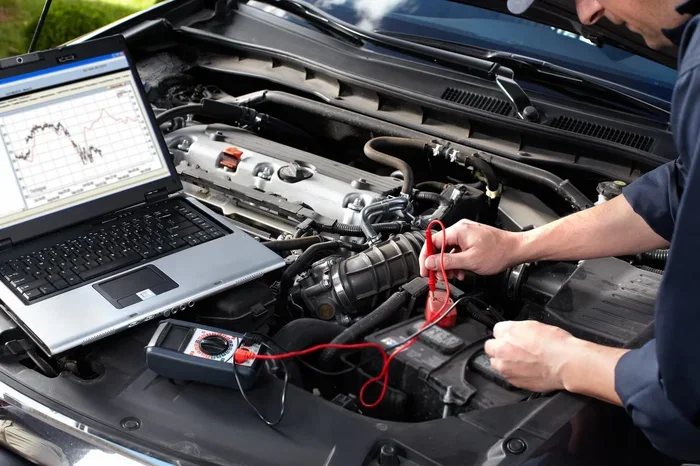
If your check engine light comes on right after you get gas, do not ignore it. A scan tool can read the error codes and point directly to the problem. Many auto parts stores will read these codes for free.
Common codes related to car won’t start after getting gas include P0440 (EVAP system malfunction), P0087 (low fuel rail pressure), and P0230 (fuel pump primary circuit). These codes give you a starting point for diagnosis and help you avoid unnecessary part replacements.
Quick Fixes and Step-by-Step Solutions
Now that you understand the causes, let us talk about solutions. Here are practical steps you can take right now to get your car running again.
Step 1: Check the Gas Cap
Remove your gas cap and inspect it. Look for cracks, warping, or a worn seal. If it looks damaged, replace it immediately. A new gas cap costs between $10 and $25 and fixes more problems than most drivers expect.
After replacing the cap, drive for a few miles and see if the check engine light goes off. In many cases, this alone resolves the car not starting after refueling issue.
Step 2: Prime the Fuel System
Turn your key to the “ON” position without starting the engine. Wait about 10 seconds. This gives the fuel pump time to build pressure. Repeat this process two or three times before trying to start the engine.
This simple trick works because it manually primes the fuel system, which is especially helpful after the pressure disruption that can happen during refueling.
Step 3: Check for Fuel Delivery
Locate your fuel rail (the metal tube that runs along the top of the engine). If you have a fuel pressure gauge, attach it to the test port and check the reading. Compare it to your vehicle’s specifications in the owner’s manual.
Low fuel pressure after a fill-up points to a weak pump, a clogged filter, or a failing regulator. Each of these has a clear fix once you confirm the pressure reading.
Step 4: Inspect Spark Plugs
Remove a spark plug and look at it. If it is wet with fuel, your engine is flooding. Let the plugs dry out or replace them, then try starting again. If the plug looks clean and there is no spark, your ignition coil may need replacement.
Step 5: Reset the Fuel Pump Relay
Locate your fuse box and find the fuel pump relay. Pull it out, wait 30 seconds, and push it back in. This resets the relay and can clear minor electrical glitches caused by refueling.
How to Prevent This From Happening Again
The best way to deal with car won’t start after getting gas is to prevent it from happening in the first place. These simple habits can save you from future headaches.
- Tighten your gas cap until it clicks — three to four clicks is usually the right amount. Do not over-tighten, as this can damage the seal.
- Avoid topping off your tank — Pumping past the first click can flood the EVAP system and cause pressure problems.
- Turn off your engine while refueling — This reduces heat buildup and minimizes vapor lock risk.
- Replace your fuel filter on schedule — Most manufacturers recommend every 30,000 to 60,000 miles. A clean filter keeps fuel flowing smoothly.
- Use quality fuel — Stick to reputable gas stations. Dirty fuel with contaminants can clog injectors and damage the fuel pump over time.
- Discharge static before re-entering your car — Touch the metal door frame before grabbing the fuel nozzle.
- Monitor your fuel pump health — If you hear a whining noise from the tank or notice starting problems, get the pump checked early.
Regular Maintenance That Helps
Staying on top of routine maintenance is your strongest defense against car not starting after refueling. Here is a short list of maintenance tasks that directly protect your starting system.
- Replace the fuel filter every 30,000 to 60,000 miles.
- Add a fuel system cleaner to your tank every 5,000 miles.
- Inspect spark plugs every 30,000 miles and replace as needed.
- Test fuel pressure annually, especially before summer.
- Replace the gas cap every 5 years or if you notice any damage.
- Keep your battery terminals clean and tight.
These small investments of time and money add up to a much more reliable starting experience. You will spend less time in parking lots wondering why your engine will not turn over.
When to Call a Professional
Most cases of car won’t start after getting gas can be fixed with the steps outlined above. However, some situations require a professional mechanic. If you have checked the gas cap, primed the fuel system, and tested the spark plugs, and your car still will not start, it is time to call in the experts.
Persistent fuel pressure problems, recurring check engine lights, or a fuel pump that makes unusual noises all warrant professional diagnosis. Trying to repair complex fuel system issues without the right tools can lead to wasted parts and more frustration. A qualified mechanic can run a full diagnostic and pinpoint the exact cause quickly.
Key Takeaways
Let us recap the most important points about why your car won’t start after getting gas.
- The most common causes are the gas cap, fuel pump, EVAP system, and vapor lock.
- A loose or damaged gas cap is the simplest fix and the most overlooked cause.
- Fuel system problems like clogged injectors and weak pumps get worse after refueling.
- Electrical issues such as static discharge and faulty relays can also prevent starting.
- Most fixes are affordable and can be done at home with basic tools.
- Regular maintenance is the best prevention strategy.
Dealing with a car not starting after refueling is never fun, but it is almost always fixable. The key is staying calm, running through the diagnostic steps, and addressing the root cause. With the right knowledge and a little patience, you can get back on the road quickly and confidently.
Remember that your vehicle is a complex machine with many interconnected systems. When one part struggles after a fuel stop, it is usually a signal that something needs attention. Listen to your car, address problems early, and you will avoid the stress of a no-start situation at the worst possible time.
Frequently Asked Questions
Why Won’t My Car Start After Getting Gas?
Your car may not start after getting gas due to a few common issues like a loose or faulty gas cap, vapor lock, or a problem with the fuel pump. Sometimes the EVAP system gets triggered, which prevents the engine from starting as a safety measure. Checking your gas cap and waiting a few minutes often resolves the issue quickly.
Can a Loose Gas Cap Cause a Car Not to Start?
Yes, a loose or improperly sealed gas cap can trigger your check engine light and prevent the car from starting in some vehicles. The evaporative emission system relies on proper pressure, and a loose cap disrupts that balance. Simply tightening the cap until you hear it click may solve the problem right away.
What Should I Do If My Car Stalls Right After Refueling?
If your car stalls after filling up, pull over safely and turn the ignition off for a minute before trying again. Condensation or vapor lock in the fuel system can temporarily disrupt engine performance. Restarting the vehicle often clears the issue, but persistent stalling warrants a visit to a mechanic.
Can Bad Fuel Cause a Car Not to Start After Getting Gas?
Contaminated or low-quality fuel can definitely prevent your engine from starting properly. Water or debris in the gas tank can clog the fuel filter or injectors, causing a no-start condition. If you suspect bad fuel, avoid repeated cranking and have the tank inspected or drained by a professional.
Is It Normal for a Car to Crank But Not Start After Filling the Tank?
It is not normal, but it does happen when fuel vapor gets trapped in the fuel lines or the purge valve malfunctions. The cranking without starting usually points to a fuel delivery or air-fuel mixture issue triggered by the refueling process. Turning the key to the on position for a few seconds before starting can help prime the fuel system.
How Do I Fix a Car That Won’t Start After Getting Gas?
Start by checking the gas cap, waiting ten minutes, and then trying to restart the engine. If that doesn’t work, check the fuel pump fuse and relay, as pressure issues can arise after refueling. Persistent problems may indicate a faulty purge valve, fuel pump, or EVAP system leak that needs professional diagnosis.