Do Car Trunks Have Vents And Why It Really Matters
Car trunks do have vents in most modern vehicles, and they play a crucial role in airflow, odor prevention, and heat regulation. Without proper trunk ventilation, moisture builds up, smells linger, and your cargo area can suffer long-term damage. Understanding how trunk vents work helps you keep your car fresh, clean, and well-maintained.
Have you ever opened your car trunk and been hit with a musty smell? Or maybe you noticed moisture pooling at the bottom after a rainy day. These common problems often trace back to one overlooked feature: the trunk vent. Many drivers never think about their trunk ventilation until something goes wrong. But the truth is, do car trunks have vents is a question that matters more than most people realize.
Trunk vents are a small but mighty part of your vehicle’s design. They help control airflow, reduce heat, and keep your cargo area dry and fresh. Whether you drive a sedan, SUV, or hatchback, understanding how your trunk breathes can save you from costly repairs and unpleasant surprises. Let us dive deep into everything you need to know about car trunk vents and why they really matter.
Key Takeaways
- Most cars include trunk vents: They are designed to allow airflow and prevent moisture buildup in the cargo area.
- Trunk ventilation prevents odors: Proper airflow stops stale air and mold from developing inside your trunk.
- Heat buildup is a real problem: Without vents, your trunk can become extremely hot, damaging sensitive items.
- You can improve trunk airflow: Simple upgrades like trunk liners, vent clips, and regular cleaning make a big difference.
- Common problems are easy to fix: Blocked vents, broken clips, and worn seals are the most frequent issues and are usually inexpensive to repair.
- Regular maintenance matters: Keeping vents clean and unobstructed extends the life of your trunk and keeps it smelling fresh.
📑 Table of Contents
- What Is a Car Trunk Vent and How Does It Work?
- Why Do Car Trunks Need Ventilation?
- Types of Car Trunk Ventilation Systems
- Common Trunk Vent Problems and How to Fix Them
- How to Improve Your Car Trunk Ventilation
- Expert Tips for Maintaining Trunk Ventilation
- Does Every Car Have Trunk Vents?
- Conclusion
What Is a Car Trunk Vent and How Does It Work?
A trunk vent is a small opening or channel built into the trunk or cargo area of your vehicle. Its job is simple but important: it allows air to circulate in and out of the trunk space. This airflow prevents moisture from getting trapped and helps regulate temperature inside the cargo area.
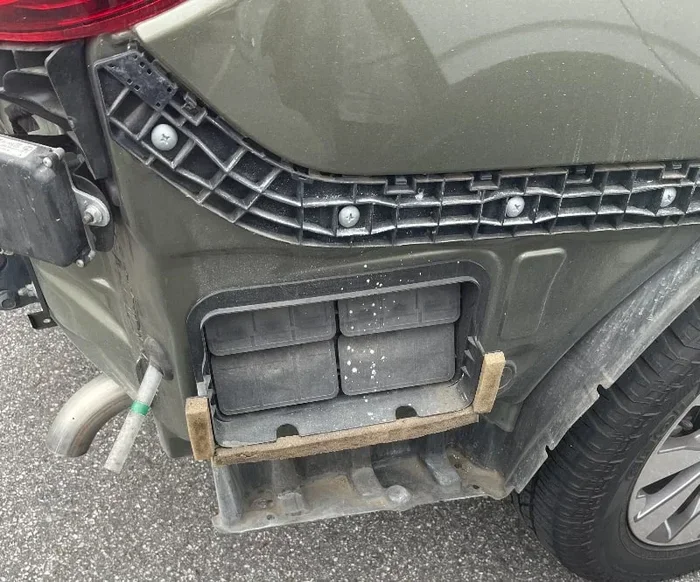
Most trunk vents are located near the rear of the vehicle, often close to the taillights or in the trunk lid itself. They look like small slits, grilles, or perforated panels. Some cars have visible vents on the outside of the trunk, while others hide them inside the trunk lining where they are less obvious.
Here is how a typical trunk ventilation system works:
- Air enters through external vents: These openings pull in fresh outside air as you drive.
- Air circulates inside the trunk: The moving air flows through the cargo area and carries away moisture and heat.
- Stale air exits through designated channels: This creates a continuous cycle of fresh airflow.
The system relies on your vehicle’s movement to push air through. When you are driving, the airflow naturally moves through these vents. That is why trunk ventilation works best when you are on the road and not so much when the car is parked.
Some vehicles also connect the trunk vent system to the cabin ventilation. This means the trunk can benefit from the same airflow system that cools your passenger area. It is a smart design that most drivers take for granted every single day.
Types of Trunk Vents You Might Find
Not all trunk vents look the same. Different car manufacturers use different designs based on the vehicle model and year. Here are the most common types you will encounter:
- Slotted vents: These are thin, horizontal or vertical cuts in the trunk lid or rear panel. They are the most common type and blend seamlessly with the car’s design.
- Perforated panels: These look like a series of tiny holes in a plastic panel inside the trunk. They allow air to pass through the trunk lining itself.
- External grille vents: These are visible on the outside of the trunk or rear windshield area. They look like small grilles and are easy to spot.
- Hidden internal channels: Some cars route air through channels inside the trunk trim. You will not see a vent from the outside, but the airflow is still happening.
Each type serves the same basic purpose: keeping air moving through the trunk. The design may vary, but the goal remains the same. And knowing which type your car has can help you troubleshoot problems later.
Why Do Car Trunks Need Ventilation?
You might wonder why a trunk needs ventilation at all. After all, it is just a storage space, right? Wrong. Your trunk is more than just a place to toss your groceries or luggage. It is a sealed compartment that can trap heat, moisture, and odors fast. Without proper ventilation, the trunk becomes a breeding ground for problems.
Here are the main reasons trunk ventilation matters so much:
Preventing Moisture and Mold
When moisture gets trapped inside your trunk, it has nowhere to go. Rainwater can seep in through gaps. Wet umbrellas, damp towels, or spilled drinks add even more moisture. Without airflow, that moisture sits and creates the perfect environment for mold and mildew. A musty smell in your trunk is often the first sign of a moisture problem. If left unchecked, mold can spread to your trunk liner and even into the cabin air system.
Reducing Heat Buildup
Your trunk can get incredibly hot, especially in summer. When the car sits in direct sunlight, the temperature inside the trunk can soar well above 100 degrees Fahrenheit. Without ventilation, that heat has no way to escape. This can damage items you store in the trunk, including electronics, plastic containers, and even your car battery. A 12 volt car air pump or other trunk-stored electronics can also suffer heat damage over time.
Eliminating Odors
Stale air in the trunk leads to lingering odors. Food spills, pet hair, gym bags, and shoes can all contribute to bad smells. Without fresh airflow, these odors settle into the trunk lining and fabric. A 3M car care product can help clean the trunk interior, but proper ventilation is the real long-term solution for keeping smells away.
Protecting Your Cargo
Whether you carry groceries, sports equipment, or luggage, your cargo deserves a dry and cool environment. Trunk ventilation helps maintain a stable temperature and reduces humidity. This protects your belongings from heat damage, moisture stains, and musty smells. It also keeps your trunk liner in better condition for longer.
Types of Car Trunk Ventilation Systems
Car manufacturers use several different ventilation approaches for trunk spaces. Understanding these systems can help you appreciate the design of your own vehicle and identify problems more easily.
Passive Ventilation Systems
Passive trunk vents are the most common type. They rely on the natural movement of air as the car drives down the road. The vents create a pressure difference that pulls fresh air in and pushes stale air out. These systems have no moving parts, which makes them reliable and low-maintenance. Most passenger cars use passive ventilation for the trunk.
Active Ventilation Systems
Some higher-end vehicles feature active trunk ventilation. These systems use small fans or blowers to force air through the trunk space. Active systems work even when the car is parked, which provides better moisture control. Luxury sedans and SUVs are more likely to include this feature. It is a nice upgrade that most drivers never think about until they miss it.
Cabin-Connected Ventilation
In some vehicles, the trunk ventilation is connected to the cabin air system. When the rear vents or the air conditioning system is running, a small amount of air flows into the trunk area as well. This creates a gentle circulation that keeps the trunk fresher. This design is more common in newer vehicles with sophisticated climate control systems.
Aftermarket Trunk Ventilation Solutions
If your car lacks adequate trunk ventilation or you want to improve it, aftermarket options exist. Trunk vent clips, additional vent inserts, and even small fans can be installed. A simple 12V power socket car adapter can power a small trunk fan that improves airflow significantly. These upgrades are affordable and easy to install. Many car enthusiasts swear by them, especially in hot climates.
Common Trunk Vent Problems and How to Fix Them
Even the best-designed trunk ventilation systems can develop problems over time. Knowing what to look for helps you catch issues early before they become expensive repairs.
Blocked Vents
The most common problem is blocked vents. Trunk liners, cargo organizers, and stored items can accidentally cover or block the vent openings. When vents are blocked, air cannot flow properly, and moisture builds up fast. The fix is simple: check your trunk vents regularly and make sure nothing is covering them. A quick glance every time you load the trunk can prevent a lot of trouble.
Broken Vent Clips
Trunk vents are held in place by plastic clips or fasteners. Over time, these clips can crack or break, especially in cold weather. A broken vent clip means the vent may not seal properly, which can let water leak into the trunk during rain. Replacing a vent clip is usually inexpensive and straightforward. You can find replacement clips at most auto parts stores.
Clogged Drain Channels
Many trunk vents connect to drain channels that carry moisture away from the vehicle. These channels can become clogged with leaves, dirt, and debris. When the drain is blocked, water backs up and pools inside the trunk. Regular cleaning of the trunk drain channels can prevent this issue. If you notice water in your trunk, check the drain channels first.
Worn or Damaged Trunk Seals
The trunk seal is the rubber gasket around the trunk lid. It keeps water and dust out while the car is moving. When the seal wears out or gets damaged, moisture can seep into the trunk and overwhelm the ventilation system. Inspect your trunk seal regularly and replace it if you see cracks or gaps. A new trunk seal is a small investment that pays off big time.
Trunk Vent Odors
If your trunk has a persistent musty smell despite having vents, the problem might be deeper than just airflow. Mold or bacteria may have built up inside the vent channels or trunk lining. In this case, a thorough cleaning is needed. Products from 3M car care Noida or similar locations can help you deep clean the trunk interior. Removing the trunk liner and cleaning the underlying surfaces is often the most effective approach.
How to Improve Your Car Trunk Ventilation
If you find that your trunk does not have enough airflow, or if you want to keep your ventilation system working at its best, there are several things you can do. These tips are practical, affordable, and easy to implement.
1. Keep Vents Clean and Unblocked
The simplest and most effective thing you can do is keep your trunk vents clear. Remove any items that might be covering the vents. Clean the vent openings with a soft brush or compressed air to remove dust and debris. A clean vent allows maximum airflow and works exactly as designed.
2. Use a Breathable Trunk Liner
Many trunk liners trap moisture against the trunk floor. Instead, choose a breathable or perforated trunk liner that allows air to pass through. This small change can significantly improve trunk ventilation and reduce moisture buildup. Look for liners specifically designed with airflow in mind.
3. Add a Trunk Vent Fan
If your trunk gets very hot or humid, consider adding a small ventilation fan. These fans plug into your car’s 12V power socket and actively move air through the trunk. They are small, quiet, and very effective. You can find trunk fans at most auto parts stores or online for under $20.
4. Regularly Air Out Your Trunk
Make it a habit to leave your trunk open for a few minutes after unloading. This allows fresh air to circulate and prevents moisture from getting trapped. It is a simple habit that makes a real difference, especially after carrying wet items or during humid weather.
5. Use Odor Absorbers
Baking soda, activated charcoal, or commercial trunk odor absorbers can help keep your trunk smelling fresh. Place them in a breathable bag and leave them in the trunk. These absorbers work alongside your trunk ventilation system to keep odors under control. Replace them every few months for the best results.
6. Schedule Regular Car Care
Regular car care goes a long way toward maintaining trunk ventilation. Clean the trunk interior, check the vents, and inspect the trunk seal at least once a month. A quick wipe-down and inspection routine keeps everything in top shape. If you want professional help, services like 3M car care OMR or 3M car care Nungambakkam offer excellent trunk cleaning and protection treatments.
Expert Tips for Maintaining Trunk Ventilation
Automotive experts agree that trunk ventilation is one of the most overlooked aspects of car maintenance. Here are some insider tips that can help you get the most from your trunk vent system.
Tip 1: Check your vents seasonally. Before summer and winter, inspect all trunk vents for blockages or damage. Seasonal changes bring different challenges: summer heat and winter moisture both test your ventilation system.
Tip 2: Do not store items directly on vent openings. Even small items like charging cables or phone holders can block airflow if placed over a vent. Always keep the vent area clear.
Tip 3: Address moisture problems immediately. If you notice water inside your trunk, find the source right away. A small leak can quickly lead to mold, rust, and musty odors if left unchecked.
Tip 4: Consider a trunk waterproof liner. A waterproof but breathable liner protects your trunk floor while still allowing air to circulate. This is especially useful if you frequently carry wet or muddy items.
Tip 5: Keep your car parked in shade when possible. Parking in the shade reduces the heat buildup in your trunk naturally. Less heat means less stress on your ventilation system and your stored items.
Tip 6: Replace cabin air filters on schedule. While cabin air filters primarily affect the passenger area, they also influence the overall airflow system of your car. A clogged filter can reduce air circulation throughout the vehicle, including the trunk.
Does Every Car Have Trunk Vents?
Not every car has visible trunk vents, but most modern vehicles include some form of trunk ventilation. Economy cars and older models may have simpler systems with just a few small slits. Luxury vehicles often have more sophisticated ventilation that includes fans and climate control integration. Electric vehicles, such as those in the 5 to 8 lakh car range, are increasingly incorporating advanced ventilation systems to protect battery compartments and cargo areas.
If you are unsure whether your car has trunk vents, open your trunk and look along the edges of the trunk lid, the rear panel, and the trunk floor. You might spot small slits, perforations, or grille-like openings. These are your trunk vents. If you do not see any visible vents, your car might use a hidden internal channel system instead.
For those shopping for a new car, trunk ventilation is worth considering. It is not a feature that gets a lot of attention in showrooms, but it makes a real difference in daily use. A well-ventilated trunk keeps your belongings safer, your car smelling fresher, and reduces long-term maintenance needs.
Conclusion
The answer to do car trunks have vents is yes for the vast majority of vehicles on the road today. These vents are a critical part of your car’s design that most drivers never think about until they notice a musty smell or moisture in the trunk. Proper trunk ventilation prevents mold, reduces heat damage, eliminates odors, and protects your cargo. By understanding how your trunk vents work and keeping them clean and unobstructed, you can enjoy a fresher, healthier car interior for years to come.
Take a few minutes right now to check your trunk vents. Clear any blockages, inspect for damage, and make trunk ventilation part of your regular car care routine. Small actions like these add up to big benefits. Your trunk will stay dry, your car will smell better, and you will avoid costly repairs down the road. A well-ventilated trunk is a sign of a well-maintained vehicle, and it is something every car owner can achieve with just a little attention and effort.
Frequently Asked Questions
Do all cars have trunk vents?
Most modern cars include some form of trunk ventilation, but the design varies. Some vehicles have visible vents on the trunk lid, while others use hidden internal channels. Older cars and very basic economy models may have simpler ventilation systems or fewer vents. If you are unsure, open your trunk and look for small slits, perforations, or grille-like openings along the edges and panels.
Can blocked trunk vents cause mold?
Yes, blocked trunk vents can absolutely cause mold. When vents are obstructed, moisture cannot escape and builds up inside the trunk. This creates the perfect environment for mold and mildew to grow. Regularly checking that your trunk vents are clear is one of the simplest ways to prevent mold problems.
How much does it cost to fix a trunk vent problem?
Most trunk vent repairs are very affordable. Replacing a broken vent clip or clearing a clogged drain channel typically costs under $20 in parts. If the trunk seal needs replacement, you can expect to pay between $30 and $80 for the part and labor. More complex issues like active ventilation fan replacement may cost more, but these are rare.
Can I add a trunk vent fan myself?
Yes, adding a trunk vent fan is a straightforward DIY project. Most trunk fans plug into your car’s 12V power socket and can be mounted with adhesive or clips. You do not need special tools or mechanical skills. Just make sure the fan is positioned near an existing vent opening for the best airflow results.
Why does my trunk smell even though it has vents?
Even with vents, a trunk can develop odors if the ventilation system is not working properly. Blocked vents, clogged drain channels, worn trunk seals, or built-up mold inside the vent channels can all cause persistent smells. A thorough cleaning and inspection of the entire ventilation system usually solves the problem.
Is trunk ventilation important for electric vehicles?
Yes, trunk ventilation is important for electric vehicles just as much as for traditional cars. EVs often store important components and battery systems near the trunk area. Proper airflow helps regulate temperatures in these areas and prevents heat-related damage. Many EVs in the 7 to 8 lakh car range and higher feature advanced trunk ventilation as part of their overall design.
=== CONCLUSION ===
Do car trunks have vents is a question with a clear and important answer: yes, and they matter more than most drivers realize. Trunk vents protect your cargo, prevent moisture damage, reduce odors, and keep your car interior fresh. By understanding your trunk ventilation system and following the maintenance tips in this guide, you can ensure your trunk stays in excellent condition for the long haul. Take action today, and your car will thank you tomorrow.