No Crank No Start Diagnosis in a Car Step by Step Guide
A no crank no start issue means your car refuses to turn over when you turn the key. This guide walks you through every possible cause from battery problems to faulty starter motors. You will learn how to test each component safely and save money on repairs. Follow our step by step diagnosis process to pinpoint the exact problem fast.
There is nothing more frustrating than turning your car key and hearing absolutely nothing. You expect the engine to roar to life. Instead, you get silence. This is what we call a no crank no start problem. It means the engine does not even try to turn over when you turn the key.
Understanding no crank no start diagnosis can save you hundreds of dollars in mechanic bills. Many people assume the worst when their car refuses to start. But the truth is, most causes are simple and easy to fix. This guide will take you through every step of the diagnostic process. You will learn what to check, what tools to use, and how to fix the problem yourself.
Whether you are a complete beginner or a weekend DIYer, this article gives you everything you need. We will break down each possible cause in plain language. No jargon. No confusion. Just clear, actionable steps that help you get back on the road.
Key Takeaways
- Dead battery or corroded terminals are the most common reasons a car will not crank at all.
- A faulty starter motor or solenoid can completely prevent your engine from turning over.
- Ignition switch failure is often overlooked but causes many no crank no start cases.
- Neutral safety switch and ground wire problems can mimic starter issues easily.
- Voltage drop testing is a simple and effective diagnostic tool every car owner should know.
- Anti-theft systems and key fob batteries can silently prevent your car from starting.
- Knowing when to call a mechanic saves time and prevents costly mistakes.
📑 Table of Contents
- What Does No Crank No Start Actually Mean
- Step 1 Check the Battery First
- Step 2 Inspect the Starter Motor and Solenoid
- Step 3 Test the Ignition Switch
- Step 4 Check the Neutral Safety Switch
- Step 5 Examine the Wiring and Electrical Connections
- Step 6 Consider Anti-Theft and Immobilizer Issues
- Step 7 When to Call a Professional Mechanic
- Preventing No Crank No Start Problems
- Final Thoughts on No Crank No Start Diagnosis
What Does No Crank No Start Actually Mean
Before we dive into fixing the problem, let us understand what it means. When your car won’t start, there are two main categories. The first is a no crank condition. The second is a cranks but does not start condition. A no crank no start means that when you turn the key, the engine does not rotate at all.
You might hear nothing. Or you might hear a single click. Either way, the engine stays dead quiet. This is different from a car that cranks slowly or cranks normally but just will not fire up. No crank no start diagnosis focuses specifically on why the engine refuses to turn over in the first place.
Common Sounds That Point to a No Crank Problem
Your ears are your best diagnostic tool here. Listen carefully when you turn the key. Here are the sounds you might hear:
- Complete silence — no sound at all when you turn the key.
- A single click — one click and then nothing.
- Rapid clicking — fast repeated clicks but no cranking.
- A buzzing sound — a faint buzz from the engine area.
Each of these sounds points to a different possible cause. We will cover each one in detail below.
Step 1 Check the Battery First
The battery is the first thing you should always check. A dead battery is the number one reason cars refuse to crank. It is also the easiest to test and fix.
How to Test Your Battery
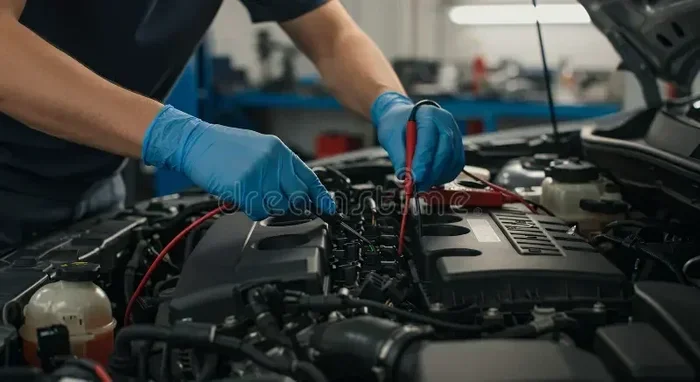
You need a multimeter for this test. Set it to DC voltage. Touch the red probe to the positive terminal and the black probe to the negative terminal. A healthy battery should read 12.6 volts or higher. Anything below 12.0 volts means your battery is weak or dead.
Here are some quick tips for battery testing:
- Check the battery terminals for white or greenish corrosion.
- Clean the terminals with a wire brush if you see any buildup.
- Make sure the cables are tight and not loose at all.
- Try a jump start if the battery reads low.
If the battery reads low but the car starts with a jump, your battery is likely the culprit. Replace it and you are good to go. But if the battery reads fine, move on to the next step.
Step 2 Inspect the Starter Motor and Solenoid
If your battery is healthy, the next suspect is the starter motor. This is the component that actually turns the engine over. When it fails, your car will not crank at all.
How the Starter Motor Works
The starter motor gets its power from the battery. When you turn the key, an electrical signal tells the starter solenoid to engage. The solenoid pushes the starter gear into the engine flywheel. This is what makes the engine turn over. If any part of this chain fails, you get a no crank no start condition.
Here are the signs of a bad starter motor:
- You hear a single click but the engine does not turn.
- The starter motor spins freely without engaging the engine.
- You hear grinding noises when trying to start the car.
- The starter gets hot but does not crank the engine.
To test the starter, you can use a voltage drop test. This checks whether enough power is reaching the starter. A drop of more than 0.5 volts in the circuit means there is a problem. You may also need to bypass the solenoid to test the motor directly. But be careful. This involves working with electrical components and can be dangerous if you are not experienced.
Quick Tip: The Tap Test
Here is a trick that works surprisingly well. If your car will not start, have someone turn the key while you gently tap the starter motor with a hammer or wrench. If the starter starts working after tapping, the internal brushes are worn out. This is a clear sign you need a new starter motor.
Step 3 Test the Ignition Switch
The ignition switch is the component you activate when you turn your key. It sends power to the starter circuit. When the ignition switch fails, your car will not crank even if the battery and starter are perfect.
Signs of a Failing Ignition Switch
Ignition switch problems can be tricky to diagnose. Here is what to look for:
- The dashboard lights do not turn on when you turn the key.
- The car starts sometimes but not always.
- The key feels loose or wiggles in the ignition cylinder.
- Electrical accessories like the radio do not work when the key is in the on position.
To test the ignition switch, you need to check for voltage at the output terminals. Use your multimeter and compare the readings to your vehicle repair manual. If there is no voltage output when the key is in the start position, the ignition switch is likely faulty.
Replacing an ignition switch is usually straightforward. It involves removing the steering column covers and swapping out the old switch. However, some vehicles have integrated lock cylinders that make the job more complex.
Step 4 Check the Neutral Safety Switch
This one catches a lot of people off guard. The neutral safety switch prevents your car from starting unless the transmission is in park or neutral. If this switch fails, your car will not crank even though everything else is working perfectly.
How to Test the Neutral Safety Switch
Start by trying to start the car in neutral. If it starts in neutral but not in park, the neutral safety switch is likely the problem. You can also try wiggling the shift lever while holding the key in the start position. If the car starts when you wiggle it, the switch is worn out.
Here are some things to keep in mind:
- Automatic transmission cars have this switch on the shift linkage.
- Manual transmission cars have a clutch safety switch on the pedal.
- Adjusting or replacing the switch is usually a simple and inexpensive fix.
Do not overlook this simple component. It is one of the most common causes of a no crank no start problem that people miss entirely.
Step 5 Examine the Wiring and Electrical Connections
Sometimes the problem is not a single part. It is the wiring and connections between parts. Corroded ground wires, loose connections, and damaged wiring can all prevent a car from cranking.
What to Look For
Walk under your car and look at the ground wire connecting the battery to the chassis and engine block. This wire is essential for completing the electrical circuit. If it is corroded or loose, your car will not start.
Also check these connections:
- The battery cable connections on both the positive and negative sides.
- The starter motor wiring for any frayed or burnt wires.
- The ignition switch connector for signs of heat damage or corrosion.
- The fuse box for blown fuses related to the starting circuit.
A voltage drop test is the best way to check for resistance in any electrical connection. You simply measure the voltage drop across each connection point while cranking the engine. Any reading above 0.2 volts indicates excessive resistance that could prevent the car from starting.
Quick Tip: The Power Probe Method
If you suspect a wiring issue but cannot find it, use a power probe. This tool sends power directly to the starter motor, bypassing all the switches and wiring in between. If the starter works with the probe, you know the problem is in the wiring or a switch, not the starter itself.
Step 6 Consider Anti-Theft and Immobilizer Issues
Modern cars come equipped with anti-theft systems and immobilizers. These systems prevent the engine from starting unless the correct key or key fob is recognized. When something goes wrong with this system, your car will not crank even though the battery is good.
How Anti-Theft Systems Can Cause No Crank Issues
Here is how this works. When you insert your key or press the start button, the car checks the key’s security code. If the code does not match, the powertrain control module disables the starter circuit. The result is a no crank no start condition that looks like a dead battery or bad starter.
Common causes of anti-theft issues include:
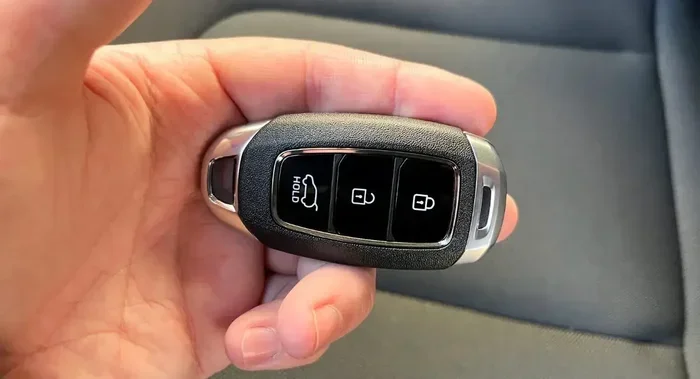
- A dead key fob battery that prevents the car from recognizing the key.
- A damaged key chip inside the transponder key.
- A faulty anti-theft module that needs reprogramming.
- Recent battery disconnection that reset the security system.
If you see a security light flashing on your dashboard, this is a strong indicator that the anti-theft system is the problem. Try using a spare key. If the spare key works, the original key’s chip may be damaged. If neither key works, you may need to have the anti-theft system reprogrammed by a professional.
Step 7 When to Call a Professional Mechanic
Not every no crank no start diagnosis can be done at home. Some problems require specialized tools and expertise. Knowing when to call a mechanic is just as important as knowing how to diagnose the issue yourself.
Signs You Need Professional Help
You should call a mechanic if you experience any of the following:
- You have checked the battery, starter, and wiring but still cannot find the problem.
- The car has a complex security system that requires dealer-level diagnostics.
- You smell burning or see smoke when trying to start the car.
- The starter motor has seized and needs to be removed from the engine.
- You are not comfortable working with electrical systems.
A professional mechanic has access to advanced diagnostic tools like oscilloscopes and specialized scan tools. These tools can read data from the powertrain control module and other electronic systems. This helps pinpoint problems that are impossible to find with basic tools.
Also, some repairs require lifting the vehicle or working in tight spaces under the hood. If you are not confident in your ability to do this safely, it is perfectly fine to seek professional help. The goal is to fix the problem correctly and safely.
Preventing No Crank No Start Problems
The best way to deal with a no crank no start situation is to prevent it from happening in the first place. Regular maintenance goes a long way toward keeping your car starting reliably every time.
Simple Maintenance Tips
Here are some easy habits that keep your starting system in great shape:
- Check your battery terminals every few months for corrosion.
- Keep your battery clean and tight at all connections.
- Replace your battery every 3 to 5 years before it fails unexpectedly.
- Listen for unusual sounds when starting your car. Early detection prevents bigger problems.
- Keep a spare key in a safe place in case of key fob failure.
- Replace your key fob battery once a year to avoid recognition issues.
- Have your starter motor inspected during regular oil changes and service visits.
These simple steps take very little time but can save you from the headache of a no crank no start problem on a cold morning or a busy day.
Final Thoughts on No Crank No Start Diagnosis
Diagnosing a no crank no start problem does not have to be overwhelming. By following the steps in this guide, you can systematically check each possible cause. Start with the battery. Then move to the starter motor, ignition switch, neutral safety switch, wiring, and anti-theft system. Each step brings you closer to finding the answer.
Most no crank no start issues are caused by simple, inexpensive problems. A dead battery, corroded terminals, or a bad ground wire account for the majority of cases. With the right tools and a little patience, you can fix most of these problems yourself.
Remember to stay safe. Always disconnect the battery before working on electrical components. Take your time and do not rush. If you feel stuck or unsure, there is no shame in calling a professional mechanic. The goal is to get your car running safely and reliably.
Now that you know how to diagnose a no crank no start problem, you have the power to tackle it head-on. Grab your multimeter, follow the steps, and get back on the road with confidence.
Frequently Asked Questions
What is the most common cause of a no crank no start problem?
A dead or weak battery is the most common cause. Corroded battery terminals and loose connections are the next most frequent culprits. These simple issues account for the majority of no crank no start cases.
Can a bad ignition switch cause a no crank no start condition?
Yes, a faulty ignition switch can completely prevent your car from cranking. The ignition switch sends power to the starter circuit. When it fails, that power never reaches the starter motor. This results in a no crank no start condition even when the battery is healthy.
How do I know if my starter motor is bad or if it is the battery?
Start by testing the battery with a multimeter. If the battery reads 12.6 volts or higher, the problem is likely the starter motor. You can also listen for a single click when turning the key. A single click with no cranking usually points to a bad starter or solenoid.
Does the neutral safety switch really cause no crank problems?
Yes, it absolutely does. The neutral safety switch prevents the car from starting unless the transmission is in park or neutral. When this switch fails, the starter circuit stays open and the engine will not crank. This is a common and easily fixable cause of no crank no start issues.
How much does it cost to fix a no crank no start problem?
The cost depends entirely on the cause. A battery replacement typically costs 50 to 200 dollars. A starter motor replacement ranges from 200 to 500 dollars including parts and labor. Ignition switch repairs are usually 100 to 300 dollars. Always diagnose the exact cause before spending money on repairs.
Should I try to jump start my car if it has a no crank no start problem?
Yes, jump starting is a good first step. If the jump start works, your battery was the problem. If the car still does not crank even with a jump, the issue is likely the starter motor, ignition switch, or another component in the starting circuit. Never force the key or keep turning it for long periods as this can damage the starter further.
=== CONCLUSION ===
No crank no start diagnosis is a systematic process that anyone can learn. By working through each possible cause step by step, you can identify and fix the problem without expensive mechanic bills. The most important thing to remember is to start with the simplest and most common causes first. The battery, starter motor, and ignition switch are the usual suspects. From there, move on to less obvious causes like the neutral safety switch, wiring issues, and anti-theft systems.
Keep your tools handy, stay patient, and trust the process. With the knowledge you have gained from this guide, you are now equipped to handle most no crank no start situations confidently. Your car depends on a healthy starting system, and now you know exactly how to keep it running strong.