Can I Get My Car Tags Online Everything You Need To Know
Yes, you can get your car tags online in most states, and the process is faster and easier than visiting a DMV office. This guide walks you through every step, from checking your eligibility to completing the payment. You will learn what documents you need, how much it costs, and how to avoid common mistakes that delay your online tag renewal.
Have you ever stood in line at the DMV just to renew your car tags? It is exhausting. You wait for hours, deal with confusing forms, and still might walk away because you forgot a document. The good news is that getting your car tags online has become a real possibility for millions of drivers. You can handle the whole process from your couch, in your pajamas, with a cup of coffee in hand.
But can everyone do it? And how does it actually work? This guide answers every question you have about renewing car registration online. We will cover eligibility, requirements, step-by-step instructions, fees, and common pitfalls. By the end, you will know exactly whether online tag renewal is right for you and how to get it done without any headaches.
Let us dive in and make this process as simple as possible for you.
Key Takeaways
- Online tag renewal is available in most states: Many states now allow drivers to renew their car tags through the state DMV website or third-party services.
- You need specific documents ready: Proof of insurance, vehicle registration number, and payment method are essential before you start.
- Fees vary by state and vehicle type: Registration fees, county taxes, and surcharges all factor into the total cost.
- Processing times differ: Some states issue tags instantly, while others may take a few weeks by mail.
- Common mistakes cause delays: Missing documents, expired insurance, and incorrect information are the top reasons for rejection.
- Temporary tags may be an option: If you need plates right away, some states offer temporary registration while you wait.
- Not everyone qualifies online: New residents, vehicles with liens, and certain violations may require an in-person visit.
📑 Table of Contents
- What Are Car Tags and Why Do You Need Them?
- Can You Really Get Your Car Tags Online?
- How to Get Your Car Tags Online Step by Step
- Requirements for Online Tag Renewal
- Common Problems When Getting Tags Online
- How Long Does It Take to Get Tags Online?
- Expert Tips for a Smooth Online Tag Renewal
- Key Takeaways
- Conclusion
What Are Car Tags and Why Do You Need Them?
Car tags are another name for vehicle registration tags or license plate stickers. They prove that your vehicle is legally registered with the state. Without valid tags, driving your car on public roads is illegal. You could face fines, points on your license, or even have your vehicle towed.
Every state requires vehicle owners to renew their registration periodically. This is usually once a year, though some states have different schedules. The registration sticker goes on your license plate to show that your vehicle registration is current. When it expires, you need to renew it before the deadline.
Why Tags Matter More Than You Think
Car tags are not just a piece of paper or sticker. They serve several important purposes:
- Proof of legal registration: Police officers can check your tags to verify your vehicle is registered.
- Insurance verification: Many states link registration to insurance records to ensure all drivers are covered.
- Vehicle tax collection: Tags help states collect county and local taxes tied to vehicle ownership.
- Identity confirmation: Registration ties your vehicle to your identity as the legal owner.
Ignoring your tag renewal can lead to serious consequences. Late fees pile up quickly, and driving with expired tags is a moving violation in most states. That is why learning how to renew car registration online is such a valuable skill.
Can You Really Get Your Car Tags Online?
The short answer is yes. Most states now offer some form of online tag renewal through their official DMV or Department of Motor Vehicles website. However, not every vehicle owner qualifies. Your eligibility depends on several factors, including your state, your vehicle type, and your registration history.
States That Allow Online Tag Renewal
Nearly every state in the US has moved toward digital services. States like California, Texas, Florida, New York, and Virginia all offer online renewal options for qualifying vehicles. Some states partner with third-party services like AutoTag or RenewLicense to make the process even easier. These services act as intermediaries between you and the state DMV.
Here is a quick look at how popular online renewal has become:
- Over 80% of states now support some form of online vehicle registration renewal.
- More than 60% of eligible renewals are completed online each year.
- Third-party services have made the process accessible even in states with less advanced DMV websites.
Who Is Eligible for Online Renewal?
Eligibility rules vary by state, but most share common criteria. You typically qualify for online tag renewal if:
- Your current registration is still valid or within a grace period.
- You have not had any major violations or suspensions on your record.
- Your vehicle is the same one you registered previously.
- You have not changed your address or name since the last registration.
- You have a valid credit or debit card for payment.
If you are a new resident, have a lien on your vehicle, or need to update your information, you may need to visit your local county tax office or DMV in person. Always check your state’s state DMV website before starting the process.
How to Get Your Car Tags Online Step by Step
The process is straightforward once you know what to do. Here is a detailed walkthrough of how to get your car tags online from start to finish.
Step 1: Gather Your Documents
Before you log into any website, collect everything you need. Having documents ready saves time and prevents frustration. Here is what you typically need:
- Vehicle registration number or plate number.
- Vehicle Identification Number (VIN) for verification.
- Proof of insurance that meets your state’s minimum requirements.
- Payment method such as a credit card, debit card, or e-check.
- Driver’s license or state ID number.
Keep these items within arm’s reach before you begin. Some online systems will ask you to upload photos of documents, so make sure they are clear and readable.
Step 2: Visit Your State’s Official DMV Website
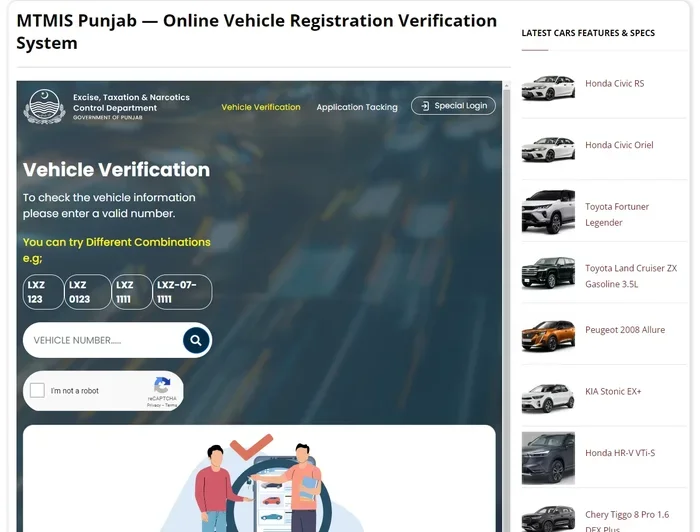
Go to your state’s official DMV online services page. Do not use random websites that promise fast renewal. Stick to government sites or trusted third-party services. Look for a link that says “Renew Registration” or “Renew Vehicle Tags.”
Step 3: Enter Your Vehicle Information
You will be asked to enter details about your vehicle. This usually includes your plate number, VIN, and the last four digits of your vehicle title number. Double-check every entry. A single typo can cause your application to be rejected.
Step 4: Verify Your Insurance
Most states now verify your insurance electronically through shared databases. You may not need to upload a card, but you should confirm your policy is active. If your proof of insurance has lapsed, you will not be able to complete the renewal.
Step 5: Pay the Fees
After your information is verified, you will see the total car registration fees. This includes the base registration fee, any county taxes, and processing fees. Pay securely using your card or e-check. Save or print the confirmation page for your records.
Step 6: Receive Your Tags
Once payment is processed, you will receive a confirmation email or receipt. Some states issue temporary registration instantly, which you can print and keep in your vehicle. Your permanent tags and registration documents will arrive by mail, usually within two to four weeks.
Requirements for Online Tag Renewal
Understanding the requirements ahead of time prevents surprises. Each state sets its own rules, but there are common requirements across the board.
Insurance Requirements
You must have active auto insurance that meets your state’s minimum liability coverage. Most online systems automatically verify this through electronic databases. If your insurance company does not share data with your state’s DMV, you may need to provide proof manually.
Vehicle Inspection Requirements
Some states require a vehicle inspection before you can renew your registration. If your state is one of them, you may need to complete the inspection first and then renew online. Check your state’s requirements before starting the process.
Payment Method Requirements
Almost all online renewal systems accept major credit and debit cards. Some also accept e-checks or electronic bank transfers. Make sure your payment method is ready and has sufficient funds. Failed payments can delay your tag processing time significantly.
Address and Identity Verification
Your address on file must be current. If you have moved, update your address with the DMV before attempting online renewal. Some states require additional identity verification if there are discrepancies in your records.
Common Problems When Getting Tags Online
Online tag renewal is convenient, but it is not always smooth sailing. Here are the most common problems people face and how to avoid them.
Expired or Lapsed Insurance
This is the number one reason online renewals get rejected. If your insurance has even lapsed for a day, the system will flag it. Always confirm your policy is active before you start the renewal process.
Incorrect Vehicle Information
Typos happen, but they cause big problems. Entering the wrong plate number or VIN will result in an error. Go slowly, double-check every field, and make sure the information matches your registration exactly.
Outstanding Fees or Tickets
If you have unpaid fines or tickets, your state may block online renewal. You will need to resolve these issues first before you can complete the process. Check your account on the state DMV website for any outstanding balances.
System Downtime or Technical Issues
DMV websites can experience heavy traffic, especially near renewal deadlines. Try to renew well before your expiration date. If the site is down, come back later rather than rushing and making mistakes.
Not Qualifying for Online Renewal
Some vehicles simply do not qualify for online renewal. This includes new residents registering for the first time, vehicles with outstanding liens, and vehicles that have undergone major changes. In these cases, a visit to the county tax office or DMV is necessary.
How Long Does It Take to Get Tags Online?
One of the biggest advantages of renewing car registration online is speed. But how fast is it really?
Most states process online renewals within one to three business days. Once approved, you will receive a confirmation immediately. Your permanent registration and new stickers will arrive by mail within two to four weeks. Some states offer expedited processing for an additional fee, which can cut the wait time in half.
If you need tags right now, look for states that offer instant temporary registration. This printable document serves as proof of valid registration while you wait for your permanent tags to arrive by mail.
What If Your Tags Are Already Expired?
Most states allow you to renew expired tags online, but there is usually a grace period. After that grace period, you may face late fees or penalties. Some states require an in-person visit if your tags have been expired for more than six months. Check your state’s specific rules to avoid additional costs.
How Much Does Online Tag Renewal Cost?
The cost of online tag renewal depends on several factors. Your state’s base registration fee is the biggest component. County taxes, local surcharges, and processing fees add to the total. On average, drivers pay between $50 and $200 for annual tag renewal, though costs vary widely by location and vehicle type.
Here is a simple breakdown of common fees:
- Base registration fee: $20 to $100 depending on the state.
- County tax: $10 to $50 depending on your county.
- Processing fee (third-party services): $5 to $15 if you use a service like AutoTag.
- Late renewal penalty: $10 to $50 if you renew after the expiration date.
Always check the fee breakdown before you pay. You want to know exactly what you are being charged and why.
Expert Tips for a Smooth Online Tag Renewal
Here are some insider tips to make your online tag renewal experience as painless as possible.
- Renew early: Do not wait until the last minute. Renew at least two weeks before your expiration date to avoid late fees and processing delays.
- Keep digital copies: Save your confirmation email, receipt, and temporary registration in a dedicated folder on your phone or computer.
- Set a calendar reminder: Mark your renewal date on your calendar a month in advance. This gives you plenty of time to gather documents and complete the process.
- Use a secure connection: Only renew on a secure, private Wi-Fi network. Avoid public Wi-Fi when entering personal and payment information.
- Check for discounts: Some states offer discounts for hybrid or electric vehicles, seniors, or military members. Ask your DMV if you qualify for any reduced car registration fees.
Key Takeaways
- Online tag renewal is available in most states: Many states now allow drivers to renew their car tags through the state DMV website or third-party services.
- You need specific documents ready: Proof of insurance, vehicle registration number, and payment method are essential before you start.
- Fees vary by state and vehicle type: Registration fees, county taxes, and surcharges all factor into the total cost.
- Processing times differ: Some states issue tags instantly, while others may take a few weeks by mail.
- Common mistakes cause delays: Missing documents, expired insurance, and incorrect information are the top reasons for rejection.
- Temporary tags may be an option: If you need plates right away, some states offer temporary registration while you wait.
- Not everyone qualifies online: New residents, vehicles with liens, and certain violations may require an in-person visit.
Conclusion
The answer to the question “Can I get my car tags online?” is a clear yes for most drivers. Online tag renewal has transformed a once frustrating process into something you can do in minutes from your home. As long as you meet the eligibility requirements, have your documents ready, and follow the steps outlined in this guide, you can renew your vehicle registration without ever leaving your house.
Remember to check your state’s DMV online services for the most accurate and up-to-date information. Stay ahead of your renewal dates, keep your insurance current, and pay attention to any fees or penalties. With a little preparation, getting your car tags online is one of the easiest administrative tasks you will face all year.
Take action today. Log into your state’s DMV website, gather your documents, and complete your renew car registration online process. Your future self will thank you for saving the time and avoiding the long lines at the DMV.
Frequently Asked Questions
Can I renew my car tags online if I just moved to a new state?
Usually not. Most states require new residents to register their vehicles in person at a local DMV or county tax office. You will need to establish residency and update your vehicle registration before online renewal becomes an option. Check with your new state’s DMV for specific requirements.
What happens if I renew my tags online but my insurance lapses?
Your renewal will likely be rejected. Most online systems verify your insurance electronically. If your policy is not active, you will not be able to complete the transaction. Make sure your insurance is current before you start the online renewal process.
Is it safe to pay for car tags online?
Yes, as long as you use the official state DMV website or a trusted third-party service. These platforms use secure encryption to protect your payment information. Avoid unfamiliar websites and always look for the padlock symbol in your browser address bar.
How long does it take to receive my new tags after online renewal?
Most states mail your new tags and registration within two to four weeks. Some states offer instant temporary registration that you can print and use right away. If you need expedited service, check if your state offers that option for an additional fee.
Can I get my car tags online if I have outstanding parking tickets?
It depends on your state. Some states allow online renewal even with minor outstanding fines, while others block renewal until all tickets are resolved. Check your state DMV website or contact their customer service to find out your specific situation.
Do I need my vehicle title to renew tags online?
In most cases, you do not need your physical title for routine online renewal. The system typically pulls your vehicle information electronically. However, if there are issues with your title, such as a lien or ownership dispute, you may be asked to provide documentation or visit the DMV in person.