Is It OK to Drive with the EPB Warning Light On Today
Driving with the EPB warning light on can be risky and should never be ignored. The EPB warning light signals a problem with your electronic parking brake system that could affect your vehicle safety. Common causes include low brake fluid, worn brake pads, or a faulty brake actuator, and understanding what this dashboard warning means helps you make smart decisions on the road.
Key Takeaways
- The EPB warning light signals a problem with your electronic parking brake system that needs immediate attention.
- Common causes include low brake fluid, worn brake pads, faulty actuator, and damaged wiring or sensors.
- Driving with the EPB light on is risky and should be avoided for long distances or highway driving.
- Quick action like checking brake fluid and consulting a mechanic can prevent bigger and costlier problems.
- Regular car maintenance is the best way to keep your EPB system healthy and functioning properly.
- Never ignore dashboard warnings because they are your vehicle’s way of protecting you and your passengers.
- Professional diagnosis using an OBD scanner is the most reliable method to find the root cause of the issue.
📑 Table of Contents
- What Does the EPB Warning Light Mean?
- Common Causes of the EPB Warning Light
- Is It Safe to Drive with the EPB Light On?
- What to Do When the EPB Light Comes On
- How Mechanics Diagnose EPB Problems
- Preventing EPB Problems in the Future
- Comparison: Common EPB Issues and Their Severity
- Expert Insights on EPB Systems
- Key Takeaways
- Conclusion
What Does the EPB Warning Light Mean?
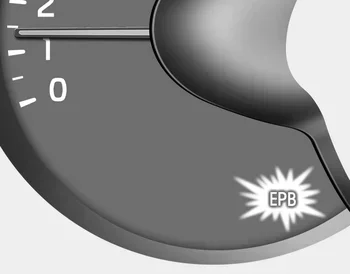
Your EPB warning light is one of the most confusing symbols on your dashboard. EPB stands for Electronic Parking Brake. This system replaces the traditional hand lever or foot pedal with a computerized mechanism. When the light turns on, it means your car has detected an issue with this system.
The parking brake warning is not something you should take lightly. It is a signal from your vehicle telling you that something needs attention. Some cars show a simple “P” symbol with brackets around it. Others display a more detailed icon that looks like a circle with “P” inside. Either way, the message is the same: check your brake system.
Understanding what this light means is the first step toward keeping your car safe. The electronic parking brake system controls the rear brakes automatically. It engages when you pull the switch and releases when you press it again. When the system detects a fault, it triggers the warning light to alert you immediately.
Understanding Your Car’s Electronic Parking Brake
Modern vehicles use advanced brake system technology. The electronic parking brake is part of this system. It uses electric motors or actuators to apply and release the rear brakes. This is different from older cars that used a mechanical cable setup controlled by a hand lever.
The EPB light works alongside other car warning lights on your dashboard. Together, they give you a full picture of your vehicle’s health. If the EPB warning light comes on, it could mean anything from a simple sensor issue to a serious brake problem. This is why knowing the basics matters.
Cars from manufacturers like BMW, Mercedes, and Toyota all use electronic parking brake systems. While the exact design varies, the core function stays the same. The system applies the rear brakes when engaged and releases them when commanded. A fault in any part of this chain triggers the warning light.
How the EPB System Works
The electronic parking brake system has several key components. These include the brake actuator, sensors, control module, and wiring harness. When you activate the EPB, the control module sends a signal to the actuator. The actuator then applies pressure to the rear brake calipers. This process happens electronically without any manual cable pulling.
When everything works correctly, you never have to think about it. But when a component fails, the system triggers the EPB malfunction light. This is your car telling you that something is not right. Ignoring it can lead to bigger problems down the road, including complete brake failure in severe cases.
The control module constantly monitors all sensors in the system. It checks for proper voltage, signal strength, and mechanical response. If any reading falls outside the normal range, the module stores a fault code. This code is what causes the EPB warning light to illuminate on your dashboard.
Common Causes of the EPB Warning Light
There are many reasons why the EPB warning light might turn on. Some causes are minor and easy to fix. Others require professional attention. Let us look at the most common reasons this dashboard warning appears on your instrument cluster.
Low Brake Fluid Level
One of the most common reasons for the EPB light is low brake fluid. Your car’s brake system relies on fluid to transfer pressure from the pedal to the brakes. When the level drops too low, sensors detect the change and trigger the warning. This is your first clue that something is wrong with your brake system.
Check your brake fluid reservoir under the hood. The reservoir is usually located near the back of the engine bay on the driver’s side. If the level is below the minimum line, top it up with the correct fluid type. Your owner manual will tell you the right specification. However, low fluid often means there is a leak somewhere. A leak needs immediate attention from a qualified mechanic.
Worn Brake Pads
Worn brake pads can also trigger the EPB warning light. When your pads get thin, the sensors detect the change. The system then illuminates the warning to tell you it is time for a replacement. Driving on worn pads reduces your stopping power significantly.
This is a safety issue you should not ignore. Worn pads can damage the rotors too, which makes the brake repair cost much higher. Replacing pads early saves you money and keeps you safe. Most pads last between 25,000 and 70,000 miles depending on your driving style and road conditions.
Faulty EPB Actuator
The brake actuator is the motor that applies and releases the parking brake. When this part fails, the EPB malfunction light comes on. You might notice the parking brake sticking or not releasing properly when you press the button.
A faulty actuator is a more serious issue. It requires professional diagnosis and often replacement. The brake repair cost for an actuator can range from 200 to 600 dollars depending on your vehicle model and labor rates. Do not drive long distances with a bad actuator. The parking brake may not hold your car in place on a hill.
Wiring and Sensor Issues
Your car has many sensors connected to the EPB system. Damaged wires or faulty sensors can cause false warnings. Corrosion, moisture, or simple wear and tear can all affect the wiring. Sometimes a loose connection under the rear seat triggers the EPB light unexpectedly.
These issues can be tricky to diagnose on your own. A mechanic uses an OBD scanner to read error codes from the control module. This tool tells them exactly which sensor or wire is causing the problem. Electrical issues are among the most common reasons for intermittent EPB warning light activation.
Other Possible Causes
Several other factors can cause the parking brake warning to illuminate. These include:
- ABS light activation – the anti-lock brake system shares components with the EPB
- A faulty switch on the EPB lever or button
- Software glitches in the electronic control module
- Issues with the parking brake cable or tension mechanism
- Battery voltage problems affecting the electronic brake system
- Corroded connectors at the rear brake assemblies
Is It Safe to Drive with the EPB Light On?
This is the question most drivers want answered. The short answer is: it depends on the situation. The long answer requires you to understand the risks involved. Let us break this down clearly so you can make the best decision for your safety.
Short-Term Driving Risks
Driving with the EPB warning light on is not ideal. The electronic parking brake may not engage properly when you need it most. This puts your vehicle safety at risk, especially on hills, steep driveways, or in parking garages.
If the light comes on while you are driving, stay calm. Check your dashboard for other warning lights. If the ABS light is also on, the issue may be more serious. Pull over safely and turn off the engine. Inspect your brake fluid level if you feel comfortable doing so. Always prioritize your safety above all else.
Short trips to a nearby mechanic are usually okay. But avoid highway driving or long distances. A failing brake system is a serious hazard that can lead to accidents. Your driving safety tips should always include addressing warning lights immediately. Quick action today prevents dangerous situations tomorrow.
When You Might Be OK to Drive
There are situations where the EPB light might come on temporarily. For example, if you leave the car on a steep hill, the system might activate a warning. Once you start driving and release the brake, the light may turn off on its own.
Some vehicles show a brief flash of the EPB warning light during startup. This is normal and part of the self-check process. The light should go off within a few seconds. If it stays on after the self-check completes, that is a different story and needs your attention.
However, if the light stays illuminated, do not assume it is safe. Always get the issue checked by a professional. Even if the brakes seem to work fine right now, the underlying problem could worsen quickly. Your emergency brake system depends on all components working together properly.
What to Do When the EPB Light Comes On
Seeing the EPB warning light can be stressful. But knowing the right steps to take makes a big difference. Here is a clear action plan for you to follow whenever this dashboard warning appears.
Step-by-Step Actions
- Stay calm and assess the situation. Look at your other dashboard gauges. Are there other warning lights on? Is the temperature gauge reading normally? Check for any unusual sounds or feelings when you press the brake pedal.
- Check your brake fluid level. Open the hood and locate the brake fluid reservoir. If it is low, this could be the cause of the EPB warning light. Top it up if needed, but look for leaks underneath the car as well.
- Try engaging and releasing the EPB. Sometimes a simple reset clears a temporary fault. Pull the switch up and release it a few times. This can reset the system if the issue was a minor glitch.
- Drive to a safe location. If the light stays on, find a safe spot to pull over. Turn on your hazard lights. Do not continue driving if you feel any brake hesitation or unusual behavior.
- Contact a mechanic or roadside assistance. Do not ignore the light. Get professional help as soon as possible. Describe the symptoms clearly so the mechanic can prepare for the right repairs.
Quick Tips for Immediate Response
- Keep your owner manual in the glove box for quick reference on warning lights
- Note any unusual sounds or feelings when you press the brake pedal
- Do not panic – many EPB issues are minor and easily fixable
- Avoid aggressive driving or sudden stops until the issue is resolved
- Turn off unnecessary electrical systems to reduce strain on the brake system
- Keep a safe distance from other vehicles if you must continue driving
Following these driving safety tips helps protect you and your passengers. A little caution goes a long way when your car warning lights are telling you something is wrong. Trust your instincts and prioritize safety over convenience.
How Mechanics Diagnose EPB Problems
When you take your car to a shop, the mechanic follows a systematic process. Understanding this process helps you feel more confident. It also helps you ask the right questions and understand the repairs being recommended.
Using Diagnostic Tools
The first thing a mechanic does is hook up an OBD scanner. This tool reads error codes stored in your car’s computer. Each code points to a specific problem area. For example, a code related to the brake actuator tells the mechanic to check that component specifically. A sensor code points to wiring or the sensor itself.
The OBD scanner is like a translator between your car and the mechanic. It speaks in codes that professionals understand. Without it, diagnosing modern brake systems would be much harder. Most car maintenance shops have these tools on hand. Some advanced scanners can even show live data from sensors in real time.
After reading the codes, the mechanic clears them and takes the car for a test drive. This helps confirm whether the issue returns. If the same codes come back, the mechanic knows exactly where to focus their inspection.
Common Tests and Inspections
After reading the codes, the mechanic performs physical inspections. They check the brake fluid level and condition. They inspect the brake pads for wear using a gauge. They also test the brake actuator and all wiring connections for continuity and proper voltage.
A thorough brake system inspection includes checking the rear brake calipers for any signs of seizing or uneven wear. The mechanic ensures the parking brake cable is not frayed, stuck, or stretched. They also test the sensors that feed data to the control module. This comprehensive approach ensures nothing is missed.
This process usually takes 30 to 60 minutes. Once the diagnosis is complete, the mechanic gives you a clear report. They explain what is wrong, why it happened, and what needs to be fixed. You should always ask questions if anything is unclear. Understanding your repairs helps you make informed decisions.
Preventing EPB Problems in the Future
The best way to deal with the EPB warning light is to prevent it from coming on in the first place. Regular care and good driving habits go a long way toward keeping your system healthy and reliable.
Regular Maintenance Tips
Follow your vehicle’s car maintenance schedule to the letter. This is the single best thing you can do for your car. Here are some tips to keep your EPB system healthy and functioning properly:
- Check brake fluid levels every month or at each oil change
- Replace brake pads when they reach the wear indicator or squeal
- Have the brake system inspected by a professional at least once a year
- Keep the battery terminals clean and tight to ensure proper voltage
- Address any unusual brake noises immediately – do not wait
- Flush and replace brake fluid every two years
Simple maintenance routines prevent most EPB malfunction issues. They also extend the life of your entire brake system. Think of it as an investment in your safety and your wallet. A few dollars spent on maintenance today can save hundreds in repairs later.
Driving Habits That Help
How you drive affects your brake system more than you might think. Here are some habits that help keep your EPB light off and your brakes in great shape:
- Avoid riding the brake pedal – this causes excess wear on pads and rotors
- Come to smooth stops instead of slamming on the brakes
- Use the EPB properly – engage it fully every time you park
- Do not skip scheduled brake inspections even if nothing feels wrong
- Keep your car’s weight within the recommended limit for your vehicle
- Allow the car to coast when possible instead of braking hard
Good driving habits reduce stress on all brake components. They also improve your overall vehicle safety on every trip. Over time, these small actions add up to big savings in repair costs and peace of mind.
Comparison: Common EPB Issues and Their Severity
Not all EPB problems are created equal. Some are minor fixes you can handle yourself, while others need immediate professional attention. Use this table to understand the severity of different issues and what to expect.
| Issue | Severity | Typical Fix | Cost Range |
|---|---|---|---|
| Low brake fluid | Moderate | Top up fluid and check for leaks | 20 to 50 dollars |
| Worn brake pads | Moderate | Replace brake pads | 100 to 300 dollars |
| Faulty EPB switch | Low | Replace switch | 50 to 150 dollars |
| Bad brake actuator | High | Replace actuator | 200 to 600 dollars |
| Wiring or sensor fault | Moderate | Repair wiring or replace sensor | 100 to 400 dollars |
| Control module failure | High | Replace or reprogram module | 400 to 1000 dollars |
This table gives you a general idea of what to expect. Actual costs vary by vehicle model, location, and labor rates. Always get a detailed quote from your mechanic before approving any work. Some shops offer free diagnostics with repair, so it pays to ask.
Expert Insights on EPB Systems
Common Mistakes drivers make when the EPB light comes on include ignoring it completely, assuming it is just a sensor glitch, or trying to drive long distances without checking the issue. These mistakes can turn a small repair into a major one. Some drivers even disconnect the battery to clear the light, which does not fix the real problem.
One expert insight is to never ignore a parking brake warning even if your car seems fine. The EPB system is a safety feature that works alongside your regular brakes. When it malfunctions, your car loses part of its braking capability. This is especially dangerous in emergency situations where every bit of braking power counts.
Another tip from experienced mechanics is to always keep your brake fluid fresh. Old or contaminated fluid can cause sensor errors and actuator problems. A fluid flush every two years is a simple way to prevent issues. It costs very little but saves a lot of headaches down the road.
Finally, do not try to reset the EPB warning light yourself without fixing the underlying problem. Disconnecting the battery might clear the light temporarily, but the real issue remains hidden. This approach can be dangerous because you lose the warning that tells you something is wrong. Always fix the cause, not just the symptom.
Key Takeaways
- The EPB warning light signals a problem with your electronic parking brake system that needs attention.
- Common causes include low brake fluid, worn brake pads, faulty actuator, and damaged wiring or sensors.
- Driving with the EPB light on is risky and should be avoided for long distances or highway driving.
- Quick action like checking brake fluid and consulting a mechanic can prevent bigger and costlier problems.
- Regular car maintenance is the best way to keep your EPB system healthy and functioning properly.
- Never ignore dashboard warnings because they are your vehicle’s way of protecting you and your passengers.
- Professional diagnosis using an OBD scanner is the most reliable method to find the root cause of any EPB issue.
Conclusion
The EPB warning light is not something you should ignore. It is your car speaking to you, and it deserves your full attention. Whether the cause is simple or complex, addressing it quickly keeps you and others safe on the road. Now you know what the EPB light means, what causes it, and what steps to take when it appears.
You understand the risks of driving with it on and how to prevent future issues. This knowledge empowers you to make better decisions for your vehicle safety every time you get behind the wheel. Remember, your brake system is one of the most important parts of your car. Taking care of it should always be a top priority.
If the EPB warning light comes on again, do not hesitate to act. Your quick response today could prevent a serious problem tomorrow. Stay proactive with your car maintenance routine. Keep an eye on your dashboard warning lights at all times. And never underestimate the value of a professional brake system inspection. Safe driving starts with paying attention to what your car tells you.
Frequently Asked Questions
Can I drive with the EPB warning light on?
It is not recommended to drive with the EPB warning light on for long distances. Short trips to a nearby mechanic are usually okay, but the light indicates a problem with your electronic parking brake system that needs professional attention. Always prioritize safety and get the issue diagnosed as soon as possible.
What does the EPB warning light look like?
The EPB light typically looks like a circle with the letter “P” inside, surrounded by brackets or a circle with an exclamation mark. The exact design varies by car manufacturer. Check your owner manual to see what your specific vehicle’s parking brake warning symbol looks like so you can identify it quickly.
How much does it cost to fix the EPB light?
The brake repair cost varies widely depending on the cause. Simple fixes like topping up brake fluid may cost 20 to 50 dollars, while replacing a faulty actuator can range from 200 to 600 dollars. Always get a detailed quote from your mechanic before approving any repairs.
Can low brake fluid cause the EPB light to come on?
Yes, low brake fluid is one of the most common reasons the EPB warning light illuminates. The system monitors fluid levels through sensors, and when the level drops, it triggers the dashboard warning. Check your fluid reservoir and top it up if needed, but also look for leaks that may be causing the level to drop.
Is the EPB light the same as the parking brake light?
In most modern vehicles, yes. The EPB light and the traditional parking brake light serve the same purpose. However, older cars with manual parking brakes use a different warning system. If you are unsure, consult your owner manual to understand which car warning lights apply to your specific vehicle.
How do I reset the EPB warning light?
You should not try to reset the EPB warning light without fixing the underlying problem first. Disconnecting the battery might clear the light temporarily, but the real issue remains and could become dangerous. Always have a mechanic diagnose and fix the root cause before considering any reset.