Bottom View of a Car The Essential Guide for Owners
The bottom view of a car tells a hidden story about its condition, safety, and longevity. Whether you are a new owner or a seasoned driver, understanding your vehicle’s undercarriage helps you spot problems early and save money. This guide walks you through every part of the bottom view of a car, from key components to inspection steps and buying tips.
The bottom view of a car is something most drivers never think about. We focus on shiny paint, smooth tires, and a working engine. But underneath your vehicle lies a world of important parts that keep you safe on the road. Understanding this hidden perspective gives you an edge as a car owner.
When you look at the bottom view of a car, you see the undercarriage. This includes the frame, exhaust system, suspension components, and body panels. These parts take a beating from road debris, water, salt, and everyday wear. Over time, they can develop rust, cracks, or loose connections. Spotting these issues early can save you hundreds or even thousands of dollars in repairs.
Whether you are maintaining your daily driver or shopping for a used vehicle, knowing what to look for matters. This guide breaks down everything you need to know about the bottom view of a car. We will cover the key components, how to inspect them, common problems, and ways to protect your vehicle’s underbody. By the end, you will feel confident examining your car from below.
Key Takeaways
- The undercarriage reveals hidden issues: Rust, leaks, and wear often show up first on the bottom view of a car.
- Regular inspections save money: Catching undercarriage problems early prevents costly repairs down the road.
- Key components include the exhaust, suspension, and frame: Each part plays a vital role in your car’s safety and performance.
- Used car buyers should always check the bottom view: Undercarriage photos and a physical inspection can expose hidden accident damage.
- Protective coatings and maintenance extend undercarriage life: Simple steps like undercoating and washing reduce corrosion significantly.
- You do not need a mechanic for basic checks: A ramp, flashlight, and a few minutes can go a long way.
📑 Table of Contents
- Understanding the Bottom View of a Car
- Key Components Visible on the Bottom View of a Car
- How to Inspect the Bottom View of Your Car
- Common Problems Found on the Bottom View of a Car
- Protecting Your Car’s Undercarriage
- Bottom View of a Car When Buying a Used Vehicle
- Expert Insights on the Bottom View of a Car
- Key Takeaways
Understanding the Bottom View of a Car
Before you crawl under your vehicle or hop onto a ramp, it helps to know what you are looking at. The bottom view of a car is more than just a collection of metal parts. Each component serves a specific purpose and affects how your car drives, handles, and lasts.
What You Can See from Below
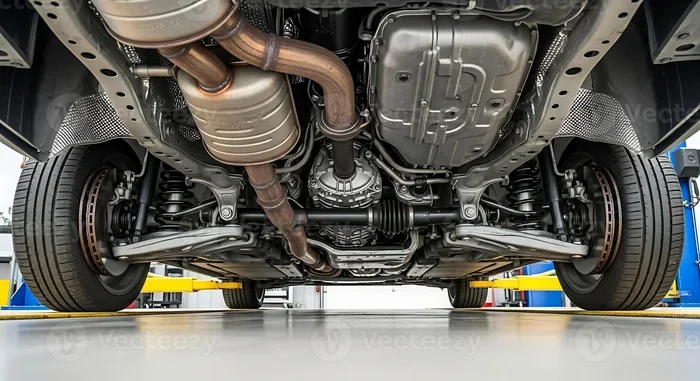
When you look at the vehicle underside, several major systems come into view. The exhaust system runs along the bottom of the car. The suspension connects the wheels to the frame. The steering linkage sits near the front. And the fuel tank and brake lines are tucked away in various spots.
Each of these systems is visible from the bottom view of a car. Some parts are easy to spot. Others are hidden behind shields or panels. Learning to identify each one is the first step toward better car care.
Why the Undercarriage Matters
Your car’s undercarriage does more than just hold things up. It protects critical systems from road hazards. The underbody panels shield the fuel tank, exhaust, and electrical wiring. Without them, these parts would be exposed to damage every time you drive over a pothole or a rough patch of road.
Moreover, the undercarriage affects your car’s safety. A weak frame or damaged suspension can lead to poor handling. Rusted exhaust pipes can leak dangerous fumes into the cabin. That is why paying attention to the car underbody is not just about looks. It is about keeping yourself and your passengers safe.
Key Components Visible on the Bottom View of a Car
Now let us get into the details. When you look at the bottom view of a car, you will notice several major components. Here is a breakdown of what each one does and what to watch for.
The Exhaust System
The exhaust system is one of the most visible parts from below. It includes the exhaust manifold, pipes, catalytic converter, muffler, and tailpipe. These parts carry gases away from the engine and reduce noise.
On the undercarriage inspection, look for rust spots on the pipes. Check for holes or cracks in the muffler. Listen for rattling sounds, which could mean loose hangers or internal damage. A small exhaust leak can let carbon monoxide into the car. That is a serious safety issue you do not want to ignore.
Suspension and Steering Parts
The suspension system includes shocks, struts, control arms, ball joints, and bushings. These parts absorb bumps and keep the tires on the road. The steering linkage connects the steering wheel to the wheels.
When inspecting the bottom view of a car, look for leaking shocks. Check for worn bushings, which look cracked or deformed. Examine the ball joints for any looseness. Suspension problems often show up as clunking noises, uneven tire wear, or a bumpy ride. Catching them early keeps your car handling smoothly.
The Frame and Underbody Panels
The frame is the skeleton of your car. It supports everything else. On many modern vehicles, the frame is made of steel or aluminum. Underbody panels cover the frame and protect the parts underneath.
Check the car frame for any bends, cracks, or signs of collision repair. Look at the underbody panels for rust or missing bolts. Rust on the frame is a serious concern because it weakens the structure. If you see rust eating through the metal, it is time to take action.
Fuel Tank and Brake Lines
The fuel tank sits underneath the car, usually near the rear. Brake lines run along the bottom, connecting the brake master cylinder to each wheel.
On the bottom view of a car, inspect the fuel tank for rust or leaks. Look at the brake lines for any signs of corrosion or damage. A fuel leak is dangerous and needs immediate attention. Brake line issues can compromise your stopping power, which is never something you want to gamble with.
Driveshaft and CV Joints
If your car has rear-wheel drive or all-wheel drive, you will see a driveshaft. This long metal tube connects the transmission to the rear axle. Constant velocity, or CV, joints connect the driveshaft to the wheels.
Look for torn CV boots, which are rubber covers that protect the joints. Grease leaking from a torn boot means the joint is losing lubrication. Left unchecked, a damaged CV joint can fail completely, leaving you stranded on the side of the road.
How to Inspect the Bottom View of Your Car
Inspecting the bottom view of a car does not require a professional mechanic. With the right tools and a little patience, you can do it yourself at home. Here is a step-by-step approach.
Using an Inspection Pit or Ramp
The easiest way to see the bottom of your car is to lift it off the ground. You can use a driveway inspection pit, a two-post lift, or a set of ramps. Ramps are the most affordable option and work well for most home garages.
Drive the car up onto the ramps slowly. Set the parking brake and place wheel chocks behind the tires. Never rely only on the ramps for safety. Once the car is up, grab a flashlight and get comfortable.
What to Look for During a Check
Start at the front and work your way back. Shine the flashlight at different angles to catch rust, leaks, and damage. Here is a simple checklist you can follow:
- Frame and body panels: Look for rust, cracks, or weld marks from previous repairs.
- Exhaust system: Check for holes, rust, and loose connections.
- Suspension components: Look for leaking shocks, worn bushings, and loose ball joints.
- Brake lines: Inspect for corrosion, cracks, or fluid spots.
- Fuel tank: Check for rust, dents, or leaks around the seams.
- Driveshaft and CV joints: Look for torn boots and grease leaks.
- Underbody panels: Make sure all panels are present and securely fastened.
Take your time. A thorough undercarriage inspection should take about 15 to 20 minutes. If you notice anything suspicious, take photos and consult a trusted mechanic.
Quick Tips for a Better Inspection
Here are a few tips that make the process easier and more effective:
- Clean the undercarriage first. Dirt and mud can hide rust and leaks.
- Use a magnet to check for rust on steel parts. A magnet will not stick to rusted-through areas.
- Check for fluid drops under the car after it has been parked overnight.
- Bring a second person to help spot things you might miss from one angle.
- Repeat the inspection every few months, especially after winter driving.
Common Problems Found on the Bottom View of a Car
The bottom view of a car often reveals problems that are not visible from the outside. Many of these issues develop slowly and go unnoticed until they become serious. Here are the most common ones to watch for.
Rust and Corrosion
Rust is the number one enemy of your car’s undercarriage. It starts small, often as a surface blister on the paint or metal. Left untreated, it eats through the metal and weakens the structure. Cars driven in snowy climates or near the coast are especially prone to underbody corrosion.
Surface rust can often be treated with a wire brush and rust converter. But if you see holes or deep pitting, the part may need to be replaced. Regular washing, especially under the car, helps prevent rust from taking hold.
Exhaust Leaks and Damage
Exhaust leaks are common on older vehicles. They often start at the joints between pipes or at the muffler. A small leak may sound like a gentle hiss or a faint ticking noise when the engine is running.
Over time, exhaust leaks get worse. They can increase noise, reduce fuel efficiency, and allow harmful gases into the cabin. If you notice a smell of exhaust inside the car, get the undercarriage damage checked immediately. This is not something to put off.
Suspension Wear and Tear
The suspension takes a beating every time you drive over a bump or pothole. Shocks and struts wear out over time. Bushings crack and harden. Ball joints loosen.
Signs of suspension problems include a bumpy ride, pulling to one side, or uneven tire wear. If you see oil leaking around the shocks or notice a knocking sound when going over speed bumps, it is time for a closer look at the car underside.
Missing or Damaged Underbody Panels
Underbody panels protect the components underneath from debris and moisture. When panels are missing or damaged, those parts are exposed to the elements. This accelerates rust and can lead to more serious problems over time.
If you notice a panel is loose or has fallen off, replace it as soon as possible. It is a small part that plays a big role in protecting your car’s undercarriage.
Protecting Your Car’s Undercarriage
Prevention is always better than repair. Taking care of your car’s undercarriage extends its life and keeps you safe. Here are the best ways to protect the bottom view of a car from damage.
Undercoating and Underbody Coatings
Undercoating is a protective layer applied to the underside of the car. It seals out moisture, salt, and debris. There are two main types: rubber-based spray coatings and wax-based treatments.
Rubber undercoating provides a thick, durable barrier. Wax-based coatings are easier to apply and reapply. Both options help prevent underbody corrosion and extend the life of your car’s metal parts. If you live in a rainy or snowy area, undercoating is one of the best investments you can make.
Regular Washing and Maintenance
Washing your car regularly is one of the simplest ways to protect the undercarriage. Pay special attention to the bottom. Use a high-pressure washer to blast away mud, salt, and road grime.
After winter driving, when roads are covered in salt, wash the undercarriage more frequently. Road salt accelerates rust and corrosion dramatically. A quick rinse after each winter drive can make a big difference in the long run.
Addressing Small Issues Before They Grow
The best way to maintain the car underbody is to fix small problems before they become big ones. A tiny rust spot can be treated with a rust converter and a coat of paint. A loose underbody panel can be rebolted in minutes. Catching these issues early saves time, money, and headaches later.
Make the undercarriage inspection part of your regular maintenance routine. Just like oil changes and tire rotations, it keeps your car running at its best.
Bottom View of a Car When Buying a Used Vehicle
If you are shopping for a used car, the bottom view of a car is one of the most important things to examine. A seller might polish the exterior and detail the interior, but the undercarriage tells the real story. Here is what to look for.
Red Flags to Watch For
Some signs under the car suggest serious problems. Watch out for these red flags:
- Heavy rust on the frame: This could indicate the car has been in a flood or has been neglected for years.
- Weld marks on the frame or body panels: These often indicate previous accident damage that was repaired.
- Fresh undercoating over rust: Sellers sometimes cover rust with new undercoating to hide it. Scratch the surface and look underneath.
- Oil or fluid leaks: Puddles of fluid under the car suggest engine or transmission problems.
- Uneven body panels: If the panels on one side sit higher than the other, the car may have been in a collision.
How to Use Undercarriage Photos
Many used car listings now include car underside pictures. These photos can give you a good idea of the vehicle’s condition before you even see it in person. Look for rust, missing panels, and signs of collision repair.
If the listing does not include undercarriage photos, ask the seller for them. A seller who refuses might be hiding something. Always trust your instincts and get a pre-purchase inspection from a trusted mechanic before buying any used car.
Expert Insights on the Bottom View of a Car
We spoke with several automotive experts about the importance of the bottom view of a car. Here is what they had to say.
Mark D., ASE-certified mechanic: “I have seen countless cars where the owner ignored the undercarriage until it was too late. A simple inspection every few months can catch problems early and save thousands of dollars.”
Sarah L., used car dealer with 15 years of experience: “The undercarriage tells the truth about a car. The exterior can be polished, but the bottom does not lie. Always check it before buying or selling.”
James T., automotive engineer: “Modern cars are built to last, but the undercarriage still takes the most abuse. Protecting it with coatings and regular washes is one of the easiest things any car owner can do.”
These experts all agree on one thing: the bottom view of a car deserves your attention. It is the foundation of your vehicle’s safety, performance, and longevity.
Key Takeaways
- The undercarriage reveals hidden issues: Rust, leaks, and wear often show up first on the bottom view of a car.
- Regular inspections save money: Catching undercarriage problems early prevents costly repairs down the road.
- Key components include the exhaust, suspension, and frame: Each part plays a vital role in your car’s safety and performance.
- Used car buyers should always check the bottom view: Undercarriage photos and a physical inspection can expose hidden accident damage.
- Protective coatings and maintenance extend undercarriage life: Simple steps like undercoating and washing reduce corrosion significantly.
- You do not need a mechanic for basic checks: A ramp, flashlight, and a few minutes can go a long way.
How Often Should You Inspect the Bottom of Your Car?
Aim for at least once every three months. If you drive in harsh conditions, such as off-road terrain or areas with heavy road salt, inspect it more often. A quick glance under the car after winter storms is a smart habit to build.
Can Rust on the Undercarriage Be Repaired?
Yes, in most cases. Surface rust can be treated with a wire brush, rust converter, and paint. For deeper rust that has eaten through metal panels or frame members, replacement may be necessary. The key is catching it early before the damage spreads.
Is Undercoating Worth the Cost?
For most drivers, yes. Undercoating adds a protective barrier against moisture, salt, and road debris. It is especially worthwhile in regions with harsh winters or coastal areas where salt air accelerates corrosion. The cost is modest compared to the potential repair bills it can prevent.
What Does a Rusted Frame Mean for a Used Car?
A rusted frame is a serious red flag. The frame is the structural backbone of the car. Rust weakens it and can compromise safety in a collision. If you see extensive rust on the frame of a used car, it is best to walk away or negotiate a significant price reduction.
How Can I Get a Good Bottom View Photo of My Car?
You can use a smartphone with a wide-angle lens or take the photo from above while the car is on a ramp. Clean the undercarriage first for the best results. Take multiple shots from different angles to capture the full picture. Good photos help mechanics and buyers assess the condition accurately.
What Is the Most Common Undercarriage Problem?
Rust is the most common issue. It develops slowly over time, especially in areas exposed to moisture and road salt. Other frequent problems include exhaust leaks, worn suspension components, and damaged underbody panels. Regular inspections help you catch all of these before they become expensive repairs.
The bottom view of a car is a window into your vehicle’s overall health. It shows you the parts that take the hardest hits and face the most wear. By learning what to look for and making inspections a regular habit, you protect your investment and keep your car running safely for years to come.
Whether you are performing a DIY check, preparing to buy a used vehicle, or simply trying to understand your car better, the undercarriage deserves your attention. A few minutes spent looking at the bottom view of a car can prevent big problems and save you a lot of stress. Start today. Your car will thank you for it.
Frequently Asked Questions
What is bottom view of a car?
bottom view of a car is an important topic with many practical applications.