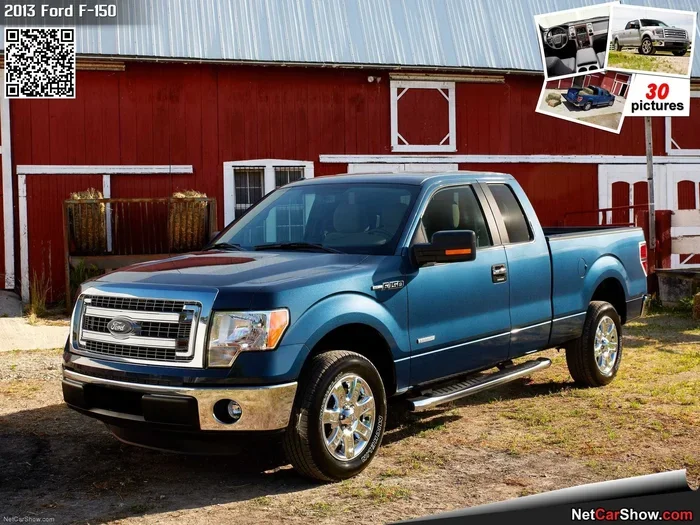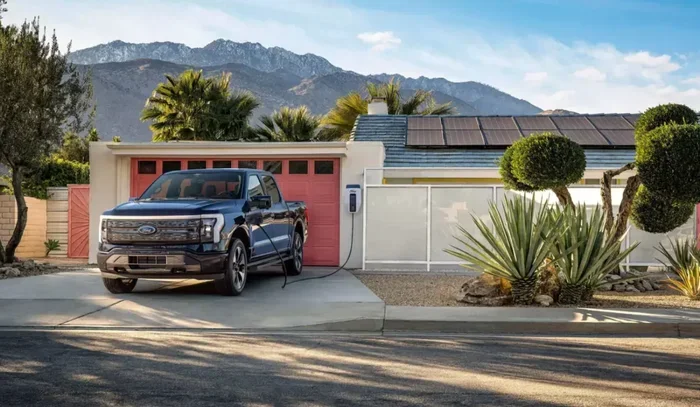
Can a Ford F-150 Power a House The Surprising Answer
Yes, a Ford F-150 can power a house, and the results may surprise you. With the right setup, this popular truck can run essential household appliances, charge devices, and even serve as a backup power source during outages. Let us walk you through exactly how it works, what you can power, and what limitations you should know about.
You might think of the Ford F-150 as a workhorse truck for hauling cargo and towing trailers. But here is a question that has been gaining a lot of attention lately: can a Ford F-150 power a house? The answer is yes, and it is more practical than most people realize.
With extreme weather events on the rise and power outages becoming more common, homeowners are looking for creative backup solutions. Your pickup truck sitting in the driveway might just be the most underrated power source you own. In this article, we will break down exactly how this works, what you can run, and what you need to watch out for.
Whether you live in a rural area prone to storms or just want to be prepared for emergencies, understanding your F-150’s power capabilities is incredibly useful. Let us dive into the details and explore this surprising use for one of America’s best-selling trucks.
Key Takeaways
- Your F-150 can generate usable electricity: Through its engine, inverter, or generator options, the truck produces enough power for basic home needs.
- You can run essential appliances: Lights, refrigerators, fans, and electronics are all feasible on F-150 power.
- Fuel efficiency matters a lot: Your F-150’s fuel consumption directly affects how long it can power your home.
- Power output varies by model: Different engine sizes and configurations deliver different amounts of usable electricity.
- Safety first: Always use proper transfer switches and follow guidelines to avoid damage or injury.
- It is not a full home replacement: F-150 power works best for essentials and short-term backup, not whole-house continuous use.
📑 Table of Contents
How the Ford F-150 Generates Power
The Ford F-150 is not just a truck. It is a rolling power station when you know how to use it. Understanding how it generates electricity is the first step toward making it work for your home.
The Engine as a Power Source
Every Ford F-150 has a gasoline or diesel engine that burns fuel to create mechanical energy. But did you know that engine can also produce electricity? Through a process called alternator charging, your truck converts mechanical energy into electrical energy while the engine runs.
The standard alternator in most F-150 models produces enough power to charge the battery and run basic electronics. However, if you want to power household items, you need more. This is where external solutions come into play.
Built-In Generator Options
Ford has recognized the demand for portable power in their trucks. Some newer F-150 models come with a built-in generator or a power outlet designed for external use. These features make it much easier to pull electricity from your truck without extra equipment.
The built-in generator option is especially popular among people who camp, work remotely, or live in areas with unreliable power grids. It turns your F-150 into a reliable source of household electricity on demand.
Portable Generators and Inverters
If your F-150 does not have a built-in generator, you are not out of luck. Portable inverter generators can connect to your truck’s power outlets. These devices convert DC power from your truck into AC power that your home appliances can use.
Inverter generators are clean and efficient. They produce stable power that is safe for sensitive electronics like laptops and televisions. Many homeowners pair a small inverter generator with their F-150 for a reliable backup power setup.
What Can You Actually Run on a Ford F-150?
Now for the fun part. What can you actually keep running with your F-150’s power? The answer depends on several factors, including your truck’s engine size, fuel type, and the equipment you use.
Essential Household Appliances
During a power outage, you probably do not need to run everything in your house. Focus on the essentials first. Here is a list of common household items that an F-150 can typically handle:
- Refrigerator: A standard fridge uses about 100 to 400 watts. Your F-150 can handle this easily.
- Lights: LED bulbs use very little power. A few rooms of lights is no problem.
- Phone and laptop chargers: These draw minimal power and are perfect for your truck’s 12V power socket car setup.
- Fans: A box fan or ceiling fan on low uses around 50 to 100 watts.
- Small microwave: A microwave can be tricky because it draws a lot of power at startup.
- WiFi router: Keeping your internet alive during an outage is a smart priority.
What About Bigger Appliances?
Larger appliances like air conditioners, electric stoves, and washing machines need significantly more power. Running these directly off your F-150 is challenging and often impractical. You would need a much larger generator setup or a more powerful engine configuration.
However, some F-150 models with the PowerBoost hybrid system can deliver up to 9.6 kilowatts of power through their outlet. This is enough to run a window air conditioner or a small space heater for a limited time.
Powering Tools and Equipment
One of the most practical uses for F-150 power is running tools and job site equipment. Whether you are a contractor or a weekend DIYer, your truck can power saws, drills, lights, and compressors. This makes the F-150 a favorite among tradespeople who work in areas without reliable electricity.
The Math: Fuel, Power, and Time
Here is where things get really interesting. How long can your F-150 actually power your house? Let us look at the numbers.
Understanding Power Output
A typical F-150 engine produces somewhere between 290 and 400 horsepower depending on the model. But horsepower is not the same as electrical power output. What matters for powering your house is the kilowatt hours your truck can deliver.
Most F-150 models with a built-in outlet can provide around 2 to 9.6 kilowatts of continuous power. A standard home uses about 30 kilowatt hours per day. So your F-150 could theoretically power a home for a few hours on a single tank of gas, or longer if you are only running essentials.
Fuel Consumption and Range
Here is the honest truth about using your F-150 as a generator. It burns fuel. A lot of it. If you run your truck at a steady load to power your home, you can expect to use fuel at a much faster rate than normal driving.
Some drivers report getting around 10 to 15 miles per gallon when idling with a heavy electrical load. At that rate, a 23-gallon tank gives you roughly 230 to 345 miles of runtime. But remember, that is at idle. The actual runtime depends on how much power you are drawing.
For comparison, a dedicated portable generator uses far less fuel for the same amount of power. So while your F-150 can do the job, it is not the most fuel-efficient solution for long-term use.
Calculating Your Specific Setup
To figure out how long your F-150 can power your home, you need to do a little math. Add up the wattage of everything you want to run. Then compare that to your truck’s maximum power output. Divide your fuel tank capacity by your estimated fuel burn rate, and you will get a rough estimate of runtime.
It sounds complicated, but it really is not. A simple spreadsheet or even a pen and paper will do the trick. Just make sure you account for startup surges on appliances like refrigerators and microwaves.
Real-World Scenarios and Use Cases
Theoretical numbers are great, but what does this look like in real life? Let us explore some common situations where F-150 power comes in handy.
Emergency Backup During Storms
Severe storms can knock out power for days. Having an F-150 ready to go means you can keep your refrigerator running, charge your phone, and stay connected. It is a game changer for families in hurricane-prone or tornado-prone areas.
Many F-150 owners keep their trucks plugged in and ready to go during storm season. With a simple transfer switch setup, they can power their most essential circuits without ever stepping outside.
Off-Grid Living and Camping
People who live off the grid or love boondocking in their RVs often use their F-150 as a primary power source. The truck’s power output can handle lights, cooking equipment, and entertainment systems for extended periods.
Some off-grid enthusiasts have even modified their F-150s with additional battery banks and solar panels. This creates a powerful and sustainable setup that can run a small cabin or campsite for days without needing to refuel.
Construction and Job Sites
Contractors love the idea of using their F-150s on job sites. Instead of renting a noisy generator, they can simply run their tools directly from the truck. The F-150’s towing capacity of around 000 lbs heavy for a car is impressive, but its electrical capabilities are just as valuable on the work site.
With tools like saws, sanders, and compressors running off the truck, workers can stay productive even in remote locations without access to grid power.
Limitations and Things to Consider
Before you start planning to power your entire home with your F-150, there are some important limitations you need to understand.
It Is Not a Permanent Solution
Your F-150 is not designed to replace your home’s electrical system. It is a temporary and emergency solution. Running your truck for days at a time will drain your fuel quickly and put unnecessary wear on the engine.
Think of it as a bridge between power outages and getting your home back on the grid. It is a short-term fix, not a long-term replacement.
Safety Concerns
Using your truck to power your home comes with safety risks. Carbon monoxide from the exhaust is a real danger if you run the truck in an enclosed space. Always operate your F-150 outside and away from open windows and doors.
You should also use a proper transfer switch to avoid backfeeding electricity into your home’s wiring. Backfeeding can be deadly for utility workers and can damage your electrical system.
Engine Wear and Maintenance
Running your engine for extended periods at idle puts extra stress on the engine components. Oil degrades faster, and the engine runs hotter than normal driving conditions. Make sure you check your oil levels and coolant before using your F-150 as a power source for extended periods.
Regular maintenance becomes even more important if you plan to use this setup frequently. Stay on top of oil changes and inspections to keep your truck in top shape.
Expert Tips for Maximizing Your F-150’s Power Output
Want to get the most out of your F-150 when using it as a power source? Here are some expert tips that make a big difference.
Invest in a Quality Inverter
A good pure sine wave inverter is essential for clean, safe power. Cheap inverters can produce dirty electricity that damages sensitive electronics. Spend a little extra to get a quality unit that will protect your appliances and devices.
Minimize Power Waste
Only run what you need. Turn off lights in empty rooms and unplug devices that are not in use. Every watt you save extends your runtime and conserves fuel. Think of it like managing your fuel economy, similar to how you would think about whether 000 miles a lot for a diesel engine is worth the fuel cost.
Keep Your Fuel Tank Full
Never wait until you are low on fuel to start using your F-150 for power. Keep your tank at least half full at all times during storm season or when you plan to use it as a backup. Running out of fuel mid-outage is the last thing you want.
Use LED Lighting
Switching to LED bulbs throughout your home can dramatically reduce your power needs. LEDs use up to 75 percent less energy than traditional incandescent bulbs. This simple change can double or even triple your F-150’s runtime during an outage.
Plan Your Power Priorities
Make a list of your must-have items before an outage happens. Prioritize refrigerator, medical devices, communications, and lighting. Having a plan in place ensures you use your F-150’s limited power wisely and effectively.
Conclusion
So, can a Ford F-150 power a house? Absolutely. It is one of the most versatile and surprising uses for this iconic truck. Whether you need emergency backup during a storm, power on a job site, or a reliable source of electricity for camping, your F-150 has you covered.
Just remember that it works best for essential loads and short-term use. It is not a replacement for a whole-home generator or a permanent power solution. But for many situations, it is more than enough to keep you comfortable and connected.
Understanding your truck’s power capabilities gives you an edge when unexpected situations arise. Take the time to set up your system properly, invest in the right equipment, and always put safety first. With the right approach, your Ford F-150 becomes much more than a truck. It becomes a reliable power source you can count on when you need it most.
Start planning your setup today. You will be glad you did the next time the lights go out and your neighbors are still in the dark.
Frequently Asked Questions
How much power can a Ford F-150 generate?
Most F-150 models with a built-in outlet can deliver between 2 and 9.6 kilowatts of continuous power. The exact output depends on your engine type and whether you use a built-in generator or an external inverter setup.
Can I run my entire house on a Ford F-150?
Running your entire house is not practical. An average home uses about 30 kilowatt hours per day, which would drain your fuel tank very quickly. Instead, focus on powering essential appliances like your refrigerator, lights, and phone chargers during an outage.
Is it safe to use my F-150 to power my home?
Yes, as long as you follow safety guidelines. Always run the truck outside, use a proper transfer switch, and never backfeed electricity into your home’s wiring. Carbon monoxide from the exhaust is a serious risk if the truck runs in an enclosed space.
How long can a Ford F-150 power a house on a full tank?
Runtime depends on how much power you are drawing. For essential loads like a refrigerator and a few lights, you can expect several hours to over a day on a full tank. Running more appliances will significantly reduce your runtime.
Do I need special equipment to power my home with my F-150?
Yes, you need a few key pieces of equipment. A quality inverter or a built-in generator outlet is essential. You should also have a transfer switch installed by a licensed electrician to safely connect your truck to your home’s electrical system.
Which Ford F-150 model is best for powering a house?
The PowerBoost hybrid models offer the highest power output at up to 9.6 kilowatts through their built-in outlet. However, any F-150 with a generator-ready package or a compatible inverter setup can effectively power essential household loads during an emergency.