How Long Can a Car Overheat Before Damage Occurs Dont Wait
Your car can suffer serious damage in as little as 30 seconds to 5 minutes of overheating. Understanding how long a car can overheat before damage occurs is critical for every driver. This guide covers warning signs, causes, repair costs, and immediate steps to save your engine. Don’t wait until it’s too late.
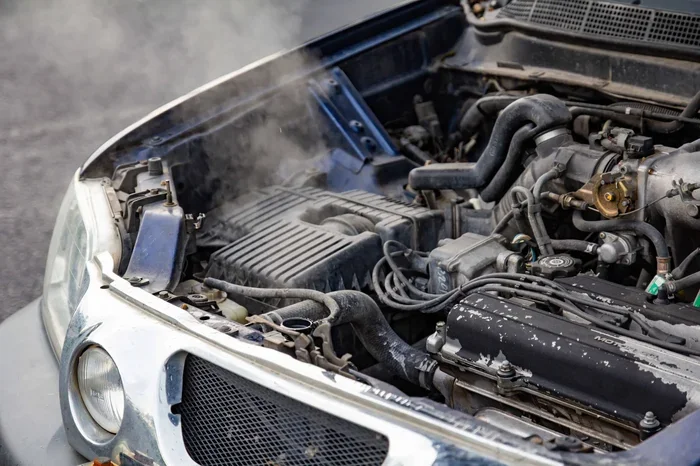
Every driver has been there. You are on the highway, and suddenly you see steam curling up from under the hood. Your heart drops. You glance at the temperature gauge, and it is in the red zone. The question hits you fast. How long can a car overheat before damage occurs?
The answer might surprise you. In many cases, serious engine damage can begin in less than five minutes. Some vehicles can sustain harm in as little as 30 seconds if temperatures spike extremely high. This is not a drill. Ignoring an overheating car is one of the fastest ways to destroy your engine and face a massive repair bill.
Understanding the timeline of engine overheating is one of the most important things every car owner should know. Whether you drive a daily commuter or an older vehicle, knowing the signs and acting fast can mean the difference between a small fix and a complete engine replacement. This guide walks you through everything you need to know about how long a car can overheat before damage occurs. We will cover the warning signs, common causes, what happens inside your engine, and exactly what you should do in the moment.
Let us be real for a second. Most people ignore the first warning signs. They roll down the window, turn up the radio, and hope the problem goes away. That is a dangerous gamble. By the time you finish reading this article, you will know exactly what to watch for and how to protect your vehicle.
Key Takeaways
- Engine damage can start in under 5 minutes: Even brief overheating episodes cause lasting harm.
- Watch for steam, smoke, and warning lights: These are early signs your car is overheating.
- Common causes include coolant leaks and thermostat failure: Know what triggers overheating.
- Turn off the AC and turn on the heat: Simple steps can buy you time.
- Driving through overheating leads to costly repairs: Head gasket and engine seizure risks are real.
- Regular maintenance prevents overheating: Coolant flushes and inspections save money.
- Never ignore the temperature gauge: It is your first line of defense.
📑 Table of Contents
- How Long Can a Car Overheat Before Damage Occurs
- Warning Signs Your Car Is Overheating
- What Causes a Car to Overheat
- What Happens Inside Your Engine During Overheating
- What to Do When Your Car Starts Overheating
- Repair Costs for Overheating Damage
- How to Prevent Overheating in the First Place
- Common Mistakes People Make When Their Car Overheats
- Expert Insights on Engine Overheating
- Conclusion
How Long Can a Car Overheat Before Damage Occurs
The honest answer is not a single number. It depends on several factors. These include the outside temperature, what you are doing, and the condition of your cooling system. But here is the general rule. The longer your engine runs hot, the worse the damage gets.
In normal driving conditions, most engines start to sustain damage after about 3 to 5 minutes of running above 230 degrees Fahrenheit. At temperatures above 240 degrees, the risk jumps significantly. By the time you hit 250 degrees, you are in the danger zone. At that point, the coolant temperature is high enough to warp metal, blow seals, and crack components.
Here is a simple breakdown of what happens over time:
- 0 to 1 minute: The engine is running hot but likely okay. The temperature gauge is climbing. You may notice the overheating warning light on your dashboard.
- 1 to 3 minutes: Coolant is boiling. Steam may start coming from the hood. The thermostat may be failing to regulate flow properly.
- 3 to 5 minutes: Internal damage begins. Gaskets can start to fail. The aluminum parts in your engine block may begin to warp.
- 5 to 10 minutes: Severe damage is likely. The head gasket can blow. You risk a cracked engine block or a seized engine.
- 10+ minutes: Catastrophic failure is almost certain. The engine may need to be replaced entirely.
These numbers can vary. A well-maintained vehicle with fresh coolant might handle a few extra minutes. But an older car with a coolant leak or a broken water pump will not last long at all.
Why Timing Matters So Much
Your car engine runs through thousands of small explosions every minute. These explosions create enormous heat. The cooling system is designed to keep everything in a safe range. When that system fails, heat builds up fast. Metal expands. Parts rub together in ways they were never meant to. And just like that, you have a car engine damage situation on your hands.
The key takeaway is this. Every second counts. The faster you respond to overheating symptoms, the better your chances of avoiding expensive repairs.
Warning Signs Your Car Is Overheating
You do not want to be caught off guard. Your car gives you plenty of warnings before things get really bad. The trick is knowing what to look for and not ignoring them.
The Temperature Gauge
Your dashboard temperature gauge is the most obvious indicator. Most cars show a normal range in the middle. If the needle starts climbing toward the hot side, pay attention. Do not assume it will come back down on its own. A rising temperature gauge is your first and best clue that something is wrong with your engine cooling.
Steam or Smoke From the Hood
If you see steam or smoke coming from under the hood, pull over immediately. This usually means your coolant has boiled. It is spraying onto hot engine parts and turning to vapor. This is a clear sign that your coolant temperature has exceeded safe limits. Do not pop the hood right away. Wait a few minutes to avoid burns from steam or hot coolant.
Strange Smells
Your nose can tell you a lot. A sweet smell might mean coolant is leaking. A burning smell could indicate oil or rubber getting too hot. Both are red flags for engine overheating. Do not drive through a strange smell. Pull over and investigate.
Warning Lights on the Dashboard
Modern cars have multiple warning lights for a reason. The check engine light, the oil pressure light, and the specific overheating warning light are all there to protect you. If any of these come on, do not keep driving. They are telling you something serious is happening under the hood.
Loss of Power or Strange Sounds
If your engine starts knocking, pinging, or losing power, heat could be the cause. An engine running too hot does not burn fuel efficiently. You may also hear clicking or ticking sounds as metal parts expand and press against each other. These are signs of serious engine overheating that should never be ignored.
What Causes a Car to Overheat
Knowing how long a car can overheat is only half the battle. You also need to know why it happens in the first place. Understanding the root causes helps you prevent future problems.
Low Coolant Levels
Coolant is the lifeblood of your cooling system. It absorbs heat from the engine and carries it to the radiator where it cools down. If your coolant level is low, there is not enough fluid to do its job. A coolant leak is one of the most common reasons cars overheat. Check your coolant reservoir regularly. Top it off if needed, but also look for the source of any leaks.
Thermostat Failure
The thermostat controls the flow of coolant through your engine. When it gets stuck closed, coolant cannot circulate. Heat builds up fast. A stuck thermostat is a common reason for overheating engine repair bills. Replacing a thermostat is usually inexpensive, especially if you catch it early.
Water Pump Problems
The water pump pushes coolant through the engine and radiator. If it fails, coolant stops moving. Everything heats up. Water pump failure can happen from age, corrosion, or a broken drive belt. This is a serious issue that requires immediate attention.
Radiator Issues
Your radiator is responsible for releasing heat from the coolant. If it is clogged, damaged, or the fins are bent, it cannot do its job. Radiator problems can lead to poor heat exchange and eventual engine overheating. A damaged radiator cap can also cause pressure loss and coolant to boil at lower temperatures.
Broken Cooling Fan
The cooling fan pulls air through the radiator when you are driving slowly or idling. If the fan motor or fan clutch fails, your engine can overheat even at low speeds. This is especially common in stop-and-go traffic during hot weather. A cooling fan that does not work is a common cause of summer overheating.
Head Gasket Failure
A blown head gasket is both a cause and a result of overheating. When the gasket fails, coolant can leak into the cylinders or oil passages. This leads to more overheating and more damage. A head gasket repair is one of the most expensive engine fixes, which is why prevention is so important.
Blocked or Dirty Cooling System
Over time, rust, scale, and debris can build up inside your cooling system. This restricts coolant flow and reduces heat transfer. A coolant flush at recommended intervals helps prevent this buildup. Old, dirty coolant loses its effectiveness and can actually contribute to overheating.
What Happens Inside Your Engine During Overheating
Understanding what goes wrong inside your engine during overheating helps you appreciate why the timeline is so short. Here is a step-by-step look at what happens.
Metal Expansion
Engine blocks are made of aluminum or cast iron. Both metals expand when heated. When temperatures get too high, parts expand beyond their normal tolerances. This causes increased friction between moving parts. Bearings wear out faster. Piston rings can scuff the cylinder walls.
Gasket Failure
Gaskets are designed to seal joints between engine parts. They are made of materials that can handle heat but only up to a point. When temperatures spike, gaskets can burn through, crack, or blow out. A blown head gasket allows coolant and oil to mix. This creates a cascading series of problems that can destroy your engine.
Cracked Engine Block
In extreme cases, the engine block itself can crack. This usually happens when the metal warps unevenly due to excessive heat. A cracked block means coolant leaks into the cylinders or oil passages. The engine can seize up completely. Repairing or replacing a cracked engine block is one of the most expensive automotive repairs possible.
Warped Cylinder Head
The cylinder head sits on top of the engine block. It can warp when exposed to extreme heat. A warped head means it no longer sits flush against the block. This creates gaps where combustion gases can escape. It also means the head gasket seal is compromised. Warped heads are a common result of prolonged engine overheating.
Seized Engine
The worst-case scenario is a seized engine. When metal parts get hot enough, they expand and fuse together. The pistons can weld themselves to the cylinder walls. A seized engine means the car will not start. You will need a complete engine replacement or a full rebuild. This is the nightmare outcome of ignoring overheating symptoms.
What to Do When Your Car Starts Overheating
Knowing what to do in the moment can save your engine. Here is a step-by-step action plan.
Step 1: Turn Off the Air Conditioning
The AC puts extra load on your engine. Turning it off reduces the heat your engine has to manage. This one simple action can make a big difference in the first few moments of overheating.
Step 2: Turn On the Heater
This might sound crazy, but turning on the heat helps pull hot air away from the engine. It acts as a secondary radiator. Yes, your cabin will get warm. But it could save your engine from serious car engine damage.
Step 3: Pull Over Safely
Do not keep driving. Find a safe spot and turn off the engine. Continuing to drive while overheating is the fastest way to cause irreversible damage. Give the engine at least 15 to 20 minutes to cool down before you open the hood.
Step 4: Check the Coolant
Once the engine has cooled, check the coolant reservoir. If it is low, you may have a leak. Do not open the radiator cap while the engine is hot. Pressurized steam can cause severe burns. Wait until everything has cooled before touching anything under the hood.
Step 5: Call for Help
If you cannot identify the problem or the coolant is not the issue, call a tow truck. Driving a hot engine even a short distance can cause thousands of dollars in damage. It is always better to be safe than sorry when it comes to overheating engine repair.
Quick Tips for Emergency Overheating
- Keep a bottle of coolant in your trunk for emergencies.
- Never open the radiator cap when the engine is hot.
- Turn off the engine immediately if you see steam or the gauge goes into the red.
- Carry extra water as a temporary coolant substitute if you are stranded.
- Know where your coolant reservoir is before you need it.
Repair Costs for Overheating Damage
The cost of repairing overheating damage varies widely. It depends on how long the engine ran hot and what parts were damaged.
Minor Repairs
If you catch the problem early and shut the engine off quickly, repairs might be minor. A new thermostat, a coolant flush, or a radiator hose replacement can cost between 100 and 500 dollars. These are small prices compared to what a seized engine will cost you.
Moderate Repairs
If the head gasket has blown but the engine block is still intact, you are looking at 1,000 to 3,000 dollars for repair. The head gasket itself is not expensive, but the labor to replace it is significant. This is why catching overheating early is so valuable.
Major Repairs
A cracked engine block or a seized engine means a full engine replacement. This can cost anywhere from 3,000 to 7,000 dollars or more depending on your vehicle. In some cases, it might be more cost-effective to replace the entire car. This is the harsh reality of ignoring engine overheating warnings.
How to Prevent Overheating in the First Place
Prevention is always better than cure. Here are some simple steps to keep your car from overheating.
- Check your coolant regularly: Look at the reservoir at least once a month. Top it off with the correct type of coolant for your vehicle.
- Get regular coolant flushes: Follow your owner manual for flush intervals. Old coolant loses its ability to regulate temperature effectively.
- Inspect hoses and connections: Look for cracks, leaks, or loose clamps on your coolant hoses. Replace worn hoses before they fail.
- Monitor your temperature gauge: Get in the habit of glancing at your temperature gauge while driving. Know what normal looks like for your car.
- Keep your radiator clean: Bugs, dirt, and debris can block airflow through the radiator. Rinse it gently with a hose during car washes.
- Replace the thermostat on schedule: Thermostats wear out over time. Replacing yours every 50,000 to 100,000 miles can prevent surprises.
- Listen to your engine: Unusual sounds like knocking or ticking can signal heat-related problems. Do not ignore them.
Taking these preventive steps seriously is the best way to avoid the nightmare of engine overheating and the expensive repairs that follow. A few minutes of maintenance now can save you thousands of dollars later.
Common Mistakes People Make When Their Car Overheats
Even when drivers know their car is overheating, many make mistakes that make things worse. Here are the most common ones to avoid.
Continuing to Drive
This is the biggest mistake by far. Some drivers think they can make it to the next exit or the nearest mechanic. In reality, every mile you drive with an overheating engine increases the risk of catastrophic damage. Pull over and shut the engine off as soon as you safely can.
Popping the Hood Immediately
It is tempting to open the hood right away to let the steam out. But boiling coolant and steam can cause severe burns. Wait at least 15 minutes for the engine to cool before you carefully open the hood.
Ignoring the Problem
Some drivers see steam, turn off the AC, and keep driving once the steam clears. They assume the problem is solved. But the underlying issue is still there. The next time it overheats, the damage will be worse. Always get your vehicle inspected after an overheating episode.
Adding Cold Water to a Hot Engine
Adding cold water to an extremely hot engine can cause the engine block to crack due to sudden temperature changes. If you must add water, do it slowly and only after the engine has cooled significantly.
Skipping Regular Maintenance
Many overheating problems are caused by neglected maintenance. Skipping coolant flushes, ignoring hose inspections, and never checking fluid levels sets your car up for failure. Stay on top of your maintenance schedule to avoid overheating engine repair bills.
Expert Insights on Engine Overheating
We spoke with experienced mechanics about the most common misconceptions around car overheating. One thing they all agreed on. Most drivers wait too long to act. By the time they pull over, the damage is already done.
Another insight from seasoned professionals. Modern cars are designed with tighter tolerances than older models. This means they are more sensitive to overheating. A car from the 1990s might handle a few extra minutes of high temperatures better than a 2020s model. But no car is immune to damage from prolonged overheating.
Mechanics also emphasize the importance of using the right coolant. Not all coolants are created equal. Using the wrong type can lead to corrosion, reduced cooling efficiency, and eventual engine overheating. Always check your owner manual for the recommended coolant type.
The bottom line from the experts is simple. Respect the temperature gauge. Treat every overheating episode as a serious warning. Your engine will thank you for it.
Conclusion
The answer to how long can a car overheat before damage occurs is shorter than most people think. In many cases, damage begins in just a few minutes. The key to protecting your engine is awareness and quick action. Know the warning signs. Understand the causes. And most importantly, do not ignore the first symptoms.
Taking care of your cooling system through regular maintenance is the best investment you can make. Check your coolant, inspect your hoses, and listen to your engine. These small habits add up to a vehicle that runs reliably for years.
If your car ever starts to overheat, remember what you learned here. Turn off the AC, turn on the heat, pull over, and shut the engine off. Do not push your luck. The cost of a tow truck is nothing compared to the cost of a new engine.
Your car is one of your biggest investments. Treat it with respect. Stay vigilant about engine overheating, and you will avoid the worst outcomes. Drive smart, stay safe, and never ignore the signs your car is trying to tell you.
Frequently Asked Questions
Can I drive my car if it is overheating?
No. Driving an overheating car risks severe and permanent engine damage. Pull over safely, turn off the engine, and call for help. Even a short drive while overheating can cause a blown head gasket or a seized engine.
How much does it cost to fix an overheating engine?
Costs vary widely depending on the damage. Minor repairs like a thermostat replacement may cost 100 to 300 dollars. A head gasket repair can range from 1,000 to 3,000 dollars. A complete engine replacement can cost 3,000 to 7,000 dollars or more.
What should I do if I see steam coming from my hood?
Turn off the engine and the AC immediately. Turn on the heater to help draw heat away. Pull over safely and wait at least 15 minutes before opening the hood. Do not attempt to drive the vehicle any further.
Can low coolant cause my car to overheat?
Yes. Low coolant is one of the most common causes of engine overheating. Without enough coolant, the engine cannot properly regulate its temperature. Check for leaks and top off your coolant reservoir regularly.
How often should I flush my coolant?
Most manufacturers recommend a coolant flush every 30,000 to 50,000 miles. Check your owner manual for the specific interval for your vehicle. Old coolant loses its effectiveness and can contribute to overheating problems.
Is it normal for the temperature gauge to rise in hot weather?
A slight rise is normal, especially in extreme heat or heavy traffic. However, if the gauge enters the red zone or the overheating warning light comes on, it is not normal. Pull over and address the issue immediately to avoid engine damage.