Car Ac to Dc Converter Ultimate Buying Guide And Tips
A car AC to DC converter lets you run household devices from your vehicle’s power outlet. Whether you need a portable power inverter for road trips or a powerful DC to AC converter for work tools, this guide covers everything you need to know. We break down types, features, and top picks so you can buy with confidence.
A car AC to DC converter is one of the most practical automotive power tools you can add to your vehicle. Whether you are road-tripping with family, working from your car, or heading out on an off-grid adventure, a DC to AC converter opens up a world of possibilities. This guide walks you through everything you need to know about choosing the right car power inverter. You will learn about how they work, the different types available, key features to look for, and our top-rated picks. By the end, you will feel confident picking the perfect vehicle power inverter for your specific needs.
More and more people rely on their cars for work, travel, and everyday tasks. Your vehicle has a 12V to 120V converter capability built into its electrical system, but you need the right device to tap into that power. A car AC to DC converter bridges the gap between your car’s battery and the household appliances you want to use on the road. It is not just a luxury anymore. It is a practical tool for modern life.
But with so many options on the market, choosing the right one can feel overwhelming. Wattage ratings, wave types, safety features, and portability all play a role. That is exactly why we put together this comprehensive buying guide. We will break everything down in simple terms so you can make a smart, informed decision without any confusion.
Key Takeaways
- Know your wattage needs: Match the wattage rating to the devices you plan to run.
- Choose the right wave type: Pure sine wave inverters are safer for sensitive electronics than modified sine wave models.
- Check your car’s electrical system: A car AC to DC converter should not overload your vehicle’s cigarette lighter adapter or car power outlet.
- Safety features matter: Look for inverter safety protections like overload shutdown and cooling fans.
- Portability is a plus: A portable power inverter is ideal for frequent travelers and outdoor adventures.
- Read reviews before buying: Real user feedback helps you avoid common battery drain and overheating issues.
📑 Table of Contents
What Is a Car AC to DC Converter?
A car AC to DC converter is a device that changes your car’s direct current (DC) power into alternating current (AC) power. Your car battery and car power outlet supply DC power, which is what charges your phone and runs your dashboard lights. But most household devices need AC power to work properly. The converter makes that possible while you are on the move.
Think of it like a translator between your car and your appliances. You plug the AC adapter for car into your vehicle, and it converts the power so you can use laptops, small TVs, fans, and even mini-fridges on the go. This is where the power conversion process happens. The device takes low-voltage DC and transforms it into standard household AC power that your electronics can use safely.
How Is It Different from a Car Charger?
A regular car charger only steps down voltage for small electronics like phones and tablets. A car AC to DC converter does the opposite. It steps up the voltage and changes the current type entirely. This makes it capable of powering much larger devices that a standard car charger simply cannot handle. The difference is significant and understanding it helps you make better purchasing decisions.
How Does a Car AC to DC Converter Work?
The power conversion process inside a car AC to DC converter is fascinating but simple to understand. Your car’s battery stores energy as direct current. The converter takes that DC power and uses electronic circuits to flip it back and forth rapidly, creating alternating current. This is the same type of power that comes out of the wall sockets in your home. The converter essentially recreates household power inside your vehicle.
Inside the unit, you will find a transformer, capacitors, and a control board. These components work together to regulate voltage and maintain a steady output. Better units also include cooling fans and surge protection to keep everything running safely. The quality of these internal parts determines how efficient and reliable your DC to AC converter will be over time.
The Role of the Transformer
The transformer is the heart of any DC to AC converter. It takes the low-voltage DC power from your car and boosts it to a higher AC voltage, typically 120V or 240V depending on your region. Without the transformer, the power conversion would not be possible. Higher-quality vehicle power inverters use more efficient transformers that lose less energy as heat. This means better performance and longer device life for everything you plug in.
Types of Car AC to DC Converters Available
Not all car AC to DC converters are the same. Understanding the different types helps you pick the right one for your needs. Here are the main categories you will encounter when shopping.
Pure Sine Wave Inverters
A pure sine wave inverter produces the smoothest, cleanest AC power available. It mimics the power you get from a wall outlet exactly. This makes it the best choice for sensitive electronics like laptops, medical devices, and certain appliances. If you want the safest and most reliable AC power adapter for your car, a pure sine wave model is the way to go.
The downside is that pure sine wave portable power inverters tend to cost more than other options. However, the inverter safety benefits and device protection they offer make them worth the investment for most users. If you value the longevity of your electronics, this is the type you should choose.
Modified Sine Wave Inverters
A modified sine wave inverter produces a rougher, stepped version of AC power. It works fine for basic devices like phone chargers, lights, and simple car accessories. However, it can cause problems with sensitive electronics. Some users report humming noises, reduced performance, or even damage to certain appliances over time.
Modified sine wave models are cheaper and still popular for budget-conscious buyers. They are a good choice if you only need to power simple, non-sensitive devices while on the road. Just be aware of the limitations before you make a purchase.
High-Wattage vs. Low-Wattage Converters
Wattage rating is one of the most important factors when choosing a car AC to DC converter. Low-wattage models, usually under 200 watts, are perfect for charging laptops, phones, and small electronics. High-wattage models, ranging from 500 to 2000 watts or more, can power larger devices like mini-fridges, power tools, and even small heaters.
Your car electrical system plays a big role here. Most standard cars can handle a 12V to 120V converter up to about 150 watts through the cigarette lighter. For higher wattage, you will need a direct battery connection with proper fusing. Always check your vehicle’s manual or consult a mechanic if you are unsure about your car’s limits.
Key Features to Look For When Buying
Shopping for a car AC to DC converter can be tricky with so many options available. Here are the key features you should never skip when comparing models.
Wattage Rating
Always check the wattage rating before you buy. Add up the wattage of all the devices you plan to run at the same time. Then choose a DC to AC converter that exceeds that total by at least 20 percent. This buffer prevents the unit from overloading and shutting down unexpectedly. It also protects your car’s electrical system from strain.
Wave Type
As we discussed, pure sine wave is the gold standard for inverter safety and device compatibility. If you plan to power anything sensitive, do not settle for a modified sine wave model. The extra cost is justified by the protection it offers your electronics. Think of it as insurance for your valuable devices while you are on the road.
Safety Features
Good inverter safety features include overload protection, short-circuit protection, and thermal shutdown. These prevent the unit from damaging your car or catching fire in worst-case scenarios. Look for AC adapter for car models that include cooling fans and built-in alarms for low voltage or overheating. These small details make a big difference in long-term reliability and peace of mind.
Portability and Size
If you travel frequently, a portable power inverter is essential. Look for compact, lightweight designs that fit easily in your trunk or glove box. Some models come with carrying cases, which is a nice bonus for road trip convenience. Portability does not mean you have to sacrifice power either. Many compact units now offer impressive wattage in a small footprint.
Number of Outlets
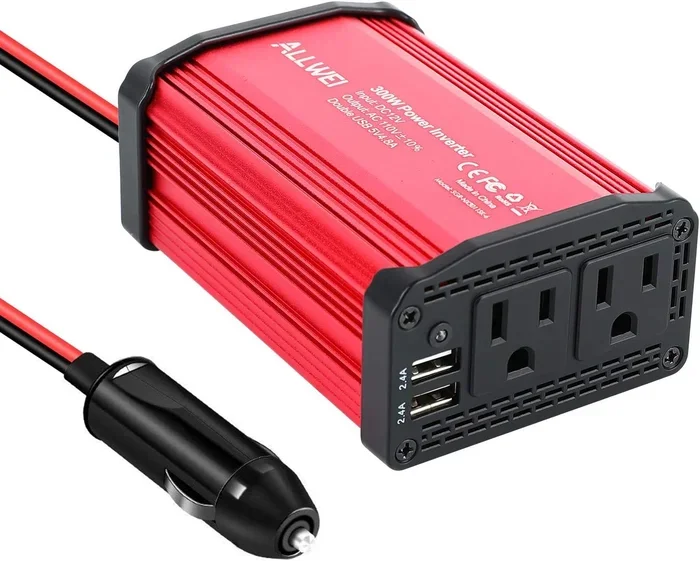
Some car AC to DC converters come with multiple outlets, including USB ports and AC sockets. Think about how many devices you need to power at once. More outlets give you flexibility, but they also draw more power from your car’s car electrical system. Balance the number of outlets with your actual power needs to avoid overloading the unit.
Top Car AC to DC Converters Reviewed
Here are some of the best vehicle power inverters currently available on the market. These picks are based on performance, safety features, user reviews, and overall value for money. Each one serves a different need, so you can find the perfect match for your situation.
Best Overall: AIMS Power 2000W Inverter
The AIMS Power 2000W is a powerhouse DC to AC converter that handles heavy-duty applications with ease. It features a pure sine wave output, making it safe for sensitive electronics. The wattage rating of 2000 watts means you can run multiple devices simultaneously without any issues. It also includes comprehensive safety protections and a sturdy build quality that lasts for years. This is the top pick for users who need reliable, high-performance power conversion from their automotive power supply.
Best Budget: Giandel 1000W Modified Sine Wave Inverter
If you are on a tight budget, the Giandel 1000W offers solid performance at an affordable price. It uses a modified sine wave output, which is fine for basic devices like phone chargers and laptops. The compact size makes it a great portable power inverter for casual road trips. Just be mindful that it is not ideal for sensitive electronics. For everyday use and basic charging needs, this unit delivers excellent value.
Best for Portability: Renogy 1000W Pure Sine Wave Inverter
The Renogy 1000W strikes a perfect balance between power and portability. It is a pure sine wave model that fits easily in a trunk or back seat. The car AC to DC converter includes both AC outlets and USB ports, giving you versatile charging options. It is an excellent choice for travelers who need reliable power on the go without adding bulk to their vehicle. The build quality is solid and the safety features are comprehensive for its size.
Best for Heavy Duty: Victron Energy MultiPlus 3000W
For serious off-grid adventures or work-from-vehicle setups, the Victron Energy MultiPlus delivers serious power. The automotive power supply handles everything from power tools to camping equipment with ease. It features advanced inverter safety features and ultra-efficient power conversion. This is a premium option for users who demand the best performance from their AC outlet in car setup. The price is higher, but the performance and durability justify the investment for heavy users.
Expert Tips for Safe and Efficient Use
Using a car AC to DC converter safely is just as important as choosing the right one. Follow these expert tips to get the best performance and avoid common problems that many users encounter.
Do Not Exceed the Wattage Limit
Every DC to AC converter has a maximum wattage rating. Exceeding it can cause overheating, fuse blowouts, or even damage to your car’s electrical system. Always check the wattage of your devices before plugging them in. If you are unsure, start with lower-wattage devices and work your way up gradually. This simple habit keeps everything running smoothly and safely.
Monitor Your Battery Voltage
Running a car power inverter for extended periods can drain your car battery. Keep an eye on your battery voltage, especially when the engine is off. Most experts recommend starting the engine if you plan to use the AC adapter for car for more than 30 minutes. This keeps the alternator charging the battery and prevents excessive battery drain. A flat battery means a very inconvenient situation, so stay proactive.
Use the Right Gauge Wiring
For high-wattage vehicle power inverters, the cigarette lighter adapter alone may not be sufficient. Use proper gauge wiring and a direct battery connection for units above 200 watts. This ensures safe power conversion and reduces the risk of overheating in the wiring. Thin or damaged cables are a serious fire hazard, so never cut corners on the wiring side of your setup.
Keep the Converter Ventilated
Power inverters generate heat during operation. Never place a car AC to DC converter in an enclosed space or under a seat. Keep it on a flat, ventilated surface where air can circulate freely. This simple step greatly improves inverter safety and extends the lifespan of the unit. Overheating is one of the most common causes of converter failure, and it is easily preventable.
Turn It Off When Not in Use
Even when no devices are plugged in, some portable power inverters draw a small amount of power from your car. Get in the habit of turning the unit off when you are not using it. This prevents unnecessary battery drain and keeps your car electrical system healthy. A small habit like this can save you from a dead battery when you need your car the most.
Common Mistakes to Avoid
Even experienced car owners make mistakes when using a car AC to DC converter. Knowing what to avoid saves you money, time, and potential safety hazards. Here are the most common errors and how to steer clear of them.
Mistake 1: Ignoring the Wattage Rating. Many buyers pick a converter based on price alone and ignore the wattage rating. This leads to overloaded circuits, tripped breakers, and potential damage to both the converter and your car. Always match the converter to your power needs first and foremost.
Mistake 2: Using a Modified Sine Wave for Sensitive Devices. A modified sine wave can damage laptops, medical devices, and certain appliances. Always check your device requirements before choosing a wave type. When in doubt, invest in a pure sine wave model for peace of mind.
Mistake 3: Running the Converter with the Engine Off for Too Long. This is a fast way to kill your car battery. If you need to use the AC outlet in car without the engine running, limit it to short periods and monitor your battery closely. Set a timer if needed to remind yourself.
Mistake 4: Cheap Wiring and Loose Connections. Using thin or damaged cables with a high-wattage DC to AC converter is a fire hazard. Always use quality cables and secure connections for safe operation. The wiring is just as important as the converter itself.
Mistake 5: Skipping Safety Features. Do not buy a car AC to DC converter without overload protection and thermal shutdown. These features are non-negotiable for inverter safety and long-term reliability. A lower price tag is not worth the risk of a malfunction.
Conclusion
A car AC to DC converter is a game-changer for anyone who spends time on the road. Whether you are a road-tripping family, a mobile professional, or an outdoor enthusiast, the right vehicle power inverter gives you the power you need, wherever you are. By understanding the types, features, and safety considerations, you can make a confident and informed purchase that serves you well for years to come.
Remember to match the wattage rating to your devices, choose a pure sine wave model for sensitive electronics, and always prioritize inverter safety. With the right car AC to DC converter, you will never have to worry about running out of power again. Start your search today and enjoy the freedom of AC power on the go. Your next adventure is going to be so much more convenient with the right converter in your trunk.
Frequently Asked Questions
Can I use a car AC to DC converter while the engine is off?
Yes, you can, but only for short periods. Running a car AC to DC converter with the engine off drains your car battery quickly. Most experts recommend limiting usage to 30 minutes or less when the engine is not running. If you need longer use, start the engine so the alternator can keep the battery charged.
What size converter do I need for my car?
The size depends on the devices you want to power. Add up the wattage of all your devices and choose a DC to AC converter with a wattage rating at least 20 percent higher. For basic charging and small electronics, a 100 to 200 watt unit works well. For larger devices like mini-fridges or power tools, look at 1000 watts or more.
Is a pure sine wave inverter better than modified sine wave?
Yes, for most users, a pure sine wave inverter is the better choice. It provides clean, stable power that is safe for sensitive electronics like laptops and medical devices. A modified sine wave works for basic devices but can cause issues with more sensitive equipment. The extra cost of a pure sine wave model is worth the protection it offers.
Will a car AC to DC converter drain my battery?
It can, especially if you use it for long periods with the engine off. The car electrical system relies on the alternator to recharge the battery while driving. Using a portable power inverter without the engine running puts a direct load on the battery. Always monitor your battery voltage and limit extended use when the engine is not running.
Can I plug a microwave into a car AC to DC converter?
Generally, no. Microwaves require a lot of power, often 1000 watts or more, and they draw a surge of power when starting. Most car AC to DC converters are not designed to handle this kind of load. It is best to use microwaves with a proper household power source or a dedicated generator designed for high-wattage appliances.
How do I install a car AC to DC converter safely?
For low-wattage units, simply plug the cigarette lighter adapter into your car’s power outlet. For higher-wattage vehicle power inverters, you need a direct battery connection using appropriate gauge wiring and fuses. Always follow the manufacturer’s installation instructions and consider consulting a professional mechanic if you are unsure about wiring or electrical connections.