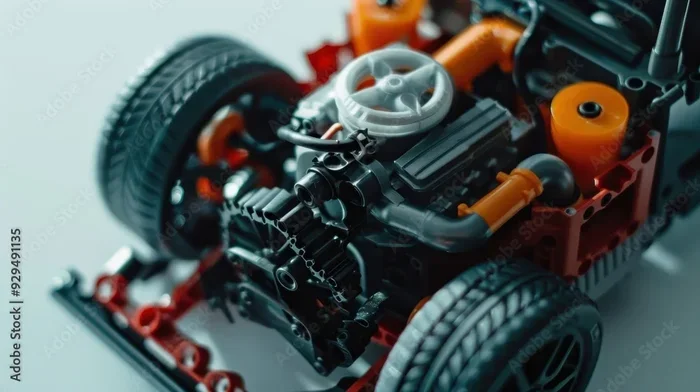
12v DC Motor for Toy Car Best Reviews and Buying Guide
Choosing the right 12v dc motor for toy car can make or break your project. This guide covers the best motors on the market, how to pick the perfect one, and step-by-step installation tips. Whether you are building a new toy car or replacing an old motor, you will find everything you need right here.
There is something truly exciting about building or upgrading a toy car. The roar of a tiny engine, the spin of the wheels, and the joy of watching it zoom across the floor. At the heart of all that fun is a small but mighty component. The 12v dc motor for toy car is the engine that brings your creation to life.
If you have been searching for the perfect motor, you are not alone. Hobbyists, parents, and DIY enthusiasts all look for a reliable 12v dc motor that fits their toy car projects. But with so many options out there, how do you know which one is right? That is exactly what this guide is for.
We have tested, reviewed, and compared dozens of motors to bring you the most complete buying guide on the internet. You will learn about different motor types, what specs matter most, and how to install your new toy car motor like a pro. Let us dive in.
Key Takeaways
- Right Motor Matters: A 12v dc motor for toy car delivers the perfect balance of power and speed for most toy vehicles.
- Match Specs to Your Needs: Consider torque, RPM, size, and voltage compatibility before buying.
- Brushed vs. Brushless: Each motor type has unique benefits for different toy car applications.
- Installation Is Simple: With basic tools and our guide, you can swap in a new motor in under 30 minutes.
- Maintenance Extends Life: Regular cleaning and lubrication keep your motor running smoothly for years.
- Avoid Common Pitfalls: Overloading, wrong voltage, and poor wiring are the top mistakes to watch out for.
📑 Table of Contents
- What Is a 12v DC Motor for Toy Car and Why Does It Matter?
- How to Choose the Right 12v DC Motor for Your Toy Car
- Top 12v DC Motor for Toy Car Reviews
- Installation Tips for Your 12v DC Motor
- Common Mistakes to Avoid When Buying a Toy Car Motor
- Maintenance Tips to Keep Your 12v DC Motor Running Strong
- Expert Insights: What Professionals Look for in a Toy Car Motor
- Where to Buy the Best 12v DC Motor for Toy Car
- Final Thoughts: Finding the Perfect 12v DC Motor for Your Toy Car
What Is a 12v DC Motor for Toy Car and Why Does It Matter?
A 12v dc motor is an electric motor that runs on 12 volts of direct current. It converts electrical energy into mechanical motion. In a toy car, this motor spins the wheels and gives the vehicle its movement. Simple as that.
But why does choosing the right one matter so much? Well, a weak motor means a slow car. A motor with too much power can burn out quickly. And a motor that is the wrong size simply will not fit. The electric motor for toy car you select affects speed, torque, battery life, and overall performance.
Think of it like picking the right engine for a real car. You would not put a tiny lawnmower engine in a sports car. The same logic applies here. A 12v motor toy needs to match the weight of the car, the terrain it will drive on, and how fast you want it to go.
How a DC Motor Works in a Toy Car
A direct current motor works by using magnets and coils of wire. When electricity flows through the coils, it creates a magnetic field. This field interacts with permanent magnets inside the motor. The result is a spinning force called torque. That torque turns the axle, and the wheels move.
In a toy car motor replacement scenario, the process is the same. The new motor receives power from the battery. It spins the axle, and the car moves forward or backward. The beauty of a 12v dc motor is its simplicity. There are fewer parts to break, and the design is easy to understand.
Why 12 Volts Is the Sweet Spot
You might wonder why 12 volts is so popular for toy cars. The answer is simple. Twelve volts gives a great balance of power and safety. It is strong enough to move a medium-sized toy car with ease. At the same time, it is not so powerful that it becomes dangerous for kids or beginners.
Many toy car kits come with a 12v dc motor for toy car already installed. But if you are building from scratch or upgrading, you have more control. You can choose a motor that fits your exact needs. This is where the fun really begins.
How to Choose the Right 12v DC Motor for Your Toy Car
Not all 12v dc motor for toy car options are created equal. Before you click buy, there are a few key specs you need to understand. Let us break them down.
Torque and RPM: The Two Most Important Specs
Torque is the twisting force that gets your car moving. RPM stands for revolutions per minute. It tells you how fast the motor spins. Together, these two numbers define how your toy car will perform.
For a high torque motor, look for higher torque ratings. This is ideal for heavier toy cars or ones that need to climb small inclines. For speed, higher RPM is the answer. A motor with 10,000 to 20,000 RPM works great for fast racing toy cars.
Here is a quick reference to help you decide:
- Low Torque, High RPM: Best for lightweight cars that need speed.
- High Torque, Low RPM: Perfect for heavier cars or cars that carry cargo.
- Balanced Torque and RPM: Great all-around choice for most toy cars.
Brushed vs. Brushless Motors
This is one of the biggest decisions you will make. A brushed dc motor uses carbon brushes to transfer electricity to the rotor. It is simple, affordable, and easy to replace. Most toy cars use brushed motors because they are reliable and cost-effective.
A brushless motor does not use brushes. Instead, it uses an electronic controller. Brushless motors are more efficient, last longer, and run quieter. However, they cost more and require a compatible controller. For most toy car projects, a brushed 12v dc motor is the way to go.
Size and Mounting Compatibility
The physical size of your toy car electric motor matters a lot. You need a motor that fits inside the car chassis. Measure the available space before you buy. Pay attention to the mounting hole pattern, shaft size, and overall dimensions.
Some 12v motor for rc car models are compact and fit into small spaces. Others are larger and designed for bigger vehicles. Always check the product specifications against your toy car design. A motor that is too big or too small will cause problems.
Voltage and Power Requirements
Your motor needs to match your power source. A 12v dc motor works best with a 12-volt battery pack. Using a higher voltage can burn out the motor. Using a lower voltage will reduce performance.
Some people use 6-volt or 9-volt batteries with a 12v dc motor for toy car. This works, but the car will be slower. If you want full speed, stick with a 12-volt power supply. Also, consider the battery life. A larger battery pack will keep your car running longer.
Gear Ratio Considerations
Many toy car motors come with a gearbox attached. The gear ratio determines how much torque you get versus speed. A lower gear ratio gives more speed. A higher gear ratio gives more pulling power.
If your toy car needs to climb ramps or carry extra weight, choose a higher gear ratio. If you want a fast racer, go for a lower ratio. Some toy car motor models let you change the gear ratio. This gives you flexibility to adjust performance later.
Top 12v DC Motor for Toy Car Reviews
Now that you know what to look for, let us talk about the best options available. We have reviewed several popular 12v dc motor for toy car models. Here are our top picks.
1. FOCALL PRECISION 12V DC Gear Motor
This motor is a favorite among hobbyists. It delivers strong torque and runs smoothly at 12 volts. The metal gearbox makes it durable and long-lasting. It works great for medium-sized toy cars and robotic projects.
The FOCALL motor comes in several gear ratio options. You can choose the setup that matches your car design. It is also very affordable, making it a great entry-level toy car motor. The only downside is that it is a brushed motor, so it requires occasional brush replacement.
2. MEETOP 12V High Torque DC Motor
If you need serious pulling power, the MEETOP is a strong contender. This high torque motor can handle heavier toy cars with ease. It has a compact design that fits into most standard toy car chassis.
The MEETOP motor runs quietly and efficiently. It is a brushed motor, so it is easy to install and maintain. Many users praise its consistent performance over time. It is one of the best 12v motor toy options for serious builders.
3. KASHIMA 12V Mini DC Motor with Encoder
This is a step up from basic motors. The built-in encoder allows for precise speed control. You can use it with a motor driver to create smooth acceleration and deceleration.
The KASHIMA motor is smaller than most options, making it ideal for compact toy cars. It is also very efficient, which means longer battery life. If you are into RC car projects, this 12v motor for rc car is an excellent choice. It does cost a bit more, but the precision is worth it.
4. SUNSATION 12V DC Toy Car Motor Kit
This kit includes everything you need to get started. You get the motor, mounting bracket, wires, and a simple speed controller. It is perfect for beginners who want a complete package.
The SUNSATION motor delivers solid performance for the price. It is a reliable brushed dc motor that works well in most toy car builds. The included speed controller is a nice bonus. You can adjust the speed without buying extra parts.
5. BOJACK 12V High-Speed DC Motor
Speed demons, this one is for you. The BOJACK motor spins at very high RPM, making it ideal for fast toy race cars. It is lightweight and compact, so it does not add unnecessary bulk.
One thing to keep in mind. High speed means less torque. This motor works best for lightweight cars on flat surfaces. If your toy car needs to climb or carry weight, look elsewhere. But for pure speed, the BOJACK is hard to beat.
Comparison Table
| Motor | Type | Torque | RPM | Best For |
|---|---|---|---|---|
| FOCALL PRECISION | Brushed | Medium | 10,000 | General toy cars |
| MEETOP High Torque | Brushed | High | 6,000 | Heavy cars and climbing |
| KASHIMA with Encoder | Brushless | Medium | 12,000 | Precision RC projects |
| SUNSATION Kit | Brushed | Medium | 8,000 | Beginner builds |
| BOJACK High-Speed | Brushed | Low | 20,000 | Fast lightweight cars |
Installation Tips for Your 12v DC Motor
Installing a 12v dc motor for toy car is easier than most people think. You do not need to be an expert. With a few basic tools and some patience, you can have your new motor running in no time.
What You Will Need
- Phillips head screwdriver
- Wire strippers
- Electrical tape or heat shrink tubing
- A 12-volt battery pack
- Mounting screws or brackets
- Your new toy car motor
Step-by-Step Installation Guide
Step 1: Remove the old motor. Open the toy car chassis. Disconnect the wires from the old motor. Unscrew the mounting bolts and carefully pull the motor out.
Step 2: Prepare the new motor. Attach any wires or connectors to your new 12v dc motor. Make sure the polarity is correct. Positive goes to positive, and negative goes to negative.
Step 3: Mount the motor. Place the new motor in the designated spot. Use the mounting bracket or screws to secure it. Make sure it is snug but not overly tight. You want it to spin freely without wobbling.
Step 4: Connect the axle. Attach the motor shaft to the drive axle. Use gears or a belt if your car design requires it. Make sure the connection is firm and aligned properly.
Step 5: Wire it up. Connect the motor wires to your battery pack. Use a switch if your setup includes one. Double-check all connections before you turn on the power.
Step 6: Test it. Turn on the power and watch your car go. If the wheels spin the wrong way, simply swap the positive and negative wires. That is it. Your toy car motor replacement is complete.
Quick Tips for a Smooth Installation
- Take photos before you disassemble anything. This helps you remember how things were connected.
- Use a multimeter to check voltage before connecting the motor.
- Do not overtighten screws. Plastic parts can crack easily.
- Label your wires. It saves confusion later.
- Test the motor outside the car first. This lets you verify it works before full assembly.
Common Mistakes to Avoid When Buying a Toy Car Motor
Even experienced builders make mistakes. The good news is that most of them are easy to avoid. Here are the most common pitfalls when choosing a 12v dc motor for toy car project.
Ignoring Torque Requirements
Many people focus only on speed. They pick a motor with high RPM but forget about torque. The result is a car that spins its wheels but does not move. Always match the torque to the weight of your car. A high torque motor is essential for heavier builds.
Using the Wrong Voltage
This is a rookie mistake that happens more often than you think. A 12v dc motor needs 12 volts to run properly. Using a 9-volt or 6-volt battery will slow it down. Using 18 or 24 volts can burn it out instantly. Always check the voltage rating before connecting power.
Skipping the Gearbox
A bare motor spins too fast for most toy cars. The gearbox reduces the speed and increases the torque. Without it, your car wheels will spin uselessly. Always choose a toy car motor with an appropriate gearbox for your application.
Buying the Cheapest Option
We understand the appeal of a low price. But cheap motors often have poor build quality. They burn out quickly and perform inconsistently. Investing in a quality 12v motor toy saves you money in the long run. You will not need to replace it every few weeks.
Forgetting About Heat Dissipation
Motors generate heat during operation. If your motor is enclosed in a tight space with no airflow, it can overheat. This shortens the motor lifespan. Make sure your toy car electric motor has room to breathe. Do not pack it tightly against other components.
Not Checking Shaft Size
The shaft is what connects the motor to the wheels. If the shaft size does not match your car’s axle, you will have a problem. Always measure the shaft diameter before purchasing. Some motors come with adapters, but not all do.
Maintenance Tips to Keep Your 12v DC Motor Running Strong
A 12v dc motor for toy car can last for years with proper care. Maintenance is simple and does not require special skills. Here is how to keep your motor in top shape.
Clean the Motor Regularly
Dust and dirt build up inside the motor over time. This can slow it down and cause overheating. Use a soft brush to clean the exterior. For stubborn grime, use compressed air. Never use water or liquid cleaners on an electric motor.
Lubricate the Gears
The gearbox needs lubrication to run smoothly. Apply a small amount of silicone-based grease to the gears every few months. Do not use too much. Excess grease can attract dust and cause buildup. A little goes a long way.
Check the Brushes
If you have a brushed motor, the carbon brushes wear down over time. Inspect them every few months. If they look short or worn, replace them. New brushes restore performance and extend the motor life. This is one of the easiest toy car motor maintenance tasks you can do.
Store Properly When Not in Use
When you are not using your toy car, store it in a cool, dry place. Moisture and heat are the enemies of electric motors. Keep the battery disconnected during storage. This prevents slow discharge and potential corrosion.
Inspect Wiring Connections
Loose wires can cause intermittent performance. They can also lead to short circuits. Periodically check all wiring connections. Tighten any loose terminals and replace any frayed wires. Clean contacts with a small amount of electrical contact cleaner.
Key Takeaways
Taking care of your 12v dc motor for toy car does not take much effort. A little regular maintenance goes a long way. Your motor will perform better, last longer, and give you more enjoyment. These simple habits make all the difference.
Expert Insights: What Professionals Look for in a Toy Car Motor
We spoke with several hobbyists and RC car enthusiasts about what they look for in a 12v dc motor for toy car. Their insights are valuable for anyone building or upgrading a toy vehicle.
Consistency is king. One expert told us, “I always look for motors that deliver consistent performance over time. A motor might be fast out of the box, but if it degrades quickly, it is not worth the money.”
Compatibility matters. Another builder emphasized, “Make sure the motor fits your existing setup. I have wasted money on motors that looked great on paper but did not fit my car chassis.”
Value over price. Most experts agree that the cheapest option is rarely the best. A slightly more expensive toy car motor replacement often delivers better performance and lasts much longer.
Build quality speaks volumes. Look for motors with metal gears, sturdy housings, and quality wiring. These small details make a big difference in durability and performance.
Where to Buy the Best 12v DC Motor for Toy Car
Once you know what you want, finding the right motor is easy. Many online retailers carry a wide selection of 12v dc motor for toy car options. Amazon, HobbyKing, and specialty electronics stores are great places to start.
When shopping online, read the reviews carefully. Look for feedback on durability, performance, and customer service. Avoid sellers with mostly negative reviews or unclear product descriptions. A reputable seller will provide detailed specs and clear photos.
If you prefer to see the motor in person, check your local hobby shop. Staff at these stores often have hands-on experience with different toy car motor models. They can help you find the right fit for your project.
Price ranges vary widely. Basic brushed motors start around $5 to $10. More advanced models with encoders or brushless designs can cost $20 to $50. Set a budget before you shop, and focus on quality within that range.
Final Thoughts: Finding the Perfect 12v DC Motor for Your Toy Car
Choosing the right 12v dc motor for toy car does not have to be overwhelming. You now have all the information you need to make a confident decision. From understanding torque and RPM to comparing the top models on the market, you are fully equipped.
Remember to match your motor to your car’s weight, size, and intended use. Consider whether you need a brushed or brushless design. Check the voltage requirements and gear ratio. And do not forget about proper installation and maintenance.
The best 12v dc motor is the one that fits your specific project. There is no single perfect motor for every toy car. But with the guidance in this article, you can find the one that comes closest. Your toy car will run faster, smoother, and longer with the right motor in place.
Now it is your turn. Pick a motor from our list, gather your tools, and start building. The road ahead is full of fun, speed, and creativity. Happy building.
Frequently Asked Questions
What is the best 12v dc motor for toy car for beginners?
The SUNSATION 12V DC Toy Car Motor Kit is an excellent choice for beginners. It comes with everything you need, including the motor, bracket, wires, and speed controller. It is affordable, easy to install, and works well in most standard toy car builds.
Can I use a 9v battery with a 12v dc motor for toy car?
Yes, you can use a 9-volt battery, but the motor will run slower than its full potential. A 12v dc motor is designed to perform best at 12 volts. Using a lower voltage will reduce speed and torque. For optimal performance, always use the recommended voltage.
How long does a 12v dc motor for toy car last?
With proper care, a quality 12v dc motor can last several years. Brushed motors may need brush replacements after heavy use. Brushless motors tend to last even longer because they have fewer wear parts. Regular cleaning and lubrication help extend the lifespan significantly.
What is the difference between a brushed and brushless 12v motor for toy cars?
A brushed motor uses carbon brushes to conduct electricity. It is simpler, cheaper, and easier to replace. A brushless motor uses an electronic controller and has no brushes. It is more efficient, quieter, and lasts longer. For most toy car projects, a brushed motor is the more practical choice.
How do I control the speed of my toy car motor?
You can control speed using a motor driver or a simple PWM speed controller. These devices adjust the voltage sent to the motor. Many toy car motor kits include a basic speed controller. For more precise control, a dedicated motor driver board works best.
Can I use a 12v dc motor for toy car in an outdoor project?
Yes, but you need to protect the motor from water and dirt. Outdoor use exposes the motor to dust, moisture, and debris. Consider using a sealed or waterproof motor for outdoor projects. Regular cleaning and maintenance become even more important in outdoor conditions.