Does the Toyota Land Cruiser Hold Its Value So Well
The Toyota Land Cruiser is famous for holding its value remarkably well compared to most SUVs. This legendary vehicle combines bulletproof reliability with strong brand loyalty, making it one of the best choices for buyers who want to protect their investment. Whether you buy new or used, the Land Cruiser consistently proves it deserves its reputation as a value-retention champion.
Does the Toyota Land Cruiser hold its value? The short answer is a resounding yes. Few vehicles on the market can match the Land Cruiser’s ability to retain its worth year after year. This iconic SUV has earned a reputation that goes far beyond just transportation. It represents a statement about quality, durability, and smart purchasing decisions.
When you buy a Toyota Land Cruiser, you are not just buying a vehicle. You are investing in a piece of automotive history that happens to appreciate in practical value. Whether you plan to keep it for a decade or sell it after a few years, the numbers tell a compelling story. The Land Cruiser consistently outperforms most competitors in the SUV value retention category.
In this article, we will explore exactly why the Land Cruiser holds its value so well. We will look at depreciation rates, compare it to rival SUVs, and share practical tips to maximize your vehicle’s worth. By the end, you will understand why so many buyers consider the Land Cruiser one of the smartest purchases they can make.
Key Takeaways
- Exceptional Value Retention: The Land Cruiser loses value significantly slower than most competitors in the SUV market.
- Reliability Drives Demand: Its reputation for lasting hundreds of thousands of miles keeps resale prices strong.
- Strong Brand Loyalty: Toyota’s global reputation creates a steady stream of used buyers willing to pay premium prices.
- Off-Road Heritage Matters: The Land Cruiser’s legendary off-road capability adds unique appeal that boosts resale value.
- Limited Supply Helps: Production numbers and import restrictions in some markets create scarcity that supports pricing.
- Maintenance Is Key: Keeping up with regular service and care directly impacts how well the vehicle holds its value over time.
- Smart Long-Term Investment: For buyers planning to own for 5+ years, the Land Cruiser offers excellent cost-of-ownership value.
📑 Table of Contents
Why the Toyota Land Cruiser Holds Its Value So Well
The Land Cruiser’s value retention is not an accident. Several powerful factors work together to keep these vehicles in high demand on the used market. Understanding these factors helps buyers and owners appreciate what makes this SUV so special.
Legendary Reliability and Durability
The Land Cruiser has earned a reputation for running forever. Many owners report crossing the 300,000-mile mark with proper care. This kind of long-term reliability creates a powerful cycle of demand. Used buyers know they are getting a vehicle that will serve them well for years to come.
Toyota engineers designed the Land Cruiser with simplicity and toughness in mind. The engines are robust. The drivetrain is proven. The body structure is built to handle extreme conditions. This engineering philosophy means fewer surprises for second and third owners. And fewer surprises translate directly into stronger resale prices.
Global Brand Recognition and Trust
Toyota is one of the most trusted car brands in the world. The Land Cruiser specifically carries a mystique that few other vehicles can match. In markets across Africa, the Middle East, Australia, and Asia, the Land Cruiser is more than a vehicle. It is a cultural icon.
This global recognition creates a broad buyer pool. When you decide to sell, you are not limited to a small local market. Buyers from many different regions and backgrounds seek out the Land Cruiser. That broad demand keeps prices stable and often pushes them higher than expected.
Off-Road Capability That Stands the Test of Time
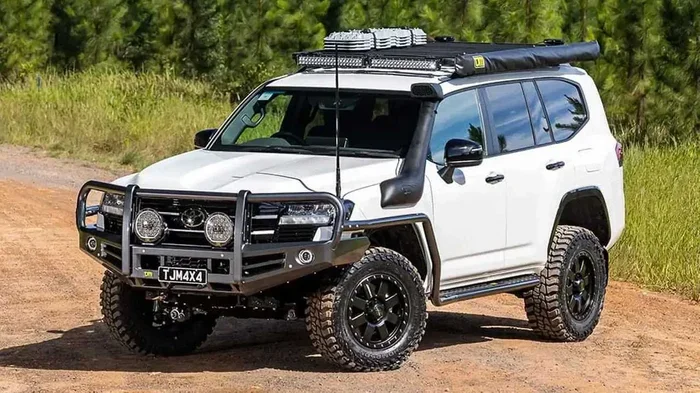
The Land Cruiser was built for the toughest terrains on Earth. Its off-road heritage is a huge part of its appeal. Unlike many SUVs that focus on on-road comfort, the Land Cruiser delivers genuine rock-crawling and trail-driving ability.
Adventure enthusiasts, overland travelers, and off-road hobbyists all gravitate toward the Land Cruiser. This dedicated following ensures a steady stream of interested buyers. The vehicle’s capability does not fade with age. A 10-year-old Land Cruiser can still handle trails that would defeat many newer competitors.
How the Land Cruiser Compares to Other SUVs
To truly understand the Land Cruiser’s value retention, it helps to compare it directly with rival SUVs. The numbers paint a clear picture of how this vehicle stands out from the crowd.
Depreciation Rate Comparison
Most new SUVs lose about 20% to 30% of their value in the first year. The Land Cruiser typically loses closer to 15% to 20%. Over five years, the gap widens significantly. While many competitors drop to 40% or 50% of their original price, the Land Cruiser often holds at 55% to 65%.
This slower depreciation means real money saved for owners. If you buy a Land Cruiser and sell it after five years, the financial hit is much smaller than with most SUVs. Over a 10-year ownership period, the savings can be substantial.
Competitor Breakdown
Let us look at how the Land Cruiser stacks up against some popular rivals. The Toyota Land Cruiser generally holds its value better than the Jeep Wrangler, the Ford Expedition, and the Chevrolet Tahoe. The Lexus LX, which shares the Land Cruiser’s platform, also holds value well but typically at a higher starting price point.
The Land Rover Defender is perhaps the closest competitor in terms of value retention. Both vehicles share a strong off-road reputation and dedicated fan bases. However, the Land Cruiser often edges ahead thanks to Toyota’s reputation for lower maintenance costs and greater long-term reliability.
Factors That Affect the Land Cruiser’s Value
While the Land Cruiser holds value well overall, several factors can influence exactly how much your specific vehicle retains. Understanding these factors helps you make smarter buying and ownership decisions.
Model Year and Generation
Not all Land Cruisers are created equal when it comes to value retention. Certain generations and model years are more sought after than others. The 2000s-era models, particularly the 2000 to 2007 range, have developed strong followings among enthusiasts. These older models often hold their value surprisingly well due to their proven reliability and classic design.
Newer models also benefit from modern features and updated technology. The latest generation Land Cruiser includes advanced safety systems and improved fuel efficiency. These upgrades can help maintain strong resale prices in the current market.
Trim Level and Options
Higher trims and well-equipped models tend to hold their value better. The Land Cruiser 250, for example, comes in several configurations. Models with additional features like premium audio, upgraded seating, and advanced driver assistance systems often command higher resale prices.
However, it is important to note that the Land Cruiser’s basic appeal remains strong across all trims. Even base models retain value impressively. The vehicle’s core strength is its reputation, and that reputation applies to every trim level.
Maintenance History and Condition
A well-maintained Land Cruiser will always fetch a higher price than one that has been neglected. Regular oil changes, timely repairs, and proper storage all contribute to a stronger resale value. Buyers on the used market look for complete service records and evidence of careful ownership.
Keeping your Land Cruiser in excellent condition also includes addressing cosmetic issues promptly. If you are considering protective measures, you might wonder, does vinyl wrap increase car value? The answer is yes, when done correctly. A quality vinyl wrap can protect the paint and keep the vehicle looking newer longer, which supports its resale price.
Tips to Maximize Your Land Cruiser’s Value
If you want to get the best possible price when it is time to sell, following a few proven strategies can make a real difference. These tips apply whether you own a Land Cruiser for three years or fifteen years.
Keep Up with Regular Maintenance
Stick to Toyota’s recommended service schedule without skipping appointments. Regular maintenance includes oil changes, tire rotations, brake inspections, and fluid replacements. A complete service history gives buyers confidence and justifies a higher asking price.
Using high-quality fluids and parts also matters. For example, does Mobil 1 really last 10,000 miles? Many Land Cruiser owners trust Mobil 1 synthetic oil for its proven performance and protection. Using trusted products helps keep the engine running strong and supports long-term value.
Address Issues Promptly
Do not ignore small problems. A minor noise or a slight vibration today can become a major repair bill tomorrow. Buyers on the used market will notice signs of neglect, and it will hurt your negotiating position. Addressing issues early keeps your Land Cruiser running smoothly and preserves its value.
Simple steps like replacing a worn serpentine belt can make a difference. Does your car run better with a new serpentine belt? Absolutely. A fresh belt ensures smooth engine operation and shows buyers that the vehicle has been cared for properly.
Keep Mileage Reasonable
While the Land Cruiser is built to handle high mileage, lower-mileage examples always command higher prices. If you have two vehicles to choose from, keeping the Land Cruiser as your secondary or occasional-use vehicle can help preserve its value over time.
That said, do not let the odometer fool you into avoiding a well-maintained higher-mileage example. A Land Cruiser with 200,000 miles and full service records can still be worth more than a neglected model with half those miles. Documentation matters more than numbers on a clock.
Store It Properly
If you live in a harsh climate, protecting your Land Cruiser from the elements is essential. Sun exposure, salt, and extreme temperatures all accelerate wear and aging. Parking in a garage or using a quality cover can preserve the exterior and interior condition significantly.
Climate-controlled storage is ideal for long-term parking. It prevents dashboard cracking, upholstery fading, and rubber component deterioration. These might seem like minor details, but they add up when it is time to sell.
The Used Land Cruiser Market Today
The current used SUV market has been favorable for Land Cruiser owners. Strong demand and limited supply have created a market environment that rewards well-maintained vehicles. Understanding the current market trends helps both buyers and sellers make informed decisions.
Pricing Trends and Demand
Used Land Cruiser prices have remained strong in recent years. The combination of reliability reputation, off-road capability, and limited production has created consistent demand. Even during periods of economic uncertainty, the Land Cruiser has shown remarkable price stability.
Enthusiast models and rare trims often appreciate rather than depreciate. Classic Land Cruisers from the 1980s and 1990s have become collector items in some markets. This appreciation trend adds another layer to the vehicle’s value proposition.
How to Find Your Land Cruiser’s Actual Cash Value
If you are considering buying or selling a Land Cruiser, knowing its current market value is essential. Resources like Kelley Blue Book, Edmunds, and NADA Guides provide valuable pricing data. You can also research completed sales on platforms like Autotrader and CarGurus to see what similar vehicles are actually selling for.
For the most accurate assessment, consider getting a professional appraisal. Understanding how do I find my car’s actual cash value involves looking at condition, mileage, service history, and local market conditions. A professional evaluation takes all these factors into account and gives you a realistic price expectation.
Import and Supply Considerations
The Land Cruiser’s value is also influenced by supply dynamics. In some markets, the vehicle is imported in limited numbers, which creates scarcity. This scarcity supports higher prices in the used market. When supply is tight and demand remains steady, values tend to hold or even increase.
Recent changes in Toyota’s global production strategy have also affected availability. Some markets have seen reduced allocations, which has strengthened the Land Cruiser’s position as a desirable and valuable vehicle. These supply factors are worth considering when making a purchase decision.
Is a Land Cruiser a Smart Long-Term Investment?
When you look at the full picture, the Toyota Land Cruiser emerges as one of the strongest value-retention vehicles in the SUV segment. Its combination of reliability, capability, and brand prestige creates a unique value proposition that few competitors can match.
For buyers who plan to own a vehicle for many years, the Land Cruiser offers excellent cost-of-ownership value. The slower depreciation means you lose less money over time. The low maintenance costs mean you spend less on repairs. And the strong resale value means you recover more when it is time to move on to your next vehicle.
The Land Cruiser is not just a vehicle. It is a smart financial decision wrapped in a legendary off-road machine. Whether you use it for daily commuting, weekend adventures, or serious overland expeditions, this SUV delivers on every front. Does the Toyota Land Cruiser hold its value? The data, the market trends, and the owner experiences all point to the same answer: yes, and then some.
Buying a Land Cruiser means joining a community of passionate owners who understand the value of quality, durability, and smart choices. The vehicle’s reputation continues to grow with each passing year. As more buyers discover the Land Cruiser’s unique combination of capability and value retention, its position as an automotive icon only strengthens.
If you are in the market for a vehicle that will serve you well for years and lose value slowly, the Toyota Land Cruiser deserves serious consideration. It is a vehicle that pays you back in reliability, adventure, and financial sense. Few investments in the automotive world deliver such consistent and satisfying returns.
Frequently Asked Questions
Why does the Toyota Land Cruiser hold its value so well?
The Land Cruiser holds its value due to its legendary reliability, strong brand reputation, off-road capability, and limited supply in many markets. These factors create consistent demand among used buyers, which keeps resale prices high compared to most competitors.
How fast does a Land Cruiser depreciate compared to other SUVs?
The Land Cruiser depreciates slower than most SUVs. While many competitors lose 40% to 50% of their value over five years, the Land Cruiser typically retains 55% to 65%. This slower depreciation rate translates into real savings for owners over the long term.
What is the best way to maintain a Land Cruiser’s value?
Follow Toyota’s recommended maintenance schedule, keep detailed service records, address issues promptly, and store the vehicle properly. A complete maintenance history and excellent cosmetic condition are the two biggest factors that influence resale price.
Are older Land Cruisers still a good investment for value retention?
Yes, older Land Cruisers from the 2000s and earlier generations often hold their value remarkably well. These models have developed strong followings among enthusiasts and are valued for their proven reliability and simpler, more durable engineering.
Does the Land Cruiser’s off-road capability affect its resale value?
Absolutely. The Land Cruiser’s legendary off-road ability creates a dedicated buyer pool that includes overland enthusiasts, adventure travelers, and off-road hobbyists. This passionate demand helps support strong resale prices even as the vehicle ages.
Is it better to buy a Land Cruiser new or used for value retention?
Buying used often provides the best value retention strategy. The steepest depreciation happens in the first few years of ownership. By purchasing a 2 to 3-year-old Land Cruiser, you avoid the biggest value drop and still enjoy years of reliable ownership with strong resale potential.