Does Your Car Run Better With a New Serpentine Belt
Does your car run better with a new serpentine belt? The answer is a clear yes. A fresh serpentine belt restores power to your engine accessories, smooths out rough idling, and can even improve fuel economy. Replacing a worn drive belt is one of the simplest and most affordable car maintenance tasks you can do. In this guide, we walk you through everything you need to know about serpentine belt replacement, from warning signs to real-world benefits.
Your car depends on a single long rubber belt to keep everything running smoothly. That belt is the serpentine belt. It winds through dozens of pulleys and powers critical components like your alternator, power steering pump, water pump, and air conditioning compressor. When that belt wears out, your car suffers. Many drivers ask, “Does your car run better with a new serpentine belt?” The short answer is absolutely yes. A fresh belt transforms how your engine accessories perform.
In this article, we will cover everything you need to know about serpentine belts. You will learn how they work, what happens when they wear out, and whether replacing yours is worth the cost. We also share practical tips for inspection, replacement, and maintenance. By the end, you will know exactly when to swap out your old belt and how to get the best results.
Key Takeaways
- A new serpentine belt improves engine performance: Fresh belts deliver consistent power to all engine accessories.
- Watch for warning signs: Squealing, cracking, and glazing are clear signals your belt needs attention.
- Replacement is affordable: Most serpentine belt replacements cost between $50 and $150 including parts and labor.
- DIY is possible: With basic tools and a belt routing diagram, many car owners can swap the belt themselves.
- Regular inspection extends belt life: Simple visual checks every few months can prevent unexpected breakdowns.
- Fuel efficiency improves: A properly tensioned new belt reduces drag and helps your engine run more efficiently.
- Belt life averages 50,000 to 100,000 miles: Driving conditions and maintenance habits affect how long your belt lasts.
📑 Table of Contents
- What Does a Serpentine Belt Do?
- Signs Your Serpentine Belt Needs Replacement
- Does Your Car Run Better With a New Serpentine Belt?
- How Often Should You Replace the Serpentine Belt?
- The Cost of Serpentine Belt Replacement
- Quick Tips for Serpentine Belt Maintenance
- Common Mistakes to Avoid
- Expert Insights on Serpentine Belt Health
- Frequently Asked Questions About Serpentine Belts
- Conclusion
What Does a Serpentine Belt Do?
The Role of the Serpentine Belt in Your Engine
The serpentine belt is the backbone of your engine’s accessory drive system. Unlike older cars that used multiple V-belts, modern vehicles use one continuous belt that snakes through several pulleys. This design is more efficient and easier to maintain. The belt transfers rotational force from the crankshaft pulley to every engine accessory that needs it.
Without a working serpentine belt, your car would lose power steering, the alternator would stop charging the battery, and the water pump would cease circulating coolant. In short, a failed belt can leave you stranded. That is why understanding serpentine belt replacement matters for every car owner.
Components Powered by the Serpentine Belt
Your serpentine belt connects to several essential engine components. Here is a quick look at what it powers:
- Alternator: Generates electricity to charge the battery and power electrical systems.
- Power steering pump: Provides hydraulic pressure for easy steering.
- Water pump: Circulates coolant through the engine to prevent overheating.
- Air conditioning compressor: Powers the AC system to keep you cool.
- Air pump (on some models): Helps reduce emissions in certain engines.
As you can see, one belt handles a lot of responsibility. When it starts to fail, multiple systems feel the impact.
Signs Your Serpentine Belt Needs Replacement
Visible Wear and Tear
The easiest way to check your serpentine belt is to look at it. Open the hood and locate the belt. Run your fingers along its surface. A healthy belt feels firm and has a smooth texture. Here are common signs of wear:
- Cracking: Fine cracks across the ribbed surface indicate the rubber is drying out and aging.
- Glazing: A shiny, slick appearance means the belt has overheated and lost its grip.
- Fraying: Frayed edges or missing chunks of rubber are serious red flags.
- Contamination: Oil or coolant stains on the belt mean a nearby component is leaking and needs repair.
Catching these signs early prevents sudden belt failure. Most drivers should inspect their belt every oil change or at least every few months.
Strange Noises From the Engine
One of the most obvious serpentine belt symptoms is noise. A worn belt often produces squealing sounds, especially when you start the engine or turn the steering wheel sharply. The squeal happens because the belt slips on the pulleys instead of gripping them properly.
Some drivers also hear chirping or rattling noises. These sounds usually point to a loose belt tensioner or a misaligned pulley. Ignoring these noises can lead to complete belt failure, which leaves you stuck on the side of the road.
Other Warning Signs to Watch For
Beyond noise and visual damage, there are other clues that your belt is wearing out:
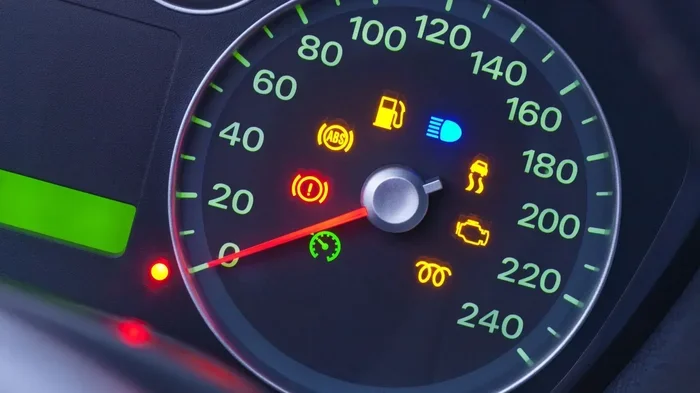
- Battery warning light: A slipping belt can cause the alternator to undercharge the battery.
- Overheating engine: If the water pump stops working, your temperature gauge may rise quickly.
- Hard steering: A failing power steering pump makes the steering wheel feel heavy.
- AC stops blowing cold air: The compressor needs the belt to function properly.
Do not ignore any of these symptoms. They all point back to the accessory drive system and your serpentine belt.
Does Your Car Run Better With a New Serpentine Belt?
Improved Engine Performance After Replacement
The short answer to “Does your car run better with a new serpentine belt?” is yes, and the improvement can be noticeable. A worn belt slips on pulleys, which means your accessories do not receive full power. After serpentine belt replacement, every component operates at peak efficiency. Your alternator charges properly, your power steering responds smoothly, and your water pump circulates coolant effectively.
Many drivers report that their engine feels smoother and more responsive after a new belt install. The difference is especially noticeable in older vehicles with high-mileage serpentine belts. If your car has been running rough or accessories seem weak, a fresh belt might be all it needs.
Fuel Efficiency Gains
Here is a benefit many people overlook: a new serpentine belt can improve your fuel economy. A worn belt creates extra drag on the engine. The engine has to work harder to overcome that resistance. Over time, this wasted energy reduces your miles per gallon.
Studies and real-world testing show that replacing old, glazed belts can improve fuel efficiency by a small but meaningful margin. While you will not see a dramatic jump in gas mileage, every little bit helps. Combined with other maintenance habits like regular oil changes and proper tire pressure, a new belt contributes to overall engine health.
Quieter and Smoother Operation
A fresh belt eliminates squealing and chirping noises that plague old belts. The new rubber grips the pulleys cleanly, which means no slipping and no noise. Your drives feel calmer and more refined. This is a small detail that makes a big difference in your daily driving experience.
How Often Should You Replace the Serpentine Belt?
Average Belt Lifespan
Most serpentine belts last between 50,000 and 100,000 miles. The exact lifespan depends on the belt material, driving conditions, and how well you maintain your vehicle. Modern EPDM (ethylene propylene diene monomer) belts tend to last longer than older neoprene belts. Check your owner’s manual for the manufacturer’s recommended replacement interval.
Even if the belt looks fine, consider replacing it as part of your regular car maintenance schedule. Belts can fail suddenly without much warning. Staying ahead of the replacement window keeps you safe and avoids costly towing bills.
Factors That Shorten Belt Life
Several factors can cause your serpentine belt to wear out faster than expected:
- Extreme heat: Hot climates and frequent towing stress the rubber and accelerate cracking.
- Oil or coolant leaks: Fluid contamination breaks down the belt material quickly.
- Misaligned pulleys: When pulleys are out of alignment, the belt wears unevenly.
- Bad belt tensioner: A tensioner that does not maintain proper belt tension causes premature wear.
- Frequent short trips: Stop-and-go driving creates more stress on the belt than steady highway cruising.
If any of these apply to your driving habits, inspect your belt more frequently. Early detection saves money and prevents breakdowns.
The Cost of Serpentine Belt Replacement
DIY vs. Professional Replacement
One of the best things about serpentine belt replacement is the low cost. Parts typically range from $15 to $50. If you take your car to a mechanic, labor adds another $50 to $150 depending on your location and vehicle model. The total serpentine belt cost usually falls between $70 and $200.
For handy car owners, DIY serpentine belt replacement is very doable. You just need a socket wrench, a belt routing diagram (usually found under the hood or in the owner’s manual), and about 30 minutes of time. Always follow the correct belt routing to avoid damaging any components.
What to Expect at the Mechanic
If you choose professional service, the process is quick and straightforward. The mechanic will inspect the belt and tensioner, remove the old belt, install the new one, and adjust the tension. Most shops complete the job in under an hour. Many also recommend inspecting the belt tensioner and idler pulleys at the same time since these parts wear out alongside the belt.
Replacing the tensioner along with the belt is a smart move. A weak tensioner can ruin a new belt quickly. It is worth the extra investment to do both at once.
Quick Tips for Serpentine Belt Maintenance
Keeping your serpentine belt in great shape does not require a lot of effort. Follow these simple tips:
- Inspect the belt regularly: Look for cracks, glazing, and fraying at least once a month.
- Check belt tension: A belt that feels loose needs adjustment or a new tensioner.
- Keep the engine bay clean: Dirt and debris can accelerate belt wear. Wipe away grime gently.
- Fix fluid leaks promptly: Oil and coolant destroy serpentine belts fast. Address leaks right away.
- Replace the tensioner when you replace the belt: This ensures optimal performance and extends the life of your new belt.
- Listen for unusual sounds: Squealing or chirping means the belt needs attention immediately.
These small habits add up to big savings. A well-maintained serpentine belt keeps your car running strong for years.
Common Mistakes to Avoid
Even with good intentions, some car owners make mistakes when dealing with serpentine belts. Here are the most common ones:
- Ignoring small cracks: Minor cracks are normal on older belts, but they should not be ignored. They progress quickly into serious damage.
- Over-tightening the belt: Too much tension strains the bearings in your alternator and water pump, leading to premature failure of those parts.
- Using the wrong belt: Not all serpentine belts are the same. Always match the belt length, rib count, and material to your vehicle specifications.
- Skipping the tensioner inspection: A new belt on a bad tensioner will fail quickly. Always check the tensioner before installing a new belt.
- Delaying replacement: Waiting too long to replace a worn belt risks sudden failure and potential engine damage from overheating.
Avoiding these mistakes keeps your serpentine belt replacement experience smooth and your car running reliably.
Expert Insights on Serpentine Belt Health
Automotive technicians agree that the serpentine belt is one of the most overlooked yet critical components in your engine bay. Many drivers only think about their belt when it breaks. Proactive inspection and timely replacement save money and prevent roadside emergencies.
Experts recommend treating serpentine belt replacement as part of your routine car maintenance schedule, not as an emergency repair. A new belt costs very little compared to the damage a broken belt can cause. Overheating, alternator failure, and power steering loss are all real risks of a neglected belt.
When in doubt, ask your mechanic to inspect the belt during every oil change. Most professionals will do this at no extra charge. It takes seconds and gives you peace of mind.
Frequently Asked Questions About Serpentine Belts
Many drivers have questions about serpentine belts and how they affect vehicle performance. Here are answers to the most common ones.
How do I know if my serpentine belt is worn?
Look for visible cracks, glazing, fraying, or contamination on the belt surface. Listen for squealing noises when you start the engine or turn the steering wheel. If you notice any of these serpentine belt symptoms, have the belt inspected or replaced soon.
Can I drive with a bad serpentine belt?
It is not recommended. A failing belt can snap suddenly, causing loss of power steering, alternator failure, and engine overheating. Driving with a bad belt risks leaving you stranded and potentially causing expensive engine damage.
How long does serpentine belt replacement take?
A professional mechanic usually completes the job in 30 to 60 minutes. DIY replacement takes a similar amount of time if you have the right tools and a belt routing diagram. It is one of the quickest and easiest repairs you can do.
What happens if the serpentine belt breaks while driving?
A broken belt disables multiple engine accessories at once. You will likely lose power steering, the battery will stop charging, the AC will stop working, and the water pump will cease circulating coolant. Pull over safely and call for roadside assistance.
Does a new serpentine belt improve engine performance?
Yes, replacing a worn serpentine belt with a new one restores proper power delivery to all engine accessories. You may notice smoother operation, better fuel efficiency, and quieter running. The improvement is especially noticeable in vehicles with old or degraded belts.
How much does it cost to replace a serpentine belt?
The total serpentine belt cost ranges from about $70 to $200, including parts and labor. DIY replacement can be even cheaper, with parts alone costing $15 to $50. Always ask your mechanic to inspect the tensioner and idler pulleys during replacement.
Conclusion
The answer to “Does your car run better with a new serpentine belt?” is a resounding yes. A fresh serpentine belt restores power, improves fuel efficiency, eliminates annoying noises, and keeps all your engine accessories working at their best. The cost is low, the process is simple, and the benefits are immediate.
Do not wait for your belt to fail before you pay attention to it. Regular inspection, timely replacement, and proper maintenance go a long way in keeping your car running smoothly. Whether you handle serpentine belt replacement yourself or visit a mechanic, the investment is well worth it. Your car will thank you with better performance, improved reliability, and fewer unexpected repairs. Take care of your serpentine belt today, and your car will reward you for miles to come.