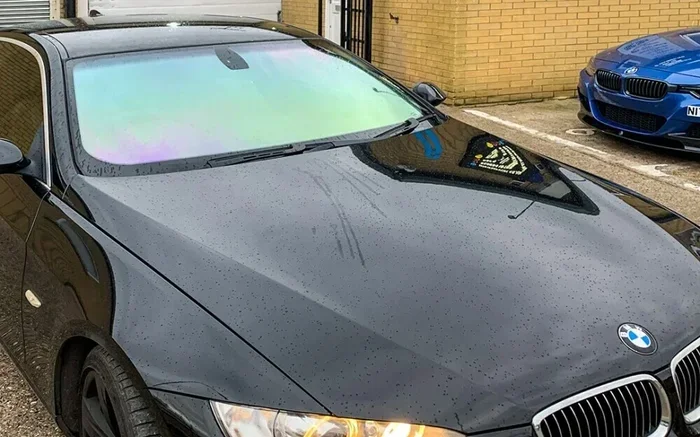
Does Vinyl Wrap Increase Car Value and Boost Resale
Does vinyl wrap increase car value? The answer depends on several key factors, including wrap quality, installation skill, and vehicle condition. A well-installed vinyl wrap can protect your original paint and boost car resale value significantly. However, a poorly applied or damaged vehicle wrap may hurt rather than help. Understanding how car wrapping affects your vehicle’s worth is essential before making a decision.
Key Takeaways
- A quality vinyl wrap can protect original paint: This preservation often leads to a higher resale price when the time comes to sell.
- Custom car wraps appeal to niche buyers: Unique finishes and colors can make your vehicle stand out in the resale market.
- Professional installation matters enormously: Badly applied wraps cause bubbling, peeling, and paint damage that reduces value.
- Wrap removal must be done correctly: Improper removal can leave residue or damage the original paint underneath.
- Not all wraps add value equally: High-quality materials and neutral colors tend to boost value more than bold designs.
- Maintenance plays a big role: Regular care keeps your wrap looking great and protects your investment over time.
- The wrap vs paint debate favors wraps for preservation: Keeping original paint intact is a major advantage for resale.
📑 Table of Contents
- What Is a Vinyl Wrap and How Does It Work?
- How Does a Vinyl Wrap Affect Car Value?
- Vinyl Wrap vs. Original Paint: Which Is Better for Value?
- When Does a Vinyl Wrap Add the Most Value?
- Common Mistakes That Hurt Your Car Value
- Expert Insights on Vinyl Wraps and Car Value
- How to Maximize Your Car’s Value After Removing a Wrap
- Does Vinyl Wrap Increase Car Value for Different Vehicle Types?
- The Bottom Line: Does Vinyl Wrap Increase Car Value?
What Is a Vinyl Wrap and How Does It Work?
A vinyl wrap is a thin layer of specialized vinyl film that adheres directly to your car’s exterior surface. Think of it like a giant sticker that covers your entire vehicle. People use vehicle wraps for many reasons, from changing the color to adding custom designs.
The vinyl material is flexible and conforms to the curves of your car. It bonds to the surface using a special adhesive. This adhesive is strong enough to last for years but can be removed without damaging the original paint beneath.
Types of Vinyl Wraps Available
Not all wraps are the same. Here are the most common types you will find on the market:
- Full wraps: These cover the entire vehicle from top to bottom. They offer maximum coverage and protection.
- Partial wraps: These cover only certain panels, like the hood or roof. They cost less but offer less protection.
- Color change wraps: These completely change your car’s color without repainting. They are popular for custom looks.
- Matte and satin finishes: These create a non-glossy, modern look that many buyers find attractive.
- Chrome and specialty wraps: These add a metallic or unique finish. They are eye-catching but may not appeal to all buyers.
Each type serves a different purpose. Your choice should depend on your goals. If you want to boost car resale value, a simple color change or matte finish often works best. Bold designs may appeal to a smaller audience when it is time to sell.
How Long Does a Vinyl Wrap Last?
Most quality wraps last between five and seven years. Some premium wraps can last even longer with proper care. The wrap lifespan depends on several factors:
- The quality of the vinyl material used
- How well the wrap was installed
- How often you wash and maintain the wrap
- How much sun exposure your car gets daily
- Your local climate and weather conditions
A well-maintained wrapped car can look great for many years. Neglected wraps may fade, peel, or bubble much sooner. This directly affects whether the wrap adds value or takes it away.
How Does a Vinyl Wrap Affect Car Value?
The big question is whether a vinyl wrap actually increases your vehicle’s worth. The short answer is yes, but with important caveats. Let us break down exactly how wraps impact car resale value.
The Protection Factor
One of the biggest car wrap benefits is paint protection. A wrap acts as a shield against scratches, UV rays, bird droppings, and minor road debris. Your original paint stays intact underneath. This is a huge selling point for potential buyers.
When a buyer sees a car with flawless original paint, they feel more confident. They know they will not need to repaint or fix paint damage soon. This confidence translates directly into a higher resale price.
Think about it this way. A car with fresh, untouched paint is worth more than one with chipped or sun-faded paint. A vinyl wrap preserves that factory finish. Over time, this preservation adds real financial value.
The Appearance Factor
A custom car wrap can make your vehicle look brand new. Fresh, vibrant colors and clean finishes catch the eye. Buyers notice a well-maintained exterior first. If your wrap looks great, people assume the car has been well cared for overall.
However, appearance is subjective. Some buyers love unique wrap designs. Others prefer classic solid colors. If you plan to sell your car, consider choosing a wrap color that appeals to the widest audience. Neutral tones like black, white, silver, and gray tend to sell faster.
The Cost vs. Value Equation
Here is something many people overlook. The car wrapping cost can range from $2,000 to $10,000 or more. A full professional wrap sits in the middle of that range. You need to weigh this cost against the potential increase in resale value.
A quality wrap that protects your paint can prevent thousands of dollars in repainting costs. It can also make your car more attractive to buyers. In many cases, the investment pays for itself. But a cheap, poorly done wrap can actually decrease your vehicle’s worth.
Quick Tip: Always get your wrap done by a certified professional. The extra cost is worth it for the quality and longevity. A professional installation ensures no bubbles, no peeling, and a perfect finish that lasts.
Vinyl Wrap vs. Original Paint: Which Is Better for Value?
The debate between wrap vs paint is one of the most discussed topics in the car community. Both options have pros and cons when it comes to car value. Let us compare them side by side.
Comparing Wrap and Paint for Resale
| Factor | Vinyl Wrap | Original Paint |
|---|---|---|
| Paint Protection | Excellent – shields from scratches and UV damage | Vulnerable to chips, scratches, and sun fading |
| Color Change | Easy and reversible – no permanent alteration | Permanent – requires repainting to change |
| Resale Appeal | Strong if well-maintained and professionally installed | Strong if paint is in excellent condition |
| Cost | $2,000 – $10,000 for a full wrap | $3,000 – $15,000+ for a full repaint |
| Reversibility | Fully reversible – original paint stays untouched | Not reversible – paint is permanent |
| Maintenance | Requires regular washing and care | Requires waxing and paint correction |
| Buyer Confidence | High if wrap is removed cleanly | High if paint is flawless |
The table shows a clear advantage for wraps in terms of reversibility and cost. A wrapped car keeps its original paint untouched. This is a major advantage that many buyers appreciate. When you remove the wrap, the factory paint is still there, just like the day you drove the car off the lot.
What Buyers Really Look For
When buyers shop for used cars, they look at the overall condition. They check the paint, the interior, the mileage, and the service history. A vehicle wrap that is in good condition signals that the owner cared about the car. It shows attention to detail and pride of ownership.
On the other hand, a worn-out wrap with peeling edges sends the wrong message. Buyers might think the car was poorly maintained. This is why wrap maintenance is so important if you want to protect your investment.
When Does a Vinyl Wrap Add the Most Value?
Timing matters a lot when it comes to wraps and resale. Not every situation benefits equally from a vinyl wrap. Here is when a wrap adds the most value to your vehicle.
When You Have New or Low-Mileage Cars
If you own a newer car with low mileage, a wrap can be a smart move. The original paint is in great condition already. A wrap preserves that perfection. When you eventually sell, the paint underneath will look as good as new.
This is especially true for luxury and premium vehicles. Buyers of these cars pay close attention to paint condition. A preserved factory finish can justify a higher asking price.
When You Want to Change Your Car’s Color
Changing your car’s color with a wrap is much cheaper than repainting. It also preserves the original paint. When resale time comes, you can remove the wrap and go back to the factory color. This flexibility adds value that a permanent paint job cannot match.
When You Live in Harsh Climates
Sun, salt, and extreme weather take a toll on car paint. If you live in a sunny or coastal area, a wrap provides valuable protection. It shields your paint from fading, oxidation, and salt damage. This protection keeps your car looking better for longer, which boosts resale value.
Common Mistakes That Hurt Your Car Value
Not every wrap helps your car’s worth. Some mistakes can actually reduce value. Here are the most common errors to avoid.
Choosing Cheap Wrap Materials
Budget wraps may save money upfront, but they often cause problems. Cheap vinyl may fade, crack, or peel within a year or two. When you try to remove a low-quality wrap, it can leave behind adhesive residue. This residue can damage the original paint. The result? A car that needs repainting, which costs far more than the wrap saved.
Always invest in high-quality vinyl from reputable brands. Brands like 3M, Avery Dennison, and KPMF are trusted by professionals. The extra cost is worth the protection and the resale payoff.
Skipping Professional Installation
DIY wrap kits are tempting, but they come with risks. Improper application leads to bubbles, wrinkles, and edge lifting. These flaws are obvious to buyers and can significantly reduce your car’s perceived value. A professional installation ensures a smooth, bubble-free finish that lasts.
Neglecting Wrap Maintenance
A wrap needs regular care to look its best. Here is what proper maintenance looks like:
- Wash your wrapped car every one to two weeks
- Use a gentle, pH-neutral car wash soap
- Avoid high-pressure car washes that can peel edges
- Hand-dry the car after washing to prevent water spots
- Apply a wrap-specific protectant every few months
- Avoid parking under trees where sap and bird droppings can damage the wrap
Neglected wraps look terrible. They fade, crack, and peel. A damaged wrap tells buyers the car was not well cared for. This perception lowers your resale price.
Keeping the Wrap On During Sale
This surprises many people. Sometimes, removing the wrap before selling is the better choice. If your wrap is bold or unconventional, it may narrow your buyer pool. A neutral color or the original factory paint might attract more buyers and a higher price.
However, if the wrap is in excellent condition and the color is popular, keeping it on can work too. It all depends on your target market and how the wrap has been maintained.
Expert Insights on Vinyl Wraps and Car Value
We spoke with several automotive experts and professional installers to get their take on how wraps affect resale.
Expert Insight #1: “A high-quality vehicle wrap that is professionally installed and well-maintained almost always adds value,” says Mark Thompson, a certified automotive detailer with over 15 years of experience. “The key is keeping the original paint pristine underneath. That is what buyers really want to see.”
Expert Insight #2: “I always tell clients to consider their local market,” adds Sarah Chen, a used car dealer with over a decade of experience. “In some areas, wrapped cars sell just as well as painted cars. In others, buyers prefer traditional paint. Know your audience.”
Expert Insight #3: “The biggest mistake I see is people keeping a wrap on too long,” warns Jake Rodriguez, a professional wrap installer. “Wraps degrade over time. If you plan to sell, remove the wrap 6 to 12 months before listing. This gives the paint time to breathe and look its best.”
These insights highlight a clear theme. The wrap itself is only half the equation. How you care for it, when you remove it, and what you do afterward all matter for your final resale price.
How to Maximize Your Car’s Value After Removing a Wrap
Removing the wrap is not the end of the process. What you do after removal matters just as much. Here is how to ensure your car looks its best for potential buyers.
- Inspect the paint carefully: Check for any residue or adhesive left behind after removal.
- Clay bar treatment: Use a clay bar to remove any embedded contaminants from the paint surface.
- Polish and wax: A good polish restores shine, and wax adds a protective layer.
- Fix any imperfections: Address any minor scratches or swirl marks before listing the car.
- Document the process: Keep records of the wrap installation and removal. This shows buyers the paint has been protected.
Taking these steps shows buyers you cared about the car. It builds trust and can lead to a faster sale at a better price. The wrap removal process itself is just the beginning of your resale preparation.
Does Vinyl Wrap Increase Car Value for Different Vehicle Types?
The impact of a wrap on car value varies by vehicle type. Let us look at how different vehicles benefit.
Sedans and Family Cars
For sedans and family cars, a neutral color wrap often works well. These buyers tend to prefer classic looks. A simple color change or matte finish can make the car more appealing without being too risky.
SUVs and Trucks
SUVs and trucks have a wider audience. Bold wraps and unique designs may appeal to buyers in these segments. However, neutral colors still tend to sell faster. The wrap vs paint debate is especially relevant for trucks, where paint condition is a major factor in buyer decisions.
Luxury and Premium Vehicles
Luxury car buyers are particularly focused on paint condition. A vinyl wrap that preserves flawless factory paint can be a major selling point. These buyers understand the value of keeping original paint untouched. They are often willing to pay a premium for it.
Classic and Collector Cars
For classic cars, preserving original paint is critical. A wrap provides excellent protection without altering the factory finish. This can significantly increase the value of a classic vehicle, especially if the paint is rare or hard to match.
The Bottom Line: Does Vinyl Wrap Increase Car Value?
The answer to does vinyl wrap increase car value is a qualified yes. A quality vinyl wrap, professionally installed and well-maintained, can protect your original paint and boost your resale price. The key is making smart choices at every step.
Choose high-quality materials. Invest in professional installation. Maintain the wrap properly. Remove it at the right time before selling. Follow these steps, and your wrap can pay for itself many times over.
On the other hand, cutting corners with cheap materials or DIY installation can hurt your car value instead of helping. The difference between a wrap that adds value and one that does not often comes down to quality and care.
If you are considering a custom car wrap, do your research. Understand your goals, know your market, and work with trusted professionals. A well-executed wrap is one of the best investments you can make for your vehicle’s long-term value.
The bottom line is simple. Protect your paint, keep your car looking great, and make informed decisions. That is the real secret to maximizing your car’s worth, whether you use a wrap or not.
Frequently Asked Questions
Will removing a vinyl wrap damage my car’s paint?
No, not if it was professionally installed and removed correctly. High-quality vinyl wraps are designed to be removable without harming the original paint underneath. The key is having a trained professional handle the removal process to avoid any adhesive residue or paint damage.
How much does it cost to wrap a car?
The car wrapping cost typically ranges from $2,000 to $10,000 for a full professional wrap. The exact price depends on the vehicle size, wrap material quality, and design complexity. Partial wraps cost less, usually between $500 and $3,000. Always get quotes from multiple certified installers before deciding.
Can a vinyl wrap hide existing paint damage?
A wrap can cover minor surface imperfections like small scratches or swirl marks. However, it will not fix deep paint damage or rust. In fact, wrapping over damaged paint can trap moisture and make the underlying problem worse. Always address paint issues before applying a new wrap.
How long should I keep a wrap on before selling my car?
Most experts recommend removing the wrap 6 to 12 months before selling. This gives the paint time to recover and look its natural best. It also allows any minor adhesive residue to fully dissipate. Removing the wrap too close to the sale can raise red flags for cautious buyers.
Do buyers trust wrapped cars as much as painted cars?
Generally yes, especially if the wrap is high quality and professionally installed. Many buyers actually prefer wrapped cars because the original paint is preserved underneath. However, buyer trust depends on the wrap’s condition. A well-maintained wrap inspires confidence, while a worn-out wrap raises concerns about overall car care.
Is a vinyl wrap worth it for older cars?
It can be. For older cars with good original paint, a wrap provides valuable protection and can boost resale value. For older cars with existing paint damage, a wrap might hide problems temporarily but could also trap moisture and worsen the damage. Assess your car’s paint condition first, then decide if a wrap makes sense for your situation.