Do Touch-Up Paint Pens Work or Just a Waste of Money
Touch-up paint pens can work surprisingly well for minor chips, scratches, and scuffs when you pick the right product and follow the steps correctly. They are not a magic fix for deep damage, but for everyday wear and tear, they offer a fast, affordable way to protect your car from rust and keep it looking sharp. This guide breaks down exactly when they work, when they don’t, and how to get the best results.
You are driving down the road, minding your own business, when you spot it. A tiny chip on your hood from a pebble. A fresh scratch on your door from a shopping cart. Your first thought is probably, “Do touch-up paint pens actually work?”
It is a fair question. We have all seen those little bottles and pens at the auto parts store and wondered if they are worth grabbing. The internet is full of mixed opinions. Some people swear by them. Others say they are a waste of money that just makes things worse. So what is the truth?
The short answer is yes, touch-up paint pens do work. But they work best for specific types of damage. They are not a miracle cure for every scratch and chip your car might get. When used correctly, with the right product and a bit of patience, they can fix minor damage, prevent rust, and keep your car looking great. When used incorrectly, they can leave a messy, obvious blob that draws more attention than the original scratch ever did.
In this guide, we are going to cover everything you need to know. We will talk about how they work, when they are the right choice, when they are not, and how to get the best possible result. Whether you are dealing with a small rock chip on your hood or a scratch from a keys attack, this article will help you decide if a touch-up paint pen is the right move for you.
Key Takeaways
- They work for small damage: Touch-up paint pens handle chips, surface scratches, and scuffs effectively when matched correctly to your car’s paint code.
- They are not for deep gouges: Pens cannot fix deep dents or damage that reaches bare metal layers without primer and professional blending.
- Paint matching is critical: Using the wrong color or finish will make the repair more visible, not less.
- Preparation makes or breaks the result: Cleaning, sanding, and priming the area properly before applying paint leads to dramatically better outcomes.
- They save money over time: A single pen costs a fraction of a professional repair, and they prevent rust from spreading.
- Not all brands are equal: Quality varies widely, and choosing a reputable brand with proper color codes improves success rates.
- They work best as preventive maintenance: Touching up chips early stops rust before it starts, preserving your car’s value and appearance.
📑 Table of Contents
- What Exactly Is a Touch-Up Paint Pen?
- When Do Touch-Up Paint Pens Actually Work?
- How to Get the Best Results With a Paint Pen
- Quick Tips for Better Touch-Up Results
- Common Mistakes That Make Touch-Up Jobs Fail
- Comparison: Touch-Up Paint Pens vs. Professional Repair
- Expert Insights on Touch-Up Paint Pens
- Do Touch-Up Paint Pens Work for Different Car Brands?
- How to Choose the Right Touch-Up Paint Pen
- The Hidden Benefit: Preventing Rust Before It Starts
- How Long Do Touch-Up Paint Pen Results Last?
- Do Touch-Up Paint Pens Work? The Final Verdict
What Exactly Is a Touch-Up Paint Pen?
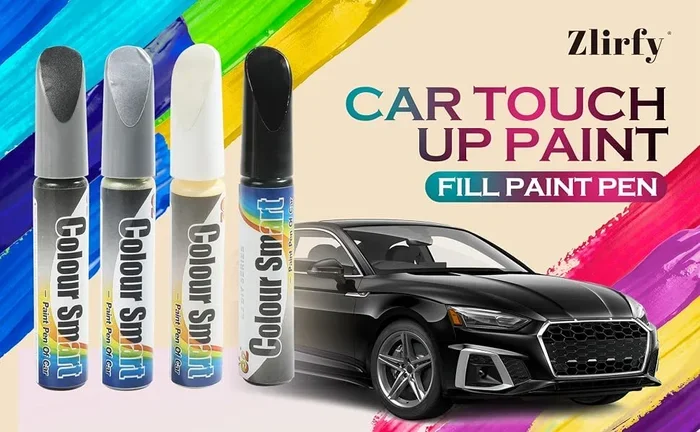
A touch-up paint pen is a small, pen-shaped container filled with automotive paint. It is designed to match the factory color of your specific vehicle. You apply it directly to chips, scratches, and scuffs on your car’s paint surface. Most pens come with a small brush or applicator tip built into the cap.
These pens are different from spray cans or full touch-up kits. They are compact, easy to store in your glove box, and ready to use on the go. You do not need special tools or a garage. Just clean the area, apply the paint, and let it dry.
How They Are Made
Auto manufacturers use specific paint formulas for each model year and color. Touch-up pen companies try to replicate these formulas as closely as possible. The best brands use actual factory paint codes to match your car’s exact color. This means the pen should blend in with your existing paint when applied correctly.
Most pens contain two components. The first is the colored paint that matches your car. The second is sometimes a clear coat layer that goes on top for protection and shine. Some pens include both in one package, while others sell them separately.
When Do Touch-Up Paint Pens Actually Work?
This is where most people get confused. Touch-up pens are not a one-size-fits-all solution. They work great for certain types of damage and not so great for others. Let us break it down.
Types of Damage They Handle Well
Paint pens work well for:
- Small rock chips: Those tiny dots on your hood and fenders from road debris. These are the perfect use case for a touch-up pen.
- Surface scratches: Scuffs that have not cut through the clear coat. A pen can fill these in and make them much less visible.
- Minor paint chips from parking lot dings: Doorknobs, shopping carts, and low branches can all cause small chips that a pen fixes easily.
- Preventing rust: This is a huge benefit. When you cover a chip or scratch quickly, you seal out moisture and stop rust from forming underneath.
- Edge chips: The small chips that appear along the edges of panels where paint is thinnest.
Types of Damage They Cannot Fix
Touch-up pens are not the right choice for:
- Deep scratches that reach bare metal: If the scratch goes through the primer and into the metal, you need more than just paint. You need primer first, and often professional blending.
- Large areas of damage: Pens are designed for small spots. Trying to cover a big area with a pen looks patchy and uneven.
- Deep dents: A paint pen cannot fix a dent. It only addresses the paint layer, not the metal underneath.
- Damage on curved or textured surfaces: Some car panels have textures or contours that make pen application difficult and obvious.
How to Get the Best Results With a Paint Pen
The difference between a good touch-up job and a bad one usually comes down to preparation. Most people skip steps and wonder why the paint looks terrible. Here is how to do it right.
Step 1: Find Your Paint Code
Every car has a paint code, usually found on a sticker inside the driver’s door jamb or in the owner’s manual. Write this code down and use it to order the correct pen. Using the wrong color is the number one mistake people make. Even a slight shade difference will be visible, especially in sunlight.
Step 2: Clean the Area Thoroughly
Before you touch anything, wash the damaged area with soap and water. Remove all dirt, wax, and grease. Use a rubbing alcohol wipe to degrease the spot completely. Any contamination on the surface will prevent the paint from sticking properly.
Step 3: Sand Lightly If Needed
For chips and scratches that have rough edges, use a very fine sandpaper (around 2000 grit) to smooth them out. Do not sand the surrounding paint. Just focus on the damaged spot. Wipe away any dust with a clean cloth.
Step 4: Apply a Primer (For Deep Chips)
If the damage goes down to bare metal, apply a small amount of primer pen first. Let it dry completely. This creates a proper base for the color paint and prevents rust from forming underneath.
Step 5: Apply the Paint
Hold the pen steady and apply thin, even layers. Do not glob it on. Multiple thin coats dry better and look more natural than one thick coat. Wait a few minutes between coats. Most pens recommend two to three light passes.
Step 6: Apply Clear Coat
Once the color paint has dried (usually 24 hours), apply a clear coat layer if your pen includes one. This adds protection and gives the repair a glossy finish that matches the rest of your car’s paint.
Step 7: Let It Cure
Do not wash your car or get the area wet for at least 48 hours. The paint needs time to fully harden and bond with the existing surface. Patience here pays off with a much better result.
Quick Tips for Better Touch-Up Results
Here are some practical tips that make a real difference:
- Work in a shaded area: Direct sunlight causes paint to dry too fast and can leave visible lines.
- Use a toothpick for precision: Dip a toothpick in the pen and apply paint to tiny spots for more control.
- Do not overfill chips: Fill the chip just below the surface. The paint will settle as it dries.
- Blend the edges: Feather the edges of your repair into the surrounding paint for a smoother transition.
- Keep your pen sealed: Store it upright in a cool, dry place. Heat and air dry out the paint inside.
- Test on a hidden spot first: If you are unsure about color match, test the pen on a discreet area before committing to the repair.
Common Mistakes That Make Touch-Up Jobs Fail
Even with the best pen, mistakes can ruin your results. Here is what to avoid.
Skipping the Paint Code
Buying a pen based on the color name rather than the exact paint code is a recipe for disaster. Two cars of the same color can have different paint formulas depending on the year and trim level. Always use your specific code.
Applying Too Much Paint at Once
Thick layers of paint crack, peel, and look obvious. Thin coats are the secret to a natural-looking repair. It is tempting to glob it on to save time, but this always backfires.
Ignoring Rust Prevention
If you have a chip that has already started to rust, you must address the rust before applying paint. Use a rust converter or fine sandpaper to remove the rust first. Otherwise, the corrosion will continue to spread underneath your new paint.
Not Letting Paint Dry Between Coats
Rushing the process leads to sticky, uneven repairs. Follow the drying times recommended by the manufacturer. Waiting an extra hour can make the difference between a good result and a bad one.
Using a Pen Past Its Expiration Date
Paint pens have a shelf life. Old, dried-out paint will not apply smoothly and will not bond properly. Check the expiration date before you start, and store your pens properly to extend their life.
Comparison: Touch-Up Paint Pens vs. Professional Repair
How do touch-up pens stack up against professional car scratch repair? Here is a side-by-side look.
| Factor | Touch-Up Paint Pen | Professional Repair |
|---|---|---|
| Cost | $5 to $20 per pen | $50 to $300+ per repair |
| Time Required | 15 to 30 minutes | 1 to 3 hours |
| Best For | Small chips and surface scratches | Deep scratches, large chips, and panel damage |
| Rust Prevention | Good when applied promptly | Excellent with proper sealing |
| Color Match | Good with correct paint code | Excellent with spray mixing |
| Durability | Moderate; may fade over time | High; professional-grade finish |
| DIY Required | Yes | No; done by a technician |
| Resale Value Impact | Moderate improvement | Significant improvement |
As you can see, touch-up pens are not trying to replace professional repairs. They are a DIY solution for minor damage. For small issues, they are incredibly cost-effective and convenient. For major damage, a professional will always deliver a superior result.
Expert Insights on Touch-Up Paint Pens
We spoke with several automotive detailers and body shop professionals to get their take on touch-up paint pens. Here is what they had to say.
Most professionals agree: Touch-up pens are underrated tools when used for the right purpose. The biggest complaint they hear is from customers who bought cheap pens with incorrect color codes and applied them poorly. When done right, even body shop technicians will sometimes recommend a touch-up pen for small chips as a preventive measure.
One common tip from the pros: Always apply touch-up paint in cool weather or in a garage. Heat causes the paint to dry too fast and can lead to uneven application. A cool, shaded environment gives you much more control over the process.
Another insight: Many detailers recommend keeping a touch-up pen in your car at all times. Small chips happen constantly, especially on road trips. Addressing them immediately with a pen prevents rust and keeps your car looking its best between professional services.
Do Touch-Up Paint Pens Work for Different Car Brands?
The effectiveness of touch-up pens can vary slightly depending on your car’s brand, paint type, and age. Here is a quick look at what to expect.
Japanese brands like Toyota, Honda, and Nissan: These cars generally have durable paint that responds well to touch-up pens. The factory paint is relatively easy to match, and chips are common on these models due to their popularity on the road.
European brands like BMW, Mercedes, and Audi: Premium cars often use more complex paint systems with metallic and pearlescent finishes. Touch-up pens for these vehicles tend to be more expensive but can work well if you get the exact match.
American brands like Ford, Chevrolet, and Jeep: These vehicles have straightforward paint systems that are generally easy to match. Touch-up pens work reliably for common chips and scratches on these models.
Korean brands like Hyundai and Kia: These brands have improved their paint quality significantly in recent years. Touch-up pens are widely available and work well for most models.
How to Choose the Right Touch-Up Paint Pen
Not all touch-up pens are created equal. Here is what to look for when shopping.
- Exact paint code match: This is non-negotiable. The pen must match your car’s specific factory color code.
- Quality of paint: Higher-quality pens use enamel or urethane-based paints that bond better and last longer.
- Included clear coat: Pens that come with a clear coat layer offer better protection and a more natural finish.
- Brush applicator quality: A fine, precise brush tip makes application much easier, especially for small chips.
- Brand reputation: Stick with well-known brands that have positive reviews and a track record of quality color matching.
- UV protection: Some pens include UV inhibitors that help prevent the repaired area from fading in sunlight.
Popular brands in the automotive touch-up space include Chipex, Dupli-Color, Automotive Touch-Up, and Rust-Oleum. Each has its strengths, so read reviews specific to your car model before purchasing.
The Hidden Benefit: Preventing Rust Before It Starts
One of the most important reasons to use a touch-up paint pen has nothing to do with appearance. It is about protection. When your car’s paint gets chipped or scratched, the bare metal underneath is exposed to moisture, salt, and road grime. This combination causes rust, which spreads quickly and can cause serious structural damage over time.
A quick touch-up with a paint pen seals that exposed metal and stops the rust before it has a chance to form. This is especially important if you live in a coastal area where salt air accelerates corrosion, or in a region that uses road salt during winter months.
Think of a touch-up pen as a small investment that prevents a potentially expensive problem. A few dollars spent on a pen today can save you hundreds in rust repair down the road. This alone makes them worth keeping in your garage or glove box.
How Long Do Touch-Up Paint Pen Results Last?
The longevity of a touch-up repair depends on several factors. The quality of the pen, the preparation of the surface, and the environmental conditions all play a role.
With proper application, a touch-up repair can last anywhere from one to five years. Some high-quality pens with good color matching and clear coat protection have been known to hold for even longer. However, the repair will not be as durable as factory paint or a professional respray.
Over time, sun exposure and weathering may cause the touched-up area to fade slightly compared to the surrounding paint. This is normal and expected. Regular waxing and maintenance can help extend the life of the repair and keep it looking its best.
Do Touch-Up Paint Pens Work? The Final Verdict
So, do touch-up paint pens work? The answer is a clear yes, with some important caveats. They work exceptionally well for small chips, surface scratches, and scuffs when you use the correct color match and follow proper application steps. They are an affordable, convenient way to maintain your car’s appearance and protect it from rust.
They are not a replacement for professional repairs on serious damage. But for the vast majority of everyday paint issues, a quality touch-up pen gets the job done. The key is managing your expectations, taking your time, and doing the prep work properly.
If you have been on the fence about buying a touch-up pen, now is the time to grab one. Keep it in your car, use it promptly on any new chips, and you will be amazed at how well it works. A little prevention goes a long way toward keeping your car looking great and holding its value for years to come.
The bottom line is simple. Touch-up paint pens are not a waste of money. They are a smart, practical tool that every car owner should have on hand. Use them correctly, and they will serve you well.
Frequently Asked Questions
Can a touch-up paint pen fix a deep scratch?
No, touch-up pens are designed for surface-level scratches and small chips. Deep scratches that reach the metal or primer need professional repair with sanding, priming, and blending techniques that a pen cannot replicate at home.
How do I find my car’s paint code?
Your car’s paint code is usually on a sticker inside the driver’s door jamb. It can also be found in your owner’s manual or by contacting your dealership with your vehicle identification number.
Will touch-up paint match my car perfectly?
When you use the correct paint code and apply the pen carefully, the match is usually very close. However, factory paint fades over time, so a new touch-up may be slightly more vibrant than the surrounding older paint.
Can I apply touch-up paint in cold weather?
It is best to apply touch-up paint in temperatures between 50 and 80 degrees Fahrenheit. Cold weather slows drying and can affect how the paint bonds to the surface. A heated garage is ideal in winter months.
How long should I wait to wash my car after using a touch-up pen?
Wait at least 48 hours before washing the repaired area. The paint needs time to fully cure and harden. Water too soon can soften the repair and compromise the bond.
Are expensive touch-up pens worth the extra cost?
Generally, yes. Higher-quality pens offer better color accuracy, smoother application, and more durable results. However, even a mid-range pen can produce excellent results if you follow the proper steps and take your time with the application.
=== CONCLUSION ===
Touch-up paint pens are a practical, affordable, and effective solution for most minor car paint damage. They work best when you choose the right color, prepare the surface properly, and apply the paint with care. They are not perfect for every type of damage, but for the everyday chips and scratches that every car owner deals with, they are hard to beat. Keep a quality pen in your car, address damage early, and you will protect your vehicle from rust while keeping it looking its best. The next time you spot a small chip, do not ignore it. Grab a touch-up pen and fix it while it is still easy. Your car will thank you for it.