Is Fortuner an Expensive Car Here Is Why It Matters
The Toyota Fortuner is a popular SUV, but many buyers wonder if it truly fits their budget. This guide covers the Fortuner price, cost of ownership, maintenance, and resale value to give you a clear picture. By the end, you will know whether the Fortuner is an expensive choice or a smart investment for your needs.
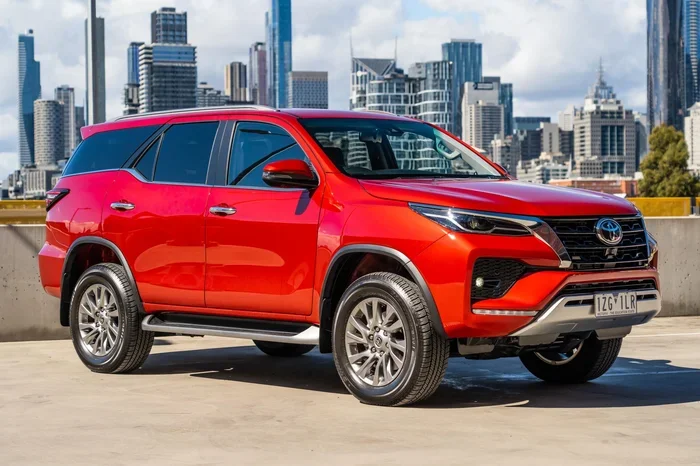
So, is Fortuner an expensive car? This is a question that crosses the minds of many buyers who admire the Toyota Fortuner but hesitate at the sticker price. The Toyota Fortuner has been a favorite SUV for years, known for its rugged looks, strong engine options, and solid build quality. But does its popularity come with a price tag that hurts your wallet?
In this article, we will break down every cost angle. From the initial Toyota Fortuner price to long-term maintenance, fuel expenses, and resale value, we will cover it all. By the end, you will have a clear answer on whether the Fortuner fits your budget or if you should look elsewhere.
The Fortuner is not just another SUV. It is a vehicle that carries a reputation. People buy it for family trips, off-road adventures, and daily commuting alike. But reputation comes at a cost, and that cost is what we are here to explore.
Key Takeaways
- Fortuner Pricing Varies: The Toyota Fortuner price depends on the variant, engine, and region, ranging from affordable to premium.
- Cost of Ownership Is Moderate: Fuel, maintenance, and insurance costs are reasonable for a SUV of this class.
- Strong Resale Value: The Fortuner holds its market value remarkably well compared to competitors.
- Features Justify the Price: Safety features, engine options, and build quality add real value.
- Competitors Exist: Comparing the Fortuner with rivals like the Prado and Pajero helps you see where it stands.
- Financing Options Help: Multiple payment plans and loan options make the Fortuner more accessible.
📑 Table of Contents
- Understanding the Toyota Fortuner Price
- Is Fortuner an Expensive Car to Run Daily?
- Maintenance and Repair Costs
- Fortuner vs. Competitors: Is It Worth the Price?
- Fortuner Resale Value: Does It Hold Its Worth?
- Is the Fortuner Worth the Investment?
- Expert Insights on Fortuner Pricing
- Key Takeaways
- Conclusion
Understanding the Toyota Fortuner Price
Base Model vs. Top Trim Pricing
The Toyota Fortuner price changes quite a bit depending on which variant you choose. The base model starts at a more reasonable point, making it accessible to a wider audience. As you move up the trim ladder, the price climbs. The top-end variants come loaded with features like leather seats, advanced infotainment, and driver-assistance tools.
Here is a simple breakdown of how the pricing works:
- Base Variant: The most affordable Fortuner option. It still comes with solid features but lacks some luxury extras.
- Mid-Range Variants: These models hit the sweet spot for many buyers. You get a good mix of features and value.
- Top-End Variants: Premium trim levels with all the bells and whistles. These are where the Fortuner price goes highest.
The Fortuner pricing also varies by region. In some markets, the Fortuner cost is lower due to local manufacturing or tax benefits. In others, import duties push the price higher. Always check your local dealer for the most accurate figures.
Engine Options and Their Impact on Price
The Fortuner comes with multiple engine choices, and each one affects the final price differently. The diesel engine is the most popular option. It offers strong torque and excellent mileage, which makes it a favorite for long drives. The petrol engine, on the other hand, is smoother and quieter but costs a bit more to run.
Some markets also offer a hybrid or automatic variant. These versions carry a higher price tag but deliver better fuel economy and refined performance. When you ask, “Is Fortuner an expensive car?” the engine you pick plays a big role in the answer.
Here is a quick look at the engine options and how they affect pricing:
- Diesel Manual: The most budget-friendly choice. Great for those who want value and durability.
- Diesel Automatic: A slight price jump for added convenience and comfort.
- Petrol Variant: Priced higher than diesel. Best for those who prefer a smoother driving experience.
Is Fortuner an Expensive Car to Run Daily?
Fuel Economy and Running Costs
Running costs are a big part of the overall Fortuner cost of ownership. The good news is that the Fortuner is not a gas guzzler. The diesel variants deliver impressive mileage, often crossing 12 to 14 kilometers per liter on highways. The petrol engine is less efficient but still holds its own in the SUV segment.
Fuel costs depend heavily on your driving habits. If you mostly drive in the city, expect lower mileage due to stop-and-go traffic. Highway driving brings out the best in the Fortuner’s fuel economy. Over a year, the average Fortuner owner spends a moderate amount on fuel, especially compared to larger SUVs.
Here are some quick tips to keep your Fortuner fuel costs low:
- Maintain steady speeds: Avoid sudden acceleration and hard braking.
- Keep tires properly inflated: Under-inflated tires reduce mileage.
- Service regularly: A well-maintained engine runs more efficiently.
- Use the right gear: Shift gears at the optimal RPM for better fuel economy.
Insurance and Registration Fees
Insurance is another cost you need to factor in. The Fortuner falls into a higher insurance bracket because of its price and size. However, Toyota’s reputation for reliability helps keep insurance premiums somewhat lower than you might expect for a large SUV.
Registration fees also vary by location. Some regions charge higher fees for larger vehicles, which adds to the upfront cost. Always include these expenses when calculating your total Fortuner cost of ownership.
Maintenance and Repair Costs
Service Schedule and Expenses
Toyota vehicles are known for their reliability, and the Fortuner is no exception. The service schedule is straightforward and affordable. Regular servicing includes oil changes, filter replacements, and general inspections. Most owners find that maintenance costs stay reasonable throughout the vehicle’s life.
However, some repairs can be pricey. The Fortuner uses durable parts, but those parts are not always cheap. If you need a replacement engine component or a suspension repair, the bill can add up. That said, Toyota’s wide service network makes finding genuine parts easier and often more affordable than with lesser-known brands.
Common Repairs and Their Costs
Every vehicle has its weak spots, and the Fortuner is no different. Here are some common repairs and what they typically cost:
- Brake Pad Replacement: A routine fix that costs moderately. Brake pads wear out over time, especially in heavy traffic.
- Suspension Components: The Fortuner handles rough roads well, but suspension parts do wear out. Replacement costs vary by part.
- Clutch Replacement (Manual Variants): The clutch can wear over time, especially with frequent city driving.
- Electrical Issues: Some owners report minor electrical glitches. These are usually affordable to fix.
Overall, the Fortuner maintenance cost is in line with other SUVs in its class. It is not the cheapest to maintain, but it is far from the most expensive.
Fortuner vs. Competitors: Is It Worth the Price?
Fortuner vs. Toyota Prado
The Prado is Toyota’s other popular SUV. It is smaller than the Fortuner but offers a more refined driving experience. The Prado price is generally lower than the Fortuner, which makes it a strong competitor. If you are wondering whether the Fortuner is worth the extra cost, the Prado comparison is essential.
The Prado offers better fuel economy and easier maneuverability. However, the Fortuner provides more seating capacity and a more commanding road presence. Your choice depends on what matters most to you.
Fortuner vs. Mitsubishi Pajero and Isuzu MU-X
The Mitsubishi Pajero and Isuzu MU-X are direct rivals to the Fortuner. Both offer strong diesel engines and solid build quality. The Pajero often comes at a lower price point, while the MU-X competes closely with the Fortuner in terms of features and pricing.
When comparing these SUVs, consider the total cost of ownership. The Fortuner may have a slightly higher upfront price, but its resale value and reliability often make it the better long-term investment.
Comparison Table
| Feature | Toyota Fortuner | Toyota Prado | Isuzu MU-X | Mitsubishi Pajero |
|---|---|---|---|---|
| Starting Price | Moderate-High | Moderate | Moderate | Moderate-Low |
| Fuel Economy | Good | Very Good | Good | Moderate |
| Seating Capacity | 7 | 5 or 7 | 7 | 5 or 7 |
| Resale Value | Excellent | Very Good | Good | Moderate |
| Maintenance Cost | Moderate | Moderate | Moderate | Moderate-Low |
| Off-Road Capability | Excellent | Very Good | Very Good | Excellent |
This table shows that the Fortuner holds its own against the competition. Its resale value and reliability give it an edge that helps justify the price over time.
Fortuner Resale Value: Does It Hold Its Worth?
Why the Fortuner Retains Value
One of the biggest reasons people buy the Fortuner is its resale value. The Toyota brand carries strong trust among buyers. When it is time to sell, Fortuner owners often get a better price than owners of competing SUVs. This strong resale value softens the impact of the initial purchase price.
Several factors contribute to the Fortuner’s market value:
- Brand Reputation: Toyota is synonymous with reliability. Buyers trust the brand, which drives demand in the used market.
- Durability: The Fortuner is built to last. Its robust engine and sturdy construction mean it ages well.
- High Demand: The Fortuner remains one of the most sought-after SUVs in many markets. High demand keeps prices stable.
- Low Depreciation: Compared to many SUVs, the Fortuner depreciates at a slower rate, preserving more of your investment.
How Long Does the Fortuner Hold Its Value?
On average, a Fortuner retains about 60 to 70 percent of its original value after five years. This is impressive for any SUV, let alone one in the Fortuner’s price range. Some well-maintained models hold even more value, especially if they have low mileage and a clean service record.
This strong resale performance is a key reason why the Fortuner cost of ownership is lower than it might seem at first glance. You lose less money when you sell, which effectively reduces the total cost of owning the vehicle.
Is the Fortuner Worth the Investment?
Who Should Buy a Fortuner?
The Fortuner is a great fit for families who need space, comfort, and reliability. Its seven-seat capacity makes it ideal for larger families or those who regularly carry passengers. The strong engine options handle both city roads and off-road trails with ease.
If you frequently travel long distances, the Fortuner’s comfort and fuel economy make it a reliable companion. The safety features, including multiple airbags, stability control, and a sturdy body structure, add peace of mind for you and your loved ones.
Who Should Think Twice?
On the other hand, the Fortuner may not be the best choice for everyone. If you mostly drive solo or with one other person, a smaller and more affordable SUV might serve you better. The Fortuner’s size can also make parking and city driving a bit challenging.
Budget-conscious buyers who prioritize low upfront costs might find the Fortuner price too steep. In that case, considering a more compact SUV or even a sedan could save you money in the short term.
Financing Options That Make It More Affordable
Many buyers do not pay the full Fortuner price upfront. Financing options make the vehicle more accessible. Banks and Toyota financial services offer competitive loan rates with flexible repayment terms. Some dealers also provide promotional financing with low or zero percent interest for qualified buyers.
Leasing is another option worth exploring. A lease can lower your monthly payments and give you the chance to drive a newer model every few years. However, leasing means you do not build equity in the vehicle, so weigh the pros and carefully before committing.
Expert Insights on Fortuner Pricing
Automotive experts generally agree that the Fortuner offers strong value for its price. The combination of reliability, features, and resale value makes it a compelling choice in the SUV segment. According to several industry reviews, the Fortuner consistently ranks among the top picks for buyers seeking a durable and capable SUV.
Experts also point out that the Fortuner’s pricing strategy is competitive. Toyota positions the Fortuner to attract buyers who want premium features without paying luxury-brand prices. This strategy has worked well, keeping the Fortuner as one of the best-selling SUVs in its category.
When evaluating the Fortuner cost of ownership, experts recommend looking at the full picture. The initial price is just one piece of the puzzle. Factor in fuel costs, maintenance, insurance, and resale value to get the true picture of what owning a Fortuner really costs.
Key Takeaways
- Fortuner Pricing Varies by Variant: The base model offers better affordability, while top trims come with premium features.
- Running Costs Are Manageable: Fuel economy and maintenance expenses are reasonable for a SUV of this size and class.
- Resale Value Is a Strong Advantage: The Fortuner holds its market value exceptionally well, reducing long-term costs.
- Competitors Offer Alternatives: The Prado, MU-X, and Pajero provide different value propositions worth considering.
- Financing Makes It Accessible: Loans and lease options lower the barrier to entry for many buyers.
- Best for Families and Frequent Travelers: The Fortuner excels in space, comfort, and reliability for these use cases.
Conclusion
So, is Fortuner an expensive car? The answer depends on how you look at it. The upfront Toyota Fortuner price is higher than many compact SUVs, but when you factor in the total cost of ownership, the picture changes. The Fortuner offers strong fuel economy, reliable performance, and excellent resale value that offset the initial investment.
If you need a spacious, capable, and dependable SUV, the Fortuner delivers on all fronts. Its strong brand reputation and proven track record make it a smart choice for many buyers. The key is to understand what you are paying for and whether those features align with your needs.
Consider your budget, driving habits, and long-term plans before making a decision. The Fortuner is not the cheapest SUV on the market, but it is far from the most expensive when you look at the full ownership story. For the right buyer, it is an excellent investment that pays dividends in reliability, comfort, and value for years to come.
Take your time, compare options, and test drive the Fortuner before you commit. A well-informed decision is always the best one.
Frequently Asked Questions
Is the Toyota Fortuner worth the price?
Yes, the Fortuner offers strong value when you consider its reliability, features, and resale value. The total cost of ownership is reasonable for a SUV in this class, making it a worthwhile investment for many buyers.
How much does a Fortuner cost to maintain per year?
Annual maintenance costs for a Fortuner typically range from moderate to reasonable, depending on your driving habits and local service rates. Regular servicing keeps the vehicle in top shape and prevents costly repairs down the road.
Is the Fortuner more expensive than the Toyota Prado?
Generally, yes. The Fortuner has a higher starting price than the Prado. However, the Fortuner offers more seating capacity and a more rugged build, which justifies the price difference for many buyers.
Does the Fortuner have good fuel economy?
The diesel variants of the Fortuner deliver good fuel economy, especially on highways. The petrol engine is less efficient but still competitive within the SUV segment. Driving habits also play a big role in real-world mileage.
Can I finance a Fortuner purchase?
Yes, many banks and Toyota dealers offer financing options for the Fortuner. Loan terms vary, and some dealers run promotional rates. Leasing is also available for those who prefer lower monthly payments.
How well does the Fortuner hold its resale value?
The Fortuner is one of the best SUVs for resale value. It retains about 60 to 70 percent of its original value after five years, which is well above average for the SUV segment.