Colorado Window Tint Law Everything You Need To Know
Colorado window tint law sets specific rules for how dark or reflective your car windows can be. Each window has its own legal tint percentage, and breaking these rules can lead to fines and failed inspections. This guide covers everything from VLT limits to medical exemptions so you stay compliant and avoid costly mistakes.
Have you ever driven through Denver on a sunny day and thought about tinting your car windows? Maybe you want to beat the heat or protect your interior from sun damage. Before you do, you need to know the rules. Colorado window tint law is specific, and getting it wrong can cost you money and hassle.
This guide breaks down everything you need to know about Colorado window tint law. We will cover legal limits, exemptions, penalties, and practical tips. Whether you are tinting a new car or replacing old film, this article has you covered. Let us dive in.
Key Takeaways
- Front side windows must allow more than 27% VLT in Colorado, keeping them relatively light for driver visibility.
- Rear side windows and the rear window can be tinted darker with no minimum VLT requirement for most vehicles.
- The windshield tint is only allowed on the top 4 inches and must be non-reflective.
- Medical exemptions are available for drivers and passengers who need darker tint for health reasons.
- Violating Colorado tint law can result in a fine of $500 or more, plus potential vehicle inspection failures.
- Tint film must carry a certification sticker from the manufacturer to prove it meets state standards.
- Reflective or mirrored tint is not allowed on any window in Colorado.
📑 Table of Contents
- What Is Colorado’s Window Tint Law?
- Understanding VLT Percentages
- Medical Exemptions and Special Permits
- Penalties for Violating Colorado Tint Law
- How to Choose Compliant Window Tint
- Common Mistakes People Make with Window Tint in Colorado
- How Colorado Tint Law Compares to Neighboring States
- The Future of Window Tinting Regulations in Colorado
- Final Thoughts on Colorado Window Tint Law
What Is Colorado’s Window Tint Law?
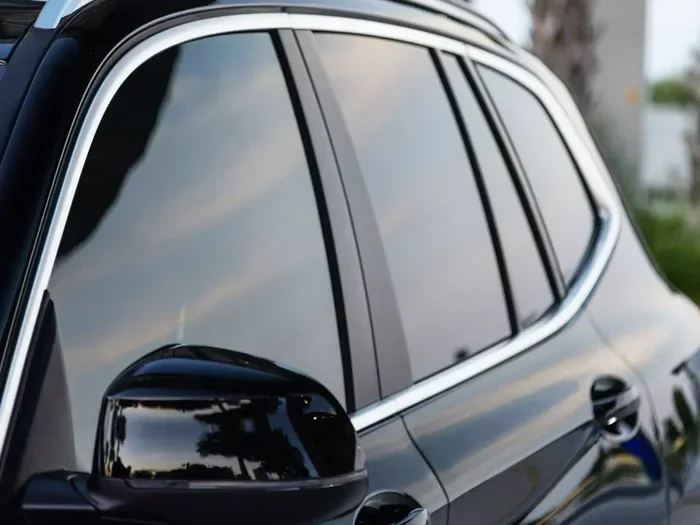
Colorado window tint law governs how dark and reflective vehicle windows can be. The state sets limits based on visible light transmission, or VLT. VLT measures how much light passes through your window film. A higher VLT means a lighter tint. A lower VLT means a darker tint.
The law exists for safety. Dark windows can make it hard for police to see inside your vehicle. They can also reduce your ability to see the road, especially at night. Colorado balances personal comfort with public safety by setting clear rules.
These rules apply to passenger cars, SUVs, vans, and trucks. The rules differ depending on which window you are tinting. Let us break it down window by window.
Front Side Windows
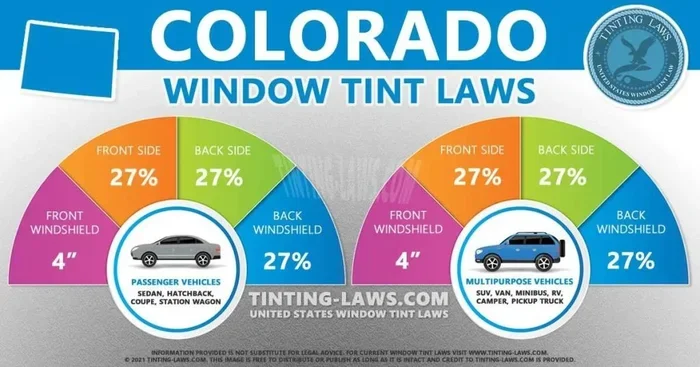
Colorado law requires front side windows to allow at least 27% of outside light in. This means your tint cannot block more than 73% of light. In practical terms, this keeps the front windows relatively light.
Why this rule? Law enforcement needs to see into the front cabin during traffic stops. Dark front windows can create safety concerns for officers. So the state keeps these windows closer to clear.
Rear Side Windows
Here is some good news. Colorado allows rear side windows to be tinted as dark as you want. There is no minimum VLT requirement for rear side windows on passenger vehicles. You can go as dark as 5% or even lower if you prefer.
But there is a catch. If your rear side windows are tinted very dark, your vehicle must have dual side mirrors. This helps compensate for reduced visibility through the rear windows. The mirrors give you a better view of what is behind you.
Rear Window
The rear window follows the same rule as the rear side windows. You can tint it as dark as you like. There is no VLT minimum for the back window of a passenger car in Colorado.
However, just like with rear side windows, dual side mirrors are required if the rear window is heavily tinted. This ensures you can still see clearly when reversing or changing lanes.
Windshield Tint
Colorado is strict about windshield tint. You are only allowed to tint the top 4 inches of the windshield. This strip must be non-reflective. No mirrored or shiny finish is permitted on the windshield.
The reason is simple. The windshield is your main view of the road. Any tint that extends below the top 4 inches can block your view of traffic lights, signs, and pedestrians. Colorado wants to keep that sightline clear for everyone.
Understanding VLT Percentages
VLT stands for visible light transmission. It is the percentage of light that passes through your window and tint film combined. If your bare window lets in 80% of light and your film blocks 50%, your final VLT is about 40%.
Colorado uses VLT as its primary measurement for tint darkness. Here is a simple way to think about it:
- Higher VLT (70% or above) means a very light tint or nearly clear film.
- Medium VLT (35% to 50%) gives you a noticeable tint with good heat rejection.
- Lower VLT (5% to 20%) creates a very dark, privacy-focused tint.
When you buy tint film, the manufacturer will list its VLT percentage. You need to factor in your original window tint too. Most new cars already have some tint on the factory glass. Your final VLT must meet Colorado’s legal limits.
For front side windows, your combined VLT must be above 27%. For rear windows, there is no minimum. But always keep safety in mind. Too-dark tint can make night driving dangerous.
Medical Exemptions and Special Permits
Not everyone can use standard tint limits. Some people have medical conditions that make them extremely sensitive to sunlight. Colorado window tint law allows for medical exemptions in these cases.
If you or a regular passenger has a condition like lupus, eczema, or a photosensitivity disorder, you may qualify for a darker tint. The exemption allows windows that would normally be too dark to be legally tinted.
How to Get a Medical Exemption
Getting a medical exemption in Colorado involves a few steps. First, you need a signed letter from a licensed physician. This letter must explain your condition and why darker tint is medically necessary.
Next, you submit the letter to the Colorado Department of Motor Vehicles. The DMV reviews your request and may issue a special permit. This permit must be kept in your vehicle at all times.
Even with an exemption, there are rules. The exemption typically applies to front side windows only, since those are the most restricted. You still cannot use reflective or mirrored tint. And the exemption must be renewed periodically.
Other Special Cases
Some vehicles fall under different tint rules. For example, law enforcement vehicles and emergency vehicles have their own tint regulations. Classic cars and custom builds may also have specific considerations.
Always check with your local DMV or law enforcement agency if you are unsure. Rules can vary slightly by county or city. It is better to ask than to risk a ticket.
Penalties for Violating Colorado Tint Law
Getting caught with illegal window tint in Colorado is not cheap. The state takes these violations seriously, and the penalties can add up fast.
The most common penalty is a fine. A tint violation in Colorado can cost you around $500 or more. That is a steep price for a tint job that probably cost a few hundred dollars in the first place.
Beyond fines, there are other consequences:
- Failed vehicle inspection: If your tint is too dark, your car will not pass inspection. You will need to remove or replace the film before registering your vehicle.
- Traffic stop delays: Officers may pull you over for illegal tint. This can lead to additional scrutiny and wasted time.
- Required removal: In some cases, you may be ordered to remove the illegal tint within a set timeframe.
- Points on your record: Repeated violations could lead to points on your driving record, affecting your insurance rates.
Law enforcement officers use tint meters to measure VLT during traffic stops. These devices are accurate and can detect even slightly illegal tint levels. So do not assume your tint is close enough to the legal limit. It is not worth the risk.
How to Choose Compliant Window Tint
Tinting your windows the right way is easier than you think. The key is choosing the right film and working with a reputable installer. Here are some practical tips to keep you compliant with Colorado window tint law.
Pick the Right VLT Film
When shopping for tint film, look for the VLT percentage on the packaging. For front side windows, choose a film that keeps your combined VLT above 27%. Most quality tint shops will know this and can recommend the right product.
For rear windows, you have more freedom. You can choose darker films for privacy and heat rejection. Just remember the dual mirror rule if you go very dark.
Look for Certification Stickers
Colorado requires that tint film carry a certification sticker from the manufacturer. This sticker proves the film meets state standards. It should be placed on the inside of the driver’s side window.
If your installer does not provide this sticker, ask for it. A certified film also tends to be higher quality and more durable. It is a win-win for compliance and longevity.
Choose a Professional Installer
DIY tint kits are tempting because they save money. But professional installers know Colorado’s rules inside and out. They can measure VLT accurately and ensure your tint passes inspection.
A good installer will also advise you on the best film for your needs. They can balance heat rejection, privacy, and legal compliance. This saves you from costly mistakes down the road.
Consider Heat Rejection and UV Protection
Tint is not just about style. Quality window film blocks harmful UV rays and reduces heat inside your car. This protects your skin and keeps your interior from fading and cracking.
Look for films that block at least 99% of UV rays. Many modern tint films also offer infrared rejection, which keeps your car cooler in the Colorado sun. These features do not affect VLT, so they keep you compliant and comfortable.
Quick Tips for Staying Legal
- Always ask your tint installer about Colorado’s specific VLT limits.
- Keep your certification sticker visible on the driver’s side window.
- Get a tint meter reading after installation to confirm compliance.
- Renew your medical exemption annually if you have one.
- Keep dual side mirrors if your rear windows are heavily tinted.
- Avoid reflective or mirrored finishes on any window.
Common Mistakes People Make with Window Tint in Colorado
Even well-meaning car owners run into trouble with tint. Here are some common mistakes to avoid.
Assuming all windows have the same limit. Colorado’s rules differ by window. Front side windows have strict VLT limits, while rear windows are much more flexible. Know which window is which before you tint.
Ignoring the factory tint. Many new cars come with pre-tinted windows from the factory. This factory tint counts toward your final VLT. If you add aftermarket film on top, the combined darkness might exceed legal limits.
Choosing the cheapest film. Budget tint films often fade, bubble, and peel within a year or two. Worse, they may not carry the proper certification sticker. Investing in quality film saves you money and legal trouble in the long run.
Skipping the certification sticker. Without the manufacturer’s sticker, you have no proof that your tint is legal. During an inspection or traffic stop, this can lead to immediate problems.
Forgetting about mirrors. If you tint your rear windows dark, dual side mirrors become mandatory. Many people forget this requirement and end up with a failed inspection.
How Colorado Tint Law Compares to Neighboring States
Curious how Colorado stacks up against nearby states? Each state has its own tint regulations, and the differences can be surprising.
For example, some neighboring states allow darker front side window tint than Colorado. Other states have no minimum VLT requirement for any window. Colorado sits in the middle of the pack, balancing privacy and safety.
If you frequently drive across state lines, be aware that different rules apply. What is legal in Colorado may not be legal in New Mexico or Wyoming. Always check local laws before tinting your windows.
The Future of Window Tinting Regulations in Colorado
Tint laws can change over time. Colorado has updated its regulations in the past to reflect new film technologies and safety research. While there are no major changes on the horizon right now, it is worth staying informed.
Advances in ceramic and nano-ceramic films are making it easier to get dark tint without sacrificing visibility. These newer films reject more heat and block more UV rays than older dye-based films. As technology improves, regulations may evolve to accommodate better products.
For now, the current Colorado window tint law remains the standard. Follow it closely, and you will enjoy the benefits of tinted windows without any legal headaches.
Final Thoughts on Colorado Window Tint Law
Colorado window tint law is clear and straightforward once you understand the basics. Front side windows need at least 27% VLT. Rear windows can be as dark as you want. The windshield can only be tinted on the top 4 inches. And reflective tint is a no-go everywhere.
Medical exemptions offer a lifeline for those with sunlight sensitivity. And penalties for violations are steep enough to make compliance worth the effort. A small investment in the right film and a professional install can save you hundreds in fines and headaches.
Take the time to learn the rules. Talk to a reputable tint shop. Get your certification sticker. And always keep your mirrors in check if you go dark on the rear windows. With the right approach, you can enjoy cooler, more comfortable driving while staying fully compliant with Colorado window tint law.
Your car, your comfort, and your safety all matter. Make informed choices, and you will tint right the first time.
Frequently Asked Questions
What is the legal tint limit for front side windows in Colorado?
Front side windows must allow at least 27% visible light transmission in Colorado. This means your tint film cannot block more than 73% of light. If your combined VLT (factory tint plus aftermarket film) falls below 27%, you are violating the law.
Can I tint my rear windows as dark as I want in Colorado?
Yes. Colorado allows rear side windows and the rear window to be tinted to any darkness. There is no minimum VLT requirement for these windows. However, you must have dual side mirrors if your rear windows are heavily tinted.
Do I need a medical exemption for darker tint on my front windows?
If you need front side windows darker than 27% VLT for medical reasons, you must apply for a medical exemption through the Colorado DMV. You will need a signed letter from a licensed physician explaining your condition and why darker tint is necessary.
What happens if I get caught with illegal window tint in Colorado?
You can be fined around $500 or more for an illegal tint violation. Your vehicle may also fail inspection, and you could be ordered to remove the tint. Repeated violations may lead to additional penalties and points on your driving record.
Is reflective or mirrored tint allowed in Colorado?
No. Colorado law prohibits reflective or mirrored tint on any vehicle window, including the windshield. Tint film must be non-reflective on the windshield, and no mirrored finish is allowed on any other window either.
Where should the tint certification sticker be placed?
The manufacturer’s certification sticker must be placed on the inside of the driver’s side window. This sticker proves your tint film meets Colorado’s legal standards. Without it, you may have difficulty proving compliance during an inspection or traffic stop.
=== CONCLUSION ===
Colorado window tint law is designed to keep drivers safe while still allowing personal comfort and style. By understanding VLT limits, knowing which windows have which rules, and following proper installation practices, you can enjoy tinted windows without worry.
Remember the key numbers. Front side windows need 27% or higher VLT. Rear windows can be any darkness. The windshield tint is limited to the top 4 inches. And reflective tint is never allowed.
If you have a medical condition, explore the exemption process. If you are buying new tint, choose certified film and a professional installer. These simple steps protect you from fines, failed inspections, and wasted money.
Take action today. Review your current tint, consult a trusted local installer, and make sure your vehicle meets every requirement. Staying informed is the best way to stay compliant with Colorado window tint law and enjoy your ride with confidence.