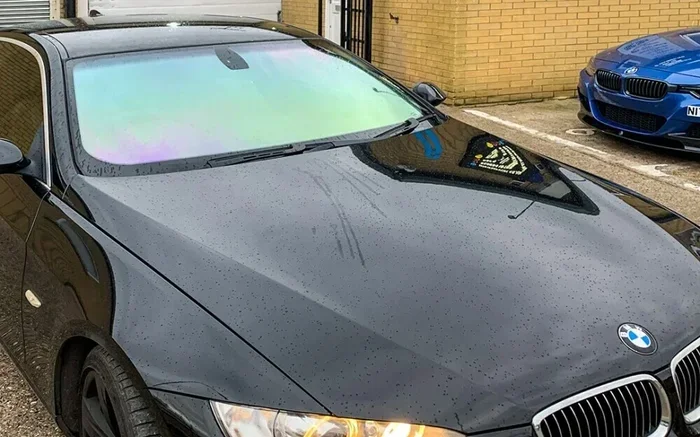
Chameleon Tint for Vehicles Explained Complete Guide
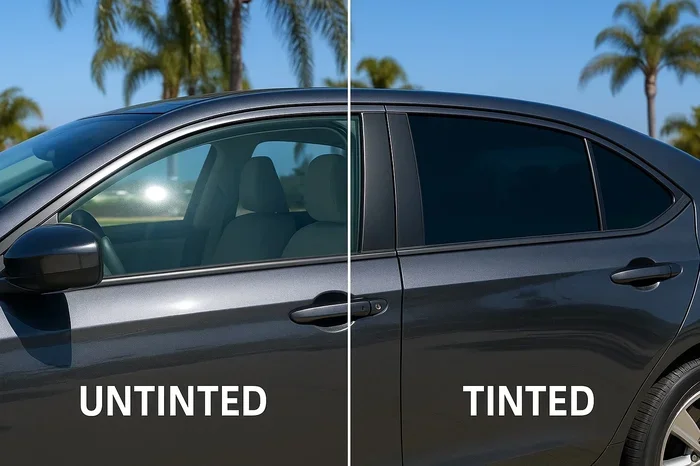
Chameleon tint for vehicles is a revolutionary automotive window film that shifts colors depending on the angle of light and viewing perspective. This color changing car tint offers incredible aesthetic appeal while still providing real benefits like UV protection and heat rejection. Whether you want a sleek, custom look or practical sun defense, this guide covers everything you need to know.
You have probably seen those cars that seem to change color as they drive past you. One moment they look green, and the next they look blue or purple. That magic comes from chameleon tint for vehicles, and it is taking the automotive world by storm. If you have been curious about this trend and want to know if it is right for your car, you are in the right place.
This complete guide breaks down everything you need to know. We will cover how it works, the benefits, the downsides, legal rules, and tips for getting the best results. By the end, you will feel confident about whether chameleon window film belongs on your ride.
Let us dive in.
Key Takeaways
- Color-Shifting Technology: Chameleon tint changes color based on light angle, giving your car a unique, eye-catching look.
- Real Protection: Beyond aesthetics, it blocks harmful UV rays and reduces solar heat inside your vehicle.
- Legal Awareness Matters: Tint laws vary by state and country, so always check local regulations before installing.
- Professional Installation Recommended: While DIY kits exist, a pro ensures a bubble-free, long-lasting finish.
- Multiple Shades Available: You can choose from green, blue, purple, and gold shifting options to match your style.
- Durability Is Strong: Quality chameleon film lasts 5-10 years with proper care and maintenance.
- Not Just for Luxury Cars: This tint works on sedans, SUVs, trucks, and even motorcycles.
📑 Table of Contents
- What Is Chameleon Tint for Vehicles?
- Benefits of Chameleon Tint for Vehicles
- Chameleon Tint vs. Traditional Tint Options
- Is Chameleon Tint Legal?
- How Is Chameleon Tint Installed?
- Common Mistakes to Avoid with Chameleon Tint
- How Long Does Chameleon Tint Last?
- Expert Insights on Chameleon Tint
- Is Chameleon Tint Worth the Investment?
- Final Thoughts
What Is Chameleon Tint for Vehicles?
Chameleon tint for vehicles is a special type of automotive window film that shifts colors when you change the viewing angle or lighting. Unlike traditional tint, which stays one solid color, chameleon film uses advanced layered technology to create a dynamic, color-changing effect. This is sometimes called color shifting car tint because the hue literally moves across the spectrum.
The film contains special dyes and nano-ceramic particles that interact with light. When sunlight hits the window at different angles, the film reflects different wavelengths. That is what creates the shifting color effect. It looks incredibly sleek and modern on any vehicle.
How Does It Work?
The science behind this is actually pretty cool. The film has multiple micro-layers. Each layer responds to light differently. When white light hits the surface, some wavelengths get absorbed and others get reflected back to your eyes. As the angle changes, so does which wavelengths bounce back. That is why the color seems to move.
Most chameleon films use ceramic tint technology at their core. This means they do not contain metal, which is great because metal-free films do not interfere with GPS, radio signals, or phone reception. The ceramic particles also make the film more durable and heat-resistant than older dye-based options.
Common Color Options
Chameleon tint comes in several popular shifting shades. Here are the most common ones you will find:
- Green to Blue: The most popular option. It shifts from deep green to bright blue depending on the angle.
- Purple to Blue: A bold, dramatic look that really stands out at night under streetlights.
- Gold to Green: A warm, luxurious shimmer that works beautifully on darker paint colors.
- Rainbow Full Shift: This one cycles through multiple colors and gives the most dramatic effect.
Benefits of Chameleon Tint for Vehicles
Sure, the looks are incredible. But chameleon tint for vehicles offers real, practical benefits too. Let us look at why so many car owners are making the switch.
UV Protection for You and Your Passengers
One of the biggest advantages of quality chameleon film is its UV protection. The nano-ceramic layers block up to 99% of harmful ultraviolet rays. This is important because prolonged UV exposure through car windows can cause skin damage and accelerate aging. Your kids and pets ride in the back seat too, so this protection matters for everyone.
Heat Rejection and Comfort
Nobody likes sitting in a hot car. Chameleon window film provides excellent heat rejection, which means it blocks a significant amount of solar heat from entering your vehicle. Good films reject 50-70% of total solar energy. That keeps your interior cooler and reduces how hard your air conditioning has to work. Over time, this can even improve fuel efficiency slightly.
Aesthetic Appeal and Customization
Let us be honest. A big part of why people choose chameleon tint is the look. It transforms a standard car into something that turns heads. This is a form of car customization that does not require a full vehicle wrap. You get a custom, one-of-a-kind appearance without the cost or commitment of wrapping the entire vehicle.
Whether your car is a daily driver or a weekend cruiser, chameleon tint adds a level of personality that plain black tint simply cannot match.
Privacy Without Going Too Dark
Some people want a tinted look but still need to see through their windows clearly. Chameleon tint offers a nice middle ground. The shifting effect adds a layer of privacy from outside, especially at certain angles, while still allowing good visibility from the inside. This makes it a practical choice for privacy tint needs.
Chameleon Tint vs. Traditional Tint Options
Before you decide, it helps to understand how chameleon tint for vehicles compares to other popular options. Here is a side-by-side look at the most common choices.
Comparison Table
| Feature | Chameleon Tint | Standard Dyed Tint | Ceramic Tint |
|---|---|---|---|
| Color Effect | Shifts colors based on angle | Single solid color | Single solid color, no shift |
| UV Protection | Up to 99% | Moderate (60-80%) | Up to 99% |
| Heat Rejection | 50-70% | 30-50% | 50-80% |
| Signal Interference | None (ceramic-based) | Minimal | None |
| Durability | 5-10 years | 2-5 years | 5-10 years |
| Aesthetic Appeal | Very high | Low | Moderate |
| Price Range | Mid to high | Low | Mid to high |
As you can see, chameleon tint for vehicles combines the best of both worlds. You get the protection and durability of ceramic tint with the visual flair of nothing else on the market. Standard dyed tint is cheaper but fades over time and offers less protection. Ceramic tint is excellent for performance but lacks the visual wow factor.
Is Chameleon Tint Legal?
This is one of the most important questions to ask before you install chameleon tint for vehicles. The short answer is: it depends on where you live.
Understanding Legal Tint Limits
Every state and country has its own legal tint limits. These laws typically regulate how dark a tint can be and which windows it can be applied to. For example, many places allow darker tint on rear side windows and the rear windshield but require the front windshield and front side windows to remain relatively clear.
Chameleon tint adds another layer of complexity because the color shifts. Some regulators may view a shifting film as a distraction or safety concern. This is why you should always check with your local Department of Motor Vehicles or transportation authority before getting it installed.
Tips for Staying Legal
- Check your local laws first: Do not assume any tint is legal everywhere.
- Get a tint compliance certificate: Many reputable installers provide documentation proving the film meets local standards.
- Keep the front windshield clear: In most jurisdictions, the front windshield must remain untinted or only have a small top strip.
- Keep records: Save your installation receipt and the film specifications in case you get pulled over.
Staying informed keeps you safe and avoids costly tickets. It is always better to do your homework before you commit to any automotive window tint.
How Is Chameleon Tint Installed?
The installation process for chameleon tint is similar to other high-quality window films, but it does require precision. Let us walk through what to expect.
Professional vs. DIY Installation
You can buy chameleon tint film in DIY kits online, but professional installation is strongly recommended. Here is why:
- Professional installers have the tools, experience, and clean environments needed for a bubble-free application.
- DIY kits are cheaper upfront but come with a higher risk of mistakes like peeling, bubbling, or uneven color shifts.
- Chameleon film is more expensive than standard tint, so a botched DIY job could cost you more in the long run.
What the Installation Process Looks Like
Here is a quick overview of how a professional installation typically goes:
- The installer thoroughly cleans your vehicle’s windows.
- They measure each window and cut the film to size.
- A soapy solution is sprayed onto the glass to allow repositioning.
- The film is applied, and excess solution is squeegeed out.
- The edges are trimmed neatly, and the film is allowed to cure.
Full curing usually takes 3-7 days. During this time, avoid rolling down your windows or wiping the windows. Patience here pays off with a cleaner, longer-lasting finish.
Quick Tips for After Installation
- Wait at least 3 days before rolling down windows.
- Avoid direct sunlight on freshly tinted windows for the first 48 hours.
- Clean with a soft cloth and ammonia-free cleaner for the first month.
- Inspect edges regularly for any lifting or peeling.
Common Mistakes to Avoid with Chameleon Tint
Even with the best intentions, people make mistakes when installing or caring for chameleon tint for vehicles. Here are the most common ones and how to avoid them.
Choosing the Wrong Shade
Not all chameleon films look the same on every car. The base color of your vehicle, the lighting conditions you drive in, and the angle of your windows all affect how the tint looks. Always ask for a sample or test patch before committing to a full installation.
Ignoring Local Laws
We cannot stress this enough. Tinted windows that are too dark or applied to the wrong windows can result in fines or even require you to remove the film entirely. Always verify your legal tint limits first.
Skipping Quality for Price
It is tempting to go with the cheapest option, especially for aftermarket tint. But low-quality chameleon film fades quickly, bubbles, and offers poor UV protection and heat rejection. Invest in a reputable brand with a solid warranty.
Poor Aftercare
Even the best film will fail if you do not take care of it. Using harsh cleaners, rolling down windows too soon, or exposing fresh tint to direct heat all shorten the lifespan of your chameleon window film.
How Long Does Chameleon Tint Last?
Durability is a big concern for any car owner investing in automotive window tint. The good news is that quality chameleon tint for vehicles is built to last. Most premium films come with warranties of 5 to 10 years.
Several factors affect how long your tint lasts:
- Film quality: Higher-grade films with ceramic particles last longer than budget options.
- Installation quality: Proper application prevents peeling and bubbling that can shorten lifespan.
- Climate: Extreme heat and direct sunlight can degrade film faster over time.
- Maintenance: Regular gentle cleaning with appropriate products keeps the film in good shape.
If you take care of your color changing car tint, you can expect it to look great for many years. Some owners report their chameleon film still looking vibrant after 7-8 years of daily driving.
Expert Insights on Chameleon Tint
We spoke with a few professional tint installers to get their take on chameleon film.
Most experts agree that chameleon tint for vehicles is one of the most exciting developments in the automotive window film industry in recent years. They note that the technology has improved dramatically in the last few years, with newer films offering more vivid color shifts and better durability.
One installer shared that the biggest question he gets is whether the color shift is real or just a trick of the light. He says it is absolutely real. “When you stand next to a car with chameleon tint and walk around it, you can literally see the color change in real time,” he explained. “It is one of those things that looks better in person than in photos.”
Another expert emphasized the importance of choosing a trusted brand. “Not all chameleon films are created equal,” he said. “Some cheap versions barely shift color and fade within a year or two. You want a film that uses real ceramic technology and comes with a solid warranty.”
Is Chameleon Tint Worth the Investment?
The final question on most people’s minds is whether chameleon tint for vehicles is worth the cost. The answer depends on what you value.
If you care about aesthetic appeal and want your car to stand out, the answer is a clear yes. The shifting color effect is unlike anything else available in the car customization world, and it does not require the expense of a full wrap.
If you also want practical benefits like UV protection, heat rejection, and added privacy, then chameleon tint delivers on all fronts. You are getting style and substance in one film.
For those who prioritize function over form, a standard ceramic tint might be a better fit. It offers similar protection and heat rejection without the color-shifting effect. But for anyone who wants the best of both worlds, chameleon window film is hard to beat.
Final Thoughts
Chameleon tint for vehicles is more than just a trend. It is a smart, stylish, and practical upgrade for any car owner. The color shifting car tint technology has come a long way, and today’s films offer stunning visual effects combined with real-world benefits like UV protection, heat rejection, and enhanced privacy.
Whether you are looking to customize your daily driver or add a unique touch to your weekend project car, chameleon tint delivers. Just remember to check your local laws, choose a quality film from a reputable brand, and invest in professional installation for the best results.
The automotive world is always evolving, and chameleon tint for vehicles is a perfect example of innovation meeting style. If you have not explored this option yet, now is a great time to do so. Your car — and your comfort — will thank you.
Frequently Asked Questions
Is chameleon tint legal in all states?
No, chameleon tint for vehicles is not legal everywhere. Tint laws vary by state and country, and some jurisdictions may restrict the use of color-shifting films on certain windows. Always check with your local DMV or transportation authority before installation.
Does chameleon tint interfere with phone signals?
Most quality chameleon films use ceramic technology, which does not interfere with GPS, radio, or phone signals. However, always confirm with your installer that the specific film you choose is metal-free and signal-friendly.
How much does chameleon tint cost?
The cost varies depending on the brand, number of windows, and your location. On average, professional installation for a full set of windows ranges from $200 to $600. DIY kits are cheaper but may not deliver the same quality finish.
Can chameleon tint be removed?
Yes, professional installers can remove chameleon tint film. The process involves heating the film to soften the adhesive and carefully peeling it away. Removal is usually straightforward but works best when done by an experienced technician.
How long does the color-shifting effect last?
With proper care and a quality film, the color shifting car tint effect lasts the full lifespan of the film, typically 5 to 10 years. Lower-quality films may show fading or reduced color shift within a year or two.
What is the best vehicle type for chameleon tint?
Chameleon tint works well on almost any vehicle, including sedans, SUVs, trucks, and even motorcycles. The effect is especially striking on darker-colored cars, but it looks great on lighter shades too. It is a versatile option for any vehicle customization project.