What Is Car Paint Protection Film And Why You Need It
Car Paint Protection Film is a clear, durable layer applied directly to your vehicle’s exterior to shield the paint from damage. Also known as clear bra or PPF, this invisible shield guards against scratches, chips, and environmental contaminants. It is one of the best investments you can make to preserve your car’s look and resale value. This guide covers everything you need to know about Car Paint Protection Film and why it deserves a spot on your vehicle.
Your car is more than just a vehicle. It is a reflection of your personality, your hard work, and your pride. Yet every day, your car faces threats that can damage its paint. From road debris to bird droppings, the paint endures a lot. This is where Car Paint Protection Film comes in. It is a simple yet powerful solution that keeps your vehicle looking brand new for years.
If you have ever wondered what that clear layer on luxury cars is, or if you have heard the term “clear bra” and felt confused, this guide is for you. Car Paint Protection Film, commonly called PPF, is transforming the way people care for their vehicles. Let us dive deep into what it is, how it works, and why you might need it.
Key Takeaways
- What PPF Is: A transparent, thermoplastic urethane film applied to your car’s painted surfaces for protection.
- How It Works: The film absorbs impact from rocks, debris, and minor scratches while self-healing minor marks with heat.
- Key Benefits: Preserves paint, boosts resale value, and reduces the need for expensive paint correction.
- PPF vs Ceramic Coating: PPF offers physical protection, while ceramic coating adds chemical resistance. They work great together.
- Cost Factors: Price varies based on film quality, vehicle size, and installation complexity.
- Is It Worth It? Yes, for anyone who wants long-term paint preservation and peace of mind.
📑 Table of Contents
What Is Car Paint Protection Film?
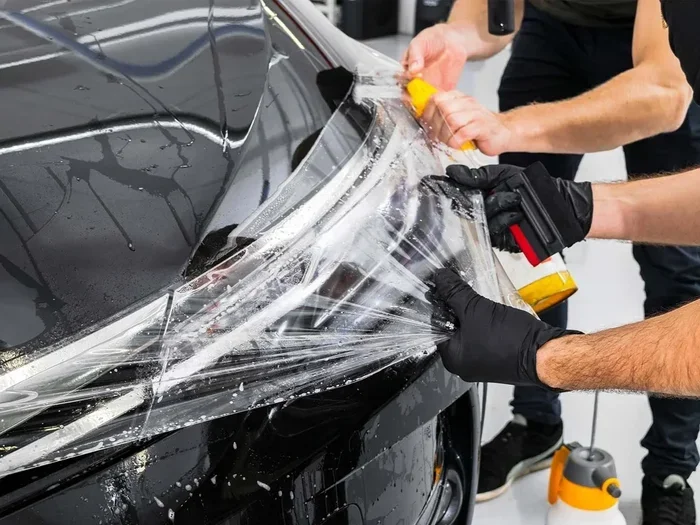
Car Paint Protection Film is a thin, transparent layer of thermoplastic urethane that adheres directly to your vehicle’s painted surfaces. Think of it as an invisible armor for your car. It is designed to take the brunt of damage so your original paint stays untouched.
The film is most commonly applied to high-impact areas like the front bumper, hood, fenders, side mirrors, and door edges. However, you can apply it to any painted surface you want to protect. Paint Protection Film comes in different thicknesses, usually ranging from 4 mil to 10 mil, depending on the level of protection you need.
The concept of PPF originated in the military. Helicopter blades were covered with a clear urethane film to prevent damage from flying debris. Over time, the automotive industry adopted this technology and refined it for consumer vehicles. Today, Car Paint Protection Film is used by everyday drivers, car enthusiasts, and luxury vehicle owners alike.
How Is PPF Different From a Regular Vinyl Wrap?
Some people confuse PPF with vinyl wraps, but they serve different purposes. A vinyl wrap changes the color or appearance of your car. Car Paint Protection Film, on the other hand, is completely clear and focuses solely on protection. The film is also much thicker and more durable than standard vinyl wraps. It is engineered specifically to absorb impact and resist yellowing over time.
How Does Car Paint Protection Film Work?
Understanding how Paint Protection Film works helps you appreciate its value. The film uses a multi-layer construction designed to absorb and distribute energy from impacts. Let us break down the layers.
Most quality PPF installation films have three main layers:
- Clear Coat: The outermost layer that provides UV protection and gloss.
- Polyurethane: The middle layer that absorbs impact and resists scratches.
- Adhesive: The bottom layer that bonds the film securely to the paint surface.
The Self-Healing Technology
One of the most impressive features of modern Car Paint Protection Film is self-healing technology. Minor scratches and swirl marks disappear when exposed to heat. You can use warm water, a hair dryer, or even sunlight to activate the self-healing properties. The polyurethane molecules realign themselves, filling in small scratches almost instantly.
This does not mean the film is invincible. Deep gouges and large chips will still be visible. However, for everyday micro-damage like fine scratches and swirl marks, self-healing PPF works wonders.
What Does PPF Protect Against?
Car Paint Protection Film shields your vehicle from a wide range of threats:
- Stone chips and road debris: Small rocks kicked up by other vehicles can chip your paint. PPF absorbs this impact.
- Bug splatter: Insects contain acidic compounds that can etch paint. PPF takes the hit instead.
- Bird droppings and tree sap: These substances are highly corrosive. PPF prevents them from reaching your clear coat.
- UV rays: Prolonged sun exposure causes paint fading and oxidation. The film blocks harmful UV radiation.
- Minor scratches and swirl marks: Washing, drying, and daily use can create fine scratches. PPF acts as a sacrificial barrier.
- Chemical contaminants: Acid rain, fuel spills, and harsh road salts are no match for quality PPF.
Benefits of Car Paint Protection Film
The advantages of applying Car Paint Protection Film go far beyond just avoiding scratches. Let us explore the key benefits in detail.
Preserves Your Vehicle’s Resale Value
Your car’s paint condition plays a huge role in its resale value. A well-maintained paint job signals that the vehicle has been cared for. Paint Protection Film keeps the original paint in pristine condition, which can significantly boost your trade-in or resale price. Buyers notice paint quality, and they are willing to pay more for a car that looks like it just rolled off the lot.
Saves Money on Paint Repairs
Paint repairs are expensive. A single stone chip repair can cost anywhere from $50 to $150 per panel. Over time, these small damages add up quickly. PPF benefits include reducing the frequency and cost of these repairs. The film takes the damage instead of your paint, saving you hundreds or even thousands of dollars over the years.
Maintains a Brand-New Look
Nobody wants to see their shiny new car fade and scratch within the first year. Car Paint Protection Film helps your vehicle maintain that showroom finish for much longer. The clear film keeps the original color vibrant and protected from environmental damage.
Easy to Maintain
PPF is surprisingly low maintenance. You can wash your car just like you normally would. Most PPF installation films also have hydrophobic properties, meaning water beads off easily. This makes keeping your car clean much simpler and faster.
Invisible Protection
Unlike some protective measures that alter the look of your car, Car Paint Protection Film is virtually invisible. High-quality films are optically clear and do not yellow or distort the appearance of your paint. Once installed, the film blends seamlessly with your vehicle’s original finish.
Added Confidence When Driving
Knowing that your car’s paint is protected gives you peace of mind. You do not have to stress about every small rock or parking lot dent. Paint preservation through PPF lets you enjoy your drive without worrying about cosmetic damage.
PPF vs Ceramic Coating: Which Is Better?
This is one of the most common questions among car owners. Both Car Paint Protection Film and ceramic coatings offer paint protection, but they work in very different ways. Let us compare them side by side.
| Feature | Car Paint Protection Film | Ceramic Coating |
|---|---|---|
| Type of Protection | Physical barrier | Chemical barrier |
| Scratch Resistance | High (absorbs impact) | Moderate (resists minor scratches) |
| Self-Healing | Yes (minor scratches) | No |
| UV Protection | Excellent | Good |
| Chemical Resistance | Good | Excellent |
| Lifespan | 5-10 years | 2-5 years |
| Cost | Higher upfront | Lower upfront |
| Hydrophobic Effect | Moderate | Strong |
| Best For | Impact and scratch protection | Chemical and stain resistance |
Can You Use Both Together?
Absolutely. In fact, many experts recommend combining Car Paint Protection Film with a ceramic coating for maximum protection. The PPF handles physical impacts and scratches, while the ceramic coating adds a layer of chemical resistance and makes the surface easier to clean. Together, they create a comprehensive defense system for your vehicle’s paint.
This combination is especially popular among car enthusiasts and owners of high-end vehicles. The car detailing community often refers to this approach as a “paint protection stack.” It provides the best of both worlds and extends the life of your paint job significantly.
How to Choose the Right Car Paint Protection Film
Not all PPF is created equal. Choosing the right film can feel overwhelming with so many options on the market. Here are some key factors to consider.
Film Thickness
PPF thickness is measured in mils. Thicker films (8-10 mil) offer better impact absorption and durability. Thinner films (4-6 mil) are more flexible and easier to install on curved surfaces. For most vehicles, a 6-8 mil film strikes the perfect balance between protection and conformability.
Film Quality and Brand
Not all automotive film brands are the same. Premium brands like XPEL, 3M, and SunTek offer superior clarity, durability, and self-healing properties. Cheaper alternatives may save you money upfront but often yellow faster, peel off, or lack self-healing capabilities. Always choose a reputable brand and buy from a trusted car detailing professional.
Clear Coat vs. No-Clear Coat
Some PPF products come with a clear coat layer, while others do not. Films with a clear coat offer better UV resistance and gloss retention. They are generally more expensive but last longer. If you plan to keep your vehicle for many years, investing in a clear coat PPF is a smart move.
Full Coverage vs. Partial Coverage
You can choose between full-coverage PPF installation (covering the entire vehicle) or partial coverage (protecting high-impact areas only). Full coverage provides maximum protection but costs more. Partial coverage is a budget-friendly option that targets the most vulnerable areas like the front bumper, hood, and fenders.
Professional Installation vs. DIY
While DIY PPF kits are available, professional installation is highly recommended. PPF installation requires skill, patience, and the right tools. Improper installation can lead to bubbles, peeling, and misalignment. A professional installer ensures a flawless finish and maximizes the film’s lifespan.
Quick Tips for PPF Maintenance
- Wait at least 7 days before washing your car after PPF installation.
- Use a pH-neutral car wash soap to clean the film.
- Avoid high-pressure washers directly on the film edges.
- Apply a PPF-safe sealant every 6 months for extra protection.
- Use a microfiber cloth or soft sponge when drying your car.
- Avoid waxing the PPF surface, as it can reduce the self-healing properties.
Is Car Paint Protection Film Worth the Investment?
The cost of Car Paint Protection Film varies depending on several factors. Vehicle size, film quality, coverage area, and installation complexity all affect the final price. A partial front-end PPF package typically costs between $1,000 and $3,000. A full vehicle wrap can range from $5,000 to $10,000 or more.
Now, let us talk about the paint protection cost vs. the alternative. Without PPF, a single stone chip repair costs $50 to $150. A full paint job for significant damage can run $3,000 to $10,000. Over the life of your vehicle, the cost of paint repairs without PPF can easily exceed the cost of the film itself.
Beyond the financial aspect, there is the value of paint preservation. Your car’s appearance directly affects how you feel every time you get behind the wheel. A protected car looks better, feels better, and holds its value longer. For anyone who takes pride in their vehicle, Car Paint Protection Film is an investment that pays for itself.
The clear paint protection also eliminates the need for frequent paint correction treatments. Paint correction involves polishing and sanding the paint to remove imperfections. This process is time-consuming and can thin the paint over time. PPF acts as a sacrificial layer, absorbing the damage so your paint never needs correction.
One thing to keep in mind is that Car Paint Protection Film does not make your car immune to all damage. It will not prevent major dents from severe impacts. However, for the everyday wear and tear that causes most paint damage, PPF is incredibly effective.
Common Mistakes to Avoid with PPF
Even with the best film, mistakes during installation or maintenance can reduce its effectiveness. Here are some common pitfalls:
- Skipping professional installation: DIY kits often lead to poor results, bubbles, and premature peeling.
- Choosing the cheapest option: Low-quality films yellow quickly, lose clarity, and do not self-heal.
- Using harsh chemicals: Avoid abrasive cleaners and solvents that can damage the film’s adhesive and clear coat.
- Neglecting maintenance: Even with PPF, regular washing and proper care extend the film’s lifespan significantly.
- Ignoring edges and seams: The edges of PPF are most vulnerable to lifting. Ensure your installer seals these areas properly.
Expert Insights on Car Paint Protection Film
Industry professionals consistently highlight the long-term value of Paint Protection Film. According to leading car detailing experts, the most common reason clients regret not getting PPF is the rapid appearance of paint chips and swirl marks within the first year of ownership. The second most common regret is underestimating how quickly paint fading occurs without protection.
Experts also emphasize that the best time to apply Car Paint Protection Film is as soon as possible after purchasing a vehicle. New paint is in its best condition and benefits the most from immediate protection. However, it is never too late to protect your car’s paint, regardless of its age or condition.
Conclusion
Car Paint Protection Film is one of the smartest investments you can make for your vehicle. It provides a durable, invisible shield that protects your paint from the daily grind of road life. From stone chips to UV damage, PPF handles it all while keeping your car looking its best.
The benefits are clear. You preserve your paint, boost your resale value, save money on repairs, and gain peace of mind every time you drive. Whether you choose partial coverage for the front end or a full vehicle wrap, Paint Protection Film delivers real, lasting results.
If you have been on the fence about getting PPF, now is the time to act. Talk to a trusted car detailing professional, explore your options, and give your vehicle the protection it deserves. Your future self will thank you every time you walk up to a car that looks as good as the day you bought it.
Frequently Asked Questions
How long does Car Paint Protection Film last?
High-quality Car Paint Protection Film typically lasts between 5 and 10 years, depending on the brand, thickness, and how well you maintain it. Premium films with clear coats tend to last longer and retain their clarity throughout their lifespan.
Can Car Paint Protection Film be removed?
Yes, PPF can be removed without damaging your original paint. Professional removal is recommended to ensure a clean process. The film may leave behind some adhesive residue, which can be safely cleaned by a detailing professional.
Does PPF change the color of my car?
No. Car Paint Protection Film is completely clear and does not alter your vehicle’s color. It is optically designed to be invisible so your paint looks exactly the same underneath the film.
Is Car Paint Protection Film the same as a clear bra?
Yes. “Clear bra” is the older, colloquial term for Paint Protection Film. Both terms refer to the same product. The film has evolved significantly over the years and is now much more advanced than traditional clear bras.
Can I wash my car after PPF installation?
You should wait at least 7 days after PPF installation before washing your car. This allows the adhesive to fully cure and bond to the paint surface. After that, use a pH-neutral soap and a soft microfiber cloth for best results.
How much does Car Paint Protection Film cost?
The cost varies based on the vehicle size, film quality, and coverage area. A partial front-end package typically ranges from $1,000 to $3,000, while a full vehicle wrap can cost $5,000 to $10,000. While the upfront cost is significant, the long-term savings on paint repairs make it a worthwhile investment.