Car Not Taking Self Heres How To Get Your Car Moving
A car not taking self is a common and frustrating problem that can happen for many reasons. Whether it is a dead battery, a faulty starter motor, or a stuck gear shift, knowing the cause helps you fix it faster. This guide covers the most common reasons, simple diagnostic steps, and proven fixes you can try at home. You will also learn when to call a professional and how to prevent the problem from coming back.
There is nothing worse than turning your key or pressing the start button and hearing nothing. A car not taking self can leave you stranded, stressed, and wondering what went wrong. The good news is that most causes are simple to identify and fix. You do not need to be a mechanic to understand why your vehicle will not start. In this guide, we break down every common reason and give you clear steps to get back on the road.
People search for answers when their car won’t start every single day. It happens in cold mornings, hot afternoons, and late at night when you are tired. The problem might be a quick fix like a corroded battery terminal or something more serious like a faulty starter motor. Either way, understanding the root cause is the first step. This article covers everything from basic checks to advanced troubleshooting so you feel confident no matter what the issue is.
We also share practical tips, common mistakes to avoid, and expert insights that most guides skip. By the end, you will know exactly what to do when your car not taking self situation happens again. Let us dive in and get your vehicle moving.
Key Takeaways
- Dead battery and corroded terminals are the number one cause of a car not taking self.
- A faulty starter motor or ignition switch can stop your engine from cranking entirely.
- Neutral safety switch and gear shift problems often trick drivers into thinking the car is broken.
- Simple fixes like jump-starting and tapping the starter can save you time and money.
- Regular battery maintenance and fuel system care help prevent car starting problems before they happen.
- Knowing when to call a mechanic can save you from costly DIY mistakes.
📑 Table of Contents
Understanding What It Means When Your Car Not Taking Self
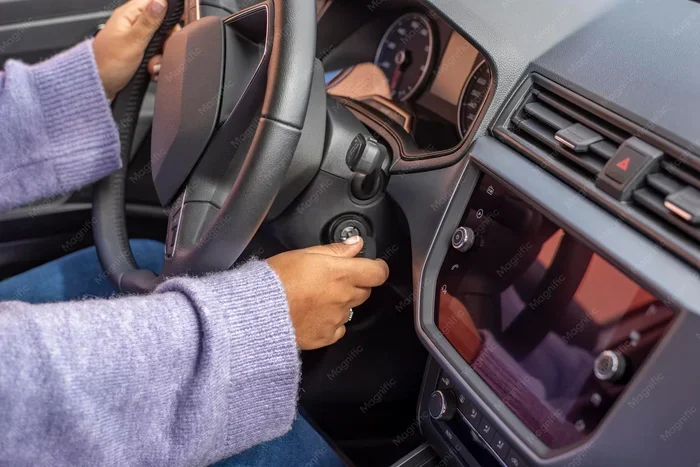
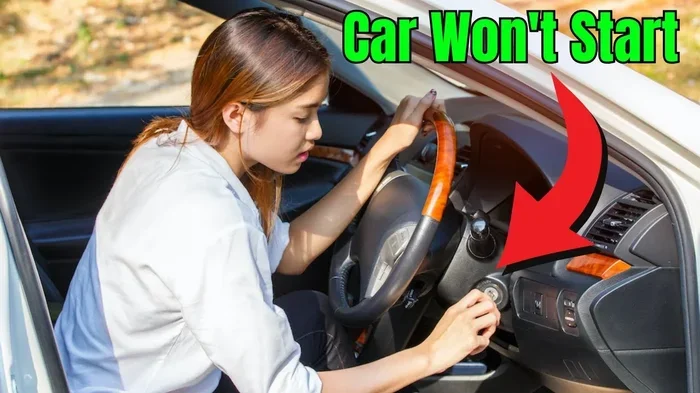
When we say a car not taking self, we mean the vehicle does not respond when you try to start it. This could show up in many ways. The engine might not crank at all. You might hear a clicking sound but no ignition. Or the dashboard lights might come on but the engine stays completely silent.
It is important to understand that this is not always one single problem. Car starting problems can come from the electrical system, the fuel system, or even the mechanical parts inside the engine. The key is to pay attention to what happens when you turn the key. Does the engine crank slowly? Do you hear nothing at all? Does the engine crank but never fire up? Each symptom points to a different cause.
Common Symptoms You Will Notice
Before you start fixing anything, you need to identify the symptoms. Here are the most common signs that your car not taking self issue is happening:
- No sound at all when you turn the key or press the start button.
- A single loud click but the engine does not turn over.
- Rapid clicking that means the battery has some power but not enough.
- Dashboard lights dim or flicker when you try to start.
- The engine cranks slowly but never catches and runs.
- The engine cranks normally but will not fire or start running.
Each of these symptoms tells a different story. A single click often points to a starter motor problem. No sound at all usually means a dead battery or bad connection. A cranking engine that will not fire might be a fuel or spark issue. Paying attention to these details saves you a lot of guesswork.
Why This Happens More Than You Think
Engine not responding issues are incredibly common. In fact, they are one of the top reasons people call roadside assistance. The reasons range from simple maintenance neglect to unexpected part failures. Cold weather makes battery problems worse. Older vehicles are more prone to ignition switch failure. And modern cars with key fobs can have key fob battery issues that mimic a dead car.
The truth is that most car starting problems come down to just a few root causes. The battery, the starter, the ignition system, and the fuel system are where most problems live. Once you understand this, troubleshooting becomes much easier. You do not need to check every single part. You just need to know where to look first.
- Always keep a set of jumper cables in your trunk. They can save you in many car won’t start situations.
- Note the exact sound your car makes when it fails. This helps mechanics diagnose the issue faster.
- Do not panic and try multiple start attempts in a row. This can drain the battery further.
Top Reasons Your Car Not Taking Self
Now let us get into the heart of the matter. There are several reasons your car not taking self problem could be happening. Each one has clear signs and specific fixes. Let us go through them one by one so you can narrow down the cause quickly.
Dead or Weak Battery
The dead battery is the number one reason cars will not start. Your battery provides the electrical power needed to crank the engine. When it loses its charge, nothing happens when you turn the key. This can happen after leaving lights on, sitting for too long, or during cold weather when batteries lose strength.
Battery corrosion is another silent killer. White or greenish buildup on the terminals blocks the electrical connection. Even if the battery has charge, the power cannot flow properly to the starter. This is one of the most overlooked causes of a car not taking self situation.
To check if the battery is the problem, look at the dashboard lights. If they are dim or do not come on at all, the battery is likely the culprit. You can also use a multimeter to test the voltage. A healthy battery should read around 12.6 volts. Anything below 12.0 volts means the battery needs charging or replacing.
Faulty Starter Motor
The starter motor is the electric motor that cranks the engine when you turn the key. When it fails, you will usually hear a single loud click or nothing at all. A faulty starter is a very common reason for engine not responding issues.
Starter motors wear out over time. The internal brushes wear down, and the solenoid can fail. In some cases, the starter motor gets stuck or locks up. This is more common in older vehicles with higher mileage. If you hear a grinding noise when you try to start, the starter gears might be damaged.
The good news is that replacing a starter motor is a straightforward repair. A mechanic can do it in about one to two hours. The cost typically ranges from 200 to 500 dollars depending on the vehicle make and model.
Ignition Switch Problems
The ignition switch is the part that sends electrical signals from the key to the starter and fuel system. When it fails, the car not taking self problem can look like a dead battery even when the battery is fine. This is one of the trickiest car starting problems because the symptoms mimic other issues.
You might notice the dashboard lights flicker when you turn the key. Or the car might start sometimes and not others. These are classic signs of an ignition switch failure. The switch wears out from regular use over thousands of key turns. It is a common issue in vehicles that are five years old or more.
Replacing an ignition switch is not too expensive, but it does require some technical knowledge. If you are not comfortable working with the electrical system, it is best to let a professional handle it.
Neutral Safety Switch and Gear Shift Issues
Many modern cars have a safety feature that prevents starting unless the transmission is in park or neutral. This is the neutral safety switch. When it fails or gets misaligned, your car won’t start in park even though everything else is working fine.
This is a surprisingly common reason for automatic transmission stuck issues. Sometimes the switch just needs to be adjusted. Other times it needs to be replaced entirely. The good news is that this is a relatively inexpensive fix.
Another related issue is a gear shift stuck in park. This can happen when the parking brake is not fully engaged or when the shift interlock mechanism fails. You can often fix this by pressing the brake pedal firmly and shifting the gear while pressing the button on the shifter.
Fuel Pump Failure
Your engine needs fuel to run. The fuel pump delivers gasoline from the tank to the engine. When the fuel pump fails, the engine will crank but never start. This is a different kind of car not taking self problem because the engine does crank, but it will not fire.
Fuel pump failure can happen from old age, contaminated fuel, or running the tank too low too often. Signs of a failing fuel pump include a whining noise from the back of the car, hesitation when accelerating, and stalling at high speeds. If the fuel pump completely dies, you will need to replace it. This repair can cost between 400 and 800 dollars depending on the vehicle.
Ignition Solenoid and Spark Plug Issues
The ignition solenoid acts as a bridge between the battery and the starter motor. When it fails, the electrical signal cannot reach the starter, and your car not taking self problem continues. A bad solenoid often produces a single click when you turn the key.
Spark plug issues are another cause of engine cranking problems. Worn or fouled spark plugs cannot create the spark needed to ignite the fuel. This means the engine turns over but does not catch. Regular spark plug replacement is one of the easiest ways to prevent this issue.
Quick Reference: Symptoms vs. Likely Causes
| Symptom | Likely Cause | Fix Difficulty |
|---|---|---|
| No sound at all | Dead battery or bad connection | Easy |
| Single loud click | Faulty starter or solenoid | Moderate |
| Rapid clicking | Weak battery | Easy |
| Engine cranks but won’t fire | Fuel pump or spark plug issue | Moderate to Hard |
| Starts sometimes, not others | Ignition switch or neutral safety switch | Moderate |
| Dashboard lights dim, no crank | Battery corrosion or dead battery | Easy |
How To Diagnose the Problem Step by Step
Now that you know the common causes, let us walk through the diagnostic process. You do not need expensive tools to start. Most of these checks take just a few minutes and can be done in your driveway or garage.
Check the Battery First
Always start with the battery because it is the most common cause. Look at the battery terminals for any white or greenish buildup. This is battery corrosion and it blocks the electrical connection. You can clean it off with a mixture of baking soda and water and a wire brush.
Next, check the battery voltage with a multimeter. Set it to DC voltage and touch the probes to the positive and negative terminals. A reading of 12.6 volts or higher means the battery is healthy. Anything below 12.0 volts means the battery needs charging. If the battery is more than three to five years old, consider replacing it even if the voltage looks okay.
Listen for the Starter Sound
When you turn the key, listen carefully. A single loud click usually means the solenoid is engaging but the starter motor is not turning. This points to a faulty starter or a bad connection between the solenoid and the motor.
If you hear a grinding or whirring noise, the starter gears might be worn or damaged. If you hear nothing at all, the electrical signal is not reaching the starter, which could be an ignition switch or wiring issue.
Test the Ignition Switch
To test the ignition switch, turn the key to the accessory position. Do the dashboard lights and radio turn on? If yes, the switch is working up to that point. Then try to start the engine. If the accessories work but the engine does not crank, the ignition switch may be failing to send the signal to the starter.
This test is not definitive on its own, but it helps you narrow down the cause. If you suspect the ignition switch, have a professional confirm the diagnosis with proper testing equipment.
Inspect the Neutral Safety Switch
If your car won’t start in park but starts in neutral, the neutral safety switch is likely the problem. This switch is designed to prevent starting when the car is in gear, but when it fails, it can prevent starting in park even when the car is safely parked.
To check this, try shifting to neutral and attempting to start. If the car starts in neutral, the neutral safety switch needs adjustment or replacement. This is a relatively simple and inexpensive fix that you can do yourself with basic tools.
- Skipping the battery check. Many people jump straight to complex diagnoses when the battery is simply dead or corroded.
- Ignoring the gear position. A car stuck in park will not start, and many people forget to check if the shifter is fully in park.
- Trying to push-start an automatic car. This can damage the transmission. Only push-start manual transmission vehicles.
- Repeatedly turning the key for long periods. This drains the battery further and can overheat the starter motor.
Quick Fixes To Get Your Car Moving Again
Once you have a good idea of what is causing the problem, you can try some quick fixes. These are the solutions that work most of the time for the most common causes of a car not taking self situation.
Jump-Starting Your Car
If the battery is the problem, jump-starting is the fastest solution. You need another vehicle with a working battery or a portable jump starter pack. Here is how to do it safely:
- Park the two vehicles close together but do not let them touch.
- Turn off both engines and all accessories.
- Connect the red jumper cable to the positive terminal of the dead battery.
- Connect the other red clamp to the positive terminal of the good battery.
- Connect the black cable to the negative terminal of the good battery.
- Connect the other black clamp to an unpainted metal surface on the dead car’s engine block.
- Start the good car and let it run for a few minutes.
- Try starting the dead car. If it starts, let it run for at least 15 minutes to recharge the battery.
Always remove the cables in the reverse order. And never let the jumper cable clamps touch each other while connected to a battery.
Tapping the Starter Motor
This is an old trick that actually works in many cases. When the starter motor’s brushes get stuck, a firm tap on the starter housing can free them up. Use a wrench or a rubber mallet and gently tap the starter motor while someone turns the key. If the engine starts, you know the starter is the problem and needs replacement.
Be careful with this method. Do not hit the starter too hard or you could damage it further. And only try this if you can safely access the starter motor under the vehicle.
Bypassing the Neutral Safety Switch
If the neutral safety switch is the issue, you can sometimes bypass it temporarily by shifting the gear to neutral and trying to start. This is not a permanent fix, but it gets you moving to a repair shop. Some vehicles also have a manual shift interlock override, usually a small slot near the shifter where you can insert a key or screwdriver to release the lock.
- Keep jumper cables in your trunk at all times. They are one of the most useful tools for car won’t start emergencies.
- A portable jump starter pack is even better because you do not need another vehicle.
- WD-40 or electrical contact cleaner can fix corroded terminals in a pinch.
- Always clean battery terminals with a wire brush during regular maintenance to prevent buildup.
When To Call a Professional Mechanic
Not every problem should be fixed at home. Knowing when to call a professional saves you time, money, and frustration. Some repairs require specialized tools and expertise that go beyond basic troubleshooting.
Signs You Need Expert Help
You should call a mechanic if you have tried the basic checks and the car not taking self problem persists. If the battery is good, the starter sounds fine, and the ignition switch tests okay, the problem might be deeper in the electrical or fuel system. Issues like fuel pump failure, transmission range sensor problems, or internal engine damage need professional diagnosis.
Also call a professional if you smell burning when you try to start the car. This could indicate a short circuit or overheating component. Never ignore this sign. Continuing to try to start a car with a burning smell can cause serious damage or even a fire.
Cost Estimates for Common Repairs
Understanding repair costs helps you decide whether to DIY or call a mechanic. Here is a rough breakdown of common repair costs for car starting problems:
- Battery replacement: 100 to 250 dollars.
- Starter motor replacement: 200 to 500 dollars.
- Ignition switch replacement: 150 to 300 dollars.
- Neutral safety switch replacement: 100 to 250 dollars.
- Fuel pump replacement: 400 to 800 dollars.
- Ignition solenoid replacement: 150 to 350 dollars.
These costs vary based on your vehicle make, model, and location. Luxury vehicles and European cars typically cost more for parts and labor. Always get a quote before authorizing any major repair.
Preventing Car Not Taking Self in the Future
The best way to deal with a car not taking self problem is to prevent it from happening in the first place. Regular maintenance and good habits go a long way in keeping your vehicle reliable.
Regular Maintenance Tips
Follow these simple maintenance habits to reduce the risk of car starting problems:
- Replace your battery every three to five years even if it seems to be working fine.
- Clean battery terminals every six months to prevent corrosion buildup.
- Keep your fuel tank at least a quarter full to prevent fuel pump damage.
- Replace spark plugs according to your vehicle’s maintenance schedule.
- Check the starter motor and ignition switch during regular oil changes and inspections.
- Replace the key fob battery once a year to avoid key fob battery issues that mimic a dead car.
Battery Care and Replacement Schedule
Your battery is the heart of the electrical system. Taking care of it prevents many car not taking self situations. Check the battery voltage at least twice a year, especially before winter and summer. Extreme temperatures are the biggest enemies of car batteries. In cold weather, a weak battery can lose up to 50 percent of its capacity. In hot weather, the acid inside the battery can evaporate faster, shortening its life.
When replacing a battery, always choose one that matches your vehicle’s specifications. The group size, cold cranking amps (CCA), and terminal configuration all matter. Using the wrong battery can cause poor performance and even damage the electrical system.
Key Takeaways
- Start with the battery every time your car will not start. It is the most common and easiest fix.
- Listen carefully to the sounds your car makes. They tell you exactly where the problem is.
- Do not ignore warning signs like slow cranking or dim lights. They are early signals of bigger problems.
- Keep basic tools and jumper cables in your car at all times. Preparation prevents being stranded.
- Regular maintenance prevents most car starting problems before they happen.
- Know your limits. Some repairs need a professional. Trying complex fixes without the right knowledge can make things worse.
Conclusion
A car not taking self is a stressful experience, but it is almost always fixable. Most causes are simple and affordable to repair. By understanding the common reasons and following the diagnostic steps in this guide, you can save time and money. Whether it is a dead battery, a faulty starter, or a stuck neutral safety switch, you now have the knowledge to tackle the problem with confidence.
Remember to start with the simplest checks first. Clean the battery terminals, check the gear position, and listen for the sounds your car makes. These small steps often reveal the answer. And when the problem is beyond your skill level, do not hesitate to call a professional mechanic. A good mechanic can diagnose issues quickly and get you back on the road safely.
Take care of your vehicle with regular maintenance, and most car starting problems will never become a major issue. Keep jumper cables handy, replace your battery on schedule, and stay proactive. Your car will reward you with reliable starts for years to come. Now you know exactly what to do when your car not taking self problem shows up again.
Frequently Asked Questions
Why does my car not taking self happen mostly in cold weather?
Cold weather reduces the chemical reaction inside your battery, which lowers its ability to deliver power. This is why car won’t start problems spike in winter. A weak battery that works fine in summer may fail completely in cold temperatures. Keeping your battery healthy and fully charged helps prevent cold-weather starting issues.
Can a bad key fob battery cause a car not taking self?
Yes, absolutely. Many modern cars rely on a signal from the key fob to allow starting. When the key fob battery dies, the car cannot detect the fob and will not start. Replacing the fob battery is usually a quick and inexpensive fix that solves the problem immediately.
How do I know if my starter motor is bad?
A bad starter motor usually produces a single loud click when you turn the key, or no sound at all. You may also hear a grinding noise. If tapping the starter motor temporarily fixes the issue, the starter is likely failing and needs replacement. A mechanic can confirm this with a proper electrical test.
Is it safe to push-start a car that will not start?
Push-starting is only safe for manual transmission vehicles. Never try to push-start an automatic car because it can damage the transmission. For manual cars, put the vehicle in second gear, release the clutch quickly while pushing, and the engine should catch. Once it starts, keep the engine running to recharge the battery.
How long does a car battery typically last before causing car starting problems?
Most car batteries last between three and five years. After that, the internal plates wear out and the battery loses its ability to hold a full charge. If your battery is older than four years, consider replacing it proactively before it causes an unexpected car not taking self situation.
What should I do if my car cranks but will not start?
If the engine cranks but does not fire up, the problem is likely in the fuel or ignition system. Check that you have enough fuel first. Then consider spark plug condition and fuel pump operation. If these checks do not reveal the issue, a professional mechanic can run diagnostic tests on the fuel system and ignition components to pinpoint the exact cause.