Everything You Need to Know About Black Film for Car Rules
Black film for car rules vary by state and can be confusing for car owners. Understanding window tint darkness levels, VLT percentages, and legal tint limits helps you stay compliant and avoid costly fines. This guide covers everything you need to know about automotive tint film regulations and car window tint laws.
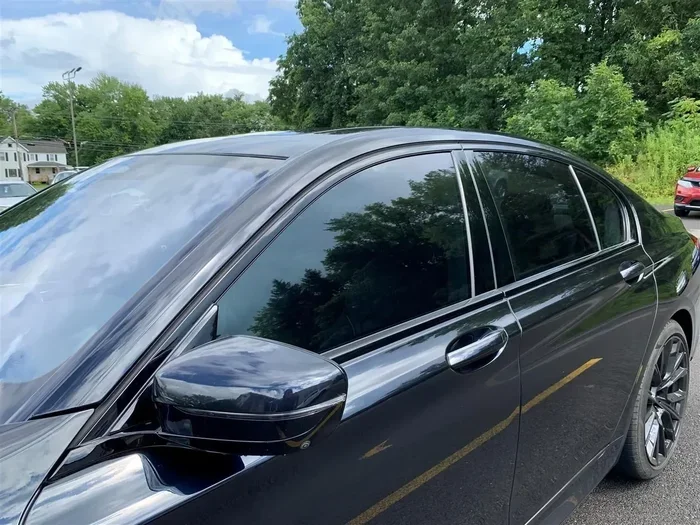
You love the look of a sleek black tint on your car. It gives your ride a sleek, polished feel. But before you roll down the street with that dark film on your windows, there is one thing you need to know. Black film for car rules are real, and they vary from state to state. Ignoring them can lead to costly fines, failed inspections, and even having to peel the film off your car.
Whether you are a first-time tint buyer or thinking about re-tinting your current windows, understanding the rules around car window tint is essential. This guide breaks down everything you need to know in plain, simple terms. We will cover legal limits, VLT percentages, state-specific rules, exemptions, and how to avoid getting a tint ticket. Let us dive right in.
Key Takeaways
- Tint laws differ by state: Each state sets its own rules for how dark your black film can be on each window.
- VLT percentage matters most: Visible Light Transmission (VLT) determines whether your tint is legal or not.
- Front side windows have stricter limits: Most states require higher light transmission on front windows than rear ones.
- Medical exemptions exist: Some states allow darker tints for individuals with specific health conditions.
- Tint tickets can be expensive: Violating tint laws can lead to fines and even requiring you to remove the film.
- Reflective tint has extra rules: Many states limit or ban metallic and reflective tint films entirely.
- Professional installation helps compliance: Working with a reputable installer ensures you pick a legal film.
📑 Table of Contents
- What Is Black Film for Cars and Why Do Rules Exist?
- Understanding Legal Tint Limits by State
- Common Black Film Tint Rules Across the Country
- Medical Exemptions for Darker Tint
- What Happens If You Violate Tint Laws?
- How to Choose Legal Black Film for Your Car
- State-by-State Comparison of Black Film Tint Rules
- Myths About Car Window Tinting Laws
- Benefits of Legal Black Film Tint
- How to Find the Right Installer for Your Black Film
- Conclusion
What Is Black Film for Cars and Why Do Rules Exist?
Black film for cars, also known as automotive tint film, is a thin layer of material applied to vehicle windows. It reduces the amount of sunlight and heat that enters your car. Many people love it for the privacy, comfort, and UV protection it provides. But governments have set window tinting laws for important safety reasons.
The main concern is visibility. Dark tint can make it harder for drivers to see at night or in poor weather conditions. It also affects how police officers can look through your windows during traffic stops. That is why every state has its own set of window tint regulations. These rules control how dark your tint can be and on which windows you can apply it.
How Tint Darkness Is Measured
Tint darkness is measured using something called VLT, which stands for Visible Light Transmission. The VLT percentage tells you how much light the film lets through. A lower VLT means a darker film. A higher VLT means more light passes through. Here is a quick breakdown:
- 5% VLT: Very dark. Almost no light passes through. Often called “limo tint.”
- 20% VLT: Dark tint. Popular for rear windows.
- 35% VLT: Medium tint. A good balance of style and visibility.
- 50% VLT: Light tint. Blocks some heat and glare while staying very clear.
- 70% VLT: Nearly clear. Minimal tint effect, mostly for UV protection.
When you hear people talk about black film for car rules, VLT is the number they are referring to. The lower the VLT, the darker the tint, and the more likely it is to run afoul of local laws.
Understanding Legal Tint Limits by State
There is no single federal law that governs car window tint darkness across the country. Instead, each state writes its own rules. This means what is legal in Arizona might be illegal in New York. That is why it is so important to check your specific state and local regulations before you invest in aftermarket window film.
Front Side Window Rules
Most states are stricter about the front side windows. These are the driver and passenger windows on either side of your car. The reason is simple: these windows are closest to the road, and drivers need clear visibility. Many states require front side windows to have a VLT of at least 70% or 50%. Some allow as low as 35%. Very few states permit extremely dark film on the front windows.
Rear Side Window and Rear Windshield Rules
The rules are usually more relaxed for rear windows. In many states, you can apply much darker black film to your back seats and rear windshield. Some states allow VLT levels as low as 5% on rear windows. However, there is often a catch. If your rear windows are heavily tinted, many states require you to have dual side mirrors to compensate for reduced visibility.
Windshield Tint Rules
Tinting the windshield is the most restricted area of all. Most states only allow a thin strip of tint along the top of the windshield, usually above the AS-1 line. Full black film on the windshield is almost universally illegal. The reason is clear: you need an unobstructed view of the road ahead, especially during sunrise and sunset.
Common Black Film Tint Rules Across the Country
While every state has its own quirks, there are some common themes in window tint laws that apply nationwide. Understanding these general patterns helps you make smarter decisions.
Reflective and Metallic Tint Restrictions
Some automotive tint films come with a metallic or reflective finish. These films look sleek and help reject heat. However, many states ban or heavily restrict reflective tint. The reason is that reflective windows can blind other drivers, much like a mirror would. If you want a matte black finish, you are usually safer than with a shiny metallic one.
Tint Colors and Restrictions
Believe it or not, some states regulate the color of your tint. Red, blue, and amber tints are often banned because they can interfere with emergency vehicle recognition. Black film is generally accepted everywhere, but it is always worth double-checking your local codes.
Side Mirror Requirements
If your rear windows are heavily tinted, you may need to install dual side mirrors. This rule exists because dark rear windows reduce your ability to see vehicles behind you. Many drivers forget about this requirement until they get pulled over.
Medical Exemptions for Darker Tint
Not everyone can tolerate normal levels of sunlight. Some people have medical conditions that make them extremely sensitive to UV rays. For these individuals, black film for car rules often include an exception path. Many states offer a medical tint exemption that allows darker film than the standard legal limit.
To qualify, you typically need a letter from a licensed physician. This letter explains your condition and why darker tint is medically necessary. You then submit it to your state’s Department of Motor Vehicles or equivalent agency. If approved, you receive a certificate or sticker to display in your vehicle.
Keep in mind that exemption rules vary widely. Some states are generous with exemptions, while others are very strict. Even with an exemption, there may still be limits on which windows can be tinted and how dark they can be.
Common Qualifying Conditions
- Lupus and other autoimmune disorders: UV exposure can trigger severe flare-ups.
- Photosensitivity: Extreme skin reactions to sunlight.
- Skin cancer history: Patients undergoing treatment may need extra protection.
- Eye conditions: Certain eye diseases make bright light painful or dangerous.
What Happens If You Violate Tint Laws?
Getting caught with illegal car window tint is more than just an annoyance. It can cost you money, time, and hassle. Here is what you need to know about the consequences of violating window tint regulations.
Tint Tickets and Fines
The most common penalty for illegal tint is a citation or ticket. Fines vary by state but typically range from $50 to $500 or more. In some states, the fine increases if you have been cited before. Repeated violations can add up quickly and may even lead to points on your driving record.
Forced Removal of Tint
In serious cases, law enforcement can require you to remove the illegal film within a set timeframe. This means paying for removal and then paying for new, legal tint. It is a costly cycle that is easy to avoid by doing your research beforehand.
Failed Vehicle Inspection
Many states include tint inspection as part of their annual or biannual vehicle safety check. If your black film is too dark, your car will fail inspection. You will not be able to register your vehicle until the tint is brought into compliance. This can be a major inconvenience, especially if you rely on your car daily.
How to Choose Legal Black Film for Your Car
Now that you understand the rules, let us talk about how to choose the right black film for car that keeps you on the right side of the law. The good news is that you do not have to sacrifice style for compliance.
Step 1: Check Your State Laws
Before you buy anything, look up your state’s specific tint darkness laws. You can usually find this information on your state’s DMV website or through a quick online search. Write down the VLT limits for each window type. This gives you a clear target to work toward.
Step 2: Choose the Right VLT Level
Once you know your legal limits, pick a film that meets or exceeds them. If your state allows 35% VLT on front windows, do not buy a 20% film and hope for the best. Always go with a film that is clearly within the legal range. When in doubt, choose a slightly lighter tint to be safe.
Step 3: Pick a Reputable Installer
A good tint installation professional will know the local laws and can recommend compliant films. They will also ensure the application is bubble-free and durable. Avoid DIY kits unless you have experience. Poorly applied film can peel, bubble, and look terrible, which only draws more attention from law enforcement.
Step 4: Keep Your Documentation
After installation, keep all receipts, certificates, and documentation in your glove box. If you ever get pulled over, having proof that your tint meets legal standards can save you from unnecessary hassle. Some states also require a special sticker or certificate to be displayed on the vehicle.
Quick Tips for Staying Compliant
- Always check your state’s current laws before tinting.
- Ask your installer about the VLT of every film they offer.
- Get a tint meter reading after installation to confirm compliance.
- Keep a copy of your medical exemption certificate in the car if applicable.
- Avoid “too dark to see through” tints, even if they look cool.
State-by-State Comparison of Black Film Tint Rules
Since tint laws vary so much, here is a general comparison of how different regions approach window tint darkness regulations. This table gives you a high-level overview.
- Southern states (Arizona, Texas, Florida): Tend to allow darker tints on rear windows, often down to 20-25% VLT. Front side window limits are more moderate.
- Northeastern states (New York, Massachusetts, New Jersey): Generally stricter. Front side window limits often hover around 70% VLT. Darker rear tints are more restricted.
- Midwestern states (Ohio, Michigan, Illinois): Fall somewhere in the middle. They allow moderate tint on rear windows while keeping front window rules tighter.
- Western states (California, Colorado, Nevada): California is notably strict, especially on front windows. Nevada tends to be more lenient on overall tint darkness.
Remember, this is just a general guide. Always verify the specific rules for your state and even your city, since some municipalities have additional restrictions on black film for car regulations.
Myths About Car Window Tinting Laws
There are a lot of myths floating around about window tinting laws. Let us clear up some of the most common ones so you do not make costly mistakes.
Myth 1: “If I Buy Tint From a Shop, It Will Be Legal”
This is not always true. Some shops install whatever the customer wants, even if it is illegal. It is your responsibility as the vehicle owner to ensure your tint complies with local laws. A reputable shop will guide you, but they are not legally liable for your choices.
Myth 2: “Dark Tint Is Only About Style”
While many people choose dark automotive tint film for aesthetics, there are practical benefits too. Tint reduces heat, blocks harmful UV rays, and adds privacy. But style should never come at the cost of safety or legal compliance.
Myth 3: “You Cannot Get Pulled Over Just for Tint”
Wrong. In many states, tinted windows are a primary reason for traffic stops. Officers can pull you over solely because your tint is too dark. Once they stop you, they will use a tint meter to measure the VLT of your windows. If you are over the legal limit, you will get a ticket.
Benefits of Legal Black Film Tint
When you choose a black film for car that follows the rules, you get all the benefits without the risks. Here is what you can look forward to.
- UV Protection: Quality tint blocks up to 99% of harmful UV rays, protecting your skin and your car’s interior.
- Heat Rejection: Dark tint significantly reduces the heat inside your car, making your drives more comfortable.
- Glare Reduction: Tint cuts down on sun glare and headlight glare from vehicles behind you.
- Privacy and Security: Legal tint gives you a level of privacy without crossing into dangerous darkness.
- Interior Protection: Your dashboard, seats, and trim last longer when protected from sun damage.
The key is finding the sweet spot between style and legality. A well-chosen black film that meets window tint regulations gives you all of these benefits and peace of mind.
How to Find the Right Installer for Your Black Film
Choosing the right professional for your tint installation is just as important as picking the right film. Here are some tips to help you find a trustworthy installer.
- Look for reviews: Check online reviews on Google, Yelp, and Facebook. Real customer experiences tell you a lot.
- Ask about warranty: A good installer offers a warranty on both the film and the workmanship.
- Check certifications: Look for installers certified by film manufacturers or industry organizations.
- Ask about VLT options: A knowledgeable installer will walk you through the VLT levels and help you pick a legal option.
- Get multiple quotes: Prices can vary significantly. Get at least two or three quotes before committing.
Taking the time to find the right installer pays off in the long run. You get a clean, bubble-free application that looks great and stays legal for years to come.
Conclusion
Black film for car rules might seem complicated at first, but they become simple once you understand the basics. The key is knowing your state’s VLT limits, choosing a legal tint level, and working with a professional installer. Always keep your documentation handy and stay informed about any changes to local window tint regulations.
Tinting your car with black film is a great way to improve comfort, style, and UV protection. Just make sure you do it the right way. Follow the rules, respect the limits, and enjoy your ride with confidence. A little research goes a long way toward keeping you safe, legal, and looking sharp on the road.
Frequently Asked Questions
What is VLT and why does it matter for black film tint?
VLT stands for Visible Light Transmission. It measures how much light passes through your tint film. The lower the VLT, the darker the tint. This number matters because window tinting laws are based on VLT percentages. If your film is too dark for your state, you risk getting a ticket.
Can I put black film on my front windshield?
In most states, full black film on the windshield is illegal. Many states only allow a small tinted strip along the top, above the AS-1 line. Always check your local car window tint rules before applying any film to the windshield.
How much does a tint ticket cost for illegal black film?
Tint ticket fines vary widely by state. They can range from around $50 for a first offense to over $500 in some areas. Some states also require you to remove the illegal tint and pass a re-inspection. Repeated violations can lead to higher fines and additional penalties.
Are there medical exemptions for darker black film tint?
Yes, many states offer a medical tint exemption for individuals with conditions that make them sensitive to sunlight. You will need a doctor’s letter explaining your condition. Once approved, you may be allowed to use darker film than the standard legal limit.
Does black film block UV rays even at legal VLT levels?
Yes, even legal tint levels can block a significant amount of UV rays. Many automotive tint films are designed to block 99% of UV radiation regardless of their darkness level. So you can enjoy UV protection without breaking any window tint regulations.
How long does black film tint last on a car?
High-quality aftermarket window film typically lasts between 5 and 10 years, depending on the brand and how well it is maintained. Proper installation and avoiding harsh cleaners can extend the life of your tint significantly. Always follow your installer’s care instructions.