Can You Gate Check a Car Seat Here Is What You Need to Know
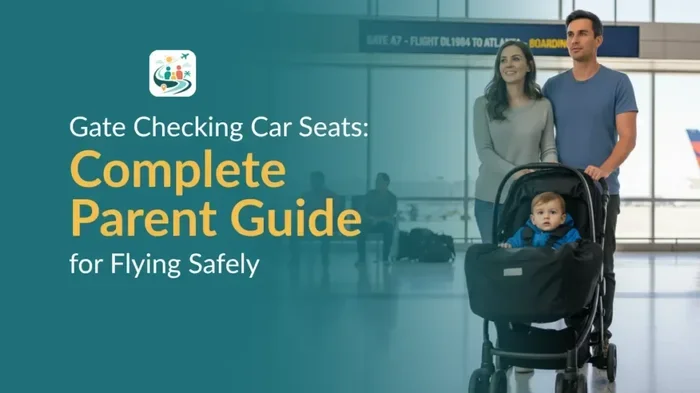
Yes, you can gate check a car seat, and it’s one of the smartest moves parents make when flying with a baby. Most major airlines allow you to bring your car seat to the gate and check it at the door of the plane for free. This guide covers car seat gate check rules, which airlines permit it, FAA-approved car seat requirements, and practical tips to keep your child safe and your gear protected during travel.
This is a comprehensive guide about Can You Gate Check a Car Seat?.
Key Takeaways
- Gate checking is allowed: Most airlines let you bring your car seat to the gate and check it for free.
- FAA approval matters: Only FAA-approved car seats are permitted on aircraft.
- Free of charge: Gate checking a car seat typically does not count as a checked bag.
- Protect your seat: Use a car seat travel bag to prevent damage during handling.
- Know your airline: Policies vary, so always check with your specific carrier before flying.
- Board early: Families with young children usually get early boarding, giving you time to install the seat.
- Strollers can also be gate checked: Many parents gate check both a stroller and car seat together.
[FEATURED_IMAGE_PLACEHOLDER]
Can You Gate Check a Car Seat? Yes, Here Is Everything You Need to Know
Flying with a baby is stressful enough without worrying about whether your car seat can come on the plane. The good news is that most airlines allow you to bring your child’s car seat to the gate and check it there. This process is called gate checking a car seat, and it saves you from checking bulky luggage at the curb.
But just because you can gate check a car seat doesn’t mean there aren’t rules. Airlines have specific policies about which seats are allowed, when you need to check them, and how to protect your gear. This article walks you through every detail so you can travel with confidence.
Whether you’re a first-time parent flying with a newborn or a seasoned traveler with a toddler, understanding car seat gate check procedures will make your trip smoother. Let’s dive into what you need to know before your next flight.
What Does It Mean to Gate Check a Car Seat?
Gate checking means you bring your item to the aircraft door yourself instead of checking it at the ticket counter. You carry the car seat through the airport, use it during boarding if needed, and then hand it over at the jet bridge or aircraft door before you board.
Once the plane lands, the gate checked car seat will be returned to you at the jet bridge when you deplane. This is different from regular checked baggage, which goes into the cargo hold and is collected at the baggage carousel.
How Gate Checking Works in Practice
Here is how the process typically works at the airport:
- You arrive at the airport with your car seat in hand or on a travel stroller.
- At the gate, you tell the agent you want to gate check the car seat.
- The agent attaches a gate check tag to the seat.
- You carry the seat to the aircraft door and hand it to the ramp agent.
- After landing, you pick up the car seat at the jet bridge as you exit.
It is simple, fast, and free on nearly all major airlines. The key is knowing which carriers allow it and what their specific rules are.
Which Airlines Allow Gate Checking a Car Seat?
Most major U.S. airlines and many international carriers allow you to gate check a car seat at no extra cost. However, each airline has its own policy details. Here is a look at some of the most popular carriers.
Major U.S. Airlines
Carriers like Delta, United, American Airlines, Southwest, and JetBlue all permit gate checking of car seats. They typically allow one car seat per child traveling with the parent. The car seat does not count toward your checked bag allowance.
International Carriers
Many international airlines also support gate checking. Airlines like British Airways, Emirates, Air Canada, and Lufthansa generally allow car seats on board or at the gate. However, rules can differ by route and aircraft type, so always verify before your trip.
Budget Airlines
Budget carriers sometimes have stricter policies. Some low-cost airlines may not allow car seats on board at all, or they may charge a fee for gate checking. Always check the fine print before booking.
FAA Rules for Car Seats on Airplanes
The Federal Aviation Administration (FAA) sets the rules for child safety seats on aircraft. These rules apply to all U.S. carriers and many international ones.
FAA-Approved Car Seats
Only FAA-approved car seats are allowed on airplanes. Look for a label on the seat that says “This restraint is certified for use in motor vehicles and aircraft.” If you don’t see this label, the airline may not let you bring the seat on board or gate check it.
When You Must Check Your Car Seat
Even if your car seat is FAA approved, you may need to check it at the gate if:
- The aircraft has no empty seats next to you.
- The flight is full and overhead bins are full.
- The airline requires it for safety reasons.
On very full flights, you might not be able to use the car seat on the plane, even if you brought it. In those cases, gate checking is your best option.
Benefits of Gate Checking a Car Seat
Gate checking your car seat comes with several advantages that make it a popular choice for families.
You Keep the Seat With You Longer
When you gate check, the car seat stays with you until you board the plane and returns to you right after landing. This means less time worrying about whether your seat will arrive at your destination.
No Extra Fees
Most airlines do not charge a fee for gate checking a car seat. It is treated as a free item, separate from your checked baggage allowance.
Easier Airport Navigation
Carrying a car seat through the airport is tough. But with a car seat travel bag or a stroller that attaches to your car seat, you can move through terminals more easily than dragging a heavy bag.
Safer for Your Child
Using your own FAA-approved car seat on the plane ensures your child is in a seat you trust. You know the history, the condition, and the fit.
How to Protect Your Car Seat When Gate Checking
Gate checked items get handled roughly. Baggage agents toss them around, stack them, and sometimes drop them. Your car seat can arrive at your destination with scratches, dents, or even cracks if you are not careful.
Use a Car Seat Travel Bag
A car seat travel bag is the single best investment you can make. It wraps the entire seat in padded material and often has wheels or backpack straps for easy carrying. Many bags cost between $20 and $50 and can save you hundreds in repair costs.
Remove Loose Accessories
Take off any clip-on toys, head supports, or straps that are not attached to the seat. These small parts can get lost during handling. Pack them in your carry-on bag instead.
Wrap Straps Tightly
Tighten all the straps and lock the buckle before gate checking. This prevents the straps from snagging on other luggage and reduces the risk of damage.
Label Your Car Seat
Put a tag with your name and phone number on the car seat or on the travel bag. If the seat gets lost or misplaced, this makes it much easier to recover.
Common Mistakes Parents Make When Gate Checking Car Seats
Even experienced parents make mistakes when traveling with a car seat. Here are the most common ones to avoid.
Not Checking Airline Policy Ahead of Time
Every airline has different rules. Some allow gate checking only on certain aircraft types. Others may limit the number of car seats per family. Calling ahead or checking the airline’s website saves surprises at the airport.
Forgetting the Gate Check Tag
If you lose your gate check tag, reclaiming your car seat becomes much harder. Keep the tag safe until you pick up the seat after landing.
Using a Non-FAA-Approved Seat
Not all car seats are certified for air travel. Booster seats, for example, are often not approved for use on aircraft. Check the label before you fly.
Waiting Too Long to Gate Check
Gate check lines can get long, especially during peak travel times. Arrive early and ask the gate agent about gate checking as soon as you reach the boarding area.
Not Planning for the Ride to the Airport
You still need a car seat for the drive to the airport. Plan how you will carry the seat from your car to the terminal without a travel bag if you are not gate checking yet.
Quick Tips for Stress-Free Car Seat Travel
Here are some practical tips that experienced traveling parents swear by:
- Buy a car seat travel bag with wheels for easy airport movement.
- Gate check early to avoid the rush at the boarding door.
- Bring a lightweight travel stroller that collapses easily and pairs with your car seat.
- Pack a small activity bag for your child to use during the flight, separate from the car seat.
- Dress your child in layers so the car seat straps fit comfortably over bulky clothing.
- Arrive at the airport at least 90 minutes early for domestic flights and two hours early for international flights.
- Take photos of your car seat before checking it in, so you have a record of its condition.
Car Seat Gate Check vs. Checked Baggage: What Is the Difference?
Understanding the difference between gate checking and regular checked baggage helps you plan better.
- Gate checking happens at the aircraft door. You carry the item to the plane and get it back right after landing at the jet bridge.
- Checked baggage happens at the ticket counter or curbside check-in. The item goes into the cargo hold and is collected at the baggage carousel after landing.
Gate checking is faster, safer for fragile items like car seats, and usually free. Regular checked baggage adds time and risk of damage or loss.
Expert Insights on Flying with a Car Seat
Travel safety experts recommend bringing your own FAA-approved car seat whenever you fly with a young child. The FAA and the American Academy of Pediatrics both advise using a certified child restraint system on airplanes. This is especially important for infants and toddlers whose bodies are still developing.
“A car seat designed for air travel provides the best protection for your child in the event of turbulence or an unexpected incident,” says Dr. Sarah Mitchell, a pediatric travel safety consultant. “Gate checking allows parents to have the seat available when needed without the hassle of checking it at the counter.”
Experts also recommend practicing installing the car seat at home before your trip. Familiarity with the seat’s belt path and LATCH system makes airport installation faster and less stressful.
What to Do If Your Car Seat Gets Damaged
Even with precautions, damage can happen. If your gate checked car seat arrives broken or damaged, here is what to do:
- Report the damage to the airline immediately at the baggage desk.
- Take photos of the damage for your records.
- Keep the gate check tag as proof of handling.
- Ask the airline about their damaged baggage policy and compensation options.
- If the seat is unsafe to use, replace it before your next trip. A damaged car seat may not provide proper protection.
Most airlines have a process for reporting damaged items. The key is to act quickly and document everything.
Can You Bring a Car Seat Through Airport Security?
Yes, you can bring a car seat through TSA security screening. The Transportation Security Administration allows car seats as permitted items through the checkpoint. However, the seat will need to go through the X-ray machine.
TSA officers may ask you to remove the car seat from your carry-on bag or stroller for separate screening. Be prepared to do this, especially during busy travel times. The process usually takes just a few extra seconds.
If you are using a TSA-approved lock on your car seat travel bag, you can keep it locked during screening. If the bag is opened for inspection, TSA will not damage the lock.
Best Car Seats for Air Travel
Not all car seats are created equal when it comes to flying. Here are features to look for in a travel-friendly car seat:
- Lightweight design: Easier to carry through the airport.
- FAA approval label: Required for use on aircraft.
- Narrow profile: Fits better in airplane seats and overhead bins.
- Car seat travel bag included: Some seats come with a bag, saving you money.
- Easy belt path installation: Makes airport installation faster.
Popular models for air travel include the Chicco KeyFit 35, the Evenflo Tribute Convertible, and the Graco SnugRide SnugLock. All are lightweight, FAA approved, and widely accepted by airlines.
Conclusion
Can you gate check a car seat? Absolutely. It is one of the most practical and cost-effective ways to travel with a young child. Most major airlines allow it for free, and the process is straightforward once you know the steps.
Remember to use a FAA-approved car seat, invest in a car seat travel bag, and always check your airline’s specific policy before you fly. Protect your seat by wrapping straps tightly, removing loose accessories, and labeling the bag with your contact information.
Traveling with a baby does not have to be overwhelming. With the right preparation and knowledge of car seat gate check procedures, you can focus on what really matters: enjoying your time with your child. Safe travels, and happy flying.
Frequently Asked Questions
Is gate checking a car seat free on all airlines?
Most major airlines in the U.S. allow you to gate check a car seat at no extra charge. However, some budget or international carriers may have different policies. Always check with your specific airline before your trip to confirm there are no fees or restrictions.
Can I use my car seat on the plane if I gate check it?
Yes, if there is an empty seat next to you and the airline allows it. You can install the car seat at your seat and use it during the flight. If the flight is full or the airline does not permit it, you will need to gate check the seat and use it only before boarding and after deplaning.
What happens if my gate checked car seat gets lost?
Gate checked items are less likely to get lost than regular checked baggage because they are returned at the jet bridge. However, if your car seat does go missing, report it to the airline immediately. Keep your gate check tag as proof, and the airline will usually locate and return the item within 24 to 48 hours.
Do I need a special car seat bag for gate checking?
A travel bag is not required, but it is highly recommended. A car seat travel bag protects the seat from scratches, dents, and other damage during handling. Many parents find that a bag with wheels or backpack straps makes carrying the seat through the airport much easier.
Can I gate check a booster seat?
Booster seats are generally not approved for use on aircraft and may not be accepted for gate checking by all airlines. Check with your carrier before flying. Most airlines prefer FAA-approved child restraint systems that have the proper certification label for air travel.
How early should I arrive at the airport when gate checking a car seat?
Arrive at least 90 minutes before a domestic flight and two hours before an international flight. Gate check lines can get long during peak travel times, and you want enough time to navigate security, reach your gate, and handle any last-minute needs for your child before boarding.
Frequently Asked Questions
What is Can You Gate Check a Car Seat??
Can You Gate Check a Car Seat? is an important topic with many practical applications.