What Happens If Your Gas Tank Is Open While Driving
Driving with your gas tank open can cause serious problems. You risk fuel evaporation, engine damage, and safety hazards from fuel vapors. The check engine light will likely turn on, and your fuel economy can drop significantly. This guide covers everything you need to know about the dangers and what to do if it happens.
You just pulled into the gas station. Fueled up. Paid. Drove off. But did you remember to tighten your gas cap? Maybe you rushed out. Maybe it was windy. Maybe you just forgot. Now you’re on the highway, and your gas tank is open while driving. What happens next? The short answer is: more problems than you might think.
An open gas tank might seem like a small oversight. But it can lead to real issues with your vehicle’s performance, safety, and even your wallet. Fuel vapors escape. The engine management system gets confused. Your check engine light may pop on. And in worst-case scenarios, you could face a genuine safety hazard.
This article breaks down everything that can go wrong when your gas cap is off or loose while driving. We will cover the immediate risks, the long-term damage, what your car’s warning lights mean, and exactly what you should do. Whether you already made the mistake or want to prevent it, this guide has you covered.
Key Takeaways
- Safety Hazard: An open gas tank creates fire and explosion risks from fuel vapors near hot engine parts.
- Engine Damage: A missing or loose gas cap disrupts the EVAP system and can trigger the check engine light.
- Fuel Loss: Open tanks cause fuel evaporation, wasting money and reducing your fuel economy.
- Emissions Problems: Gas vapors escape into the atmosphere, increasing harmful emissions and failing emissions tests.
- Easy Fix: Simply closing the gas cap solves most problems, but prolonged driving with it open may require professional diagnosis.
- Legal and Environmental Concerns: Driving with an open tank may violate environmental regulations in some areas.
- Prevention Is Simple: Always double-check your gas cap after refueling to avoid all these issues.
📑 Table of Contents
- What the Gas Cap Actually Does
- Immediate Safety Risks of Driving with an Open Gas Tank
- How an Open Gas Tank Affects Your Vehicle
- Long-Term Damage from Driving with an Open Gas Tank
- What to Do If You Realize Your Gas Cap Is Off
- Common Mistakes People Make with Their Gas Cap
- Quick Tips to Prevent Gas Cap Issues
- Expert Insights on Gas Cap Maintenance
- Environmental Impact of an Open Gas Tank
- Conclusion
What the Gas Cap Actually Does
Before we dive into what goes wrong, let us talk about what the gas cap does. It is not just a simple cover. Your gas cap plays a critical role in your vehicle’s fuel system. It seals the tank and keeps fuel vapors from escaping into the air.
Modern cars have something called an EVAP system. That stands for Evaporative Emission Control. This system captures fuel vapors and routes them back into the engine to be burned. The gas cap is a key part of this sealed system. When the cap is on and tightened properly, it maintains the right pressure inside the tank.
Without a properly sealed gas cap, the whole system falls apart. Pressure drops. Vapors leak out. The car’s computer detects the problem and starts throwing codes. Understanding this helps explain why something that seems so small can cause so many headaches.
The Role of the Charcoal Canister
Your car also has a charcoal canister that absorbs fuel vapors when the tank is sealed. When the gas cap is off, those vapors escape directly into the atmosphere instead of being stored and reused. This means your car wastes fuel and pollutes more. It is a simple part with an important job.
Immediate Safety Risks of Driving with an Open Gas Tank
The first concern with an open gas tank is safety. Fuel vapors are flammable. They can ignite if they come into contact with a spark or hot surface under your car. While this is rare, it is a real risk you should not ignore.
Fire and Explosion Hazards
Gasoline vapors are heavier than air. They can travel along the ground and find an ignition source. If you are driving near hot engine components, exhaust pipes, or even sparks from the road, there is a potential danger. The risk is higher in hot weather or when parked near open flames.
Driving with an open fuel tank also means fuel can spill. If you hit a bump, take a sharp turn, or brake hard, liquid fuel may leak out. Spilled fuel on hot engine parts is extremely dangerous. This is not something to take lightly.
Health Risks from Fuel Fumes
Breathing in gasoline fumes is harmful. Prolonged exposure can cause headaches, dizziness, nausea, and respiratory issues. If your gas cap is missing, those fumes can enter your car’s cabin. You and your passengers may experience discomfort or even mild symptoms of exposure. It is not something you want to breathe in regularly.
How an Open Gas Tank Affects Your Vehicle
Beyond safety, an open gas tank causes a range of mechanical problems. Let us look at the specific ways your car suffers when the cap is off or loose.
The Check Engine Light Will Turn On
This is the most common and immediate sign that something is wrong. Your car’s Engine Control Unit monitors the fuel system pressure. When it detects a leak or low pressure, it stores a trouble code and lights up the check engine light. The most common code you will see is P0457, which means the evaporative emission control system has a leak detected.
Here is the tricky part. The check engine light might not come on right away. Sometimes it takes a few minutes of driving with the cap off before the system registers the problem. So you might not even notice immediately. But once the light is on, you need to address it.
Fuel Economy Drops Significantly
When your gas cap is open, fuel evaporates faster. Gasoline turns into vapor and escapes into the air instead of staying in the tank. This means you are literally burning money. Over time, the fuel loss adds up. You might notice you need to fill up more often than usual.
An open tank also disrupts the fuel-to-air mixture. The engine may run lean because the fuel system pressure is too low. This can cause rough idling, stalling, or hesitation when you accelerate. All of these issues reduce your miles per gallon.
Engine Performance Problems
Your engine relies on a precise balance of air and fuel. When the gas cap is off, the fuel vapor system cannot maintain proper pressure. This can lead to several performance issues:
- Rough idle: The engine shakes or sounds uneven when stopped.
- Hesitation: The car struggles to respond when you press the gas pedal.
- Stalling: The engine may shut off unexpectedly, especially at low speeds.
- Hard starting: You may have trouble getting the car started after turning it off.
- Reduced power: The car feels sluggish, especially when climbing hills or carrying a load.
These symptoms happen because the oxygen sensor and mass airflow sensor receive incorrect readings. The car’s computer tries to compensate, but it cannot fix the root cause without a properly sealed fuel system.
Long-Term Damage from Driving with an Open Gas Tank
Driving with an open gas tank once or twice probably will not destroy your car. But repeatedly doing so or driving long distances without a cap can cause real damage over time. Here is what to watch out for.
Damage to the EVAP System
The EVAP system is designed to work within a sealed environment. When the gas cap is missing, unfiltered air and contaminants can enter the system. This can clog the charcoal canister or damage the purge valve. Replacing these parts can be expensive, often costing several hundred dollars.
The vent valve and canister purge valve are especially vulnerable. These small components regulate the flow of fuel vapors. When debris or excess moisture enters the system, they can fail prematurely. A failed EVAP component means a more complex and costly repair.
Failed Emissions Test
If you live in an area that requires annual emissions testing, an open gas cap can cause you to fail. The emissions system is designed to prevent fuel vapors from reaching the atmosphere. When the cap is off, the system cannot do its job. Even after you replace the cap, your car may need to be driven for a while before the system resets and passes the test.
Fuel Pump Damage
Your fuel pump relies on fuel surrounding it to stay cool. When fuel evaporates faster due to an open tank, the pump can overheat. Over time, this reduces the lifespan of the fuel pump. Replacing a fuel pump is one of the more expensive repairs on a vehicle, often costing between four hundred and eight hundred dollars depending on the car.
What to Do If You Realize Your Gas Cap Is Off
So you are driving and suddenly realize your gas cap is missing or loose. Do not panic. Here is exactly what you should do.
Step 1: Pull Over Safely
Find a safe place to pull over. Use your turn signal and slow down gradually. Do not slam on the brakes. Once you are stopped, turn off the engine if you are concerned about fuel vapors.
Step 2: Check for Fuel Leaks
Look under the car and around the fuel tank area. Do you see any liquid fuel on the ground? Do you smell strong gasoline fumes? If you see or smell fuel, do not start the engine. Call for roadside assistance instead.
Step 3: Replace the Gas Cap
If you have a spare gas cap in your trunk or glove box, put it on now. If not, most gas stations carry replacement caps for a few dollars. Make sure the new cap clicks when you tighten it. A loose cap is almost as bad as no cap at all.
Step 4: Drive to a Repair Shop if Needed
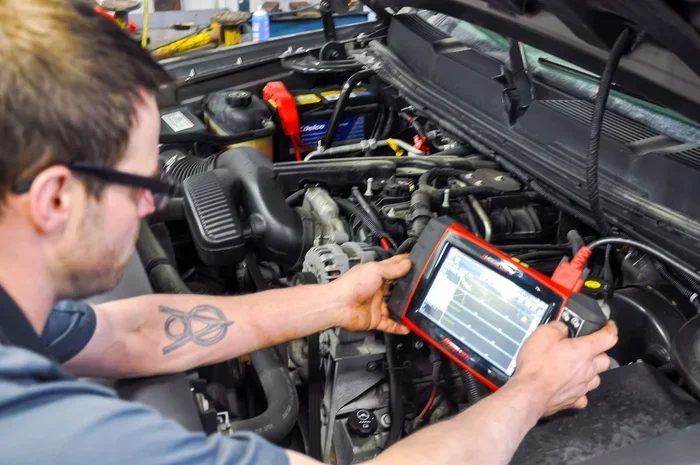
If the check engine light is on, you may want to have the codes read. Many auto parts stores will read them for free. Sometimes the light will turn off on its own after a few drive cycles once the system detects the cap is properly sealed. But if it does not, a professional can clear the code and make sure nothing else was damaged.
Common Mistakes People Make with Their Gas Cap
You are not alone if you have forgotten to put the gas cap back on. It happens more often than you might think. Here are some common mistakes and how to avoid them.
Not Tightening the Cap Enough
Some people put the cap back on but do not tighten it fully. The cap needs to click at least three times to create a proper seal. If you just hand-tighten it without clicking, it may not be enough to keep the system sealed.
Using the Wrong Gas Cap
Not all gas caps are the same. Different vehicles require different cap sizes and sealing specifications. Using the wrong cap can cause the same problems as having no cap at all. Always check your owner manual for the correct replacement cap.
Ignoring the Warning Light
Many people see the check engine light and ignore it. They assume it will go away on its own. While sometimes it does, an open gas cap warning should always be addressed promptly. Ignoring it can lead to more serious and expensive repairs down the road.
Leaving the Cap Off While Refueling
This sounds obvious, but some people leave the cap off while they pay inside or chat with a friend. Even a few minutes with the cap off on a hot day can cause fuel vapors to escape and create a strong gasoline smell in your car.
Quick Tips to Prevent Gas Cap Issues
Preventing gas cap problems is easy. Here are some simple habits that can save you time, money, and stress.
- Always click the cap three times after refueling to ensure a proper seal.
- Do a quick visual check before leaving the gas station.
- Replace your gas cap every few years. The seal can wear out over time, causing it to not close properly even when tightened.
- Keep a spare cap in your trunk, especially if you frequently drive long distances.
- Pay attention to the check engine light. If it comes on shortly after filling up, the cap is the first thing to check.
- Do not overfill the tank. Pumping past the click can flood the EVAP system and cause similar problems to a missing cap.
- Clean the cap and tank opening regularly. Dirt and debris can prevent a proper seal.
Expert Insights on Gas Cap Maintenance
Automotive experts agree that the gas cap is one of the most overlooked but important parts of your vehicle. According to the National Highway Traffic Safety Administration, a loose or missing gas cap is one of the most common reasons for a check engine light. It is also one of the easiest to fix.
Mechanics recommend inspecting your gas cap during routine maintenance. Look for cracks, worn threads, or a damaged seal. A cap that does not sit flush or clicks fewer than three times needs to be replaced. Most replacement caps cost between five and fifteen dollars and take seconds to install.
Some modern vehicles have a gas cap warning feature that displays a specific icon on the dashboard. If you see a fuel cap icon or a message saying “Check Fuel Cap,” pull over and inspect it. This built-in warning is your car’s way of telling you something is wrong before it becomes a bigger problem.
Environmental Impact of an Open Gas Tank
Driving with an open gas tank is not just bad for your car. It is bad for the environment. Fuel vapors contain volatile organic compounds that contribute to smog and air pollution. The Environmental Protection Agency estimates that a single vehicle can lose several pounds of fuel vapor per year if the emissions system is not working correctly.
The EVAP system was specifically designed to prevent these vapors from entering the atmosphere. When your gas cap is off, you are bypassing this important environmental safeguard. It is a small part that makes a big difference in reducing harmful emissions.
Conclusion
Driving with your gas tank open while driving is not something to take lightly. The risks range from minor inconveniences like a check engine light and reduced fuel economy to serious safety hazards like fire and fuel leaks. The good news is that prevention is simple and the fix is usually free or very inexpensive.
Always make sure your gas cap is on and tightened properly after every fill-up. Pay attention to your dashboard warnings. If you ever realize the cap is missing, pull over safely and address it right away. Taking care of this small detail can save you from bigger problems and keep your car running smoothly for years to come.
Remember, your gas cap is the gatekeeper of your fuel system. Treat it well, and it will do its job. Ignore it, and you will face the consequences. Stay safe, stay informed, and always check your cap before you drive away from the pump.
Frequently Asked Questions
Can driving with the gas cap off damage my engine?
Yes, it can. An open gas tank disrupts the EVAP system and fuel pressure, which can cause rough idling, stalling, and reduced engine performance over time. Prolonged driving without a cap may also damage the charcoal canister and purge valve, leading to costly repairs.
How far can I drive without a gas cap?
You can drive a short distance without a gas cap, but it is not recommended. The distance depends on your vehicle model and driving conditions. However, even a short drive with an open tank can trigger the check engine light and waste fuel through evaporation.
Will my car pass an emissions test with the gas cap off?
No, it will not. An open gas cap causes the emissions system to fail because fuel vapors escape into the atmosphere instead of being recaptured. You will likely need to replace the cap and drive for several cycles before the system resets and passes the test.
What does the gas cap warning light look like?
The gas cap warning varies by vehicle but often looks like a fuel pump icon with a cap or simply the word “CAP.” Some vehicles display a specific message like “Check Fuel Cap.” If you see this icon, inspect your gas cap immediately.
How much does it cost to replace a gas cap?
A replacement gas cap typically costs between five and fifteen dollars at most auto parts stores. Some vehicles require a specific cap model, which may cost slightly more. It is one of the cheapest and easiest car parts to replace yourself.
Can a loose gas cap cause the check engine light to flash?
Yes, a loose or missing gas cap can cause the check engine light to illuminate or even flash in some vehicles. The car’s computer detects a leak in the evaporative emission system and triggers the warning. Tightening or replacing the cap usually resolves the issue within a few drive cycles.