What Causes the TRAC Off Light to Come On in Your Vehicle
What Causes the TRAC Off Light to Come On is an essential topic that provides valuable insights.
Key Takeaways
- Understanding What Causes the TRAC Off Light to Come On: Provides essential knowledge
📑 Table of Contents
- Understanding the TRAC Off Light
- Common Reasons the TRAC Off Light Comes On
- Comparison Table: TRAC Off Light Causes and Severity
- How to Diagnose the TRAC Off Light Problem
- Step-by-Step Fixes for TRAC Off Light Issues
- When to See a Professional Mechanic
- Preventing the TRAC Off Light from Coming Back
- Key Takeaways
Understanding the TRAC Off Light
Before we dive into causes, let us understand what the TRAC off light actually means. TRAC stands for Traction Control. It is a safety system built into your vehicle that helps prevent your wheels from slipping, especially on wet or icy roads. When the system works properly, it keeps your car stable and your tires gripping the road.
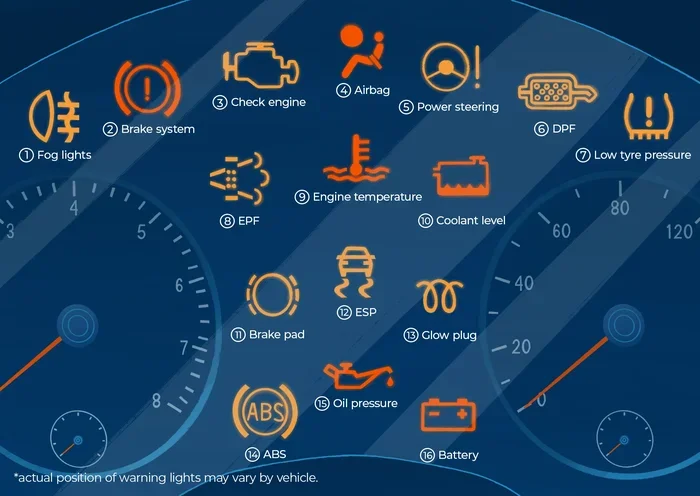
The traction control light can appear in a few different ways. Sometimes it shows as a simple “TRAC OFF” text on your dashboard. Other times, it looks like a car with squiggly lines behind it. Both mean the same thing: your traction control is not active.
How the Traction Control System Works
Your traction control system works closely with the ABS system (Anti-lock Braking System). Here is how it all comes together:
- Wheel speed sensors monitor how fast each wheel is spinning.
- The traction control module reads data from these sensors in real time.
- If a wheel starts to slip, the system applies the brake to that wheel or reduces engine power.
- The result is better grip and a safer ride on slippery surfaces.
When any part of this chain breaks down, your car’s computer triggers the TRAC off light as a warning. Think of it as your car saying, “Hey, something is not right with my traction control.”
Common Reasons the TRAC Off Light Comes On
Now let us get into the heart of the matter. There are several reasons the TRAC off light might illuminate. Some are minor and easy to fix. Others need a bit more attention. Let us go through them one by one.
1. Faulty Wheel Speed Sensor
This is the number one cause of the TRAC off light showing up. Every wheel has a speed sensor attached to it. These small sensors send data to your car’s computer about how fast each wheel is turning. When one sensor fails or gets dirty, the computer cannot read the data correctly.
Here is what happens:
- The sensor sends wrong or no signals.
- The traction control module loses communication with that wheel.
- The system shuts itself off for safety.
- The TRAC off light turns on.
Wheel speed sensors get exposed to road grime, salt, and moisture every day. Over time, they wear out or get clogged. This is a very common vehicle stability control issue that affects many makes and models.
2. Bad ABS Sensor or ABS Module
Since the traction control system shares components with the ABS system, a problem with your ABS can trigger the TRAC light too. The ABS sensor works the same way as the wheel speed sensor. If it fails, both systems can go down.
In some cases, the entire ABS module can fail. This is more serious and more expensive to repair. You might notice other symptoms too, like the ABS light coming on at the same time or your brakes feeling different during hard stops.
3. Blown Traction Control Fuse
Every electrical system in your car has a fuse to protect it. The traction control fuse guards the TRAC system. If too much current flows through, the fuse blows and cuts power to the system.
This is one of the simplest causes to check. You can usually find the fuse box under your dashboard or in the engine bay. Check your owner’s manual for the exact location of the traction control fuse. If it is blown, replacing it is quick and cheap.
4. Faulty Steering Angle Sensor
Your car has a steering angle sensor that tells the computer where your steering wheel is pointed. This information helps the traction control system know how to adjust power and braking. If this sensor goes bad or needs recalibration, the TRAC off light can come on.
You might notice this issue after a steering wheel replacement or a front-end alignment. The sensor loses its reference point and needs to be reset.
5. Low Brake Fluid or Brake Light Switch Issues
The traction control system relies on your brakes to work properly. If your brake fluid is low, the system may shut down as a safety precaution. Similarly, a bad brake light switch can send incorrect signals to the car’s computer.
This is another reason why you should always check your brake fluid level regularly. Low brake fluid is not just a TRAC light issue. It is a serious safety concern on its own.
6. Wiring or Electrical Problems
Sometimes the problem is not a specific part but the wiring that connects all the parts together. Corroded connectors, damaged wires, or loose plugs can interrupt the traction control system. This is especially common in older vehicles or cars that have been through rough conditions.
Water can get into connectors under the car and cause corrosion over time. Rodents can also chew through wires. These issues are tricky to diagnose but very fixable once found.
7. You Manually Turned Off TRAC
This one is simple but often overlooked. Many vehicles have a traction control switch on the dashboard or center console. If you or someone else accidentally pressed it, the TRAC system turns off and the light comes on.
Check your owner’s manual to find the traction control switch location in your car. Simply pressing it again usually turns the system back on and shuts off the light.
8. Yaw Rate Sensor Malfunction
Your car has a yaw rate sensor that measures how fast your vehicle is rotating around its vertical axis. This helps the vehicle stability control system know if your car is sliding or spinning. When this sensor fails, the TRAC light often comes on as well.
The yaw rate sensor is usually located near the center of the car, under the dashboard or in the suspension area. It is not a part that fails often, but when it does, it needs replacement.
Comparison Table: TRAC Off Light Causes and Severity
| Cause | Severity | Repair Cost | DIY Fixable? |
|---|---|---|---|
| Faulty Wheel Speed Sensor | Moderate | $100 – $300 | Yes |
| Bad ABS Sensor or Module | High | $200 – $600 | No |
| Blown Traction Control Fuse | Low | $5 – $15 | Yes |
| Faulty Steering Angle Sensor | Moderate | $150 – $400 | Sometimes |
| Low Brake Fluid | Low to Moderate | $10 – $50 | Yes |
| Wiring or Electrical Issues | Moderate to High | $100 – $500 | Sometimes |
| Manual TRAC Switch Off | Low | Free | Yes |
| Yaw Rate Sensor Failure | High | $200 – $500 | No |
Use this table to get a quick idea of what might be causing your TRAC off light and how serious it might be. Keep in mind that costs vary by vehicle model and location.
How to Diagnose the TRAC Off Light Problem
Figuring out exactly why your TRAC off light is on takes a bit of detective work. Here is a step-by-step approach you can follow at home.
Step 1: Check if TRAC Was Manually Turned Off
Before you panic, look for the traction control switch on your dashboard or center console. If the TRAC system was turned off manually, simply press the button to turn it back on. The light should go off within a few seconds.
Step 2: Check for Other Warning Lights
Is the check engine light on too? Is the ABS light also illuminated? Multiple lights at once usually point to a shared component like a wheel speed sensor or the ABS module. Take note of all the lights that are on.
Step 3: Check Your Brake Fluid
Open the hood and locate the brake fluid reservoir. The fluid level should be between the minimum and maximum marks. If it is low, top it off with the correct type of brake fluid for your vehicle. Low brake fluid can trigger the TRAC off light directly.
Step 4: Inspect the Traction Control Fuse
Find your fuse box and look up the traction control fuse in your owner’s manual. Pull it out and check if the metal strip inside is broken. A blown fuse is easy and cheap to replace.
Step 5: Use an OBD-II Scanner
This is the most powerful tool for diagnosing the TRAC off light. An OBD-II scanner plugs into a port under your dashboard and reads diagnostic trouble codes from your car’s computer. These codes tell you exactly which part is causing the problem.
You can buy a basic scanner for under $30 or visit an auto parts store. Many stores like AutoZone will read your codes for free. The codes will point you toward the right repair path.
Quick Tips for Diagnosis
- Always write down the codes your scanner gives you. You can look them up online or ask a mechanic.
- Do not ignore the check engine light if it is on at the same time. It often holds the key to solving the TRAC issue.
- If your car was recently in a collision or had front-end work done, check the steering angle sensor first.
Step-by-Step Fixes for TRAC Off Light Issues
Once you know the cause, you can start fixing the problem. Here are practical fixes for the most common issues.
Fix 1: Replace a Faulty Wheel Speed Sensor
If your OBD-II scanner shows a code related to a wheel speed sensor, this is likely the culprit. Here is how to replace it:
- Find the sensor at the back of the wheel hub.
- Disconnect the electrical connector.
- Remove the mounting bolt.
- Pull out the old sensor.
- Install the new sensor and reconnect the wire.
- Clear the codes with your scanner.
Most wheel speed sensors cost between $20 and $60. The job takes about 30 to 60 minutes per wheel. This is one of the most DIY-friendly traction control repairs you can do.
Fix 2: Replace a Blown Fuse
If the traction control fuse is blown, simply replace it with a new fuse of the same amperage. You can find the correct fuse rating in your owner’s manual. This fix takes less than five minutes and costs just a few dollars.
Fix 3: Reset the Steering Angle Sensor
If your steering angle sensor needs recalibration, you will need a diagnostic tool that can perform a calibration procedure. Some advanced OBD-II scanners can do this. Alternatively, a mechanic can do it quickly in their shop.
After a steering wheel replacement or alignment, always have the sensor recalibrated. This simple step prevents the TRAC off light from coming on.
Fix 4: Top Off Brake Fluid
If your brake fluid was low, simply adding the correct fluid type often resolves the issue. Check for leaks around the brake lines and calipers while you are at it. A slow brake fluid leak can cause the TRAC off light to keep coming back.
Common Mistakes to Avoid
- Ignoring the light: Driving with the TRAC off light on means your traction control is disabled. On wet or icy roads, this can be dangerous.
- Replacing parts without diagnosis: Do not just swap out sensors blindly. Use an OBD-II scanner to get the right diagnostic trouble codes first.
- Using the wrong fuse: Always match the amperage when replacing a traction control fuse. A wrong fuse can cause electrical damage.
- Delaying repairs: A small sensor issue can lead to bigger problems if left unfixed. Address the TRAC off light promptly.
When to See a Professional Mechanic
Some TRAC off light issues are simple enough to handle at home. But there are times when you should leave it to the pros. Here are signs that you need professional help:
- The TRAC off light keeps coming back after you fix it.
- Multiple warning lights are on at the same time.
- You hear grinding or unusual noises from the brakes or wheels.
- Your ABS system is also malfunctioning.
- You do not have an OBD-II scanner or the tools to diagnose the issue.
- The repair involves the ABS module or yaw rate sensor.
A qualified mechanic has the right tools, experience, and access to manufacturer-specific diagnostic software. They can pinpoint the exact faulty sensor or electrical issue quickly and safely.
Preventing the TRAC Off Light from Coming Back
Once you have fixed the TRAC off light issue, you want to keep it from coming back. Here are some simple prevention tips:
- Keep your sensors clean: Road grime and salt can build up on wheel speed sensors. Wash your car regularly, especially the wheel wells.
- Check brake fluid regularly: Make it a habit to check your brake fluid level once a month. Low fluid is an easy fix but can cause bigger issues.
- Address warning lights early: Do not ignore any dashboard warning. The earlier you diagnose a problem, the cheaper and easier the fix.
- Use quality parts: When replacing sensors or fuses, use OEM or high-quality aftermarket parts. Cheap parts fail faster and can cause the same issues again.
- Drive carefully: Potholes, curbs, and rough roads can damage sensors and wiring. Drive defensively to protect your car’s systems.
Expert Insight: According to automotive technicians, the most common reason the TRAC off light comes back is a dirty or corroded wheel speed sensor connector. A simple cleaning with electrical contact cleaner can often solve the problem before you need to buy a new sensor.
Key Takeaways
- The TRAC off light means your traction control system is disabled: Drive carefully, especially on slippery roads, until you fix the issue.
- A faulty wheel speed sensor is the most common cause: It is also one of the easiest and cheapest parts to replace.
- Check the traction control fuse first: A blown fuse is a simple, free fix that you can do in minutes.
- Use an OBD-II scanner to get diagnostic codes: This tells you exactly which part is causing the problem and saves time and money.
- Do not ignore other warning lights: If the ABS light or check engine light is also on, the issue may be shared between systems.
- Some fixes need a professional: ABS module or yaw rate sensor issues are best left to experienced mechanics.
- Prevention keeps the light off: Regular maintenance, clean sensors, and timely repairs prevent the TRAC light from returning.
Frequently Asked Questions
Can I drive my car with the TRAC off light on?
You can drive short distances, but your traction control will not be active. This means your wheels are more likely to slip on wet, icy, or uneven roads. Use extra caution and avoid driving in bad weather until you get the issue fixed.
How much does it cost to fix the TRAC off light?
The cost depends on the cause. A blown fuse costs just a few dollars. A wheel speed sensor replacement runs between $100 and $300. More complex issues like an ABS module or yaw rate sensor can cost $200 to $600 or more.
Will the TRAC off light turn off by itself?
Sometimes, yes. If the issue was temporary, like a dirty sensor or a momentary electrical glitch, the light may turn off after a few drive cycles. But if the underlying problem is not fixed, the light will come back.
What is the difference between the TRAC off light and the check engine light?
The TRAC off light specifically means your traction control system is not working. The check engine light is a broader warning that can mean many different things. Both lights can come on at the same time if the issue affects multiple systems, like a faulty wheel speed sensor.
Can a dead battery cause the TRAC off light to come on?
Yes, a weak or dying battery can cause voltage fluctuations that confuse your car’s computer. This can trigger the TRAC off light along with other warning lights. If your battery is old or struggling, have it tested before replacing sensors.
How do I reset the TRAC off light after fixing the problem?
After you fix the issue, you can reset the light using an OBD-II scanner to clear the diagnostic trouble codes. Alternatively, you can disconnect your car battery for about 15 minutes and reconnect it. This resets the car’s computer and usually turns off the light.
=== CONCLUSION ===
The TRAC off light can look scary, but in most cases, it is a fixable issue with a clear cause. Whether it is a simple blown fuse, a dirty wheel speed sensor, or a more complex ABS module problem, you now have the knowledge to tackle it with confidence. Start with the easiest checks first, use an OBD-II scanner to get precise diagnostic trouble codes, and do not hesitate to call a professional when the job needs expert hands.
Taking care of your traction control system is not just about fixing a warning light. It is about keeping your car safe and stable on every road, in every condition. The next time that TRAC off light shows up on your dash, you will know exactly what to do. Take action quickly, follow the steps in this guide, and get back to driving with peace of mind.