Can You Sell a Leased Car Yes Here Is How You Do It
Can you sell a leased car? Absolutely! Whether you want to sell a leased car to a dealer, transfer the lease, or do a lease buyout, there are real options available. This guide walks you through every step of the lease termination process so you can make smart decisions and walk away with cash in your pocket.
Have you been driving a leased car and thinking about selling a leased vehicle? Maybe you want a different model. Maybe the payments are too high. Or maybe life just took a turn and this car no longer fits your needs.
Here is the good news. Can you sell a leased car? Yes, you can. It is not as complicated as most people think. There are real, workable paths to get out of your lease and sell the vehicle. You just need to know the rules, understand your options, and plan your moves.
In this article, we will walk you through everything you need to know about selling a leased car. From lease buyout to lease transfer to private party sales, we cover it all. You will learn what the lease company wants, what the dealer expects, and how to avoid costly mistakes. Let us get into it.
Key Takeaways
- You can sell a leased car: Leasing doesn’t lock you out of selling — you have multiple paths including lease buyout, transfer, or dealer sale.
- Know your payoff amount first: Always get the exact lease payoff figure from your lessor before listing or negotiating.
- Compare options carefully: Selling privately, trading in, or transferring the lease each have pros and cons worth weighing.
- Watch for early termination fees: Breaking a lease early can cost extra, so understand the penalties before you act.
- Get lease company approval: Most lease transfers require the lessor’s sign-off, so start that process early.
- Title matters: You cannot sell what you don’t own, so resolving the lien and title situation is essential.
📑 Table of Contents
- Understanding Your Leased Vehicle
- Can You Sell a Leased Car Before the Lease Ends?
- How to Sell a Leased Car Through a Dealer
- Selling a Leased Car Privately
- Lease End Options: What Happens When the Lease Expires?
- Financial Considerations When Selling a Leased Car
- Common Mistakes to Avoid When Selling a Leased Car
- Expert Insights: What Leasing Companies Want You to Know
- Key Takeaways
- Conclusion
Understanding Your Leased Vehicle
Before you do anything, you need to understand what a lease actually is. When you lease a car, you are renting it. You do not own it. The leasing company holds the title until the lease ends. This fact shapes every option you have for selling.
A lease comes with a set of terms. You agree to make monthly payments for a certain period, usually 24 to 48 months. You also agree to stay within a mileage limit, typically 10,000 to 15,000 miles per year. At the end of the lease, you can return the car, buy it out, or sometimes transfer the lease to someone else.
Your car has a residual value. This is what the leasing company thinks the car will be worth at the end of the lease term. If the car is worth more than the residual value, you have equity. If it is worth less, you are underwater. This matters a lot when you want to sell a leased car.
What Is a Lease Buyout?
A lease buyout means you purchase the leased vehicle from the leasing company. You pay the residual value plus any buyout fees. Once you own the car outright, you can sell it like any other vehicle. This is often the most straightforward path.
Lease buyout prices are usually set at the start of the lease. You can find the buyout amount on your lease contract. Sometimes it is a good deal. Sometimes it is not. You need to compare the buyout price to the car’s actual market value before committing.
Can You Sell a Leased Car Before the Lease Ends?
Yes, you can sell a leased car before the lease ends, but it requires some extra steps. You cannot just hand over the keys and walk away because you do not hold the title. The leasing company has a lien on the vehicle. You must satisfy that lien first.
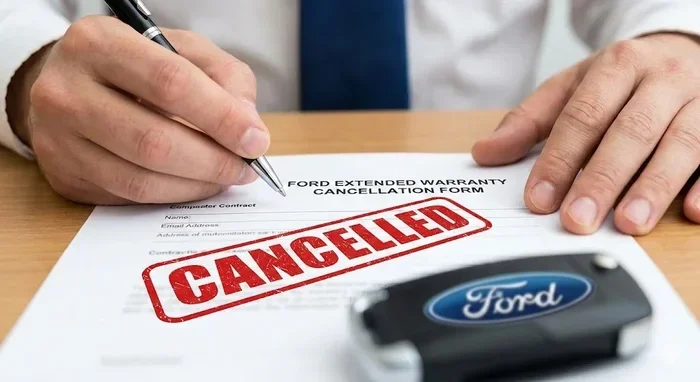
One common approach is the early lease termination route. You contact the leasing company and ask to end the lease early. They may charge a fee for this. The fee varies by company but can range from a few hundred to several thousand dollars.
Another option is to find someone willing to take over your lease. This is called a lease transfer. The new driver assumes your remaining payments. The leasing company must approve the transfer. Not all leases allow this, so check your contract first.
Early Lease Termination: What to Expect
Ending a lease early is not free. Most leasing companies charge an early termination fee. This fee is often close to the remaining balance of the lease. So if you have 12 months left and 12 payments of $400, you might owe around $4,800 plus fees.
Some leasing companies also charge a disposition fee when you return the car early. This covers the cost of reconditioning and reselling the vehicle. Always ask for a full breakdown of fees before you decide on early termination.
Lease Transfer: Passing the Baton
A car lease transfer lets you hand off the lease to a new driver. The new person takes over the monthly payments and the remaining lease term. You walk away clean, and the new driver gets a car without starting a new lease.
Not all leases allow transfers. Check your contract or call the leasing company. If transfers are allowed, you will need to find a qualified buyer. There are online platforms that specialize in lease transfers. These sites list your lease for potential buyers.
The leasing company will run a credit check on the new driver. They want to make sure the new person can handle the payments. This process can take a few weeks. So plan ahead if you go this route.
How to Sell a Leased Car Through a Dealer
Selling a leased car to a dealer is one of the easiest options. The dealer handles the paperwork and the lease payoff. You do not need to worry about the title or the lien. This is a popular choice for people who want a quick, hassle-free sale.
Here is how it works. You visit a dealership and tell them you want to trade in your leased car. They appraise the vehicle. Then they contact your leasing company to get the payoff amount. If the trade-in value is higher than the payoff, you get the difference. If it is lower, you owe the gap.
Dealers sometimes offer lease buyout deals where they purchase the leased vehicle and handle the buyout for you. This can save you time and money. But always compare the dealer’s offer with other options before you commit.
Trade-In vs. Private Sale
There are two main ways to sell a leased car: trade-in and private sale. Each has its own advantages and downsides.
With a trade-in, the dealer handles everything. You get a credit toward your next vehicle. The process is fast and simple. But you might not get the best price. Dealers need to make a profit, so they often lowball trade-in offers.
With a private sale, you set the price. You keep the profit. But you handle all the paperwork, the buyer communication, and the lease payoff yourself. It takes more effort, but the payout can be much higher.
| Factor | Trade-In | Private Sale |
|---|---|---|
| Ease of Process | Very Easy | Moderate |
| Potential Profit | Lower | Higher |
| Time Required | 1-2 Days | 1-4 Weeks |
| Paperwork | Dealer Handles | You Handle |
| Negotiation | Limited | Full Control |
Selling a Leased Car Privately
Want to maximize your profit? Selling privately is the way to go. But there is a catch. You need to handle the lease payoff before or during the sale. You cannot sell a car that still has a lien on it.
Start by getting the lease payoff amount. Call your leasing company or check your online account. The payoff amount includes the remaining balance plus any fees. This number is valid for a limited time, usually 10 to 30 days. So plan your sale timeline carefully.
When you find a buyer, you have two options for handling the payoff. You can pay it off yourself and then transfer the title. Or the buyer can pay the payoff directly to the leasing company. Some buyers prefer the second option because it protects them from any title issues.
Be upfront with buyers about the lease status. Honesty builds trust. Most buyers understand leased vehicles. They just want to know the car is clean and the transaction is smooth.
Quick Tips for Selling Privately
- Get the payoff amount in writing from your leasing company before you list the car.
- Clean the car thoroughly inside and out. First impressions matter.
- Gather all maintenance records to show the car has been well cared for.
- Price competitively by checking similar vehicles on local listings.
- Meet buyers in a safe public place and bring a friend if possible.
- Use a secure payment method like a cashier’s check or bank transfer.
Lease End Options: What Happens When the Lease Expires?
When your lease ends, you have several choices. You can return the car, buy it out, or sell it. Each option has different financial implications. Let us break them down.
Returning the car is the simplest option. You drive it to the dealership, hand over the keys, and walk away. But you do not get any money back. The car has no value to you once it is returned.
Buying out the lease means you pay the residual value and own the car. Then you can sell it. If the car is worth more than the residual value, you profit. If it is worth less, you lose money. This is why checking the market value before a buyout is so important.
You can also sell the car at lease end without buying it first. But you still need to pay off the lease and get the title released. This process takes coordination with the leasing company.
Lease Return Process
If you decide to return the car, start the process 90 days before the lease ends. Contact the leasing company and schedule a return inspection. They will check the car for excess wear and tear and mileage overages.
Excess mileage charges can add up fast. Most leases charge 15 to 30 cents per mile over the limit. If you have gone over, you will pay that fee. Excess wear charges cover any damage beyond normal use. These fees vary widely, so ask for a detailed estimate.
Some people try to return a leased car without paying off the full balance. This is not possible. The lease must be fully satisfied before the car is returned. If you cannot pay the full amount, consider a lease transfer or early termination instead.
You might also want to check whether returning a used car within 30 days is possible if you recently purchased it, as this differs from lease return policies.
Financial Considerations When Selling a Leased Car
Selling a leased car involves money. You need to understand the financial picture before you make any moves. Here are the key numbers to watch.
Lease Payoff Amount: This is what you owe to the leasing company. It includes the remaining principal plus any accrued interest and fees. Get this number first.
Market Value: This is what the car is worth in the current market. Check Kelley Blue Book, Edmunds, and local listings. Compare multiple sources to get an accurate number.
Equity or Negative Equity: If the market value is higher than the payoff amount, you have equity. If it is lower, you have negative equity. Positive equity means profit. Negative equity means you owe money out of pocket.
Fees and Penalties: Early termination fees, disposition fees, and excess mileage charges all eat into your profit. Factor these in before you list the car.
Some people wonder about tax implications when selling a leased vehicle. In most cases, you do not owe taxes on a lease sale. But if you buy out the lease and then sell for a profit, capital gains tax may apply. Check with a tax professional if you are unsure.
Also, keep in mind that writing off car payments for an LLC is a different topic that applies to business leases and may affect your financial planning.
Common Mistakes to Avoid When Selling a Leased Car
Selling a leased car comes with pitfalls. Many people make avoidable mistakes that cost them money and stress. Here are the biggest ones to watch out for.
Skipping the payoff check. Never list a leased car without knowing the exact payoff amount. Prices change, and you do not want to promise a sale price that leaves you short.
Ignoring the lease contract. Your lease contract has rules about selling, transferring, and terminating. Violating these rules can trigger penalties. Read your contract carefully or call the leasing company for clarification.
Underestimating fees. Early termination fees, disposition fees, and excess mileage charges can add hundreds or thousands of dollars to the cost. Do not assume the sale price will cover everything.
Not getting lease company approval for transfers. If you want to transfer the lease, the lessor must approve the new driver. Starting this process late can delay your sale by weeks.
Failing to disclose the lease status. Always be honest with buyers about the car being leased. Hiding this information can lead to legal problems and lost trust.
Remember that getting your car tags online is a separate process that applies after ownership transfers, and it is important to handle that step properly once the sale is complete.
Expert Insights: What Leasing Companies Want You to Know
Leasing companies are in the business of making money. They want their cars returned in good condition. They want their payments fulfilled. Understanding their perspective helps you navigate the selling process more effectively.
Most leasing companies prefer a clean lease return. They do not want the hassle of tracking down a buyer for a sold leased car. This means they may be flexible on payoff terms if you approach them proactively.
Some leasing companies offer lease hardship programs. If you are facing financial difficulty, these programs can reduce payments or waive certain fees. It never hurts to ask. You might be surprised what they are willing to do.
Leasing companies also track your payment history. If you have always paid on time and maintained the car well, you have goodwill with the lessor. Use that to your advantage when negotiating payoff terms or transfer approval.
One thing to keep in mind: if you are considering selling a leased car to fund a new purchase, you might also want to explore whether negotiating on a factory order car could help you secure a better deal on your next vehicle.
Key Takeaways
- You can sell a leased car: Multiple paths exist including lease buyout, transfer, trade-in, and private sale.
- Get the payoff amount first: Always know exactly what you owe before you list or negotiate.
- Compare your options: Trade-in is easy but pays less. Private sale pays more but requires more effort.
- Watch the fees: Early termination, disposition, and excess mileage charges can eat your profit.
- Get lease company approval: Transfers and buyouts need the lessor’s sign-off. Start early.
- Be transparent with buyers: Honesty about the lease status builds trust and prevents legal issues.
- Plan your timeline: Lease payoffs are only valid for a limited window. Coordinate your sale carefully.
Conclusion
So, can you sell a leased car? The answer is a clear yes. You have options. You can do a lease buyout and own the car before selling it. You can transfer the lease to a new driver. You can trade it in at a dealer. Or you can sell it privately and handle the payoff yourself.
The key is preparation. Know your payoff amount. Understand your lease terms. Compare your options. And always be honest with everyone involved. Selling a leased car does not have to be stressful. With the right approach, you can get a fair price and move on to your next vehicle with confidence.
Take your time. Do the math. And make the decision that puts the most money back in your pocket. You have got this.
Frequently Asked Questions
Can I sell a leased car if I still owe money on it?
Yes, but you must pay off the lease first. The leasing company holds the title until the payoff is complete. You can use the sale proceeds to pay off the lease, or pay it off yourself before listing the car.
Is it better to sell a leased car to a dealer or privately?
It depends on your priorities. A dealer sale is fast and easy but usually pays less. A private sale takes more effort but typically yields a higher price. Compare both options before deciding.
Can I transfer my lease to someone else instead of selling?
Yes, if your lease allows transfers. Contact your leasing company to check the terms. The new driver must pass a credit check and get approved by the lessor.
What happens if my leased car is worth less than the payoff amount?
You have negative equity. You will need to pay the difference out of pocket. Some dealers will roll the negative equity into a new loan or lease, but this increases your monthly payments.
Do I need the leasing company’s permission to sell a leased car?
Yes. Since the leasing company holds the title, they must approve any sale or transfer. Contact them early in the process to understand their requirements and timelines.
Can I sell a leased car that is not yet paid off?
You cannot sell a leased car without satisfying the lease first. The title remains with the lessor until the payoff is complete. Plan your sale around the payoff timeline to avoid delays.