Find Out What Is Considered High Mileage for a Minivan
So, what is considered high mileage for a minivan? Most experts agree that a minivan with over 100,000 to 150,000 miles falls into the high mileage category. However, modern minivans are built to last well beyond 200,000 miles with proper care. Understanding mileage thresholds helps you make smart buying decisions and avoid costly surprises down the road.
When you start shopping for a used minivan, one question pops up fast: what is considered high mileage for a minivan? It is a simple question, but the answer is not always straightforward. Many factors come into play, including the vehicle age, how well it was maintained, and the brand or model you are looking at.
The truth is, a minivan with high mileage can still be a fantastic purchase. Modern vehicles are built with stronger materials and better engineering than ever before. A high mileage minivan that has been cared for properly can easily serve a family for another 100,000 miles or more. Let us break down everything you need to know about minivan mileage so you can shop with confidence.
Key Takeaways
- High mileage for a minivan typically starts at 100,000+ miles: This is the general threshold, but many minivans can go far beyond this with proper maintenance.
- Annual mileage matters more than total miles: A minivan with 150,000 miles over 15 years may be in better shape than one with 100,000 miles in 5 years.
- Maintenance history is the biggest factor: A well-maintained high mileage minivan often outperforms a low-mileage neglected one.
- Certain brands hold up better: Honda, Toyota, and Chrysler minivans are known for exceptional longevity.
- Buyers can find great deals on high mileage models: These vehicles depreciate faster, offering significant savings.
- Watch for warning signs: Transmission issues, engine noise, and uneven tire wear can signal trouble in high-mileage vehicles.
- Regular upkeep extends minivan life: Oil changes, fluid flushes, and timing belt replacements make a huge difference.
📑 Table of Contents
- What Is Considered High Mileage for a Minivan?
- How Minivan Mileage Compares to Other Vehicles
- Factors That Determine Minivan Longevity
- Buying a High Mileage Minivan: What to Look For
- Maintenance Tips for High Mileage Minivans
- Minivan Brands With the Best Mileage and Longevity
- The Truth About Minivan Depreciation and Value
- Common Mistakes Buyers Make When Purchasing a High Mileage Minivan
What Is Considered High Mileage for a Minivan?
The short answer is that most automotive experts consider a minivan with over 100,000 miles to be in the high mileage range. But that number is just a starting point. The real picture is more nuanced than a single threshold.
Here is a general breakdown of mileage categories for minivans:
- Low mileage: Under 50,000 miles. These vehicles are relatively new and have plenty of life left.
- Moderate mileage: 50,000 to 100,000 miles. This is the sweet spot for many used vehicle buyers.
- High mileage: 100,000 to 200,000 miles. These minivans have been well loved and may offer the best value.
- Very high mileage: Over 200,000 miles. These vehicles can still run great if they have been maintained properly.
So when people ask, “what is considered high mileage for a minivan,” the 100,000-mile mark is the most common benchmark. But remember, that number depends heavily on the vehicle age. A 10-year-old minivan with 120,000 miles is actually in great shape. A 3-year-old minivan with the same mileage might be a red flag.
Why the 100,000-Mile Mark Matters
The 100,000-mile mark is significant for a few reasons. First, it is around this point that certain major maintenance items come due. Timing belt replacements, transmission fluid changes, and exhaust system inspections become critical. Second, insurance and warranty considerations often shift at this threshold. And third, many buyers use 100,000 miles as a psychological cutoff when shopping for used vehicles.
However, modern minivans are engineered to go well past this mark. Honda and Toyota minivans, for example, frequently hit 200,000 miles or more with routine care. The odometer reading alone does not tell the full story.
How Minivan Mileage Compares to Other Vehicles
Not all vehicles age the same way. A minivan’s mileage threshold for “high” can look different from a sedan, truck, or SUV. Understanding these differences helps you evaluate any used vehicle more accurately.
Minivans are designed for daily use. They are family haulers that often rack up miles quickly. A family minivan might drive 15,000 to 20,000 miles per year, which adds up fast. Compare that to a weekend cruiser sedan that might only see 5,000 miles annually.
Here is how minivan mileage compares to other popular vehicle types:
- Sedans: High mileage typically starts at 100,000 to 120,000 miles.
- Trucks: High mileage is often 150,000 to 200,000 miles due to their robust build.
- SUVs: Similar to minivans, high mileage starts around 100,000 to 150,000 miles.
- Minivans: High mileage is generally 100,000 to 150,000 miles, though they can last much longer.
The key takeaway is that minivans are built for durability. They are not sports cars designed for low mileage. They are workhorses, and their engines and transmissions are built to handle years of heavy use. This is good news for buyers looking at used models.
Average Annual Mileage for Families
The average American driver covers about 13,000 to 14,000 miles per year. For a family with two working parents and kids in activities, that number can easily reach 15,000 to 20,000 miles annually. Over five years, that is 75,000 to 100,000 miles on the odometer.
This means a 5-year-old minivan with 100,000 miles is actually average, not high. Do not let a number like that scare you away from a perfectly good vehicle. Focus on the bigger picture instead of just the mileage number.
Factors That Determine Minivan Longevity
Mileage alone does not determine a minivan’s health. Several factors play into how long a vehicle will last and how well it will perform at high mileage. Understanding these factors helps you evaluate any used minivan more effectively.
Maintenance History
This is the single most important factor. A minivan with 180,000 miles and a complete maintenance log will likely outlast a minivan with 80,000 miles and no service records. Regular oil changes, tire rotations, brake inspections, and fluid replacements all add up to a longer vehicle life.
When shopping for a used minivan, always ask for the maintenance records. If the seller cannot provide them, consider getting a pre-purchase inspection from a trusted mechanic. This small investment can save you thousands of dollars in future repairs.
Driving Conditions
How and where a vehicle was driven matters a lot. Highway miles are gentler on a minivan than city miles. Stop-and-go traffic puts more stress on the engine, brakes, and transmission. A minivan driven mostly on open highways will typically last longer than one used for daily city commuting.
Other driving conditions that affect longevity include:
- Climate: Extreme heat or cold can accelerate wear on engine components and rubber seals.
- Road quality: Rough roads and potholes stress suspension and alignment components.
- Towing or hauling: Extra weight puts additional strain on the engine and transmission.
- Short trips: Frequent short drives can cause moisture buildup in the engine oil.
Brand and Model Reputation
Not all minivans are created equal. Some brands and models are known for exceptional longevity, while others may start showing issues earlier. When researching what is considered high mileage for a minivan, it helps to know which brands tend to last the longest.
Brands like Honda, Toyota, and Chrysler have long track records of building reliable minivans. Their vehicles frequently exceed 200,000 miles with basic maintenance. Lesser-known brands or models with a history of transmission problems may not hold up as well at high mileage.
How the Vehicle Was Driven
A gentle driver who follows speed limits and avoids aggressive acceleration will generally have a healthier vehicle than someone who rides the engine hard. Driving habits play a surprisingly large role in vehicle longevity.
If you are buying a used minivan from a previous owner, try to learn about their driving style. A minivan that was driven carefully on a daily commute may be in better shape than one that was used for ride-sharing or heavy towing.
Buying a High Mileage Minivan: What to Look For
So you found a minivan with over 100,000 miles and it is priced well. Should you buy it? Not so fast. Here is what you need to check before making a decision.
Check the Maintenance Records
This cannot be stressed enough. A high mileage minivan with full service records is almost always a safer bet than a low-mileage vehicle with no paperwork. Look for evidence of regular oil changes, transmission service, brake jobs, and coolant flushes.
If the records show that the previous owner skipped major services, that is a warning sign. A missed timing belt replacement at 100,000 miles could mean a catastrophic engine failure down the road.
Get a Pre-Purchase Inspection
Always have a trusted mechanic inspect the vehicle before you buy. This is especially important for high-mileage minivans. A pre-purchase inspection typically costs between $100 and $200, but it can reveal hidden problems that could cost thousands to fix.
Ask the mechanic to specifically check:
- Engine condition: Look for unusual noises, oil leaks, or blue smoke from the exhaust.
- Transmission health: Listen for slipping, grinding, or delayed shifting.
- Suspension components: Check for worn shocks, struts, and ball joints.
- Brake condition: Measure pad thickness and check for uneven wear.
- Cooling system: Look for leaks and test the thermostat operation.
Look for Warning Signs
Even with a clean inspection report, you should watch for warning signs when test driving a high-mileage minivan. Here are red flags to keep in mind:
- Unusual noises: Knocking, clicking, or grinding sounds from the engine or wheels.
- Vibrations: Shaking at highway speeds could indicate drivetrain issues.
- Fluid leaks: Puddles under the vehicle are never a good sign.
- Check engine light: A lit check engine light on a high-mileage vehicle needs immediate attention.
- Uneven tire wear: This often signals alignment or suspension problems.
- Rough idling: A shaky or rough idle can point to engine or fuel system issues.
Consider Certified Pre-Owned Options
If you are nervous about buying a high-mileage minivan, consider a certified pre-owned (CPO) vehicle. These are manufacturer-backed programs that include extended warranties, thorough inspections, and reconditioning. They cost a bit more upfront but offer peace of mind that can be worth every penny.
CPO programs typically require the vehicle to pass a rigorous multi-point inspection and have a clean title and service history. This is one of the safest ways to buy a used minivan with higher mileage.
Maintenance Tips for High Mileage Minivans
If you already own a high-mileage minivan or are planning to buy one, regular maintenance becomes even more critical. Here are practical tips to keep your vehicle running strong for years to come.
Stay on Top of Fluid Changes
Fluids are the lifeblood of any vehicle, and this is especially true for high-mileage minivans. Here are the key fluids to monitor and replace on schedule:
- Engine oil: Change every 5,000 to 7,500 miles or as recommended by the manufacturer.
- Transmission fluid: Replace every 60,000 to 100,000 miles to prevent wear.
- Coolant: Flush and replace every 30,000 to 50,000 miles.
- Brake fluid: Replace every 2 years or 30,000 miles.
- Power steering fluid: Check regularly and replace if needed.
Fresh fluids keep internal components lubricated and cool. Skipping fluid changes is one of the fastest ways to shorten a vehicle’s lifespan.
Address Small Problems Immediately
A small drip today can become a major repair tomorrow. Do not ignore warning lights, unusual sounds, or minor leaks. Catching problems early saves money and prevents cascading damage to other components.
For example, a small oil leak that goes unchecked can lead to low oil levels, which can cause engine damage. A minor transmission slip can worsen into a full transmission failure if not addressed promptly.
Keep Up with Scheduled Service
Follow the manufacturer’s recommended service schedule to the letter. At high mileage, some owners switch to synthetic oil for better engine protection. Others upgrade to premium transmission fluid for smoother shifting.
These small investments pay off in the long run by preventing expensive repairs and extending the overall life of the vehicle.
Watch Your Tire Health
Tires are the only part of your minivan that actually touches the road. Keep them properly inflated, rotate them every 5,000 to 7,500 miles, and replace them when the tread wears down. Good tires improve fuel efficiency, handling, and safety.
Minivan Brands With the Best Mileage and Longevity
When it comes to longevity, some minivan brands stand out from the rest. Here is a closer look at which manufacturers produce the most durable minivans.
Honda Odyssey
The Honda Odyssey consistently ranks among the most reliable minivans on the road. These vehicles are known for their strong V6 engines and robust transmissions. It is not uncommon to find an Odyssey with 200,000 to 250,000 miles still running strong. The Odyssey holds its value reasonably well and has a reputation for minimal major repairs.
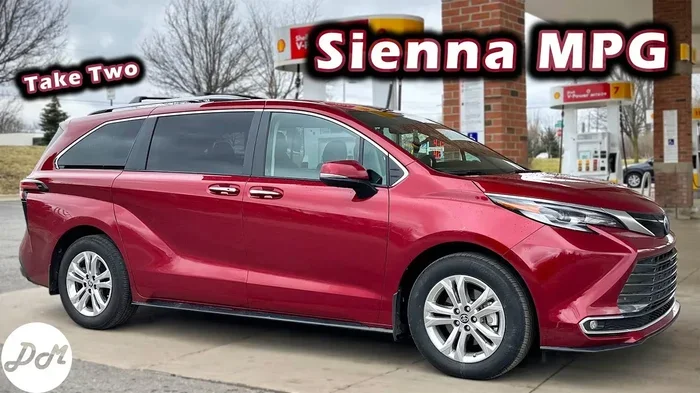
Toyota Sienna
The Toyota Sienna has earned a solid reputation for reliability. While it may not have the same sporty feel as the Odyssey, it makes up for it with dependability. Many Sienna owners report crossing the 200,000-mile mark with only routine maintenance. Toyota’s reputation for longevity extends to their minivan lineup.
Chrysler Pacifica
The Chrysler Pacifica brings a modern touch to the minivan segment. It offers a stunning interior, available plug-in hybrid powertrain, and a smooth ride. While it is a newer model, early reliability data looks promising. The Pacifica’s 3.6-liter V6 engine has proven to be quite durable so far.
Kia Carnival
The Kia Carnival has quickly become a strong contender in the minivan market. Kia offers an impressive 10-year/100,000-mile warranty, which gives buyers confidence in the vehicle’s long-term durability. The Carnival has received high marks for both reliability and value.
Toyota Minivan Legacy
Toyota has a long history of building vehicles that last. Their minivans benefit from decades of engineering refinement. The Sienna and previous-generation Sienna models are known for their exceptional engine longevity. If you are looking for a high-mileage minivan that will keep going, Toyota should be at the top of your list.
The Truth About Minivan Depreciation and Value
One of the biggest advantages of buying a high-mileage minivan is the savings. New minivans depreciate quickly, losing 15% to 25% of their value in the first year alone. By the time a minivan hits 100,000 miles, it has already absorbed most of its steepest depreciation curve.
This means you can often find a well-maintained high-mileage minivan for a fraction of what a new one costs. The cost per mile for a high-mileage used minivan is typically much lower than for a new vehicle.
However, you should also consider potential repair costs. A high-mileage minivan may need more frequent repairs than a newer model. The key is to factor in the purchase price savings against the estimated cost of any needed repairs. In most cases, a well-maintained high-mileage minivan offers excellent overall value.
How Mileage Affects Minivan Resale Value
Mileage has a direct impact on resale value. A minivan with 50,000 miles will always fetch a higher price than the same model with 150,000 miles. However, the difference is not always proportional. A minivan with 150,000 miles that has been well maintained can still hold a surprising amount of value.
If you are buying to resell later, focus on popular models with strong brand reputations. Honda and Toyota minivans tend to retain value better than other brands, even at high mileage.
Insurance and Registration Considerations
Higher mileage does not always mean higher insurance premiums. In fact, some insurers offer lower rates for older, higher-mileage vehicles because their cash value is lower. However, if you are financing a purchase, the lender may require full coverage insurance regardless of mileage.
Registration fees also vary by state and are sometimes based on vehicle age rather than mileage. Check your local regulations to understand what to expect.
Common Mistakes Buyers Make When Purchasing a High Mileage Minivan
Avoiding common pitfalls can save you time, money, and headaches. Here are mistakes to watch out for.
Ignoring the Maintenance History
Buying a high-mileage minivan without service records is like buying a used phone without knowing if the battery was replaced. You simply do not know what you are getting. Always ask for documentation and verify it when possible.
Focusing Only on Mileage
Mileage is just one piece of the puzzle. A minivan with 90,000 miles that was driven hard and neglected may be worse than one with 150,000 miles that was carefully maintained. Look at the whole picture, not just one number.
Skipping the Pre-Purchase Inspection
Some buyers skip the inspection to save $150 or $200. This is a false economy. A pre-purchase inspection can uncover serious issues that would cost thousands to repair. It is one of the best investments you can make when buying any used vehicle.
Overlooking Wear and Tear
High-mileage minivans often show cosmetic wear. Scratches, worn seats, and faded interiors are common. While these do not affect mechanical reliability, they do affect your daily enjoyment of the vehicle. Factor in any cosmetic repairs when negotiating the price.
Not Test Driving Thoroughly
A quick test drive around the block is not enough. Drive on the highway, test the brakes hard, turn the steering wheel fully in both directions, and listen for any unusual sounds. The more thoroughly you test drive, the more confident you will be in your decision.
Frequently Asked Questions
Is 150,000 miles high mileage for a minivan?
Yes, 150,000 miles is generally considered high mileage for a minivan. However, many modern minivans are engineered to last well beyond 200,000 miles with proper maintenance. A minivan with 150,000 miles can still have many years of reliable service left if it has been well cared for.
Can a minivan last 300,000 miles?
Absolutely. Many minivan owners report their vehicles lasting 250,000 to 300,000 miles or more. Brands like Honda and Toyota are especially known for this kind of longevity. Regular maintenance, gentle driving habits, and prompt repairs all contribute to reaching these impressive mileage milestones.
What mileage should I avoid when buying a used minivan?
There is no specific mileage to avoid, but you should be cautious with any minivan that has high mileage and no maintenance records. Also watch out for models with known transmission problems or those that have been used for ride-sharing or commercial purposes, as these tend to wear out faster.
How many miles per year is normal for a minivan?
The average minivan owner drives about 13,000 to 15,000 miles per year. Families with multiple drivers or long commutes may exceed 20,000 miles annually. When evaluating a used minivan, compare its total mileage to its age to determine if the mileage is above or below average.
Are high mileage minivans worth buying?
Yes, high mileage minivans can be excellent purchases. They cost significantly less than newer models, and many are still in great mechanical condition. The key is to verify the maintenance history, get a pre-purchase inspection, and choose a reputable brand known for durability.
What is the best way to maintain a high mileage minivan?
Stay consistent with oil changes, fluid replacements, and scheduled services. Address small issues before they become big problems. Use quality parts and fluids, and keep up with tire maintenance. A disciplined maintenance routine is the single best way to ensure your high mileage minivan keeps running smoothly.
=== CONCLUSION ===
So, what is considered high mileage for a minivan? The answer is that 100,000 to 150,000 miles is the typical range, but the real story goes much deeper than a single number. High mileage does not have to mean high risk. With the right information and a careful approach, you can find a reliable, affordable minivan that will serve your family for years to come.
Remember to check maintenance records, get a professional inspection, and choose a brand with a strong reputation for longevity. Whether you are looking at a Honda Odyssey with 120,000 miles or a Toyota Sienna pushing 180,000 miles, the key factors are the same: care, maintenance, and smart buying decisions.
The next time you see a minivan with high mileage on the odometer, do not automatically rule it out. Instead, dig deeper. Ask questions. Get the facts. A well-maintained high-mileage minivan can be one of the best value purchases you will ever make. Drive smart, shop wisely, and enjoy the ride.