Can You Jump-Start a Prius Everything You Need to Know
Yes, you can jump-start a Prius, but the process is different from a traditional gasoline car. The Toyota Prius uses a 12-volt auxiliary battery and a high-voltage hybrid battery, and knowing which one is dead makes all the difference. This guide walks you through every step safely and simply.
There is nothing worse than turning your key fob, pressing the start button, and hearing nothing but silence. You are standing in your driveway, late for work, and your Toyota Prius will not cooperate. Before you panic or call for roadside assistance, let us talk about jump-starting a Prius and whether it is something you can handle on your own.
The Toyota Prius is a hybrid vehicle, which means it runs on two separate battery systems. This fact alone changes everything about how you jump-start it compared to a regular car. Many drivers assume the process is the same, and that assumption can lead to costly mistakes. In this guide, we will walk you through every step, every precaution, and every alternative so you feel confident the next time your dead battery strikes.
Whether you live in a cold climate where batteries struggle in winter or you simply forgot to turn off your headlights, this article covers it all. We will answer the most common questions, share expert tips, and give you practical advice you can use right away. Let us get into it.
Key Takeaways
- Jump-starting a Prius is possible and follows a specific process that differs from standard vehicles.
- The 12-volt auxiliary battery is what you jump-start, not the high-voltage hybrid battery.
- Location matters — the Prius battery terminals are hidden under the hood near the fuse box.
- Using the wrong cables or method can damage your hybrid system and void your warranty.
- A portable jump starter is a safe and convenient alternative to traditional jumper cables.
- Always follow safety precautions to protect yourself and your vehicle’s electrical system.
- Regular hybrid battery maintenance helps prevent unexpected starting failures.
📑 Table of Contents
- Can You Jump-Start a Prius?
- Where Is the Battery on a Prius?
- Step-by-Step Guide to Jump-Starting a Prius
- Using a Portable Jump Starter for Your Prius
- Common Mistakes When Jump-Starting a Prius
- How to Prevent a Dead Prius Battery
- When to Call for Professional Help
- How the Prius Hybrid System Works During a Jump-Start
- Final Thoughts
Can You Jump-Start a Prius?
The short answer is yes. You can jump-start a Prius. However, the process is not the same as jump-starting a conventional gasoline-powered car. The Toyota Prius has two battery systems, and you need to know which one is dead before you connect any cables.
The first system is the high-voltage traction battery. This is the big hybrid battery that powers the electric motor. It is located in the rear of the car and carries a very high voltage. You do not jump-start this battery. Ever. The second system is the 12-volt auxiliary battery. This small battery powers the car’s computers, lights, radio, and keyless start system. This is the battery you jump-start when your Prius will not turn on.
If you try to jump-start the high-voltage battery, you risk serious damage to your hybrid system. That is why understanding the difference is so important. Always confirm you are working with the 12-volt auxiliary battery before you begin.
Why Do Prius Batteries Die?
Several factors can cause your Prius auxiliary battery to lose power. Understanding these causes can help you prevent future problems.
- Leaving lights or electronics on — This is the most common reason. If you walked away with your interior lights or radio still running, the battery drains quickly.
- Extreme cold weather — Cold temperatures reduce battery capacity significantly. Prius owners in northern states deal with this issue every winter.
- Old battery age — The 12-volt auxiliary battery typically lasts three to five years. After that, it loses its ability to hold a full charge.
- A faulty charging system — If the alternator or inverter converter is not charging the auxiliary battery properly, it will eventually die.
- Short trips — Frequent short drives do not give the battery enough time to recharge fully.
Knowing the cause helps you decide whether a simple jump-start will solve the problem or if you need a replacement battery.
Where Is the Battery on a Prius?
Finding the battery on a Toyota Prius can be tricky if you have never looked before. Unlike most cars where the battery sits in a visible box under the hood, the Prius hides its 12-volt auxiliary battery in a less obvious location.
Open the hood of your Prius and look on the left side, near the fuse box. The auxiliary battery is tucked behind a plastic cover. You will see two terminals — one positive and one negative — underneath this cover. The battery terminals are clearly labeled, but they are not as easy to access as they are on most other vehicles.
The high-voltage traction battery is a completely different story. That battery sits in the rear of the car, near the trunk area. It is a large, heavy pack that powers the electric motor. As we mentioned earlier, you should never attempt to jump-start this battery. Only the small 12-volt auxiliary battery is safe to jump-start.
If you have ever struggled to start my car without the remote key, you know how frustrating a dead battery can be. The same frustration applies here, but the solution is straightforward once you know where to look.
Step-by-Step Guide to Jump-Starting a Prius
Now that you know where the battery is and why it dies, let us walk through the actual jump-start process. Follow these steps carefully and in order.
Step 1: Gather Your Equipment
You will need the following items before you start:
- A working vehicle with a 12-volt battery
- Jumper cables rated for at least 400 amps
- Both vehicles turned off and in park
- Your Prius ignition key or key fob
If you do not have jumper cables in your trunk, consider investing in a set. Hybrid vehicles like the Prius are increasingly common, and having cables on hand is always a smart move. You can also use a portable jump starter as an alternative to a second vehicle. More on that later.
Step 2: Locate the Auxiliary Battery Terminals
Open the hood of your Prius. Find the plastic cover over the fuse box on the left side. Remove the cover to expose the 12-volt auxiliary battery. You will see the positive terminal, marked with a plus sign, and the negative terminal, marked with a minus sign.
Clean any corrosion or dirt from the terminals before you proceed. A quick wipe with a dry cloth works fine for this step.
Step 3: Connect the Jumper Cables
This is the most critical part. You must connect the cables in the correct order to avoid damaging your electrical system.
- Connect the red clamp to the positive terminal of your dead Prius battery.
- Connect the other red clamp to the positive terminal of the working vehicle’s battery.
- Connect the black clamp to the negative terminal of the working vehicle’s battery.
- Connect the remaining black clamp to an unpainted metal surface on your Prius, away from the battery. This serves as a ground.
Never let the clamps touch each other once they are connected to a battery. This creates a spark and can be dangerous.
Step 4: Start the Working Vehicle
Start the working vehicle and let it run for about five minutes. This allows the 12-volt auxiliary battery in your Prius to receive a charge. You do not need to rev the engine. Just let it idle steadily.
Step 5: Start Your Prius
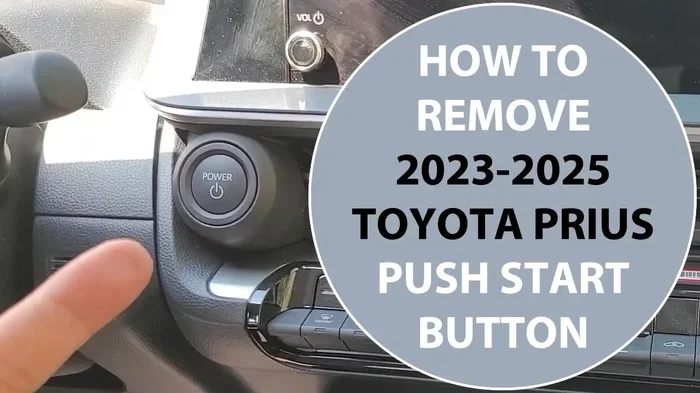
Press the power button on your Prius as you normally would. The car should start. If it does not start on the first try, wait another two to three minutes and try again. Do not attempt to start it more than three times in a row, as this can strain the hybrid battery system.
Step 6: Disconnect the Jumper Cables
Once your Prius is running, disconnect the cables in the reverse order:
- Remove the black clamp from the metal ground on your Prius.
- Remove the black clamp from the working vehicle’s battery.
- Remove the red clamp from the working vehicle’s battery.
- Remove the red clamp from your Prius battery.
Let your Prius run for at least 20 minutes after the jump-start. This gives the auxiliary battery time to recharge. If you turn the car off too soon, it may not start again.
Important note: If you have ever needed to start my car without the key fob or dealt with a keyless start that refuses to cooperate, you understand how important a healthy 12-volt battery is. The Prius relies on this small battery to power all the electronics that allow you to push the start button.
Using a Portable Jump Starter for Your Prius
A portable jump starter is an excellent alternative to traditional jumper cables. These compact devices fit in your trunk and can jump-start your car without needing another vehicle. They are especially useful for hybrid vehicles like the Prius because they provide a controlled, safe power source.
Here is how to use a portable jump starter with your Prius:
- Turn off all electronics in your Prius.
- Connect the red clamp to the positive terminal of your auxiliary battery.
- Connect the black clamp to the negative terminal or a metal ground on your car.
- Turn on the portable jump starter.
- Press the power button on your Prius to start the car.
- Disconnect the clamps once the car is running.
Portable jump starters are affordable and reliable. They are one of the best hybrid car maintenance tools you can keep in your trunk. Look for a model that is rated for at least 200 amps and includes a built-in flashlight and USB charging port for extra convenience.
Common Mistakes When Jump-Starting a Prius
Even with the best intentions, people make mistakes when jump-starting a hybrid vehicle. Here are the most common errors and how to avoid them.
Mistake 1: Connecting Cables to the Wrong Battery
This is the biggest danger. The Prius has two batteries, and connecting jumper cables to the high-voltage traction battery can cause severe damage. Always double-check that you are working with the small 12-volt auxiliary battery under the hood.
Mistake 2: Connecting Cables in the Wrong Order
Connecting the cables out of order can fry your car’s computer system. Always follow the sequence we outlined above: red to dead, red to good, black to good, black to ground. Never skip steps.
Mistake 3: Letting the Clamps Touch
Once both clamps are attached to a battery, they must not touch each other or any metal surface. This creates a spark that can ignite battery acid or damage your electrical system.
Mistake 4: Turning Off the Prius Too Soon
After a successful jump-start, do not turn off your Prius immediately. The auxiliary battery needs time to recharge. Driving for at least 20 minutes helps restore the charge. If you turn it off and it will not start again, you may need a free diagnostic at an auto parts store or mechanic.
Mistake 5: Ignoring a Repeatedly Dead Battery
If your Prius battery dies more than once a month, something else is wrong. It could be a faulty alternator, a parasitic draw, or a failing auxiliary battery. Do not keep jump-starting it without investigating the root cause. A worn-out battery or electrical issue can eventually prevent your car from starting altogether, much like how a worn out key prevent a car from starting when it fails to communicate with the immobilizer system.
How to Prevent a Dead Prius Battery
Prevention is always better than cure. Here are simple steps to keep your 12-volt auxiliary battery healthy and your Prius running strong.
- Turn off all electronics before exiting the car. Lights, radio, and phone chargers draw power even when the car is off.
- Drive your Prius regularly. The hybrid system charges the auxiliary battery while you drive. Short, infrequent trips can leave the battery undercharged.
- Get the battery tested annually. Most auto parts stores offer free battery testing. This catches a weak battery before it leaves you stranded.
- Replace the battery every three to five years. Even if it seems fine, age degrades battery performance over time.
- Keep a portable jump starter in your trunk. It is a small investment that provides big peace of mind, especially during cold winter months.
Taking these simple precautions can save you from the hassle of a dead battery and the stress of figuring out how to get your car running again.
When to Call for Professional Help
Most of the time, jump-starting a Prius is a straightforward process you can handle yourself. But there are situations where you should call for professional help.
- Your Prius will not start after two jump-start attempts. This could indicate a deeper electrical problem or a completely failed battery.
- You smell sulfur or see corrosion on the battery terminals. These are signs of a battery leak, which requires professional replacement.
- The dashboard warning lights are flashing. Flashing lights after a jump-start suggest damage to the hybrid system. Do not continue driving.
- You are in an unsafe location. If you are on a highway shoulder or in a dark, isolated area, call roadside assistance instead of attempting a jump-start yourself.
Sometimes the safest and smartest move is to call for help. Professional technicians have the right tools and knowledge to diagnose the problem quickly and safely.
How the Prius Hybrid System Works During a Jump-Start
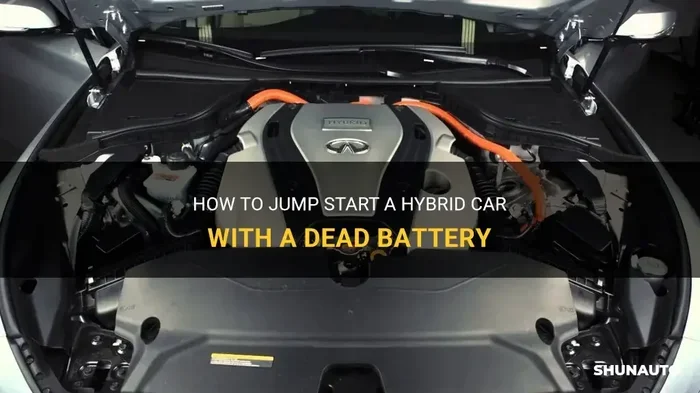
Understanding how your hybrid vehicle system interacts with the jump-start process gives you more confidence. The Prius uses an inverter converter that manages the flow of electricity between the 12-volt auxiliary battery and the high-voltage traction battery. When you jump-start the auxiliary battery, the inverter converter takes over and begins recharging the small battery as you drive.
The high-voltage traction battery does not participate in the jump-start process at all. It remains untouched and continues to power the electric motor. This separation is by design and is one of the reasons the Prius is such a reliable hybrid car. The two systems work independently, which protects both from damage during a jump-start — as long as you follow the correct procedure.
If you are curious about other starting issues, you might have encountered situations where your car would not start even with a working key fob. Many Prius owners have experienced this, and it often relates to the 12-volt battery rather than the hybrid system itself. For more information on starting issues, check out our article on can I start my car without the key fob and can I start my car without the remote key for related troubleshooting tips.
Also, if you are wondering whether jumper cables work safely on hybrid vehicles in general, our article on can jumper cables be used on a hybrid covers this topic in detail and is worth a read.
Final Thoughts
Jump-starting a Prius is entirely doable if you know what you are doing. The key is understanding the difference between the 12-volt auxiliary battery and the high-voltage traction battery. Always jump-start the auxiliary battery, follow the correct cable connection order, and never rush the process.
Keep a set of quality jumper cables or a portable jump starter in your trunk. Replace your auxiliary battery every three to five years, and drive your Prius regularly to keep the electrical system healthy. These simple habits will save you time, money, and a lot of frustration.
The next time your Toyota Prius refuses to start, you will know exactly what to do. You will not panic. You will not guess. You will follow the steps, stay safe, and get back on the road with confidence. That is the power of knowledge — and now you have it.
Frequently Asked Questions
Can You Jump-Start a Prius with Another Prius?
Yes, you can jump-start a Prius using another Prius or any vehicle with a 12-volt battery. The process is the same — connect the cables to the auxiliary battery terminals on both cars, start the working vehicle first, and then start your Prius. Always follow the correct cable order to avoid electrical damage.
How Long Does It Take to Jump-Start a Prius?
The actual jump-start process takes about 10 to 15 minutes. This includes connecting the cables, letting the working vehicle charge the dead battery for five minutes, starting the Prius, and then disconnecting the cables in the correct order.
What Happens If You Jump-Start the Wrong Battery on a Prius?
Connecting jumper cables to the high-voltage traction battery instead of the 12-volt auxiliary battery can cause severe damage to your hybrid system. It can fry the inverter converter, damage the electric motor, and potentially void your warranty. Always confirm you are working with the small 12-volt battery under the hood.
Do You Need Special Jumper Cables for a Prius?
No, you do not need special cables. Standard jumper cables rated for at least 400 amps work perfectly fine for a Prius. Just make sure the cables are in good condition with no frayed wires or corroded clamps.
Can a Portable Jump Starter Damage a Prius Hybrid System?
A portable jump starter will not damage your Prius if you use it correctly. These devices provide a controlled power output and are safe for hybrid vehicles. Just make sure the jump starter is rated for at least 12 volts and 200 amps, and follow the connection instructions carefully.
Why Won’t My Prius Start After a Successful Jump-Start?
If your Prius will not start again after a jump-start, the auxiliary battery may be too old or damaged to hold a charge. Other possible causes include a faulty alternator, a parasitic electrical draw, or a problem with the inverter converter. Have the battery and charging system tested by a professional mechanic to identify the root cause.
=== CONCLUSION ===
Jump-starting a Prius is a skill every Toyota owner should have in their toolkit. The process is different from a standard gasoline car, but once you understand the two-battery system and follow the correct steps, it becomes simple and safe. Always focus on the 12-volt auxiliary battery, never the high-voltage hybrid battery, and you will be fine.
Keep jumper cables or a portable jump starter in your vehicle, maintain your battery regularly, and do not ignore warning signs like slow cranking or dim lights. These small habits make a big difference. With the knowledge you gained from this guide, you are now prepared to handle a dead battery situation with confidence and ease.