Does Alfa Romeo Use Ferrari Engines for Performance
Yes, Alfa Romeo has used Ferrari-derived engines in several high-performance models. The Alfa Romeo Giulia Quadrifoglio and Stelvio Quadrifoglio both feature a powerful 2.9-liter twin-turbo V6 engine developed from Ferrari technology. However, not every Alfa Romeo model uses a Ferrari engine, and the brand now builds most of its powertrains independently under Stellantis.
Does Alfa Romeo use Ferrari engines for performance? This is one of the most asked questions among car enthusiasts. The short answer is yes, but only for certain models. The full story is much more interesting and involves decades of Italian automotive history, fierce competition, and engineering brilliance.
If you have ever sat behind the wheel of an Alfa Romeo Giulia Quadrifoglio, you know the sound. That deep, aggressive V6 rumble sends chills down your spine. Many people assume this engine must come straight from Maranello. And they are not entirely wrong. The truth sits somewhere between myth and reality, and it is worth exploring.
In this article, we will break down everything you need to know. We will look at the history, the current models, the engine technology, and what the future holds. Whether you are a die-hard Alfa Romeo fan or just curious about Italian performance cars, this guide covers it all.
Key Takeaways
- Ferrari Connection Exists: Alfa Romeo has used Ferrari-developed engines in flagship performance models like the Giulia Quadrifoglio and Stelvio Quadrifoglio.
- Shared Italian Heritage: Both brands share deep roots in Italian automotive excellence and have a long history of collaboration.
- Not All Models Use Ferrari Engines: Only the top-tier Quadrifoglio variants feature the Ferrari-derived powertrain. Other Alfa Romeo models use different engines.
- Ferrari V6 Engine: The 2.9-liter twin-turbo V6 found in Alfa Romeo’s performance cars is based on Ferrari’s F154 engine architecture.
- Formula 1 Ties: Ferrari has supplied engines to Alfa Romeo in Formula 1 racing, strengthening the technical partnership.
- Current Ownership Matters: Stellantis now oversees both brands, and most Alfa Romeo engines are developed in-house rather than by Ferrari.
- Performance Still Shines: Even without a Ferrari badge, modern Alfa Romeo engines deliver thrilling performance and Italian driving spirit.
📑 Table of Contents
- The History of Alfa Romeo and Ferrari
- Which Alfa Romeo Models Use Ferrari Engines?
- Does Every Alfa Romeo Have a Ferrari Engine?
- How Ferrari Engines Are Different from Alfa Romeo Engines
- The Future of Alfa Romeo Powertrains
- Common Misconceptions About Alfa Romeo and Ferrari Engines
- Tips for Maintaining an Alfa Romeo with a Ferrari-Derived Engine
- Expert Insights on the Alfa Romeo-Ferrari Engine Relationship
- Key Takeaways
- Conclusion
The History of Alfa Romeo and Ferrari
The relationship between Alfa Romeo and Ferrari goes back many decades. Both brands are deeply rooted in Italian motorsport and automotive passion. Understanding this history helps explain why people still ask whether Alfa Romeo uses Ferrari engines today.
Early Connections
Enzo Ferrari started his career working for Alfa Romeo. He raced Alfa Romeo cars in the 1920s and 1930s before founding his own company. Ferrari later built his own cars, but the connection to Alfa Romeo never fully disappeared. Both brands competed against each other on the racetrack and shared parts, technology, and ideas over the years.
Alfa Romeo has always been about performance and style. The brand has a proud racing heritage that stretches back to the early days of motorsport. Ferrari shares that same passion. This common ground created a natural bond between the two Italian icons.
The Fiat Era and Beyond
In the 1980s and 1990s, Fiat acquired both Alfa Romeo and a significant stake in Ferrari. This ownership structure brought the two brands closer together technically. Fiat Group controlled Ferrari until 2015, when Ferrari became an independent publicly traded company.
During this period, technology flowed freely between the brands where possible. Engineers collaborated on engine designs, racing programs, and performance components. This era laid the groundwork for the Ferrari-derived engines that would later appear in Alfa Romeo vehicles.
Formula 1 Partnership
One of the most visible connections between the two brands has been in Formula 1. Alfa Romeo returned to Formula 1 as a team name and engine partner in 2019. Ferrari supplied engines to the Alfa Romeo Racing team for several seasons. This partnership gave Alfa Romeo direct access to Ferrari’s cutting-edge powertrain technology.
While the Formula 1 engines are not the same as road car engines, the knowledge gained from racing trickles down. Aerodynamics, materials science, and engine management all benefit from this kind of close collaboration.
Which Alfa Romeo Models Use Ferrari Engines?
Not every Alfa Romeo on the road has a Ferrari engine. The Ferrari-derived powertrain is reserved for the brand’s most performance-focused models. Here is a closer look at which cars feature this Italian engineering magic.
Alfa Romeo Giulia Quadrifoglio
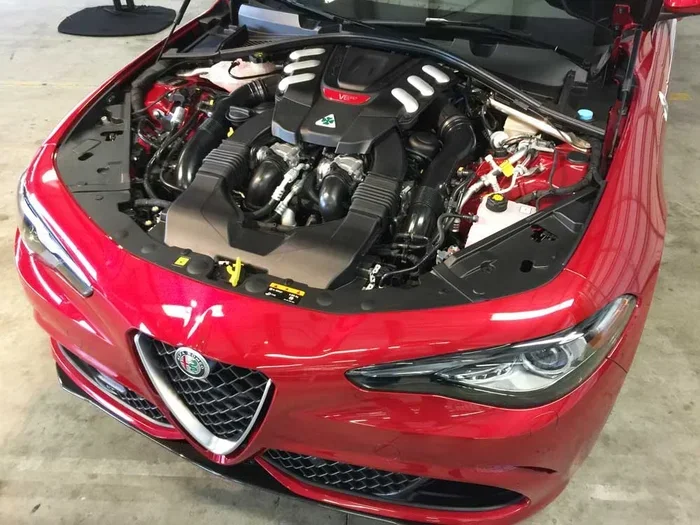
The Giulia Quadrifoglio is the crown jewel of the Alfa Romeo sedan lineup. It uses a 2.9-liter twin-turbo V6 engine that produces 505 horsepower. This engine is derived directly from Ferrari’s F154 engine family. It shares architecture, design principles, and much of the underlying technology with Ferrari’s own V6 turbocharged engines.
The Quadrifoglio can sprint from zero to sixty miles per hour in just 3.8 seconds. That is supercar-level performance from a sedan. The engine delivers an incredible soundtrack too. The exhaust note is pure Italian theater, with a deep growl that transforms into a screaming wail at high revs.
Alfa Romeo Stelvio Quadrifoglio
The Stelvio Quadrifoglio is the SUV version of this performance story. It shares the same Ferrari-derived 2.9-liter V6 engine as the Giulia Quadrifoglio. Despite weighing more than the sedan, the Stelvio Quadrifoglio still delivers an impressive 505 horsepower.
This makes the Stelvio Quadrifoglio one of the fastest SUVs in the world. It can hit sixty miles per hour in about 3.6 seconds. The combination of SUV practicality and Ferrari-level performance is what makes this model so special.
The Ferrari V6 Engine Technology
The engine at the heart of these Quadrifoglio models is a masterpiece of engineering. It features twin turbochargers, direct fuel injection, and a crossplane crankshaft. These are all technologies that Ferrari has perfected over decades of racing and road car development.
The 2.9-liter displacement is tuned specifically for the Alfa Romeo applications. While the architecture comes from Ferrari, the calibration, tuning, and integration are done by Alfa Romeo engineers. This means the engine feels distinct from a Ferrari, even though the bones are shared.
| Feature | Alfa Romeo Giulia Quadrifoglio | Ferrari Equivalent V6 |
|---|---|---|
| Engine Type | 2.9L Twin-Turbo V6 | 2.9L Twin-Turbo V6 |
| Horsepower | 505 hp | 600+ hp (varies by model) |
| Torque | 443 lb-ft | 560+ lb-ft (varies by model) |
| 0 to 60 mph | 3.8 seconds | 2.9 seconds (varies) |
| Engine Architecture | Ferrari F154-based | Ferrari F154 family |
| Fuel System | Direct Injection | Direct Injection |
As you can see from the comparison table, the Alfa Romeo version shares the same fundamental architecture. However, the output figures differ because Ferrari tunes its engines for different vehicles and purposes. The Alfa Romeo version is optimized for a balance of performance and daily drivability.
Does Every Alfa Romeo Have a Ferrari Engine?
The answer is a clear no. Only the Quadrifoglio models use the Ferrari-derived V6 engine. Other Alfa Romeo vehicles use different powertrains developed under the Stellantis umbrella.
Alfa Romeo Giulia (Non-Quadrifoglio)
The standard Alfa Romeo Giulia comes with a 2.0-liter turbocharged four-cylinder engine. This engine produces 280 horsepower in the base model and 505 horsepower in the Giulia Ti version. These engines are developed by Stellantis and share no direct connection to Ferrari technology.
There is also the Giulia Sprint, which uses a smaller turbocharged engine. Each variant is designed for a different kind of driver. Not everyone needs 505 horsepower, and Alfa Romeo understands that.
Alfa Romeo Stelvio (Non-Quadrifoglio)
The standard Stelvio uses the same 2.0-liter turbocharged four-cylinder as the Giulia. It produces 280 horsepower in the base model. The Stelvio Ti bumps this up slightly. These engines are capable and refined, but they do not carry the Ferrari connection.
The Stelvio also offers a 3.0-liter V6 engine in some trims. This engine is developed by Stellantis and is based on a different architecture entirely. It is a good engine, but it is not a Ferrari engine.
Alfa Romeo Tonale
The Tonale is Alfa Romeo’s newest compact SUV. It uses a plug-in hybrid powertrain that combines a 1.3-liter turbocharged engine with an electric motor. This system produces a combined 276 horsepower. It is a modern, efficient powertrain that has nothing to do with Ferrari.
The Tonale represents Alfa Romeo’s move toward electrification. It shows the brand is looking toward the future while still maintaining its Italian character and driving feel.
How Ferrari Engines Are Different from Alfa Romeo Engines
Even when Alfa Romeo uses a Ferrari-derived engine, there are important differences. Understanding these distinctions helps explain why the two brands feel different to drive despite sharing technology.
Engine Tuning and Calibration
Ferrari tunes its engines for maximum performance, often at the expense of daily comfort. The Ferrari version of the F154 engine might produce more horsepower and torque. It might also be louder, harsher, and less forgiving in everyday driving situations.
Alfa Romeo engineers take the same basic engine architecture and tune it differently. They prioritize a balance between performance and usability. The result is an engine that is still incredibly powerful but also pleasant to drive on long road trips.
Materials and Construction
Ferrari uses the finest materials available. Every component is selected for weight savings and strength. The engine block, cylinder heads, and internal components are often made from exotic alloys and composites.
Alfa Romeo uses high-quality materials too, but cost considerations play a bigger role. The goal is to deliver Ferrari-level performance at a more accessible price point. This means some components may use different materials or manufacturing processes.
Integration and Electronics
How an engine is integrated into the car matters just as much as the engine itself. Ferrari has its own transmission systems, electronic aids, and chassis dynamics. Alfa Romeo uses different transmissions, different electronics, and different suspension setups.
This is why a Giulia Quadrifoglio does not feel exactly like a Ferrari. The engine may share DNA, but the overall package is distinctly Alfa Romeo. The steering feel, the chassis dynamics, the sound character, and the driving modes all contribute to a unique experience.
The Future of Alfa Romeo Powertrains
What does the future hold for Alfa Romeo engines? The automotive industry is changing fast. Electrification is becoming mandatory in many markets. Alfa Romeo is adapting to these changes while staying true to its performance heritage.
Electrification Plans
Alfa Romeo has announced plans to electrify its entire lineup by 2027. This means every new Alfa Romeo model will offer some form of electrified powertrain. Plug-in hybrids and fully electric options will replace traditional combustion engines.
Will these future electrified powertrains have any Ferrari connection? That remains to be seen. Ferrari is also developing electric and hybrid technology, so there could be shared technology in the future. But for now, the Ferrari engine connection is limited to the current generation of Quadrifoglio models.
What This Means for Enthusiasts
For fans of the Ferrari-derived V6, the writing may be on the wall. Emissions regulations and market demands are pushing the industry toward electrification. The 2.9-liter twin-turbo V6 may not be around forever.
However, Alfa Romeo has promised that the driving experience will remain at the heart of everything they build. Even in an electric car, the brand aims to deliver the thrill and emotion that Italian sports cars are known for. The engine may change, but the soul of Alfa Romeo will remain.
Common Misconceptions About Alfa Romeo and Ferrari Engines
There are several myths and misunderstandings surrounding this topic. Let us clear up some of the most common ones.
Myth: Every Alfa Romeo Has a Ferrari Engine
This is the biggest misconception. Only the Quadrifoglio models use Ferrari-derived engines. The rest of the Alfa Romeo lineup uses Stellantis-developed powertrains. If you buy a standard Giulia or Stelvio, you are not getting a Ferrari engine.
Myth: Ferrari Engines Are Just Rebadged for Alfa Romeo
The engines are not simply pulled from a Ferrari and dropped into an Alfa Romeo. The architecture is shared, but the tuning, calibration, and integration are different. Alfa Romeo engineers adapt the engine for their specific vehicles. The result is a unique powertrain that shares Ferrari DNA but is distinctly Alfa Romeo.
Myth: The Ferrari Connection Makes Alfa Romeo Cars More Reliable
Having a Ferrari-derived engine does not automatically make an Alfa Romeo more reliable. Reliability depends on many factors, including manufacturing quality, maintenance, and design choices. Alfa Romeo has improved its reliability in recent years, but it is still important to stay on top of regular maintenance.
Tips for Maintaining an Alfa Romeo with a Ferrari-Derived Engine
If you own a Giulia Quadrifoglio or Stelvio Quadrifoglio, proper maintenance is essential. These are high-performance engines that deserve special care.
- Use Premium Fuel: These engines require high-octane fuel. Always use the recommended octane rating to prevent knocking and ensure optimal performance.
- Change Oil Regularly: High-performance engines run hot. Stick to the recommended oil change intervals and use the correct specification oil.
- Check the Turbochargers: The twin-turbo setup needs regular inspection. Look for leaks, unusual noises, or loss of boost pressure.
- Keep the Cooling System in Top Shape: These engines generate a lot of heat. Ensure your coolant levels are correct and the cooling system is functioning properly.
- Follow the Maintenance Schedule: Stick to Alfa Romeo’s recommended service intervals. Skipping services can lead to costly repairs down the road.
- Listen for Unusual Sounds: You know your car better than anyone. If something sounds different, get it checked out promptly.
Expert Insights on the Alfa Romeo-Ferrari Engine Relationship
Automotive experts agree that the Alfa Romeo-Ferrari engine connection is one of the most interesting relationships in the car world. It represents a rare case where two legendary brands share core technology while maintaining distinct identities.
According to industry analysts, the Ferrari-derived V6 gives Alfa Romeo a significant competitive advantage. It allows the brand to offer supercar-level performance in a sedan and SUV format at a fraction of the cost of a Ferrari. This strategy has helped Alfa Romeo carve out a unique position in the performance car market.
Engineers involved in the development have noted that the collaboration between Alfa Romeo and Ferrari teams was a highlight of the project. The knowledge exchange between the two brands resulted in an engine that is both powerful and refined, a rare combination in the performance car world.
Key Takeaways
- Ferrari-Derived Engines Exist in Alfa Romeo: The Giulia Quadrifoglio and Stelvio Quadrifoglio both use a 2.9-liter twin-turbo V6 based on Ferrari’s F154 engine architecture.
- Only Quadrifoglio Models Feature Ferrari Engines: Standard Alfa Romeo models use Stellantis-developed powertrains with no Ferrari connection.
- Shared Italian Automotive Heritage: The relationship between the two brands goes back decades, including Formula 1 partnerships and shared ownership under Fiat.
- Engine Tuning Differs: While the architecture is shared, Alfa Romeo tunes its version for a balance of performance and daily usability.
- Electrification Is Coming: Alfa Romeo plans to fully electrify its lineup by 2027, which may change the Ferrari engine connection going forward.
- Performance Still Impresses: Even without a Ferrari badge, the Ferrari-derived engine in Alfa Romeo Quadrifoglio models delivers thrilling performance that rivals much more expensive cars.
- Maintenance Matters: Proper care and regular servicing are essential to keep these high-performance engines running at their best.
Conclusion
So, does Alfa Romeo use Ferrari engines for performance? The answer is a qualified yes. The Alfa Romeo Giulia Quadrifoglio and Stelvio Quadrifoglio both feature Ferrari-derived 2.9-liter twin-turbo V6 engines that deliver breathtaking performance. These engines share architecture and technology with Ferrari’s own powertrains, giving Alfa Romeo a genuine connection to the Prancing Horse.
However, this Ferrari engine connection is limited to the top-tier Quadrifoglio models. The rest of the Alfa Romeo lineup uses different powertrains developed under Stellantis. And looking ahead, electrification will likely change the landscape of Alfa Romeo powertrains entirely.
What remains constant is the spirit of Italian performance. Whether it comes from a Ferrari engine or an Alfa Romeo-designed powertrain, the driving experience is what matters most. Alfa Romeo has always stood for passion, style, and emotion behind the wheel. That spirit lives on in every model they build, regardless of which engine is under the hood.
If you are considering an Alfa Romeo, do your research. Understand what engine your specific model has. Know what makes the Quadrifoglio special. And most importantly, go for a test drive. The best way to appreciate Alfa Romeo performance is to feel it for yourself. Once you hear that engine roar, you will understand why people fall in love with these cars.
The relationship between Alfa Romeo and Ferrari is a fascinating chapter in automotive history. It shows how two great Italian brands can share technology while maintaining their unique identities. Whether you are a Ferrari purist or an Alfa Romeo loyalist, there is something special about the connection between these two icons of Italian performance.
Frequently Asked Questions
Does the Alfa Romeo Giulia Quadrifoglio really have a Ferrari engine?
Yes, the Giulia Quadrifoglio uses a 2.9-liter twin-turbo V6 engine that is based on Ferrari’s F154 engine architecture. While it is not a Ferrari engine in the literal sense, it shares the same fundamental design and technology.
How much horsepower does the Ferrari-derived engine in Alfa Romeo produce?
The Ferrari-derived V6 in the Alfa Romeo Quadrifoglio models produces 505 horsepower and 443 lb-ft of torque. This makes it one of the most powerful engines in its class.
Can I tell the difference between a Ferrari engine and an Alfa Romeo Ferrari engine?
Yes, you can. While the architecture is shared, the tuning, calibration, and overall integration are different. The Alfa Romeo version is tuned for a balance of performance and daily driving comfort, while Ferrari engines are typically tuned for maximum track performance.
Will future Alfa Romeo models use Ferrari engines?
This is uncertain. Alfa Romeo is moving toward electrification, and by 2027, all models will offer electrified powertrains. Any future Ferrari connection would likely involve hybrid or electric technology rather than traditional combustion engines.
Are Alfa Romeo cars with Ferrari engines more expensive to maintain?
They can be. High-performance engines with turbochargers and advanced technology require specialized maintenance. However, regular servicing and using quality parts can help keep maintenance costs manageable.
Why did Alfa Romeo stop using Ferrari engines in most of their lineup?
Ferrari became an independent company in 2015 when Fiat sold its stake. After that, each brand developed its own powertrains under the Stellantis umbrella. The Ferrari-derived engine remains in the Quadrifoglio models as a legacy of the earlier collaboration and shared technology.