Are Toyota 4Runners Losing Value in 2024 and Beyond
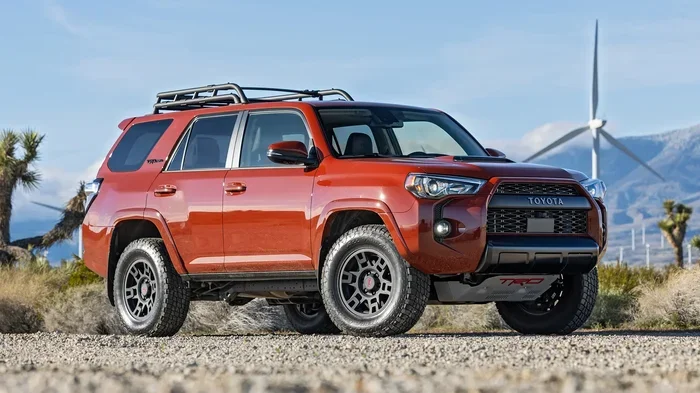
The Toyota 4Runner has long been one of the most dependable SUVs on the road. But many owners and shoppers are asking whether Toyota 4Runner depreciation is speeding up in 2024. The short answer is yes, 4Runner resale value is shifting, but it still holds up better than most competitors. In this guide, we explain why values are changing, what factors matter most, and how you can protect your investment.
The Toyota 4Runner has been around since the 1980s. It has earned a reputation as one of the toughest, most reliable SUVs ever built. But lately, more people are asking a simple question: are Toyota 4Runners losing value?
The short answer is yes, but not as fast as you might think. Like every vehicle, the 4Runner follows the natural curve of depreciation. However, it still holds its worth much better than most SUVs in its class. In 2024 and beyond, several factors are shaping how quickly 4Runner resale value changes. Understanding these factors can help both buyers and sellers make smarter decisions.
Whether you are thinking about buying a used 4Runner or selling your current one, this guide covers everything you need to know. We will look at depreciation trends, compare trims, discuss what affects value, and share practical tips. Let us dive in.
Key Takeaways
- 4Runner values are dropping: New model year pricing and market shifts are causing some depreciation in recent years.
- Reliability keeps values strong: The 4Runner’s reputation for longevity still makes it one of the best SUVs for holding value.
- Trim level matters a lot: TRD Pro and Limited trims tend to lose value slower than base models.
- Mileage and condition are critical: Well-maintained trucks with low mileage hold their worth significantly better.
- Now can be a smart buying window: Slight dips in value may create opportunities for buyers in 2024 and beyond.
- Simple maintenance goes a long way: Regular servicing and clean records help slow down Toyota 4Runner depreciation.
📑 Table of Contents
- Why the Toyota 4Runner Has Been a Favorite for Decades
- Understanding 4Runner Depreciation
- How the 2024 4Runner Compares to Previous Generations
- Factors That Affect 4Runner Resale Value
- Is Now a Good Time to Buy or Sell a 4Runner?
- Tips to Protect Your 4Runner’s Value Over Time
- Key Takeaways
- Frequently Asked Questions
- Final Thoughts
Why the Toyota 4Runner Has Been a Favorite for Decades
The 4Runner is not just another SUV. It has a loyal fan base that spans generations. People buy 4Runners because they are tough, simple, and built to last. Unlike many modern SUVs packed with fancy tech, the 4Runner keeps things straightforward. That simplicity is part of its charm.
Here are some reasons the 4Runner has stayed popular for so long:
- Legendary reliability: Many 4Runners clock well over 200,000 miles with major problems.
- Off-road capability: The TRD trim packages give the 4Runner serious trail performance.
- Body-on-frame construction: This design makes the truck durable and easy to repair.
- Strong resale demand: Used 4Runners sell quickly because buyers trust the name.
- Simple mechanics: Fewer complex parts mean fewer things can go wrong.
Because of these strengths, the 4Runner has always been a top pick for people who want a vehicle that works hard and lasts long. But even the best vehicles face market changes. And the Toyota 4Runner depreciation story is evolving.
Understanding 4Runner Depreciation
Depreciation is the drop in a vehicle’s value over time. Almost every car loses value after you drive it off the lot. But the rate of loss varies a lot from model to model. So how does the 4Runner stack up?
How Fast Does a 4Runner Depreciate?
On average, a new Toyota 4Runner loses about 15% to 20% of its value in the first year. By year five, total depreciation usually lands around 35% to 45%. That is better than many SUVs and trucks on the market.
For comparison, some popular trucks and SUVs lose 50% or more within five years. The 4Runner sits in a favorable spot because of its strong brand reputation and proven durability. When you learn how to find your car’s actual cash value, you can see that 4Runners consistently sit above average in retained value.
Depreciation Rate by Generation
The 4Runner has gone through several generations. Each one has its own depreciation story:
- 2003-2009 (5th Generation): These models hold value well because they are older and proven. Many are still on the road today.
- 2010-2013 (5th Gen Refresh): Slight updates improved reliability. Values remain strong in the used market.
- 2014-2023 (6th Generation): The newest body style. Early models are now entering the used market, and values are adjusting.
- 2024 and newer: The latest generation with a refreshed design. Time will tell how these hold value long-term.
Older generations tend to hold value better simply because they have already depreciated the most. But the 2024 models are seeing some early shifts in pricing that have people paying attention.
How the 2024 4Runner Compares to Previous Generations
The 2024 Toyota 4Runner brought some big changes. A new platform, updated styling, and modern tech made it more appealing than ever. But these changes also affected pricing. And pricing changes directly impact how values shift over time.
New Pricing and Its Effect on Value
When Toyota raised the starting price of the 2024 4Runner, some buyers paused. Higher sticker prices can lead to faster initial depreciation. If a truck costs more upfront, it has more value to lose in the first few years.
However, the 4Runner still commands strong demand. Even with higher prices, buyers are lining up. The waiting lists for certain trims showed just how much people want this vehicle. That demand helps slow down Toyota 4Runner depreciation compared to less popular models.
Comparing 4Runner Value to Competitors
To understand where the 4Runner stands, it helps to look at the competition. Here is a simple comparison of value retention among popular mid-size SUVs:
| Vehicle | 5-Year Depreciation | Reliability Rating |
|---|---|---|
| Toyota 4Runner | 35-45% | Excellent |
| Ford Explorer | 45-55% | Good |
| Chevrolet Tahoe | 40-50% | Good |
| Jeep Grand Cherokee | 45-55% | Good |
| Ford Bronco | 40-50% | Good |
As you can see, the 4Runner holds its value better than most competitors. Its Toyota SUV value retention is one of the strongest in the segment. This is great news for owners who want to sell or trade in later.
When looking at reliability side by side, the 4Runner also shines. For instance, the Ford F-150 has its own reliability story, but the 4Runner consistently ranks higher in long-term dependability surveys. This reputation adds to its value on the used market.
Factors That Affect 4Runner Resale Value
Not all 4Runners lose value at the same rate. Several factors play a role in determining how much your truck is worth at any given time. Understanding these factors can help you make better buying and selling decisions.
Trim Level and Options
The trim you choose matters more than you might think. The 4Runner TRD Pro and Limited trims tend to hold value better than the base SR5 or TRD Off-Road models. Why? Because they come with desirable features like upgraded suspension, unique styling, and premium interiors.
Here is a quick look at how trim levels affect value:
- SR5: The most common trim. Holds value okay, but not as well as higher trims.
- TRD Off-Road: Better value retention thanks to off-road extras and stronger demand.
- TRD Pro: The top performer for holding value. Limited production and high demand help here.
- Limited: Luxury features attract buyers willing to pay more on the used market.
Mileage and Condition
This one is obvious but worth repeating. Lower mileage 4Runners sell for more. A truck with 50,000 miles will always be worth more than one with 150,000 miles, assuming similar condition.
But condition goes beyond just mileage. Here is what buyers look at closely:
- Exterior condition: Paint quality, rust spots, and dents all matter.
- Interior wear: Seats, dashboard, and door panels show age over time.
- Mechanical health: A well-maintained engine and transmission are huge selling points.
- Service records: Clean, documented maintenance history builds buyer confidence.
If you want to protect your truck’s worth, keeping it clean and well-maintained is the simplest strategy. And if you are considering adding accessories, some owners wonder about whether a vinyl wrap increases car value. The answer is usually no, but it can protect the paint, which indirectly helps long-term value.
Market Demand and Timing
The used vehicle market fluctuates. During times of high demand, 4Runners sell fast and hold value well. In slower markets, prices may dip. Supply and demand play a big role in 4Runner depreciation rate at any given moment.
For example, during chip shortage years (2020-2022), used truck prices skyrocketed. That created an artificial high. Now that supply is normalizing, prices are adjusting back down. This is a natural market correction, not a sign that 4Runners are suddenly losing their appeal.
Fuel Economy and Running Costs
The 4Runner is not known for being fuel-efficient. Its Toyota 4Runner fuel economy is modest compared to modern hybrid SUVs. As gas prices rise, some buyers may look at more efficient options. This can put mild downward pressure on values over time.
However, the 4Runner’s low maintenance costs help offset this concern. Parts are widely available, repairs are straightforward, and the truck is cheap to own long-term. These factors keep demand steady among practical buyers.
Is Now a Good Time to Buy or Sell a 4Runner?
This is the question on many people’s minds. The answer depends on whether you are buying or selling. Let us break it down.
For Buyers
If you are looking to buy a used 4Runner, now can be a decent time. Slight dips in market pricing mean you may find better deals than in recent years. The 2024 price adjustments have made some used models more affordable.
Here are some tips for buyers right now:
- Shop around: Compare prices across multiple platforms to find the best deal.
- Check the history report: Always get a vehicle history report before buying.
- Inspect thoroughly: Have a trusted mechanic look over any used truck before purchase.
- Consider older models: A well-maintained 2015 or 2016 4Runner can offer great value.
For Sellers
If you are selling, the current market is still favorable for 4Runner owners. Even with slight price adjustments, demand remains strong. Well-maintained trucks with clean records sell quickly.
To get the best price when you sell:
- Clean the truck inside and out: First impressions matter a lot at sale time.
- Gather maintenance records: Documentation proves your truck has been cared for.
- Price competitively: Research what similar 4Runners are selling for in your area.
- Consider timing: Spring and early summer tend to be the strongest buying seasons.
When it is time to sell, knowing your truck’s current worth is essential. You can find your car’s actual cash value using online tools and local market data. This gives you a realistic price expectation.
Tips to Protect Your 4Runner’s Value Over Time
Want to make sure your 4Runner holds its value as long as possible? Follow these practical tips:
- Keep up with regular maintenance: Oil changes, tire rotations, and brake inspections should never be skipped.
- Store it properly: If possible, park in a garage or covered area to protect the exterior.
- Drive gently: Avoid harsh driving habits that wear down the engine and suspension faster.
- Address issues quickly: Small problems become big expensive ones if ignored.
- Keep mileage reasonable: Lower miles always translate to higher resale value.
- Avoid excessive modifications: While off-road upgrades are fun, too many mods can narrow your buyer pool.
Simple habits add up over time. A 4Runner with 80,000 miles and full service records will always be worth more than one with 120,000 miles and no documentation.
Some owners also wonder about adding security features. While steering wheel locks won’t directly impact resale value, they can protect the truck from theft, which preserves its condition. If you are curious about steering wheel locks and their ease of use, that is worth a quick read before making a choice.
Key Takeaways
The Toyota 4Runner remains one of the strongest vehicles for holding value in the SUV segment. Yes, 4Runner resale value is experiencing some natural adjustment in 2024. But the core strengths of this truck have not changed. Its reliability, durability, and strong brand reputation continue to set it apart.
Whether you are buying or selling, understanding the current market gives you an advantage. Buy smart, maintain well, and your 4Runner will reward you with strong value for years to come.
Frequently Asked Questions
Are Toyota 4Runners a good investment?
Yes, the 4Runner is widely considered a strong investment in the SUV world. Its Toyota 4Runner reliability and strong resale demand mean it holds value better than most competitors. While all vehicles depreciate, the 4Runner does so at a slower rate, making it a smart choice for long-term ownership.
How much does a 4Runner depreciate in the first year?
A new 4Runner typically loses about 15% to 20% of its value in the first year. This is actually better than the average for midsize SUVs. After the first year, depreciation slows down, and the truck holds its value more steadily over time.
Which 4Runner trim holds value best?
The TRD Pro and Limited trims tend to hold value the best. These trims come with desirable features and stronger market demand. Even among used models, buyers are willing to pay a premium for higher trims with proven options.
Is the 2024 4Runner a good time to buy?
The 2024 4Runner can be a good buy, especially if you find a used model from the previous generation. The new model’s higher price tag means it will depreciate more in the early years. But strong demand suggests the 4Runner will continue to hold its value well into the future.
Do 4Runners last a long time?
Absolutely. The 4Runner is known for longevity. Many owners report 200,000 to 300,000 miles with proper maintenance. Its simple design and durable components make it one of the longest-lasting SUVs you can buy. This reliability directly contributes to its strong Toyota 4Runner market value on the used market.
Will 4Runner prices keep dropping in 2025?
Some gradual price adjustment is likely as the market normalizes. However, the 4Runner’s strong demand and limited competition in the rugged SUV segment suggest values will stabilize. The truck’s reputation for durability and off-road capability keeps buyer interest high, which supports long-term value.
Final Thoughts
So, are Toyota 4Runners losing value? The honest answer is yes, but only modestly and naturally. The 4Runner remains one of the best vehicles you can buy if you care about long-term value. Its Toyota SUV value retention is outstanding, and its reliability keeps demand strong year after year.
Whether you are a first-time buyer or a longtime 4Runner owner, staying informed about market trends helps you make the best decision. Keep your truck well-maintained, drive it with care, and it will reward you with strong performance and solid value for miles to come.
The Toyota 4Runner is not just a vehicle. It is a statement. And in 2024 and beyond, it is still one of the smartest choices on the road.