Can You Get Kei Cars in the US Heres What You Need to Know
Can you get Kei cars in the US? The answer is yes, but with strict import regulations, NHTSA compliance, and state-specific DMV rules that make it tricky. This guide covers emissions standards, legal requirements, and practical steps to import Kei cars into America.
Key Takeaways
- Kei cars face strict US import rules: Federal regulations from the NHTSA and EPA make it difficult but not impossible to bring Kei cars into the country.
- 25-year import rule applies: Most Kei cars must be at least 25 years old to bypass compliance requirements under Title 49 USC.
- State laws vary widely: Some states like Florida are more welcoming, while others like California have tough emissions standards.
- Registration is possible with the right paperwork: You can register a Kei car in most states if you meet DOT and EPA requirements.
- Kei trucks have a separate legal path: Many Kei trucks are classified as low-speed vehicles and face different rules than passenger Kei cars.
- Costs add up fast: Import duties, shipping, compliance modifications, and state fees can make owning a Kei car expensive.
- Popular models include the Honda N-Box and Suzuki Hustler: These Japanese micro cars are among the most sought-after Kei cars in the US.
📑 Table of Contents
- Can You Get Kei Cars in the US? Heres What You Need to Know
- What Are Kei Cars?
- Can You Get Kei Cars in the US? Heres What the Law Says
- How to Import a Kei Car into the US
- State-by-State Rules for Kei Cars
- Pros and Cons of Owning a Kei Car in the US
- Popular Kei Car Models People Try to Import
- Frequently Asked Questions
- Conclusion
Can You Get Kei Cars in the US? Heres What You Need to Know
So you have fallen in love with Kei cars. Maybe you saw a cute little Honda N-Box on a video online. Or perhaps a Suzuki Hustler caught your eye during a trip to Japan. The tiny, fuel-efficient, perfectly designed machines known as Kei cars are hard to resist.
Can you get Kei cars in the US? The short answer is yes. But the long answer involves a lot of rules, paperwork, and patience. Federal regulations, state laws, and strict safety standards all stand between you and owning one of these Japanese micro cars on American roads.
In this guide, we will break down everything you need to know. We will cover import laws, state-by-state rules, how to register a Kei car, and which models people actually try to bring into the country. Whether you are a car enthusiast or just curious, this guide has you covered.
What Are Kei Cars?
Before we dive into the US rules, let us talk about what Kei cars actually are. Kei cars are a class of small vehicles that originated in Japan. They are designed to be ultra-compact, fuel-efficient, and affordable to own. The Japanese government created special regulations for these vehicles back in 1949.
Key Features of Kei Cars
Kei cars have very specific size and engine limits. Here is what makes them unique:
- Engine displacement: No more than 660cc.
- Dimensions: Length under 3.4 meters, width under 1.48 meters, and height under 2.0 meters.
- Power output: Usually around 64 horsepower or less.
- Fuel efficiency: Many Kei cars get 40 to 50 miles per gallon or better.
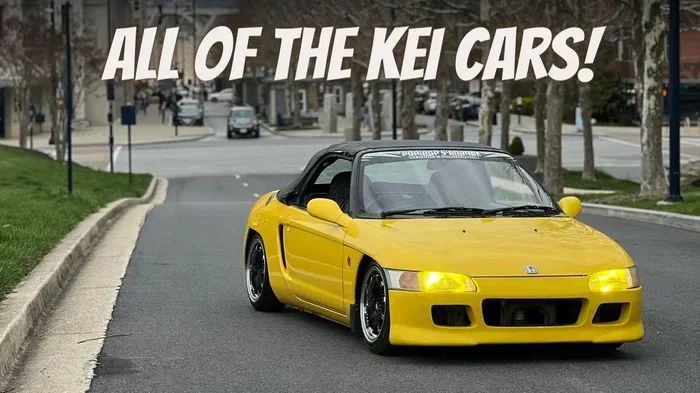
These tiny Japanese domestic market vehicles are incredibly popular in Japan. They account for roughly a third of all car sales there. Brands like Honda, Suzuki, Daihatsu, and Nissan all produce Kei cars. They are perfect for narrow streets, tight parking spots, and daily commuting.
Some people also confuse Kei cars with Kei trucks. Kei trucks are small pickup trucks that follow similar size rules. They are often used for farming, off-roading, or as utility vehicles. The rules for importing Kei trucks into the US can be different from Kei passenger cars, so keep that in mind.
Can You Get Kei Cars in the US? Heres What the Law Says
Now let us get into the big question. Can you legally get Kei cars in the US? The answer is complicated. Federal law in the United States has strict rules about importing vehicles. These rules come from agencies like the NHTSA and the EPA.
Federal Import Regulations
The main law that governs vehicle imports is Title 49 USC Section 30112. This law says that any vehicle imported for personal use must meet US safety standards. If a vehicle does not meet these standards, it cannot be driven on public roads.
Here are the key federal rules you need to understand:
- NHTSA standards: The National Highway Traffic Safety Administration sets safety rules. Kei cars made for the Japanese market usually do not meet these standards.
- EPA emissions rules: The Environmental Protection Agency has strict emissions requirements. Kei cars must pass these to be registered.
- DOT requirements: The Department of Transportation requires certain equipment like airbags, seatbelts, and lighting systems.
Because Kei cars are built to Japanese standards, they often lack required US equipment. For example, many Kei cars do not have US-spec airbags or daytime running lights. This means they fail compliance checks at the border.
The 25-Year Import Rule
There is one big exception. Vehicles that are at least 25 years old can be imported without meeting federal safety and emissions standards. This is often called the 25-year import rule.
So if you find a Kei car that is 25 years or older, you can import it more easily. This is why many people in the US import vintage Kei cars from the 1990s or earlier. They are exempt from the tough compliance requirements.
However, even with a 25-year-old Kei car, you still need to deal with state-level rules. We will cover those next.
How to Import a Kei Car into the US
If you have your heart set on a specific Kei car, you can import it. But the process is not simple. You need to follow several steps and work with the right people.
Step-by-Step Import Process
Here is a practical breakdown of how to import a Kei car:
- Find a Kei car in Japan: You can buy from Japanese auction sites, dealers, or exporters. Popular sites include Japanese Classics and Japan Partner.
- Arrange shipping: You will need a shipping company that handles vehicle imports. Expect to pay between $1,000 and $3,000 for ocean freight.
- Clear customs: Your shipping agent will help you file the proper paperwork with US Customs and Border Protection.
- Pay import duties: You will owe a 2.5% duty on passenger vehicles. There may also be additional state taxes.
- Get EPA and NHTSA compliance: If your Kei car is under 25 years old, you must make it compliant. This can involve installing US-spec parts and passing inspections.
- Register and title the vehicle: Finally, take your Kei car to your local DMV for registration.
Working with Importers and Exporters
Most people do not handle the import process alone. You can work with a vehicle import company. These companies handle paperwork, shipping, and compliance for a fee. Expect to pay anywhere from $2,000 to $5,000 for their services.
Quick Tip: Always work with a licensed importer. Avoid shady dealers who promise easy imports but deliver problems later. Check reviews and ask for references before committing.
Costs to Expect
Importing a Kei car is expensive. Here is a rough cost breakdown:
- Purchase price: $5,000 to $15,000 depending on the model and condition.
- Shipping: $1,000 to $3,000.
- Import duty: 2.5% of the vehicle value.
- Compliance modifications: $2,000 to $8,000 if needed.
- Import company fees: $2,000 to $5,000.
As you can see, the total cost can easily reach $15,000 to $30,000. This is important to consider before you start the process.
State-by-State Rules for Kei Cars
Federal rules set the baseline. But individual states have their own laws. This means the answer to can you get Kei cars in the US depends a lot on where you live.
States with Friendly Rules
Some states make it easier to register and drive Kei cars. Here are a few examples:
- Florida: Florida is very welcoming to Kei cars. The state does not require emissions testing in most counties. Registration is straightforward.
- Arizona: Arizona has relatively relaxed rules. Many Kei car owners live there and enjoy driving their vehicles on the road.
- Texas: Texas allows Kei cars with some conditions. You may need to pass a basic safety inspection.
States with Strict Rules
On the other hand, some states make it very difficult:
- California: California has the toughest emissions standards in the country. Kei cars may struggle to pass CARB compliance checks. This makes registration very challenging.
- New York: New York also has strict emissions rules. Registering a Kei car here requires meeting tough standards.
- Massachusetts: Massachusetts requires vehicles to meet certain safety and emissions criteria. Kei cars may need significant modifications.
Comparison Table: State Rules for Kei Cars
| State | Emissions Testing | Registration Difficulty | Overall Ease |
|---|---|---|---|
| Florida | No (most counties) | Easy | Very Friendly |
| Arizona | Limited | Moderate | Friendly |
| Texas | No (most areas) | Moderate | Friendly |
| California | Very Strict | Very Hard | Difficult |
| New York | Strict | Hard | Difficult |
| Massachusetts | Strict | Hard | Difficult |
Expert Insight: Before you buy a Kei car, always check your state DMV website. Rules change frequently. What was allowed last year might not be allowed today.
Pros and Cons of Owning a Kei Car in the US
Owning a Kei car in the US is a unique experience. It has clear benefits, but also some real challenges. Let us look at both sides.
The Pros
- Incredible fuel efficiency: Kei cars are some of the most fuel-efficient vehicles you can find. Many get over 40 MPG.
- Easy parking: Their tiny size means you can park almost anywhere. Parking in crowded cities becomes a breeze.
- Low running costs: Insurance, fuel, and maintenance costs are generally low.
- Fun to drive: There is something genuinely charming about driving a tiny Japanese micro car. They are nimble and fun.
- Unique vehicles: You will not see many Kei cars on American roads. They stand out in the best way.
The Cons
- Import challenges: Getting one into the US is not easy. Regulations and costs can be overwhelming.
- Limited parts availability: Finding replacement parts can be tough. You may need to order from Japan or specialty shops.
- Safety concerns: Kei cars are built to Japanese safety standards. These may not align with US crash test requirements.
- State restrictions: Some states make ownership nearly impossible due to emissions or safety rules.
- Low resale value: There is a small market for Kei cars in the US. You may not get your money back when selling.
Common Mistake: Many people assume Kei cars are just like regular compact cars. They are not. Kei cars are built for Japanese roads and conditions. Driving one in the US requires understanding these differences.
Popular Kei Car Models People Try to Import
Not all Kei cars are equally popular in the US. Some models get more attention than others. Here are a few that people frequently try to bring into America.
Honda N-Box
The Honda N-Box is one of the best-selling Kei cars in Japan. It is a practical kei car with a tall body and decent interior space. People love it for its efficiency and Honda reliability.
Suzuki Hustler
The Suzuki Hustler is a crossover-style Kei car. It has a rugged look and decent ground clearance. It is very popular and many enthusiasts want one in the US.
Daihatsu Tanto
The Daihatsu Tanto is a boxy Kei car that maximizes interior space. It is known for its creative design and practicality.
Subaru Sambar
The Subaru Sambar is a Kei truck/van combo. It is popular among off-roaders and people who need a small utility vehicle. It has a loyal fan base in the US.
Nissan Dayz
The Nissan Dayz is another top-selling Kei car. It is comfortable, efficient, and well-made. It is a strong choice for anyone interested in Kei cars.
Quick Tips for Choosing a Model
- Pick a model with a strong parts network in the US.
- Choose newer models if you want better reliability.
- Research import costs for your specific model before committing.
- Consider whether you want a passenger Kei car or a Kei truck, as rules differ.
Frequently Asked Questions
Can you legally drive a Kei car in the US?
Yes, but only if the vehicle meets federal and state requirements. If your Kei car is at least 25 years old, it can bypass many federal rules. Younger Kei cars must pass NHTSA and EPA compliance checks. State laws also matter, so always check your local DMV.
Are Kei cars street legal in all US states?
No, Kei cars are not street legal in every state. States like California and New York have strict emissions and safety rules that make registration very difficult. States like Florida and Texas are more accommodating. Always research your specific state before importing.
How much does it cost to import a Kei car?
The total cost ranges from $15,000 to $30,000 or more. This includes the purchase price, shipping, import duties, compliance modifications, and import company fees. Costs vary widely based on the model and its age.
Can you import a new Kei car into the US?
It is very difficult to import a brand-new Kei car. New vehicles must meet full NHTSA and EPA standards. Since Kei cars are not sold in the US, they usually fail compliance. The 25-year rule or special import programs are typically the only paths forward.
What is the difference between a Kei car and a Kei truck?
Kei cars are passenger vehicles like small cars or hatchbacks. Kei trucks are small pickup trucks or utility vehicles. Both follow similar size and engine rules. However, Kei trucks are often classified as low-speed vehicles in the US and may face different registration requirements.
Do Kei cars need special insurance in the US?
Most Kei cars can be insured with a standard auto insurance policy. However, some providers may charge higher premiums due to the vehicle’s non-standard status. Shop around for quotes. Consider an insurance agent who understands imported vehicles.
Conclusion
Can you get Kei cars in the US? Yes, you absolutely can. But it takes effort, money, and patience. Federal import rules, state regulations, and compliance requirements all play a role. The process is far from simple, especially for newer models that do not qualify for the 25-year import rule.
States like Florida and Texas offer friendlier paths to registration. Others like California make it a real challenge. Understanding the rules before you start is essential. Work with licensed importers, check your state DMV rules, and budget for all the costs involved.
Owning a Kei car in America is a unique and rewarding experience. These tiny Japanese micro cars bring joy, efficiency, and charm to any road. If you are willing to navigate the rules, a Kei car can be a wonderful addition to your garage. Just make sure you go in with the right expectations and the right information.
Kei cars in the US are still a niche market. But as more people discover these vehicles, interest continues to grow. Whether you want a fuel-efficient daily driver or a fun weekend cruiser, a Kei car might be exactly what you are looking for. Do your research, plan carefully, and enjoy the ride.