Where Does the Time Change Everything You Need to Know
The time change affects drivers in every time zone, from commute safety to road trip planning. Understanding where the time changes helps you stay alert, save fuel, and avoid common driving mistakes. This guide covers everything from daylight saving time rules to practical tips for safer car travel.
Every year, millions of drivers feel the effects of the clock shifting forward or backward. Whether you are heading to work, taking a weekend road trip, or just running errands, the time change touches your daily drive in ways you might not expect. So where does the time change, and why should you care as a driver?
The answer goes deeper than just resetting your clock. Time changes affect your visibility, your fuel costs, your commute timing, and even your alertness behind the wheel. In this article, we break down everything you need to know about where does the time change, how it impacts your car and your safety, and what you can do to stay prepared.
Whether you are a daily commuter or a weekend road tripper, understanding the time change rules in your area and beyond helps you plan better and drive safer. Let us dive in.
Key Takeaways
- Time changes happen in specific regions: Not all states or countries observe daylight saving time, so knowing the rules prevents confusion on your drive.
- DST impacts driving safety: The spring forward and fall back clock changes affect visibility, sun glare, and drowsy driving risks.
- Road trips need time zone planning: Crossing multiple time zones can throw off your schedule, fuel stops, and rest breaks.
- Your commute shifts with the clock: Morning and evening commute times change with DST, altering traffic patterns and road conditions.
- Small adjustments make a big difference: Simple tips like adjusting your sleep schedule and checking your vehicle can keep you safe during time transitions.
- Fuel economy is affected: Extra driving in daylight or darkness can change how much fuel your car uses.
📑 Table of Contents
- What Is the Time Change and Why Does It Matter?
- Where Does the Time Change Across the World?
- How Time Changes Affect Your Driving and Commute
- Road Trip Planning Around Time Zone Shifts
- Tips for Staying Safe When the Time Changes
- Common Mistakes Drivers Make During Time Changes
- Expert Insights on Time Changes and Driving
- Key Takeaways
- Conclusion
What Is the Time Change and Why Does It Matter?
The time change refers to the practice of moving clocks forward or backward by one hour. Most people know this as daylight saving time, or DST. The idea is simple. We move the clock ahead in spring and back in fall to make better use of natural light.
But for drivers, the impact is anything but simple. A one-hour shift can disrupt your sleep, change your commute hours, and alter the light conditions on the road. These shifts can lead to driving safety concerns that many people overlook.
How the Clock Change Works
In most parts of the United States, clocks spring forward one hour in March and fall back one hour in November. This means you gain an hour of sleep in the fall but lose an hour in the spring. The spring forward and fall back routine has been a part of American life for decades.
Not every region follows this pattern, though. Arizona, for example, does not observe DST. Hawaii stays on the same time year-round. And if you drive into Canada or Mexico, you may encounter different time zone rules entirely. This is why knowing where does the time change matters so much for drivers.
Why Drivers Should Pay Attention
When the clock shifts, your body feels it. Your circadian rhythm, which is your internal body clock, gets thrown off. This can make you feel groggy, slow your reaction time, and increase the risk of accidents. Studies show that the week after the spring forward clock change sees a spike in drowsy driving incidents.
Beyond drowsiness, the time change also affects how much daylight you have during your drive. In the spring, you gain evening light but lose morning light. In the fall, the opposite happens. These shifts can create dangerous sun glare during your morning commute or evening commute.
Where Does the Time Change Across the World?
The rules for where does the time change vary widely depending on where you live or travel. Let us explore the key regions and their DST practices.
United States Time Change Rules
In the U.S., most states spring forward on the second Sunday in March and fall back on the first Sunday in November. The change happens at 2:00 AM local time, which is why it is often called the “2:00 AM rule.”
However, not all U.S. states follow this. Here is a quick look at the exceptions:
- Arizona: Does not observe DST (except the Navajo Nation)
- Hawaii: Stays on Hawaii-Aleutian Standard Time year-round
- U.S. Territories: Puerto Rico, Guam, and the U.S. Virgin Islands do not observe DST
If you are planning a car travel route through these areas, keep in mind that the time difference with neighboring states can shift during DST months. This affects your arrival times and fuel planning.
Canada and Mexico Time Changes
Canada mostly follows the same DST schedule as the U.S. However, some provinces and territories, like Saskatchewan, do not change their clocks. Mexico also has its own DST rules. Most of Mexico observes DST, but the state of Sonora does not.
If you are planning a road trip across the border, always check the current time zone map before you hit the road. A time mismatch can throw off your entire travel schedule.
European and Global Time Changes
In Europe, clocks change on the last Sunday in March and the last Sunday in October. The dates are different from the U.S., which matters if you are driving across the Atlantic or planning a European road trip.
Many countries around the world observe some form of clock change, but the dates and rules differ. Countries near the equator often skip DST entirely because their daylight hours stay consistent year-round.
How Time Changes Affect Your Driving and Commute
The connection between the time change and your daily drive is stronger than most people realize. Let us break down the specific ways this shift impacts your time behind the wheel.
Visibility and Sun Glare
One of the biggest challenges after a clock shift is dealing with changed light conditions. After the spring forward, many drivers face harsh sun glare during their morning commute. The sun sits lower on the horizon during early hours, which can blind you for several minutes of your drive.
After the fall back, the opposite happens. You gain morning light but lose evening light. This means your evening commute happens in darker conditions, which brings its own set of risks.
Here are a few quick tips to handle sun glare and low light:
- Keep your windshield clean inside and out
- Use polarized sunglasses during bright hours
- Clean your headlights before evening drives
- Adjust your sun visor to block low-angle light
- Keep your dashboard lights dim to reduce glare
Drowsy Driving Risks
The spring forward clock change is linked to a rise in drowsy driving accidents. Losing just one hour of sleep can impair your driving as much as a small amount of alcohol. Your reaction time slows, your attention drifts, and your decision-making suffers.
The fall back change can also cause problems. The extra hour of evening daylight tempts some drivers to stay out later, leading to fatigue the next morning. Both shifts disrupt your sleep pattern and affect your alertness on the road.
Traffic Patterns Shift
When the time changes, so do traffic patterns. During DST months, more people are on the road during evening hours because it stays light longer. This can lead to heavier evening traffic and more congestion on popular routes.
In the fall, when it gets dark earlier, traffic tends to concentrate in the earlier evening hours. Rush hour starts earlier and ends earlier. Understanding these shifts helps you plan your commute more effectively and avoid the worst of the congestion.
Fuel Economy and Your Vehicle
Did you know that the time change can affect your fuel economy? When you drive more in daylight, you may use less fuel because you are less likely to idle in traffic or take longer routes. Conversely, darker evening drives can mean more time on the road and higher fuel costs.
Your vehicle also feels the impact. Your battery, your tires, and your fluids all respond to seasonal changes that come along with the clock shift. Keeping up with vehicle maintenance during these transitions helps your car run smoothly.
Road Trip Planning Around Time Zone Shifts
If you love hitting the open road, understanding where does the time change is essential for a smooth trip. Crossing multiple time zones on a single journey can be fun, but it also requires planning.
Crossing Time Zones on a Road Trip
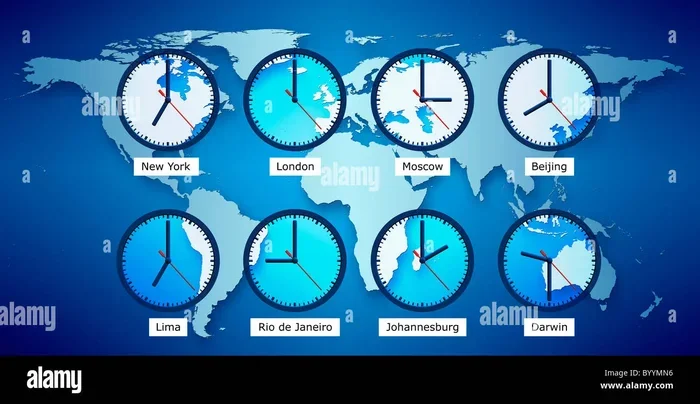
When you cross time zones, every hour you travel shifts your clock. Driving from California to New York, for example, means you move through three time zones. If you leave at 6:00 AM Pacific Time, you arrive in the Eastern Time zone three hours ahead.
This shift affects your arrival time, your rest stops, and your fuel planning. Here are some tips for managing multi-zone car travel:
- Set your watch or phone to the destination time zone as soon as you start driving
- Plan rest stops based on local time, not your home time
- Check gas station hours in each zone, as they can vary
- Adjust your meal times gradually to avoid stomach issues
- Keep a time zone map handy in your glove box
Planning Rest Stops and Fuel Stops
Time zone shifts can throw off your usual routine. If you normally stop for gas every 300 miles, a time change might mean you are driving in unfamiliar light conditions. Plan your fuel stops more carefully during DST transitions.
Also, remember that some states have different fuel tax rates, which can affect gas prices. Crossing from one state to another during a time zone shift might save you money at the pump, or it might cost you more. It pays to plan ahead.
Staying Alert Across Time Zones
Long drives across multiple time zones increase the risk of fatigue. Your body struggles to adjust to new light schedules, and the excitement of a road trip can mask how tired you really are. Take regular breaks, share driving duties if possible, and never push through exhaustion.
Tips for Staying Safe When the Time Changes
Staying safe during and after the clock change comes down to a few smart habits. Here is what you can do to protect yourself and others on the road.
Adjust Your Sleep Schedule Gradually
In the days leading up to the spring forward or fall back, shift your bedtime by 15 to 20 minutes each night. This gentle adjustment helps your body adapt without the shock of a sudden one-hour loss or gain.
Check Your Vehicle Before the Shift
Use the time change as a reminder to check your vehicle. Inspect your headlights, taillights, and windshield wipers. Make sure your tires are properly inflated. A quick vehicle maintenance check goes a long way toward keeping you safe during darker or glare-heavy drives.
Allow Extra Travel Time
For the first few days after the clock shifts, give yourself a few extra minutes on your commute. You may be slower to react, and traffic patterns can be unpredictable. Arriving a few minutes late is always better than not arriving at all.
Stay Hydrated and Well-Fed
Fatigue worsens when you are dehydrated or hungry. Keep water and healthy snacks in your car, especially during the week following a time change. These small habits keep your energy levels steady and your focus sharp.
Common Mistakes Drivers Make During Time Changes
Even experienced drivers make mistakes when the clock shifts. Here are the most common ones and how to avoid them.
- Forgetting to update your clock: This sounds obvious, but many drivers miss updating their dashboard clock, GPS, or phone alarm. A wrong time can make you late or rushed.
- Ignoring drowsiness: Feeling a little tired after the spring forward is normal. But ignoring that tiredness and getting behind the wheel is dangerous. Pull over and rest if you feel sleepy.
- Driving without sunglasses: After the spring forward, the low sun can be blinding. Skipping your sunglasses during the morning commute is a common and risky mistake.
- Not adjusting your route: Traffic patterns shift with the time change. Sticking to your usual route without checking for changes can lead to unexpected delays.
- Skipping vehicle checks: The time change is a perfect reminder to check your lights, fluids, and tires. Skipping this step means you might miss a problem that gets worse on the road.
Expert Insights on Time Changes and Driving
Traffic safety experts agree that the clock change is one of the most overlooked risks on the road. According to the National Highway Traffic Safety Administration, the week following the spring forward sees a notable increase in accidents related to fatigue and reduced visibility.
Experts recommend treating the time change as a reset button for your driving habits. Update your mirrors, check your brakes, and review your route. Small preparations make a big difference in staying safe on the road.
One key insight from driving instructors is to pay attention to your body. If you feel even slightly off after the time change, take it slow. Your reaction time matters more than your schedule. No appointment or meeting is worth risking a collision over.
Key Takeaways
- Time changes affect every driver: Whether you commute daily or travel long distances, the clock shift changes your light conditions, your alertness, and your traffic patterns.
- Not all regions observe DST: Know the rules for your state, your destination, and any border crossings you plan to make.
- Drowsy driving spikes after the spring forward: Losing one hour of sleep can impair your driving ability significantly.
- Sun glare and low visibility are real risks: Adjust your driving habits and vehicle setup to handle changed light conditions.
- Road trips need extra planning during time shifts: Cross time zones carefully and keep a time zone map in your car.
- Small preparations prevent big problems: Adjust your sleep gradually, check your vehicle, and allow extra travel time.
- Fuel economy shifts with the seasons: More daylight driving can save fuel, but darker evening drives may increase your costs.
Conclusion
The question of where does the time change is more than just a trivia fact. It is a practical concern for every driver on the road. From your morning commute to cross-country road trips, the clock shift shapes your driving experience in real and measurable ways.
By understanding how daylight saving time affects your visibility, your alertness, your fuel costs, and your traffic conditions, you can drive smarter and safer. The tips in this guide give you a solid foundation for navigating every time change with confidence.
So the next time the clock shifts, do not just reset your watch. Take a moment to adjust your driving habits, check your vehicle, and plan your route. A little preparation goes a long way toward keeping you and everyone on the road safe. Stay alert, stay prepared, and enjoy the drive.
Frequently Asked Questions
Why does the time change affect driving so much?
The time change shifts your sleep schedule and alters the amount of daylight during your drive. This affects your alertness, your visibility, and the sun glare you experience. Even a one-hour shift can increase the risk of accidents, especially during the first week after the clock change.
Which U.S. states do not observe daylight saving time?
Arizona (except the Navajo Nation) and Hawaii do not observe DST. Several U.S. territories, including Puerto Rico, Guam, and the U.S. Virgin Islands, also stay on the same time year-round. If you drive through these areas, the time difference with neighboring states changes during DST months.
How can I stay safe during the spring forward clock change?
Start by adjusting your sleep schedule gradually in the days before the shift. Get your vehicle checked, especially your headlights and windshield. Wear sunglasses to combat sun glare, and allow extra time on your commute. Stay hydrated and take breaks if you feel drowsy.
Does the time change really affect fuel economy?
Yes, it can. When you drive more during daylight hours, you may use less fuel because you avoid idling in traffic and take more direct routes. However, darker evening drives can lead to more time on the road and higher fuel costs. Seasonal driving patterns play a role in your overall fuel economy.
What should I do if I feel drowsy after the time change?
If you feel drowsy, pull over in a safe location and take a short break. A 15 to 20 minute nap can help restore your alertness. Drink water, avoid heavy meals before driving, and if possible, share driving duties with a passenger. Never push through drowsiness, as it significantly increases your risk of an accident.
How do time zone changes affect road trip planning?
Crossing time zones shifts your arrival times, rest stop schedules, and fuel planning. Always check the time zone map for your route and set your devices to the destination time early. Plan fuel stops based on local hours, and adjust your meal and rest times gradually to avoid discomfort from the time shift.