How Much Does a Spyder Forklift Weigh and Why It Matters
How Much Does a Spyder Forklift Weigh? is an essential topic that provides valuable insights.
Key Takeaways
- Know Your Machine Weight: The Spyder forklift weight varies from 7,800 to 22,500 pounds depending on the model and fuel type.
- Operating Weight vs. Capacity: The operating weight is the machine’s own weight, while the rated capacity is what it can lift. They are not the same.
- Attachments Add Weight: Every forklift attachment adds to the total weight. Always include them in your calculations.
- Transport Planning Is Crucial: The forklift transport weight must stay within your truck’s payload limit and road regulations.
- Site Safety Depends on Weight: Heavier machines can damage soft ground. Check ground pressure and use proper tires to avoid issues.
- Electric Models Are Lighter: If you need a lightweight forklift for indoor work, choose an electric Spyder forklift to save weight and energy.
- Always Consult the Data Plate: The data plate gives you the exact operating weight and rated capacity for your specific machine.
📑 Table of Contents
- What Is a Spyder Forklift and Why Does Its Weight Matter?
- How Much Does a Spyder Forklift Weigh? (Model Breakdown)
- Understanding Operating Weight vs. Rated Capacity
- Why Forklift Weight Matters for Your Project
- Transporting a Spyder Forklift: Key Considerations
- Expert Tips to Manage and Reduce Forklift Weight Impact
- Conclusion
What Is a Spyder Forklift and Why Does Its Weight Matter?
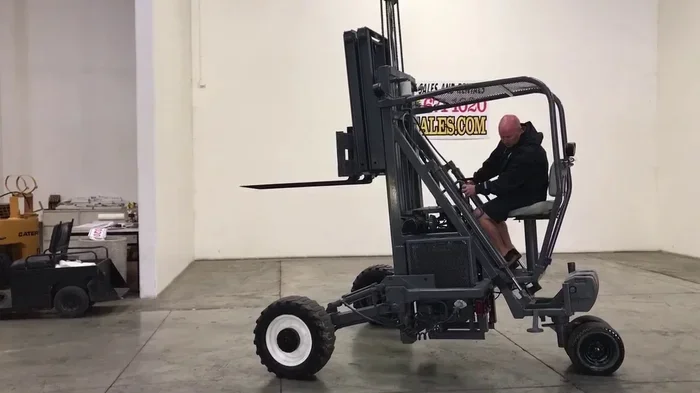
A Spyder forklift is a compact, rough-terrain machine built for tough jobs. It is often called a telehandler or a rough terrain forklift. These lifts can reach high places and carry heavy loads on uneven ground. They come in different sizes, and each size has a different operating weight.
Knowing the weight of your machine helps you avoid accidents. It tells you if a floor can hold it, if a truck can carry it, and if you need special permits. Forklift weight also affects stability. A heavier machine can be more stable when lifting, but harder to move. So, finding the right balance is key.
Quick Tip: Always Check the Data Plate
Every Spyder forklift has a data plate that lists the operating weight and rated capacity. This plate is your best friend. It tells you the exact weight of the machine with no attachments. If you add a forklift attachment, the weight goes up. Always check the plate before you move the machine.
How Much Does a Spyder Forklift Weigh? (Model Breakdown)
The Spyder forklift weight varies a lot by model. Some small units weigh under 10,000 pounds. Others can be over 20,000 pounds. Here is a simple breakdown of popular Spyder lift models.
Weight by Model
Below is a comparison table of common Spyder forklift models. The numbers are approximate and can change based on options and attachments.
| Model | Operating Weight (lbs) | Rated Capacity (lbs) | Fuel Type |
|---|---|---|---|
| Spyder 4430 | 9,500 | 3,000 | Diesel |
| Spyder 5534 | 14,200 | 4,500 | Diesel |
| Spyder 6636 | 18,700 | 6,000 | Diesel |
| Spyder 7740 | 22,500 | 8,000 | Diesel |
| Spyder Electric 3325 | 7,800 | 2,500 | Electric |
As you can see, the diesel forklift models are heavier than the electric forklift version. The battery adds weight to electric units, but they still tend to be lighter overall. If you need a lightweight forklift for indoor use, the electric models are a great choice.
Quick Tips for Comparing Weights
- Always ask for the operating weight before you sign a rental agreement.
- Check the weight with and without attachments. A bucket or a jib can add 500 to 2,000 pounds.
- Remember the fuel weight. A full diesel tank adds about 100 to 200 pounds. A battery pack adds more to electric models.
- Look at the tire type. Pneumatic tires are heavier than solid tires but offer better grip on rough ground.
Understanding Operating Weight vs. Rated Capacity
Two numbers matter most when you talk about forklift weight: the operating weight and the rated capacity. They are not the same thing.
Operating weight is the weight of the machine itself. It includes the chassis, engine, counterweight, and a full fuel tank. Rated capacity is the maximum weight the forklift can safely lift at a certain load center. The load center is usually 24 inches from the fork face.
A heavier machine often has a higher rated capacity. But that does not mean you should always pick the heaviest one. If you work on a soft site, a lighter machine will sink less. It will also be easier to transport. So, match the Spyder forklift weight to your job needs.
Expert Insight: The Role of Counterweight
Every counterbalance forklift needs weight at the back to balance the load at the front. The Spyder forklift uses its own frame and engine as part of the counterweight. This is why the operating weight is so important. If you try to lift more than the rated capacity, the machine can tip forward. That is a serious safety risk.
Why Forklift Weight Matters for Your Project
The Spyder forklift weight affects more than just the machine. It impacts your entire project. Here are the main reasons why you should care about the weight.
1. Site Safety and Ground Pressure
Heavy machines can damage soft ground. If you work on a construction site with mud or gravel, you need to know the ground pressure your forklift creates. A lighter machine spreads its weight better on soft surfaces. You can use tire pressure adjustments to lower the ground pressure even more.
2. Transport and Logistics
Moving a Spyder forklift on a flatbed truck requires planning. The forklift transport weight must stay within the truck’s payload limit. If your machine weighs 18,000 pounds, you need a truck that can handle it plus the weight of the operator and fuel. Always check the truck’s rating before loading.
3. Permit and Access Requirements
Some job sites have weight limits for vehicles. Bridges, mezzanines, and certain floors have strict limits. If your Spyder forklift weight is too high, you may not get the permit you need. Always ask the site manager about weight restrictions before you arrive.
4. Fuel Efficiency and Operating Costs
Heavier machines use more fuel. A diesel forklift that weighs 20,000 pounds will burn more than one that weighs 15,000 pounds. Over time, this adds up. If you are renting, the fuel cost might be included, but if you own it, the operating weight directly affects your budget.
Transporting a Spyder Forklift: Key Considerations
Getting a Spyder forklift from the dealer to your site is a big step. You must follow weight rules to stay safe and legal. Here is what you need to know.
Quick Tips for Safe Transport
- Know the total transport weight. Add the machine weight, fuel, and any attachments.
- Use a certified flatbed trailer. The trailer must be rated for the weight of the forklift.
- Secure the machine properly. Use chains and straps rated for the load. A forklift attachment like a bucket can shift during transport if not tied down.
- Check the route. Look for weight limits on bridges and roads. Some rural roads cannot handle heavy equipment.
- Get the right permits. If the total weight exceeds local limits, you may need a special permit.
Common Mistakes When Dealing with Forklift Weight
Many people make mistakes when they handle forklift weight. Here are the most common ones to avoid.
- Forgetting to include the attachment weight. A simple bucket or jib can add hundreds of pounds. Always add it to the total.
- Guessing the fuel level. A full tank is heavier than an empty one. Weigh the machine with the fuel you will have on site.
- Ignoring the load center. If you lift the load too far out, the effective weight on the front increases. This can cause a tip-over even if the load is under the rated capacity.
- Using the wrong tires. Pneumatic tires are heavier but better for rough terrain. Solid tires are lighter but may not grip well on soft ground. Choose based on your site.
- Not checking the transport vehicle weight limit. Overloading a truck is dangerous and illegal. Always verify the truck’s payload rating.
Expert Tips to Manage and Reduce Forklift Weight Impact
You cannot always change the Spyder forklift weight, but you can manage its impact. Here are expert tips to help you work smarter.
Quick Tips for Daily Operations
- Keep tires properly inflated. Under-inflated tires increase the footprint and reduce stability. Check pressure every day.
- Remove unused attachments. If you are not using a jib or bucket, take it off. Every pound counts when you are near the weight limit.
- Plan your moves. Know the weight limits of every floor, ramp, and bridge on your route. Mark them clearly.
- Use the right forklift class for the job. Class 4 and Class 5 internal combustion forklifts are heavier. Class 1 and Class 3 electric forklifts are lighter. Choose wisely.
Expert Insight: Weight Distribution on Slopes
When you work on a slope, the weight distribution changes. The downhill side bears more load. A heavier Spyder forklift can handle slopes better because it has more downward force. But you must still follow the rated capacity on the slope. Never exceed the manufacturer’s guidelines for inclined operation.
Key Takeaways for Weight Management
Managing forklift weight is not just about the numbers. It is about safety, efficiency, and cost control. Here are the main points to remember.
- Always know the operating weight of your Spyder forklift before you start a job.
- Include the weight of all attachments and fuel in your calculations.
- Check ground conditions and transport limits before you move the machine.
- Use proper tires and maintain them well for the best performance.
- Train your operators to understand how weight distribution affects stability.
Conclusion
The Spyder forklift weight is a key factor in any project. It affects safety, transport, site access, and operating costs. By understanding the operating weight and the rated capacity, you can choose the right machine and use it safely. Always check the data plate, include attachments, and follow transport rules. With the right knowledge, you can get the most out of your Spyder forklift without any surprises. Now you know exactly how much a Spyder forklift weighs and why it matters.
Frequently Asked Questions
How much does a Spyder forklift weigh with attachments?
The base Spyder forklift weight changes when you add attachments. A bucket or jib can add 500 to 2,000 pounds. Always add the attachment weight to the operating weight to get the total. Check the data plate for the exact numbers of your configuration.
Can I drive a Spyder forklift on a public road?
It depends on the forklift weight and local road rules. Most states require a special permit for equipment over a certain weight. You must also ensure the transport vehicle can handle the load. Always check the road weight limits before you move a Spyder forklift on a public road.
Why is the operating weight different from the rated capacity?
The operating weight is how much the machine itself weighs. The rated capacity is how much it can safely lift. A heavier machine often has a higher capacity because it needs more counterweight to balance the load. They are two separate numbers that both matter for safe operation.
What is the lightest Spyder forklift model available?
The electric Spyder forklift models are the lightest. The Spyder Electric 3325 weighs about 7,800 pounds. It is a great choice for indoor jobs where floor weight limits are a concern. Always confirm the exact weight with your dealer.
How does fuel type affect the weight of a Spyder forklift?
Diesel forklift models are heavier because the engine and fuel tank add weight. Electric forklifts are lighter overall, but the battery pack adds significant weight. A full diesel tank can add 100 to 200 pounds, while a battery pack can add 1,000 pounds or more depending on the model.
What should I check before transporting a Spyder forklift?
Before transport, add the operating weight, fuel, and all attachments to get the total weight. Make sure your flatbed trailer is rated for that weight. Secure the machine with chains and straps, and check the route for weight limits on bridges and roads. Always obtain the required permits if the weight exceeds local limits.